

Contact Info
- Greensboro, NC 27406
- Call: 336-707-0498
- Text: 336-707-0498
-
Mon - Fri: 8am - 4pm
Sat - Sun: Closed
Contact Info
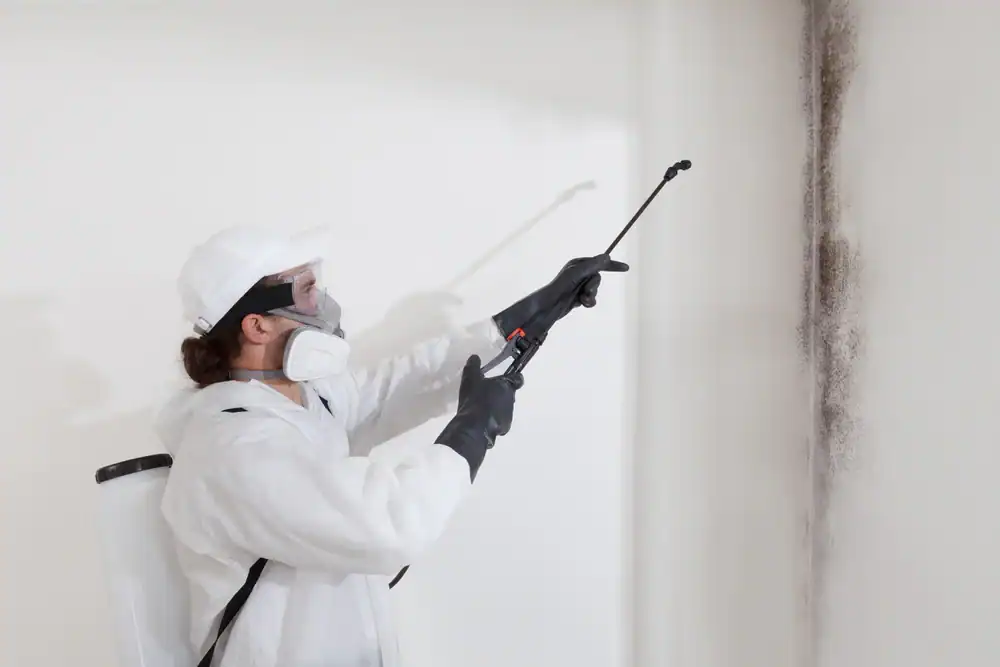
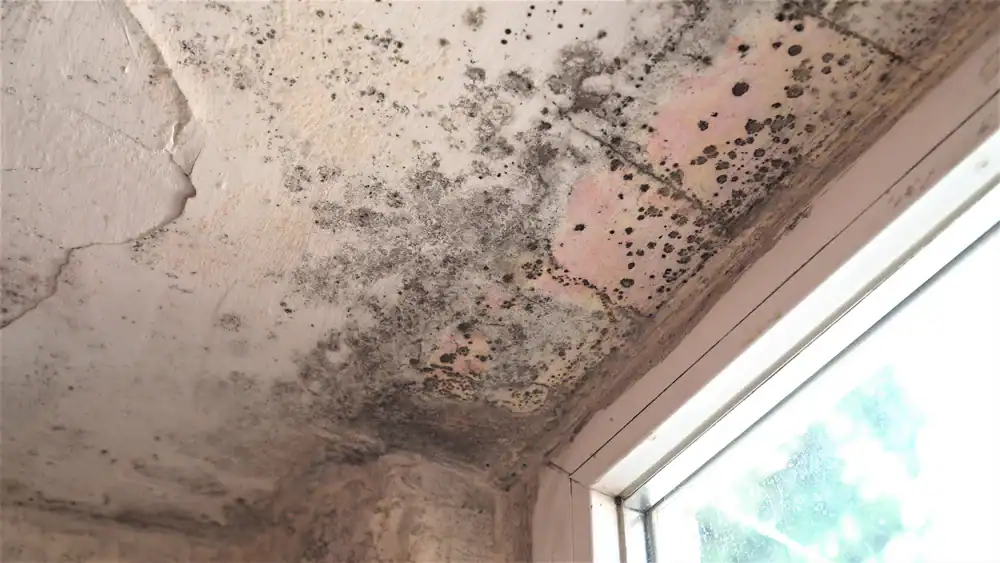
You shouldn’t have to wonder if the air in your home is making you sick. That musty smell in the basement, the allergies that won’t quit, the dark spots creeping up the wall—those aren’t things you can ignore and hope they go away.
Mold doesn’t just sit there. It spreads through your HVAC system, into your crawl space, behind drywall you can’t see. It compromises your air quality and your family’s health every day it’s left untreated.
Professional mold removal means you’re not just wiping down surfaces and hoping for the best. It means identifying where the mold is actually growing, eliminating the moisture source feeding it, removing contaminated materials safely, and treating the area so it doesn’t come back. You get your home back without the constant worry that you’re breathing in something harmful.
We’ve been handling mold problems in North Carolina for over 30 years. We’ve seen what happens when moisture gets into crawl spaces in this region—how quickly it turns into a mold issue, how it affects the air you breathe upstairs, and what it takes to actually fix it.
Osceola’s humidity and older home construction create the perfect conditions for mold growth, especially in areas homeowners rarely check. We know where to look and how to treat it properly the first time.
We’re not the cheapest option, and that’s intentional. You’re paying for equipment that removes mold at the source, technicians who understand moisture control, and a process that prevents the problem from coming back in six months.
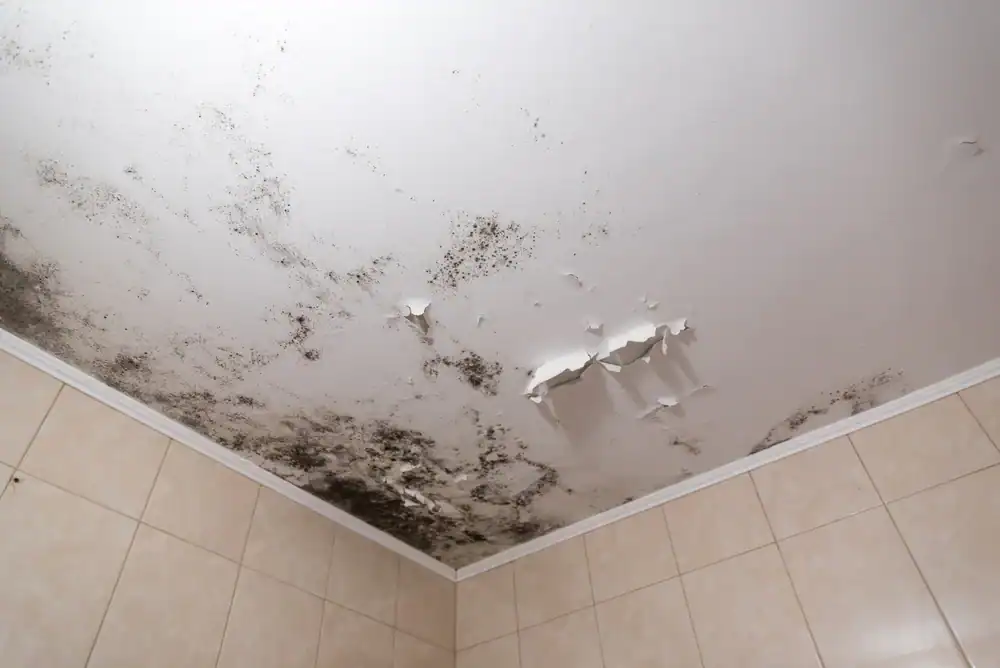
We start with an inspection to find where the mold is actually growing—not just where you can see it. Mold often hides in crawl spaces, behind walls, and inside ductwork. We check moisture levels and identify what’s feeding the problem.
Next, we contain the affected area to prevent mold spores from spreading to clean parts of your home during removal. We use negative air pressure and physical barriers because disturbing mold without containment makes the problem worse.
Then we remove the mold using HEPA filtration equipment and antimicrobial treatments. If materials like drywall or insulation are too contaminated, we remove and dispose of them properly. We don’t just clean the surface—we eliminate the contamination.
Finally, we address the moisture source. That might mean improving ventilation, fixing a leak, or encapsulating your crawl space. Without controlling moisture, mold will return no matter how well we clean.
Ready to get started?
You get a full assessment of where mold is growing and why. We don’t guess—we test moisture levels and inspect areas where mold commonly develops in Osceola homes, particularly crawl spaces and HVAC systems.
Our mold removal process includes containment, HEPA air filtration, antimicrobial treatment, and removal of contaminated materials when necessary. We handle black mold, surface mold, and hidden growth behind walls or under flooring.
We also address prevention. Many Osceola homes have crawl space moisture issues due to ground water and humidity. We offer crawl space encapsulation and dehumidification solutions that keep mold from returning. Your HVAC ducts get cleaned to remove mold spores that have spread through your ventilation system.
The goal isn’t just removing what’s there now. It’s making sure you don’t have the same problem again next year.
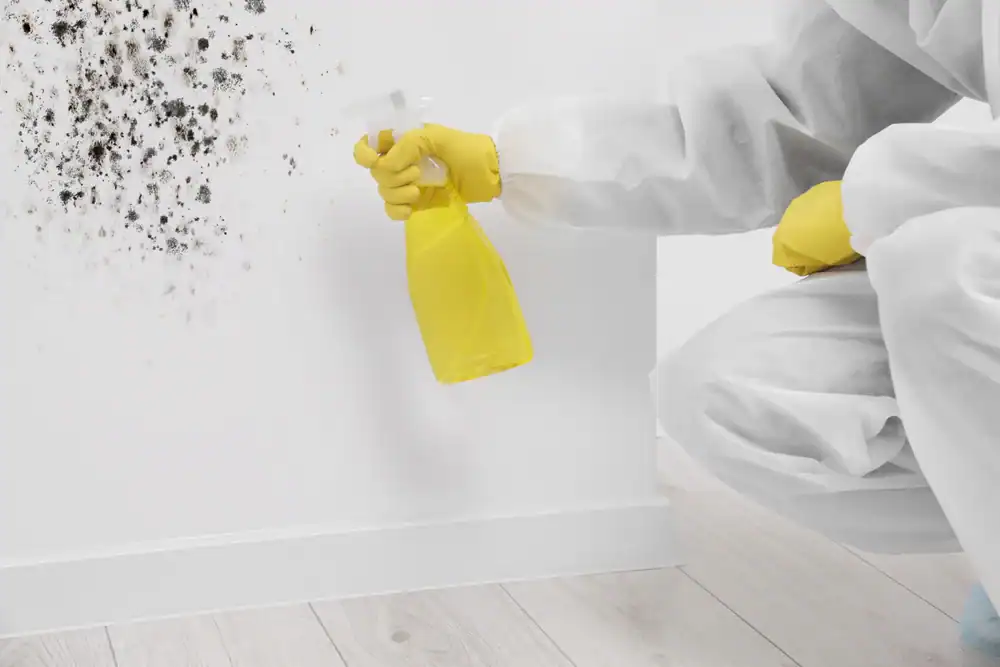
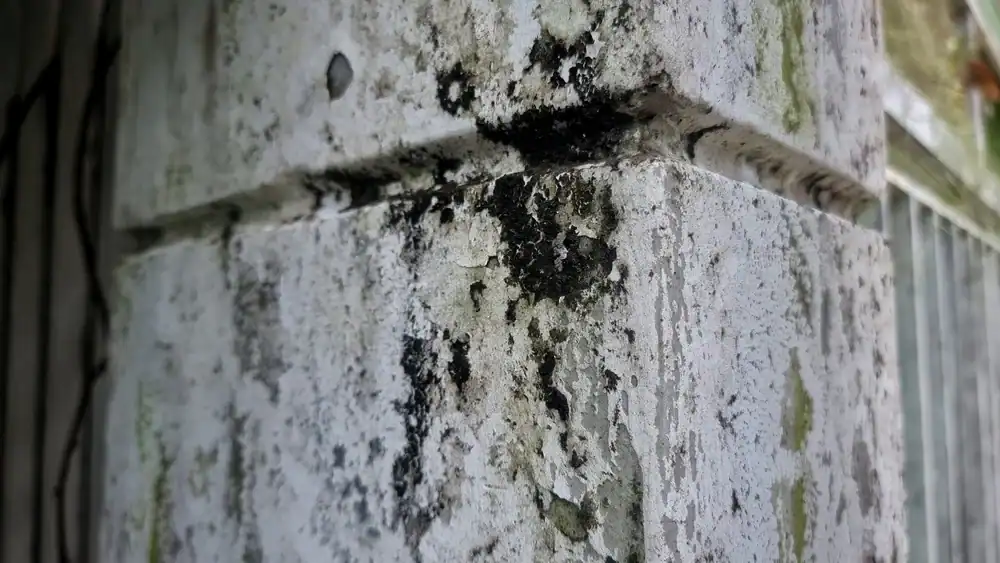
Mold has a distinct musty smell that doesn’t go away with regular cleaning. It often appears as black, green, or white patches that spread over time, especially in damp areas.
If you’re seeing discoloration on walls, ceilings, or around windows that keeps coming back after you clean it, that’s usually mold. Normal dirt doesn’t regrow. Mold does.
You might also notice increased allergy symptoms, respiratory issues, or a persistent cough that gets better when you leave the house. Those are signs that mold spores are affecting your indoor air quality. A professional mold inspection can confirm what you’re dealing with and how extensive the problem is.
Small surface mold on non-porous materials like tile can sometimes be cleaned with proper precautions. But if the mold covers more than a few square feet, is on porous materials like drywall or wood, or keeps coming back, you need professional mold remediation.
Here’s why: disturbing mold releases thousands of spores into the air. Without proper containment and HEPA filtration, you’re spreading the problem throughout your home. You’re also not addressing the moisture source, which means the mold will return.
Professional mold abatement includes containment, proper removal techniques, antimicrobial treatment, and moisture control. We have the equipment to remove mold safely without contaminating clean areas of your home. If you’re dealing with black mold or mold in your HVAC system or crawl space, professional removal isn’t optional—it’s necessary for your health and your home’s structural integrity.
Most residential mold removal projects take between two to five days, depending on the extent of contamination and how many areas are affected. A single room with surface mold might be completed in a day or two. Whole-house contamination or extensive crawl space mold can take a week or more.
The timeline includes inspection, containment setup, mold removal, antimicrobial treatment, and verification that the mold is gone. If we need to remove drywall, insulation, or flooring, that adds time.
We don’t rush the process because cutting corners means mold comes back. You’ll know the timeline upfront after the initial inspection. We work efficiently, but thoroughness matters more than speed when you’re dealing with something that affects your family’s health.
Osceola’s humidity combined with older home construction creates ideal conditions for mold growth. Crawl spaces are the biggest culprit—they’re often unsealed, allowing ground moisture to evaporate into the space and create humidity levels above 60%, which is where mold thrives.
Poor ventilation in bathrooms and kitchens traps moisture inside. Roof leaks, plumbing issues, and foundation cracks let water in. Your HVAC system can spread mold spores throughout the house if ducts aren’t properly maintained.
Many homes in this area were built before modern moisture barriers and ventilation standards. That means crawl spaces, attics, and wall cavities are more susceptible to moisture problems. Once mold establishes itself, North Carolina’s climate helps it spread quickly. Controlling moisture through encapsulation, dehumidification, and proper ventilation is the only way to prevent recurring mold issues.
It depends on what caused the mold. If mold resulted from a covered event like a burst pipe or storm damage, your insurance may cover remediation costs. If mold developed due to long-term neglect, poor maintenance, or ongoing moisture issues, most policies won’t cover it.
Insurance companies typically won’t pay for mold caused by humidity, condensation, or slow leaks that weren’t addressed promptly. They consider that a maintenance issue, not a sudden accident.
Your best approach is to document everything, take photos, and contact your insurance company as soon as you discover mold. Get the mold inspection report and remediation estimate in writing. Some policies have specific mold coverage limits—often between $5,000 and $10,000—even when the cause is covered. We can work with your insurance adjuster and provide the documentation they need to process your claim.
Mold prevention is about moisture control. We identify and fix the source of moisture feeding the mold growth—whether that’s a leak, poor ventilation, high humidity, or groundwater intrusion.
For crawl spaces, we recommend encapsulation, which seals the space with a vapor barrier and often includes a dehumidifier to maintain humidity below 50%. For HVAC systems, regular duct cleaning and proper maintenance prevent mold spores from circulating. In bathrooms and kitchens, improving ventilation and fixing leaks stops moisture buildup.
We also apply antimicrobial treatments to surfaces after mold removal to inhibit future growth. But treatment alone won’t work if the moisture problem isn’t solved. You’ll get specific recommendations based on what’s causing moisture in your home. Following those recommendations is what keeps mold from returning.