
Contact Info
- Greensboro, NC 27406
- Call: 336-707-0498
- Text: 336-707-0498
-
Mon - Fri: 8am - 4pm
Sat - Sun: Closed
Contact Info
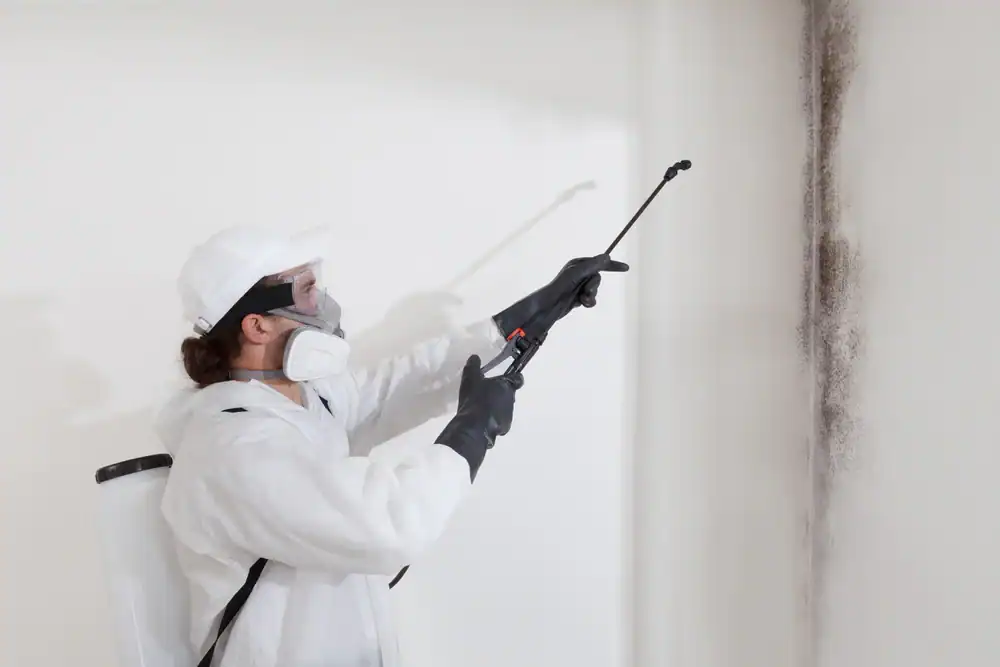
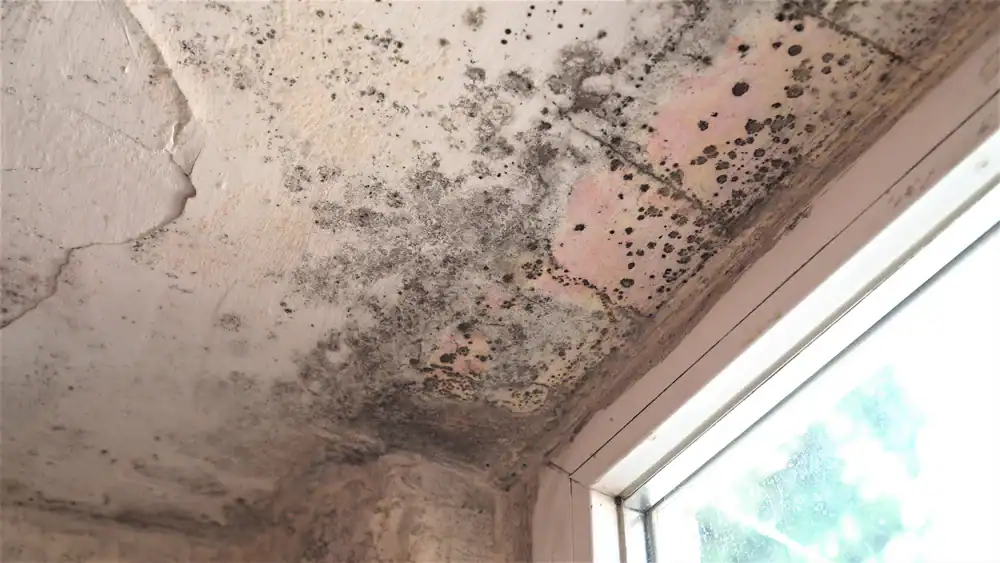
You’ve probably already tried bleach. Maybe you scrubbed that spot in the bathroom or wiped down the basement walls. But here’s what most people don’t realize: surface cleaning doesn’t kill mold spores. It just hides them temporarily while they keep spreading behind your walls, under your floors, and through your air ducts.
Mold grows fast in North Carolina’s humidity. Pfafftown averages over 70% relative humidity most of the year, which means your home is basically a greenhouse for mold. Once it starts, it can spread throughout your house in a matter of weeks.
Professional mold remediation removes the spores you can’t see. That means no more musty smell when you walk in the door. No more wondering if that cough is allergies or something worse. No more avoiding certain rooms because the air feels heavy. You get your space back, and your family gets clean air that doesn’t trigger symptoms every time they’re home.
We’ve been removing mold from homes in Pfafftown and the greater Greensboro area for over 30 years. We’re not a franchise that showed up last year. We’ve been here through every flood, every humid summer, and every crawl space disaster this area throws at homeowners.
We know what black mold looks like in a Pfafftown crawl space in July. We know how fast it spreads after the kind of heavy rain this region gets in spring. And we know that most homeowners don’t call until they’re dealing with health symptoms or a failed home inspection.
Our team uses the same equipment and protocols that insurance companies require for coverage. That’s not an accident. It’s because proper mold removal requires more than a spray bottle and good intentions.
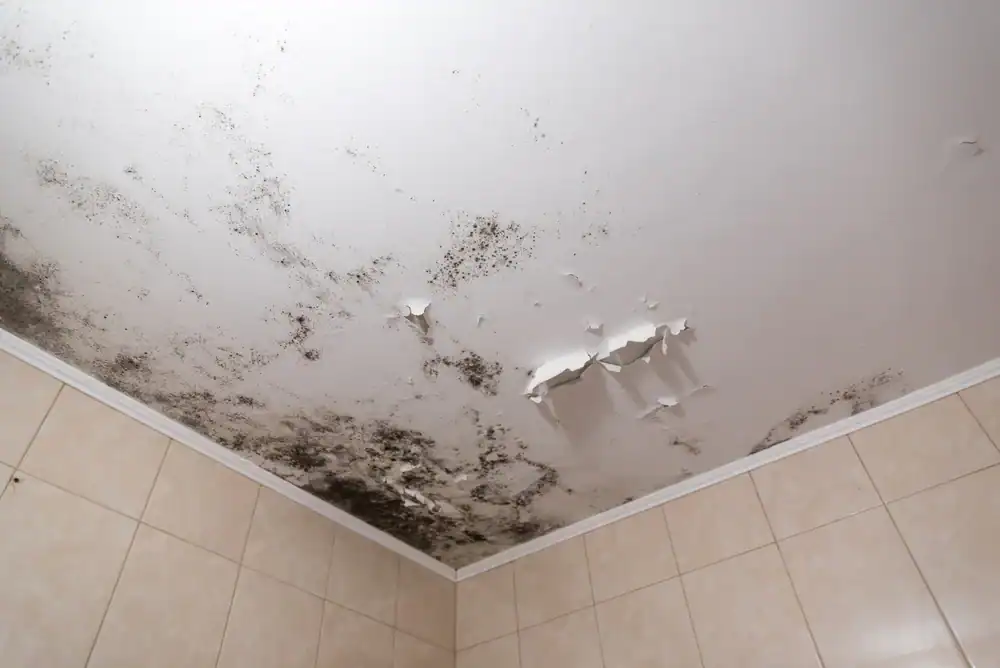
First, we inspect the areas where you’ve seen mold and the places you haven’t checked yet. Mold hides in crawl spaces, behind walls, inside ductwork, and under flooring. We use moisture meters and infrared cameras to find where water is feeding the problem, because killing visible mold without stopping the moisture source is pointless.
Next, we contain the area so spores don’t spread to clean parts of your home during removal. We set up negative air pressure and physical barriers. Then we remove contaminated materials that can’t be saved and treat surfaces that can. This isn’t a scrub-and-spray job. We’re using HEPA filtration, antimicrobial treatments, and proper disposal methods.
Finally, we address the moisture problem. Maybe that’s sealing your crawl space, fixing drainage issues, or improving ventilation. Mold comes back if the conditions that caused it are still there. We don’t just remove what’s growing today. We help you prevent what would grow tomorrow.
Ready to get started?
You’re getting a full inspection that identifies all the mold in your home, not just the spot you called about. You’re getting containment that protects the rest of your house during the removal process. You’re getting HEPA air scrubbers that filter spores out of the air while we work. And you’re getting proper removal and disposal of contaminated materials according to North Carolina regulations.
You’re also getting the moisture fix. In Pfafftown, that usually means crawl space work. Most homes here were built with vented crawl spaces that pull in humid outdoor air all summer long. That’s why so many basements and crawl spaces in this area have mold problems. Sealing and encapsulating those spaces cuts off the moisture supply that mold needs to grow.
Here’s what matters: studies show that proper mold remediation reduces asthma symptoms by 25% to 45%. You’re not just paying for cleaner walls. You’re paying for fewer doctor visits, better sleep, and a home that doesn’t make your kids cough. Over 90% of mold remediation services get covered by homeowners insurance when the work is done by certified professionals. That’s worth knowing before you try to handle this yourself.
Most mold removal projects in Pfafftown run between $1,500 and $6,000 depending on how much mold you have and where it’s growing. A small bathroom issue costs less than a whole crawl space full of contamination. The size of the affected area matters more than anything else.
Here’s what drives the price up: if mold has gotten into your HVAC system, that requires duct cleaning and sometimes replacement. If it’s damaged structural materials like floor joists or wall studs, those need to be removed and rebuilt. If the source is a plumbing leak or foundation crack, that repair is separate from the mold work itself.
Most homeowners insurance policies cover mold remediation if the mold resulted from a covered event like a burst pipe. They usually won’t cover it if the mold grew because of long-term neglect or humidity issues you didn’t address. Check your policy or call your agent before you assume you’re paying out of pocket.
You can try, but you’ll probably make it worse. Here’s why: mold releases spores when you disturb it. If you start scrubbing or tearing out materials without proper containment, you’re sending millions of spores into the air. Those spores land in clean areas of your home and start new colonies wherever they find moisture.
Bleach doesn’t work the way most people think it does. It kills surface mold on non-porous materials like tile, but it doesn’t penetrate porous surfaces like drywall or wood. The mold looks gone for a few weeks, then comes back because the roots were never killed. Consumer products aren’t strong enough to do what professional antimicrobials do.
The bigger issue is finding all of it. Most people only treat the mold they can see. But if you have visible mold in one area, you probably have hidden mold somewhere else. We use moisture meters and inspection tools to find the mold you’re missing. DIY mold removal usually turns into professional mold removal after the first attempt fails. You’re better off doing it right the first time.
Most residential mold removal jobs in Pfafftown take two to five days depending on the size and complexity. A single-room project might be done in a day or two. A whole-house situation with crawl space work and HVAC cleaning can take a week.
Day one is usually inspection and containment setup. We identify all the mold, set up barriers and air scrubbers, and prepare the work area. Days two and three are removal and treatment. We take out damaged materials, treat salvageable surfaces, and clean the air. The final days are moisture correction and verification testing to make sure spore counts are back to normal levels.
You can usually stay in your home during the work if the mold is contained to one area. If it’s throughout the house or in your HVAC system, you might want to stay elsewhere for a few days. We’ll tell you upfront if that’s necessary. The timeline also depends on how long materials take to dry after we fix the moisture problem. Rushing that part just invites mold to come back.
Mold removal is getting rid of the mold you can see right now. Mold remediation is fixing the entire problem so it doesn’t come back. Removal is a step in remediation, but it’s not the whole job.
Remediation includes finding all the mold in your home, not just the obvious spots. It includes identifying and fixing the moisture source that’s feeding the mold growth. It includes containment so spores don’t spread during the work. And it includes verification testing afterward to confirm that spore levels are back to safe levels.
Anyone can spray mold with bleach and call it removal. Remediation requires understanding building science, moisture dynamics, and proper containment protocols. That’s why insurance companies and real estate transactions require certified mold remediation, not just removal. They want proof that the problem was actually solved, not just temporarily hidden.
You can’t tell by looking at it. Black mold (Stachybotrys chartarum) isn’t always black, and plenty of harmless molds are black in color. The only way to know for sure is laboratory testing, but here’s the thing: it doesn’t really matter for remediation purposes.
All mold is bad for your indoor air quality. All mold can trigger allergies, asthma, and respiratory problems if you’re breathing it every day. The removal process is the same whether it’s black mold or any other species. You still need to contain it, remove it, fix the moisture source, and verify that it’s gone.
Black mold gets more attention because it can produce mycotoxins under certain conditions, but any mold growing in your home is a problem worth fixing. If you’re seeing mold growth, smelling musty odors, or experiencing health symptoms that get better when you leave the house, you need professional remediation. Don’t waste time trying to identify the species. Focus on getting it out of your home.
Not if the moisture problem gets fixed. Mold needs three things to grow: moisture, food (organic materials like wood or drywall), and the right temperature. Your home will always have the food and temperature. The only variable you can control is moisture.
If we remove all the mold but don’t fix the leaky crawl space, inadequate ventilation, or plumbing issue that caused it, yes, it will come back. That’s why legitimate mold remediation always includes moisture correction. We’re not just treating symptoms. We’re eliminating the cause.
After proper remediation with moisture control, mold shouldn’t return to the same areas. You might get new mold growth somewhere else if you have a different water problem later, but the areas we treated should stay clean. We can also set you up with humidity monitoring and maintenance plans if you want ongoing protection. Most people just need the initial fix and then normal home maintenance to keep moisture under control.