

Contact Info
- Greensboro, NC 27406
- Call: 336-707-0498
- Text: 336-707-0498
-
Mon - Fri: 8am - 4pm
Sat - Sun: Closed
Contact Info
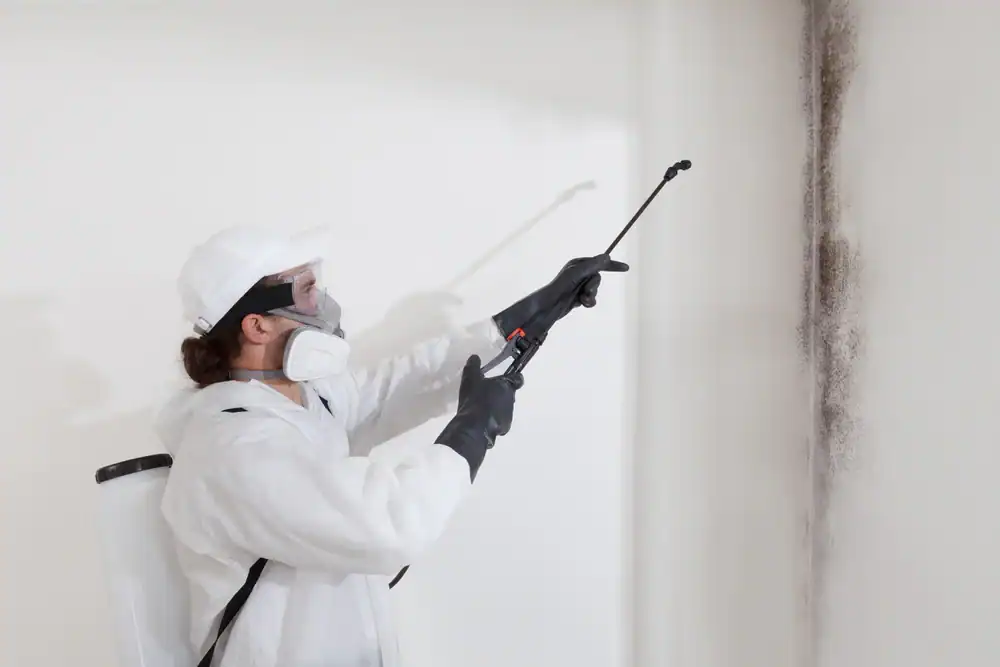
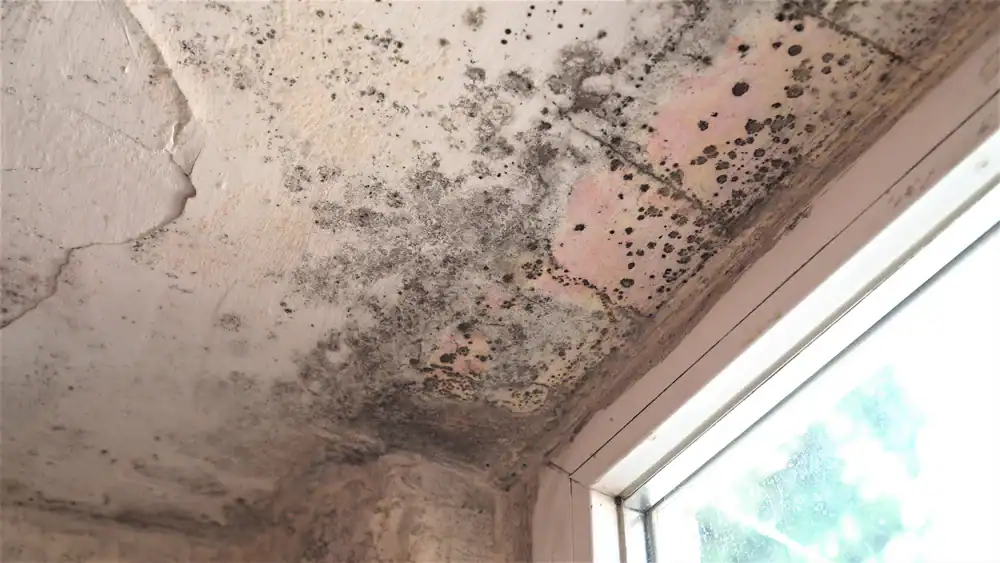
You’re dealing with more than just visible mold on your walls or that musty smell in your crawl space. You’re worried about what you can’t see—the spores spreading through your HVAC system, the potential health effects on your kids, the hit your home value could take if this gets worse.
Rural Hall’s humidity creates perfect conditions for mold growth. Our climate averages over 70% relative humidity, which means moisture problems don’t just go away on their own. They get worse.
Professional mold removal means you’re not just cleaning what you can see. You’re eliminating the source, controlling the moisture that caused it, and preventing it from coming back. That means fewer allergy symptoms, no more worrying about what’s growing behind your walls, and protection for your biggest investment.
We’ve been handling mold issues in the Greensboro area for over 30 years. We’ve seen every type of mold problem North Carolina homes face—from flooded crawl spaces to attic condensation to HVAC systems spreading spores throughout entire houses.
We’re not a national franchise with a call center. We’re local professionals who understand how Rural Hall’s climate, soil conditions, and construction styles create specific mold challenges. We know which crawl spaces flood during heavy rain, which neighborhoods have drainage issues, and how quickly black mold can develop in our humid summers.
You’re getting technicians who’ve done this thousands of times, not someone reading from a script.
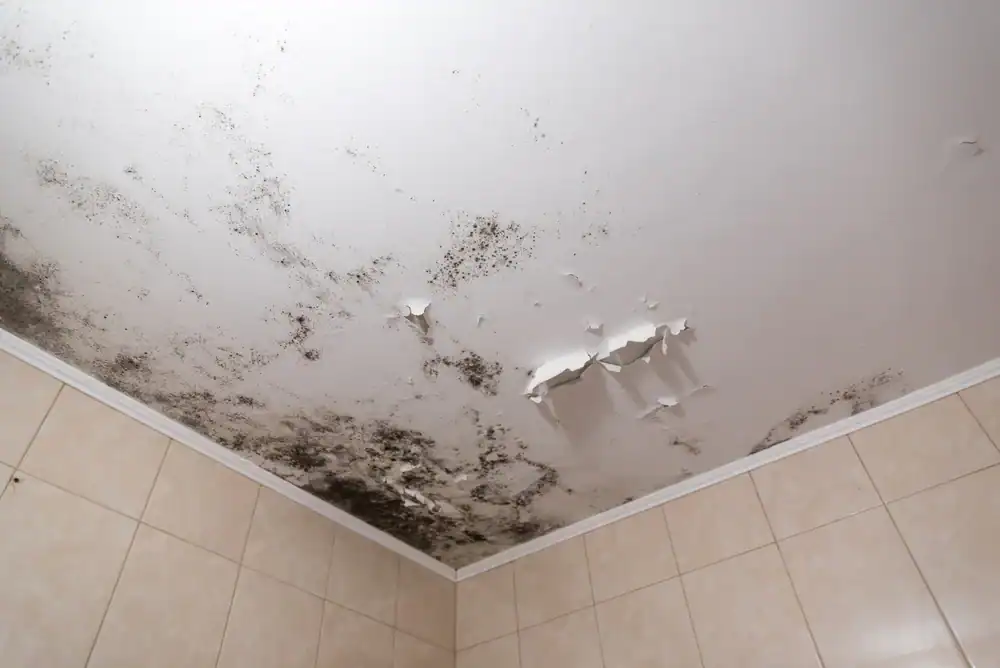
First, we inspect the entire affected area to find all the mold—not just what’s visible. We check crawl spaces, attics, behind walls, and inside HVAC systems. Mold spreads, so we need to know the full scope before we start removing anything.
Next, we contain the area to prevent spores from spreading during removal. We use negative air pressure and physical barriers to keep contamination isolated. Then we remove all mold-damaged materials that can’t be salvaged and clean everything that can be saved using HEPA filtration and antimicrobial treatments.
The most important step comes last: we identify and fix the moisture problem that caused the mold. Without controlling humidity and water intrusion, mold will just come back. That might mean crawl space encapsulation, improving ventilation, fixing drainage issues, or sealing air leaks. We address the root cause, not just the symptoms.
Ready to get started?
You’re getting a full assessment of where mold is growing and why. We test moisture levels, check for hidden water damage, and identify all contaminated areas. You’ll know exactly what you’re dealing with before any work starts.
The removal process includes containment, HEPA air filtration during work, removal of contaminated materials, antimicrobial treatment of affected surfaces, and thorough cleaning of the entire area. We also clean or replace HVAC filters and ductwork if mold has spread through your system.
Rural Hall homes face specific challenges. Many houses here have crawl spaces that trap moisture, especially during our humid summers and after the heavy rains we’ve been seeing more frequently. We address these local conditions with solutions like vapor barriers, dehumidification, and proper ventilation—not generic fixes that don’t account for North Carolina’s climate.
You’ll also get recommendations for preventing future mold growth. That might include crawl space encapsulation, improved drainage around your foundation, or HVAC upgrades to control indoor humidity. The goal is solving this once, not having you call us back next year.
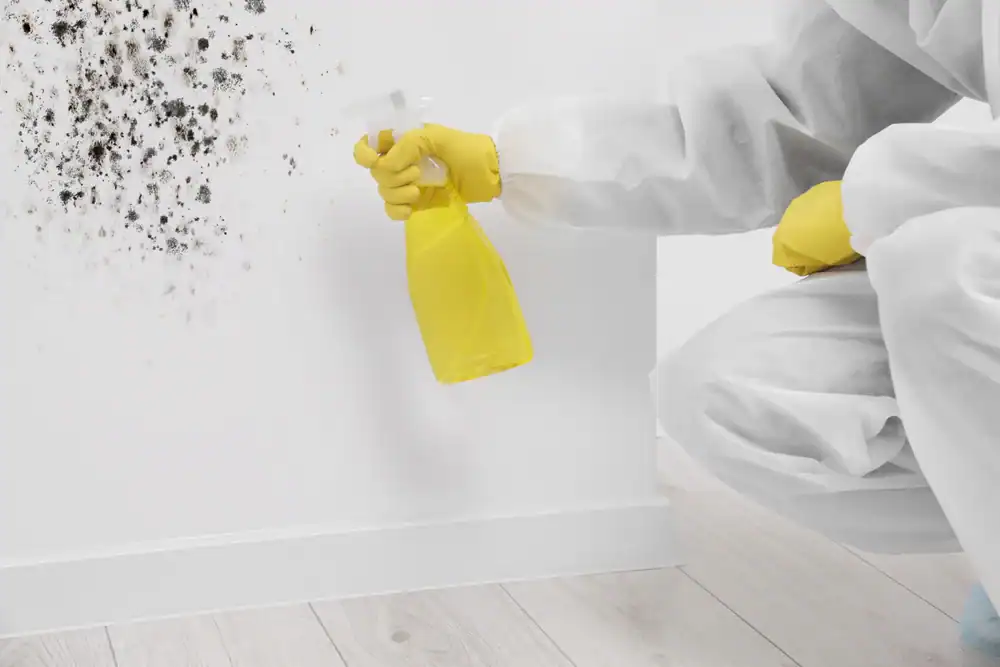
Mold can start growing within 24 to 48 hours after water exposure. That’s why you can’t wait to “see if it dries out” after a leak, flood, or humidity problem.
In Rural Hall’s climate, that timeline can be even shorter during summer months when humidity is already high. Your walls, floors, and crawl space don’t need standing water for mold to develop—just enough moisture and warm temperatures.
If you’ve had any water intrusion, you need to act fast. Even if you don’t see visible mold yet, spores are likely already growing in hidden areas like inside walls, under flooring, or in insulation. The longer you wait, the more extensive the damage becomes and the more expensive remediation gets.
Small surface mold on non-porous materials like tile might be manageable on your own. Anything larger than about 10 square feet, or any mold in your HVAC system, crawl space, or inside walls requires professional mold remediation.
Here’s why: disturbing mold releases thousands of spores into the air. Without proper containment and filtration, you’re spreading the problem throughout your house. You’re also exposing yourself to potentially dangerous levels of mold spores, which can cause serious respiratory issues.
Black mold removal specifically requires protective equipment, containment protocols, and specialized cleaning methods. You also need to identify and fix the moisture source, or the mold will just return. Most homeowners don’t have the equipment or training to do this safely and effectively. Professional remediation costs money upfront but prevents bigger problems and health issues down the road.
Most mold remediation projects in Rural Hall run between $1,500 and $4,000, depending on the size of the affected area and how extensive the damage is. Small, contained areas cost less. Whole-house contamination or severe crawl space mold can run higher.
The cost depends on several factors: how much mold is present, what materials are contaminated, whether you need structural repairs, and what moisture control solutions are necessary to prevent regrowth. Crawl space encapsulation, for example, adds to the initial cost but prevents recurring mold problems.
Here’s what matters more than the initial price: doing it right the first time. Cheap mold removal that doesn’t address the moisture source means you’ll be paying for remediation again in a year or two. You’re also risking your home’s value—visible mold can reduce resale value by tens of thousands of dollars. Proper remediation protects your investment and your family’s health.
Mold exposure causes respiratory issues, allergic reactions, chronic sinus infections, and asthma attacks. If you or your family members have been experiencing unexplained coughing, wheezing, itchy eyes, or persistent congestion, mold could be the cause.
Some people are more sensitive than others. Children, elderly family members, and anyone with existing respiratory conditions or weakened immune systems face higher risks. Even if you’re not noticing symptoms yet, long-term exposure to mold spores can lead to chronic health problems.
Black mold specifically produces mycotoxins that can cause more severe reactions, including headaches, fatigue, and difficulty concentrating. The longer you’re exposed, the worse symptoms typically become. Professional mold removal eliminates the source of these health issues and improves your indoor air quality immediately.
Mold prevention comes down to moisture control. No matter how thoroughly we remove existing mold, it will return if the conditions that caused it aren’t fixed.
For most Rural Hall homes, that means addressing crawl space moisture, improving ventilation, and controlling indoor humidity levels. We often recommend crawl space encapsulation with vapor barriers and dehumidification systems. We also look at drainage around your foundation, roof leaks, plumbing issues, and HVAC performance.
North Carolina’s humidity makes prevention especially important here. You need to keep indoor humidity below 60%—ideally between 30% and 50%. That might require a whole-house dehumidifier, better ventilation in bathrooms and kitchens, or sealing air leaks that let humid outdoor air inside. We’ll give you specific recommendations based on what’s causing moisture problems in your home.
It depends on what caused the mold. Most homeowners insurance policies cover mold remediation if the mold resulted from a “covered peril” like a burst pipe or storm damage. They typically don’t cover mold from long-term maintenance issues like slow leaks or poor ventilation.
You’ll need to check your specific policy. Some policies have mold coverage caps—often around $10,000—regardless of the actual remediation cost. Some exclude mold coverage entirely unless you’ve purchased additional endorsements.
The key is acting quickly after any water damage. Insurance companies expect you to mitigate damage promptly. If you wait and let mold develop, they may deny your claim. Document everything, take photos, and contact your insurance company as soon as you discover water damage or mold growth. We can work directly with your insurance adjuster and provide the documentation they need for your claim.