

Contact Info
- Greensboro, NC 27406
- Call: 336-707-0498
- Text: 336-707-0498
-
Mon - Fri: 8am - 4pm
Sat - Sun: Closed
Contact Info
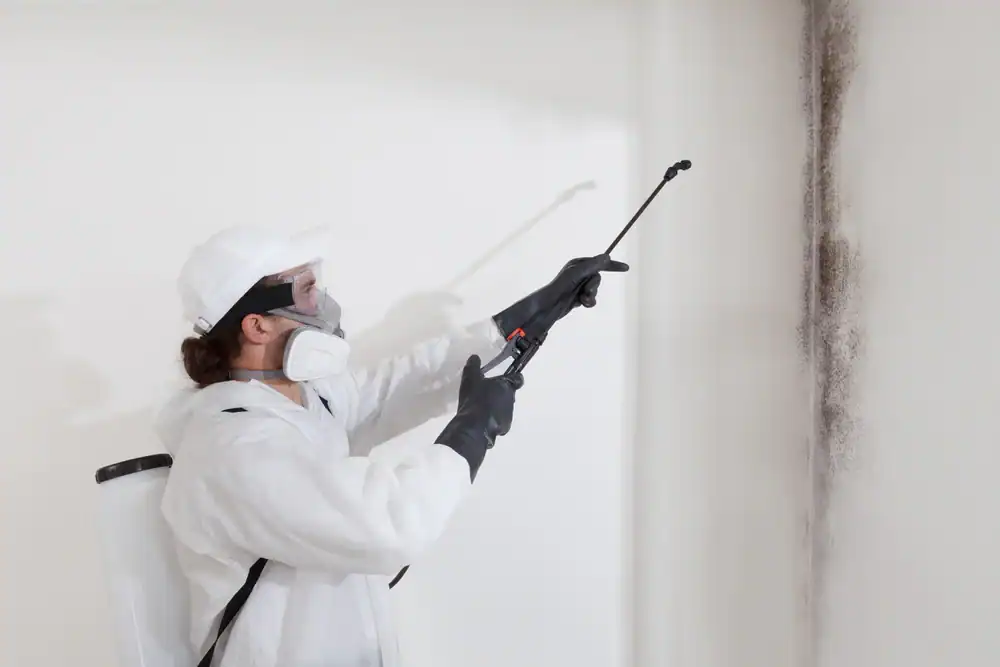
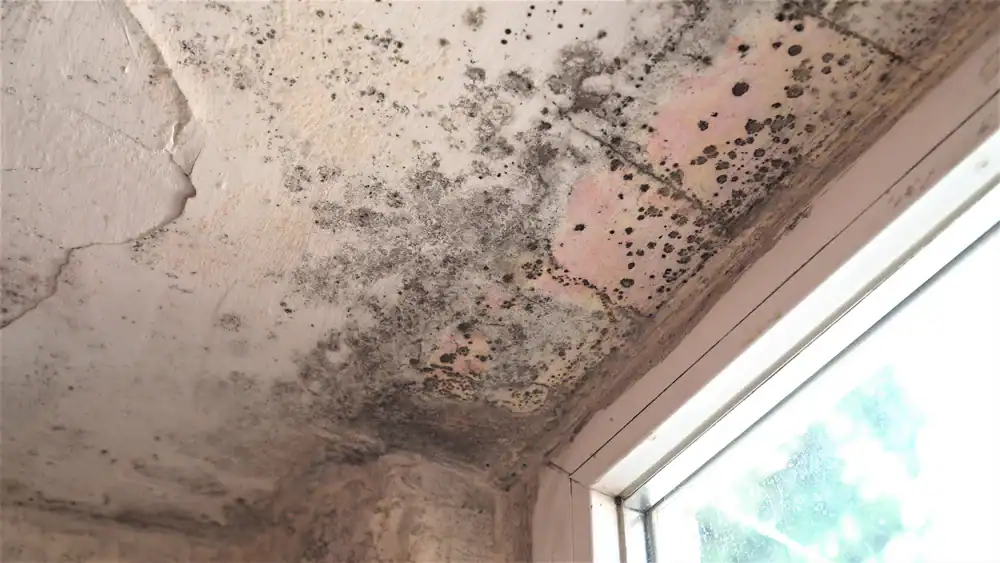
You shouldn’t have to wonder if the air in your home is making your family sick. Or if that musty smell means something worse is growing behind the walls. Mold doesn’t just look bad—it affects how you feel, how you sleep, and whether your kids’ allergies ever actually get better.
Professional mold removal means more than scrubbing visible spots. It’s about finding where moisture gets in, why it keeps coming back, and fixing the problem at the source. That’s what stops the cycle.
When the job’s done right, you’re not masking odors or repainting over stains. You’re removing contaminated materials, treating affected areas with the right products, and controlling humidity so mold doesn’t return. The difference shows up in how your home feels—and how your family feels in it.
We’ve been handling mold problems in the Greensboro area for over 30 years. We’ve seen what works and what doesn’t, especially in North Carolina’s climate where humidity doesn’t quit and crawl spaces stay damp most of the year.
Scalesville homes deal with the same challenges—older construction, poor ventilation, and weather that creates perfect conditions for mold growth. We’ve worked in hundreds of local properties, from ranch homes with wet basements to newer builds with HVAC issues that nobody caught during inspection.
We’re not a national franchise. We’re local, we know the area, and we’ve built our reputation by doing thorough work that actually lasts.
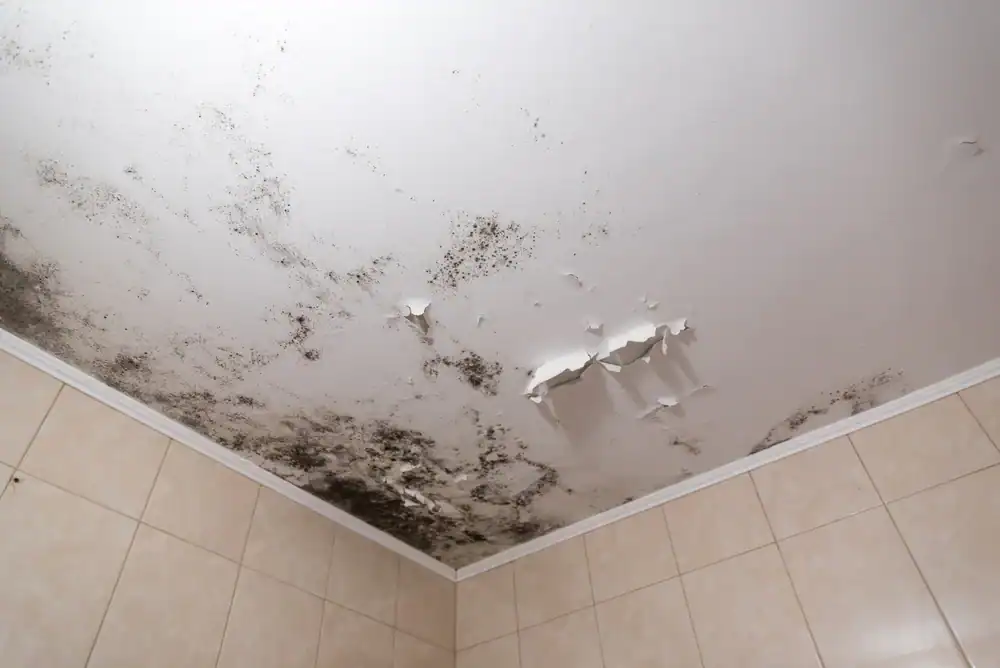
First, we inspect the property to find all the mold—not just what you can see. We use moisture meters and infrared cameras to check inside walls, under floors, and in crawl spaces where problems usually start. You get a clear assessment of what’s growing, where it’s growing, and why.
Next, we contain the area to keep mold spores from spreading to clean parts of your home. Then we remove contaminated materials—drywall, insulation, anything that can’t be saved. What can be treated gets cleaned with professional-grade solutions that kill mold at the root.
After removal, we address the moisture problem. That might mean fixing a leak, improving ventilation, or encapsulating your crawl space to control humidity. Without this step, mold comes back. We also test the air quality before we leave, so you know the job’s complete.
Ready to get started?
Every mold job is different, but the process stays consistent. You get a full inspection with moisture mapping, containment to protect unaffected areas, removal of all contaminated materials, and treatment of surfaces that can be saved. We also clean your HVAC system if mold has spread through the ducts—which happens more often than most people realize.
In Scalesville and the surrounding area, crawl space mold is one of the biggest issues we see. North Carolina’s humidity keeps these spaces damp, and most homeowners don’t check them until there’s a smell or a problem with the floors above. We handle crawl space encapsulation as part of the remediation process, sealing off moisture and preventing future growth.
You also get a clear explanation of what caused the problem and what you can do to prevent it. We’re not trying to sell you services you don’t need, but if your gutters are dumping water next to your foundation or your bathroom fan vents into the attic, those things matter. Fixing them keeps mold from coming back.
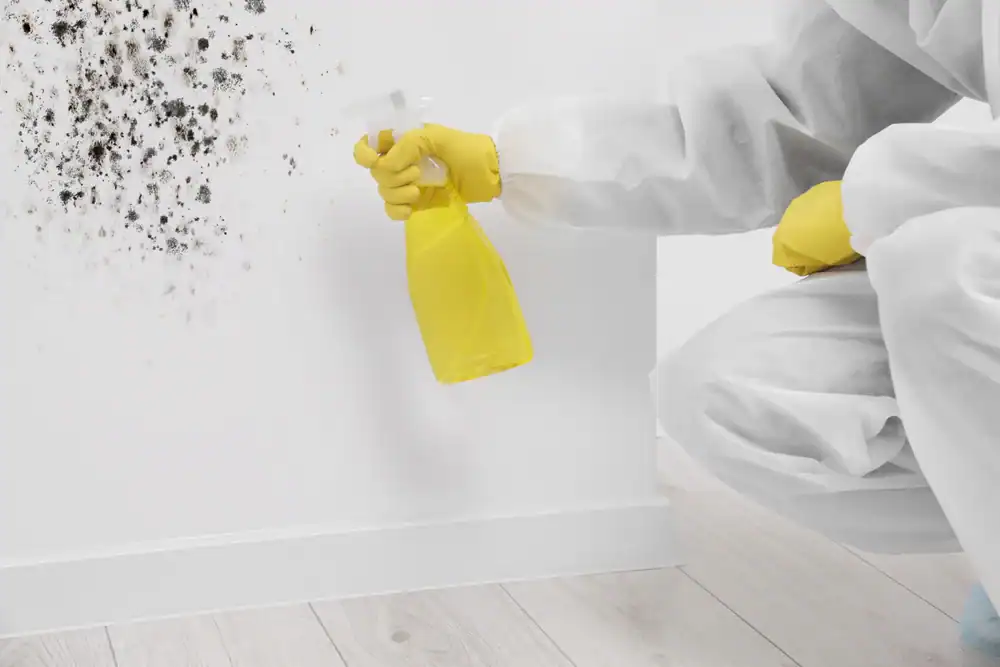
If you can see mold, smell mold, or you’ve had water damage in the last year, you probably need professional help. Small spots on bathroom tile are one thing—you can clean those yourself. But if mold is growing on drywall, wood, insulation, or inside your HVAC system, it’s beyond a DIY fix.
Mold spreads fast once it starts, especially in humid climates like ours. If you’ve tried cleaning it and it keeps coming back, that’s a sign the problem is deeper than the surface. Same goes if you’re dealing with health symptoms that get worse at home—persistent coughing, headaches, or allergy symptoms that don’t improve when you leave the house.
Professional removal means finding all the mold, not just what’s visible, and eliminating the moisture source so it doesn’t return. If you’re not sure, we can do an inspection and give you an honest assessment. Sometimes it’s a small fix. Sometimes it’s bigger. Either way, you’ll know what you’re dealing with.
Most residential mold removal jobs take between two and five days, depending on how much mold there is and where it’s growing. A single bathroom with mold on the walls might take a day or two. A crawl space with widespread contamination and structural damage could take a week.
The timeline depends on a few factors: the size of the affected area, whether we need to remove drywall or insulation, and how long it takes to dry everything out after we’ve treated it. We can’t rush the drying process—if materials aren’t completely dry before we seal things back up, mold will just grow again.
We’ll give you a realistic timeline after the inspection. If you need to stay somewhere else during the work, we’ll let you know upfront. Most of the time, you can stay in the home as long as the mold isn’t in living areas or the HVAC system isn’t spreading spores throughout the house.
It depends on what caused the mold. If it’s from a sudden, accidental event—like a burst pipe or a roof leak during a storm—most policies will cover remediation. If it’s from long-term neglect, like a slow leak you didn’t fix or chronic humidity you ignored, they probably won’t.
Insurance companies want to see that you’ve maintained your home and responded quickly to water damage. That’s why it’s important to document everything and call a professional as soon as you notice a problem. The longer you wait, the harder it is to prove the damage was sudden and accidental.
We can work with your insurance company and provide the documentation they need—photos, moisture readings, a detailed scope of work. We’ve done this hundreds of times. Even if insurance doesn’t cover everything, we’ll give you a clear breakdown of costs so there are no surprises.
Mold removal means getting rid of visible mold. Mold remediation means removing the mold and fixing the conditions that caused it to grow in the first place. Remediation is the more complete approach, and it’s what actually prevents mold from coming back.
You can remove mold from a wall, but if the wall is still getting wet from a leaky pipe or condensation, mold will return in a few weeks. Remediation addresses the moisture problem—whether that’s improving ventilation, fixing leaks, or controlling humidity levels. It’s about solving the root cause, not just treating the symptom.
Most professional mold companies, including us, focus on remediation because removal alone doesn’t work long-term. You’re paying for a service that actually fixes the problem, not just covers it up temporarily. That’s the difference between spending money once and spending it over and over.
Bleach kills surface mold on non-porous materials like tile or glass, but it doesn’t work on porous surfaces like drywall, wood, or insulation. It also doesn’t kill mold roots, so even if the surface looks clean, the mold can grow back. Plus, bleach releases fumes that aren’t great to breathe in enclosed spaces.
If you’re dealing with a small area of mold on a hard surface—like a shower wall—bleach might be fine for a quick cleanup. But if mold is growing on drywall, in your crawl space, or anywhere that stays damp, bleach won’t solve the problem. You need proper removal and moisture control.
There’s also a safety issue. Disturbing mold releases spores into the air, and if you’re not wearing the right protection or containing the area, you’re spreading contamination to other parts of your home. Professional mold remediation uses containment, air filtration, and the right cleaning agents to remove mold without making things worse.
Crawl spaces stay damp because they’re below ground level, poorly ventilated, and exposed to moisture from the soil. If your crawl space isn’t encapsulated, humidity from the ground rises into the space and condenses on cooler surfaces like floor joists and insulation. That’s where mold grows.
Removing the mold without controlling the moisture is like bailing water out of a boat without plugging the leak. It’ll just fill back up. The solution is crawl space encapsulation—sealing the space with a vapor barrier, insulating properly, and often adding a dehumidifier to keep humidity levels below 60 percent.
In North Carolina, where humidity stays high most of the year, encapsulation isn’t optional if you want to prevent mold long-term. We’ve seen crawl spaces with mold problems that come back every summer until the moisture issue gets fixed. Once it’s sealed and controlled, the problem stops.