

Contact Info
- Greensboro, NC 27406
- Call: 336-707-0498
- Text: 336-707-0498
-
Mon - Fri: 8am - 4pm
Sat - Sun: Closed
Contact Info
You stop wondering if that musty smell is dangerous. Your family breathes easier—literally. Kids with asthma aren’t coughing as much at night. You’re not Googling “is black mold deadly” at 2 a.m. anymore.
Here’s what changes: the air in your home feels lighter. You’re not running the HVAC constantly trying to mask the smell. And when you go to sell someday, you won’t be scrambling to hide a problem that an inspector will find in ten minutes.
Mold remediation services aren’t just about scrubbing visible spots. It’s about removing the source, drying out the moisture that caused it, and making sure it doesn’t grow back. That’s the difference between a quick fix and actually solving the problem.
In Stewarts Mill, where humidity regularly tops 70% and your crawl space sits on damp soil, mold isn’t a one-time issue unless you handle it correctly. You need someone who understands how North Carolina homes are built and why your crawl space is basically a petri dish from May through September.
We’ve been handling mold removal and indoor air quality issues in the Greensboro area for over 30 years. We’ve seen every type of mold problem these homes can throw at us—from flooded crawl spaces after summer storms to HVAC systems caked in black mold because the ducts were never sealed right.
We’re local. We know Stewarts Mill sits in a humid pocket where your 2-acre wooded lot looks beautiful but traps moisture like a sponge. We know most homes here have crawl spaces, not basements, and that 77% of North Carolina homes with crawl spaces will deal with mold at some point.
You’re not getting a national franchise that sends different techs every time. You’re getting a team that’s been doing this in your backyard since before Google existed, using equipment that actually works and methods that hold up in this climate.
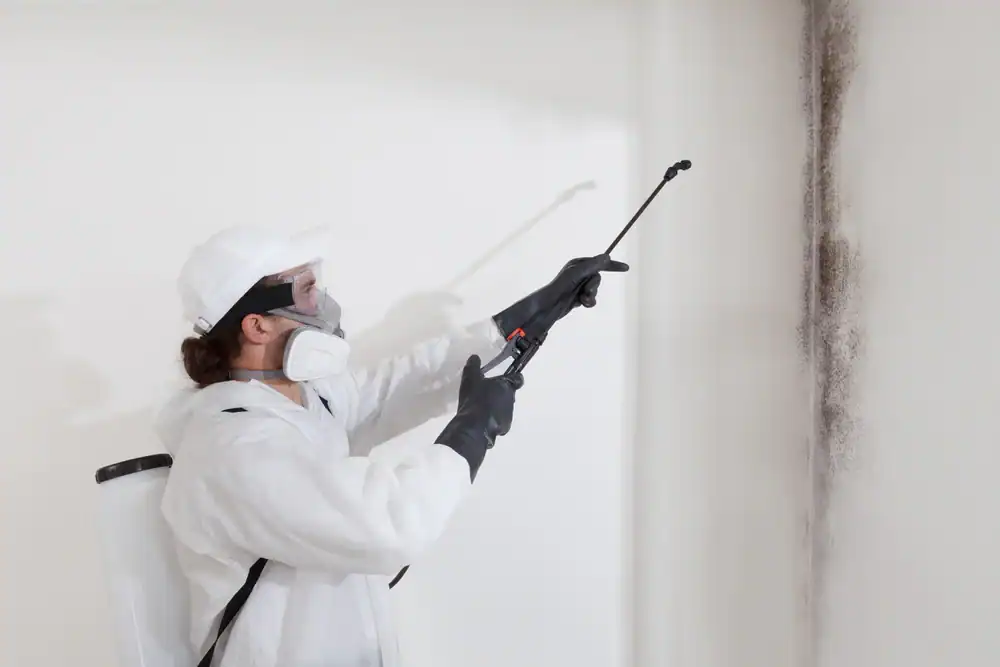
First, we inspect the entire affected area—not just where you see mold, but where it’s likely hiding. Crawl spaces, HVAC ducts, behind walls if there’s been water damage. We’re looking for the moisture source because mold doesn’t grow without it.
Next, we contain the area so spores don’t spread to clean parts of your home during removal. Then we remove the mold using commercial-grade equipment and EPA-approved methods. This isn’t bleach and a scrub brush. We’re pulling out contaminated insulation, cleaning structural wood, and using HEPA filtration to clear the air.
After removal, we dry everything out completely. If your crawl space is the issue, we’ll likely recommend encapsulation—sealing it with a moisture barrier so this doesn’t happen again next summer. If it’s your ducts, we clean the entire system and check for leaks that are pulling in humid air.
Finally, we test to make sure the mold is actually gone and the air quality is back to normal. You’ll know the job is done because the smell is gone, the test results are clean, and you’re not dealing with this again in three months.
Ready to get started?
You get a full inspection with moisture detection technology that finds problems you can’t see. We identify what type of mold you’re dealing with—because yes, it matters. Black mold requires different handling than the stuff growing on your window sills.
We remove all contaminated materials safely. That means pulling out soaked insulation, cleaning or replacing affected ductwork, and treating wood structures that can be saved. Everything gets sealed and disposed of properly so you’re not just moving the problem somewhere else.
In Stewarts Mill, most mold issues trace back to crawl space moisture or HVAC problems. Your home sits on larger lots with more trees, which means more shade, slower drying times, and higher humidity under your house. We handle crawl space encapsulation as part of the remediation—not as an upsell, but because it’s the only way to actually prevent this from happening again.
You also get a clear explanation of what caused it. Was it a plumbing leak? Poor ventilation? Ground moisture seeping up? We’ll tell you exactly what needs to change so you’re not calling us back next year for the same issue.
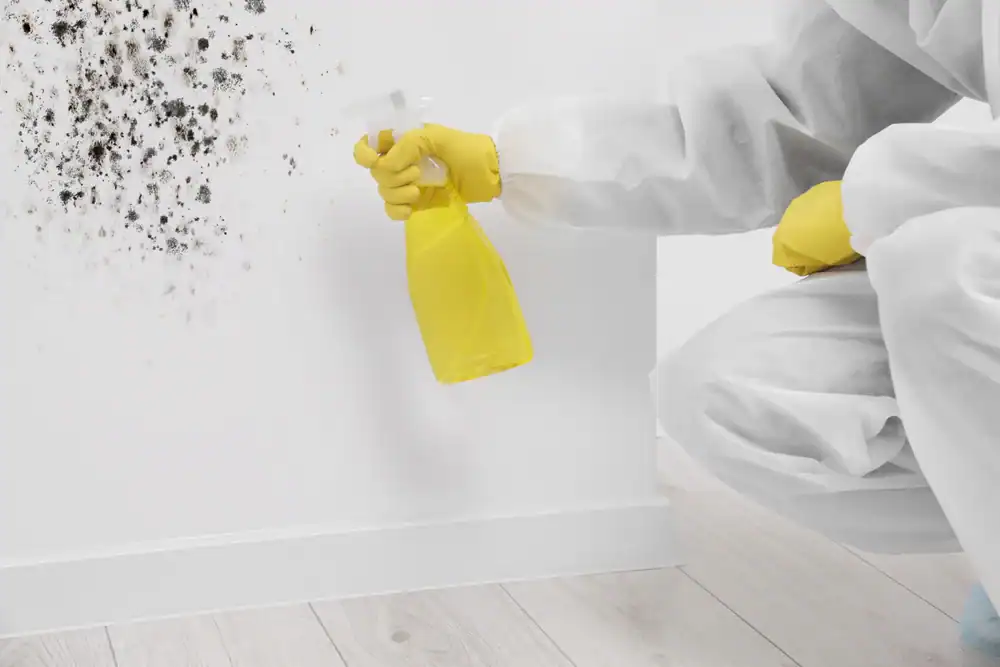
Most mold remediation projects in the Greensboro area run between $1,000 and $5,000, with the average landing around $3,500. The range depends on how much mold you have, where it’s located, and what caused it.
A small patch of mold in a bathroom from a leaky pipe? That’s on the lower end. An entire crawl space filled with mold after a flooding event? You’re looking at the higher end, especially if we need to encapsulate the space to prevent it from coming back.
Cost also depends on what needs to be removed. If your insulation is soaked and moldy, it has to come out. If your HVAC ducts are contaminated, they need a deep cleaning or replacement. We’ll give you an honest assessment upfront—no surprises halfway through the job. And if you’re filing an insurance claim for water damage that caused the mold, we can work with you on documentation.
Most jobs take between one and three days, depending on the size of the affected area and how much moisture is involved. A single-room cleanup might be done in a day. A full crawl space remediation with encapsulation usually takes two to three days.
The timeline also depends on drying time. If your crawl space or basement is still wet, we have to dry it out completely before we can finish. In Greensboro’s humid climate, that can add time—especially in summer when the air itself is holding moisture.
We won’t rush it just to close out the job. Mold grows back if the area isn’t completely dry and properly treated. You’d rather wait an extra day and have it done right than deal with the same problem again in two months. We’ll give you a realistic timeline after the inspection so you know what to expect.
You can handle very small areas—like a little mold on a windowsill or bathroom tile—with soap, water, and some scrubbing. But if you’re seeing mold in your crawl space, on insulation, inside your ducts, or covering more than a few square feet, you need professional mold cleanup.
Here’s why: disturbing mold releases spores into the air. Without proper containment and filtration, you’re spreading it to other parts of your home. Bleach kills surface mold but doesn’t remove it, and it doesn’t address the moisture problem that caused it. You’ll just see it grow back.
Professional remediation means containment, proper removal, HEPA filtration, and addressing the root cause. We’re also trained to handle black mold safely, which can cause serious respiratory issues if you’re exposed during removal. If you’re dealing with mold from a sewage backup or flooding, that’s a biohazard situation—definitely not a DIY project.
Moisture. That’s it. Mold needs water to grow, and Stewarts Mill homes face constant moisture challenges because of North Carolina’s humidity and how homes here are built.
Most homes in this area have crawl spaces that sit directly on damp soil. When humidity outside is above 70%—which it is most of the year—that moisture seeps up into your crawl space. Add in poor ventilation, and you’ve created the perfect environment for mold. It grows on insulation, floor joists, and anything organic it can find.
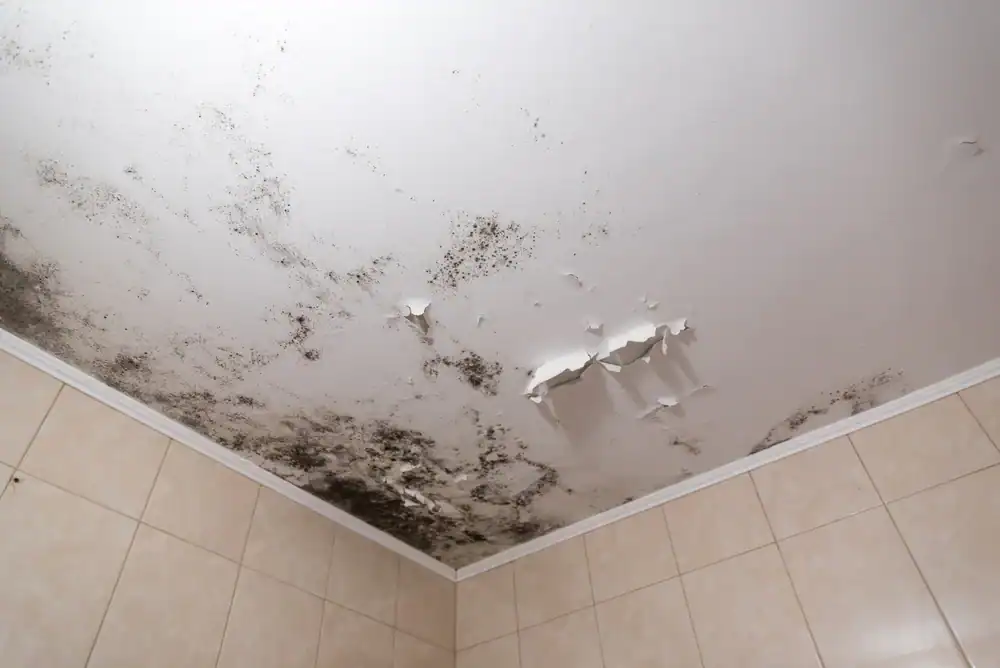
HVAC systems are another common culprit. If your ducts aren’t sealed properly, they’re pulling in humid air from your crawl space or attic. That moisture condenses inside the ducts, and mold starts growing. Leaky pipes, roof leaks, and flooding from heavy rain all contribute. The key is finding the moisture source and eliminating it—otherwise, you’re just treating symptoms.
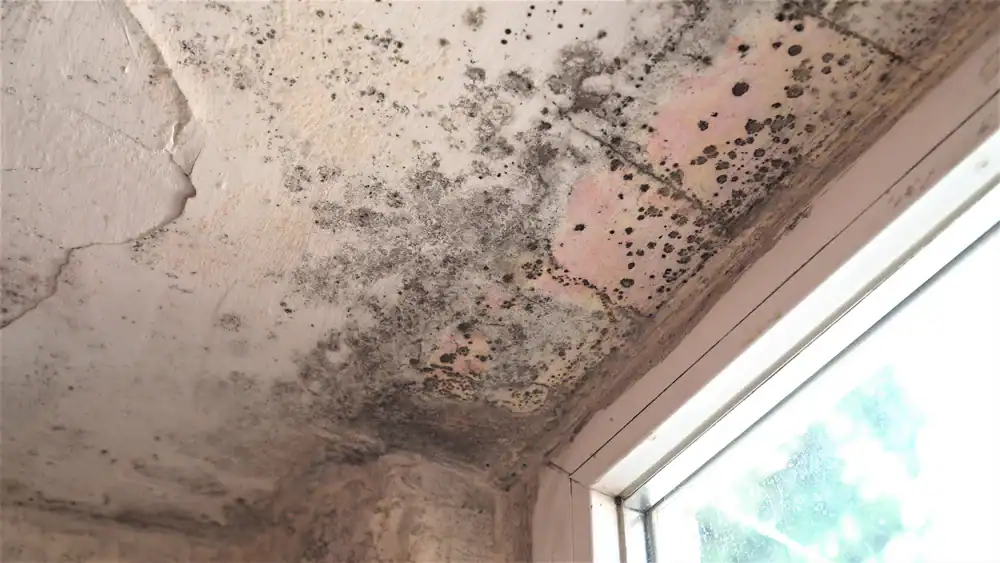
The most obvious sign is a musty, earthy smell that won’t go away no matter how much you clean or run the AC. That smell is mold releasing spores, and if you’re smelling it upstairs, it’s coming up through your floors from the crawl space.
You might also notice increased allergy symptoms—sneezing, coughing, itchy eyes—especially when you’re home. If your kids have asthma and it’s getting worse, mold exposure could be a factor. About one in 12 adults and one in 11 children in the U.S. have asthma, and more than half of asthmatics react to mold.
Visible signs include water stains on your floor joists, sagging insulation, or standing water in the crawl space after rain. But mold can grow in places you can’t easily see without getting down there with a flashlight. If you suspect it, get an inspection. Mold can spread throughout a home in just a few weeks if conditions are right, and the longer it sits, the more damage it does.
Not if the moisture problem is fixed. Mold removal gets rid of what’s already there, but if the conditions that caused it—high humidity, leaks, poor ventilation—aren’t addressed, it will absolutely grow back.
That’s why crawl space encapsulation is so important in this area. Sealing your crawl space with a moisture barrier stops ground moisture from seeping up and creating that damp environment mold loves. Fixing HVAC leaks, improving ventilation, and repairing plumbing issues all play a role.
We don’t just clean up mold and leave. We identify what caused it and recommend the fixes that will actually prevent it from returning. Some companies skip that part because they’d rather have you as a repeat customer. We’d rather you not need us again. If you handle the moisture issue during remediation, mold won’t come back—and you’ll have documentation of a properly remediated home if you ever sell.