
Contact Info
- Greensboro, NC 27406
- Call: 336-707-0498
- Text: 336-707-0498
-
Mon - Fri: 8am - 4pm
Sat - Sun: Closed
Contact Info
Mold quotes in Guilford County range wildly. Here's what drives the cost, what homeowners actually pay, and what to watch out for before you hire anyone.

You found mold. Now you’re searching for a number — some sense of what this is going to cost before you call anyone. The problem is, every article you find gives you a national average that doesn’t mean much when you’re standing in Guilford County with clay soil under your house and a crawl space that’s been holding moisture since last summer.
The real answer depends on where the mold is, how far it’s spread, and — critically — what kind of company you hire to deal with it. This page gives you the honest local breakdown, including what the work actually involves and what to look for before you hand anyone a check.
Nationally, most homeowners spend somewhere between $1,200 and $3,750 on a single-area mold remediation job, with a common average landing around $2,300 to $2,400. Per square foot, standard remediation runs $10 to $25. More complex jobs — ones involving hidden mold behind walls, contaminated insulation, or HVAC systems — can push that to $15 to $30 per square foot.
Those ranges are real, but they’re also wide enough to be nearly useless on their own. What actually moves the number is location within the home, how far the growth has spread into porous materials, whether the moisture source has been identified, and whether the company you hire is doing a real remediation or a surface treatment that looks finished until the mold comes back in six months.
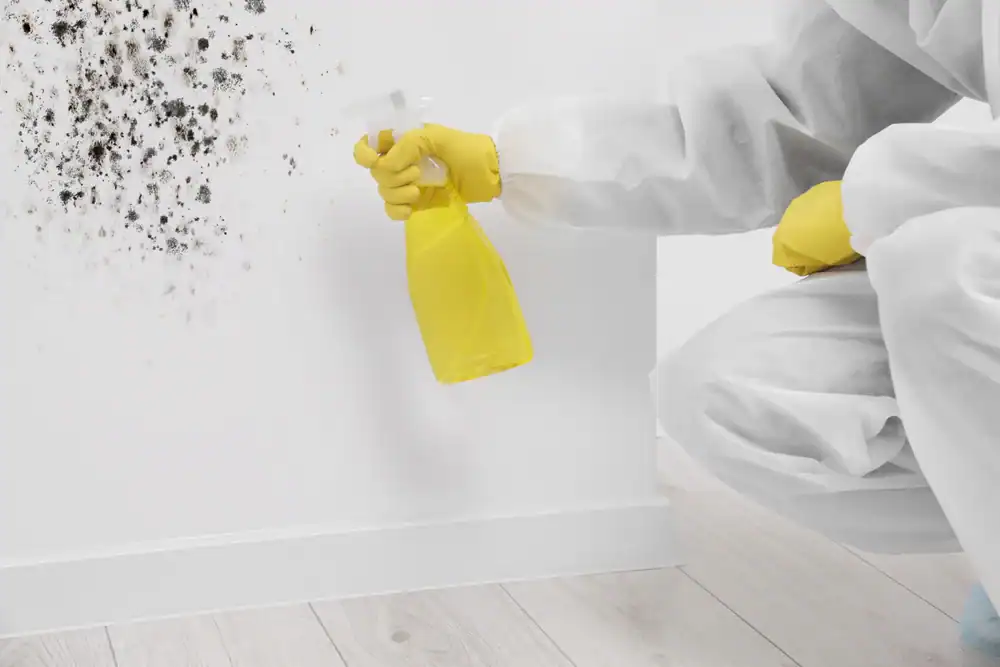
This is where a lot of homeowners get burned — not because they hired the wrong company intentionally, but because they didn’t know what a proper job looked like until after the fact.
A legitimate remediation starts before we touch a wall. We assess the full extent of the growth, identify the moisture source driving it, and put a written scope of work in front of you before any work begins. From there, the job involves setting up containment — plastic sheeting and negative air pressure — to keep spores from spreading to unaffected areas of your home while work is happening. HEPA air filtration runs throughout the job to capture airborne particles rather than recirculate them.
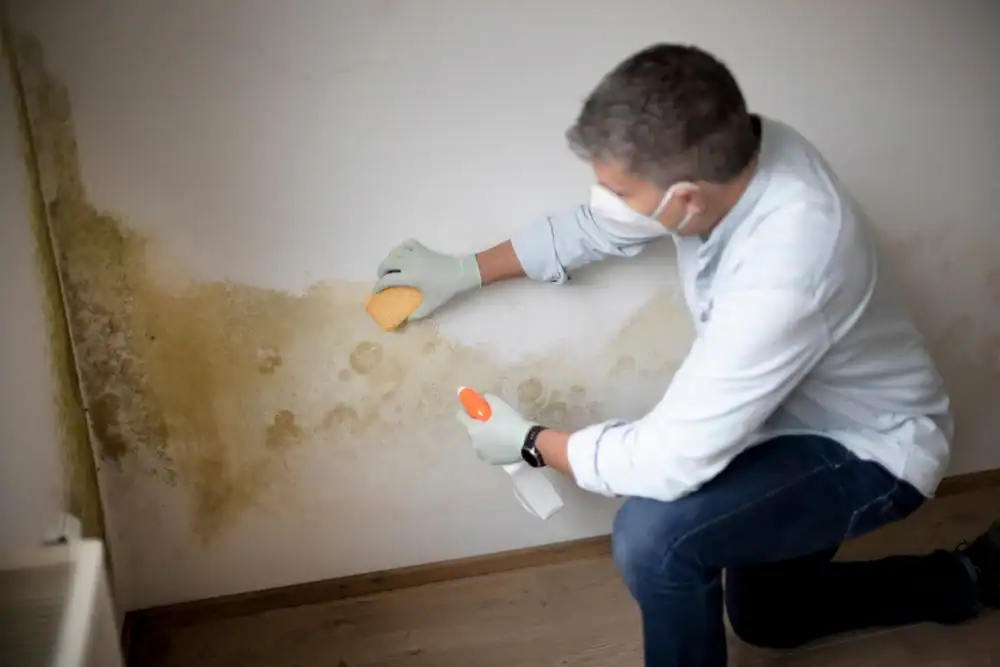
The actual removal isn’t a spray-and-wipe situation for porous materials. Drywall, wood framing, and insulation that have absorbed mold growth need to be physically removed, not treated on the surface. Mold grows roots — called hyphae — into porous materials, and bleach or antimicrobial sprays don’t reach them. That’s why surface-only treatments fail. The mold you see disappears temporarily, but the structure underneath is still compromised.
After the work is done, post-remediation verification — ideally by an independent party — confirms that the affected areas have been cleared to acceptable levels. You should walk away with documentation: what was found, what was done, and confirmation that it’s been resolved. Before and after photos are standard for any reputable company.
The reason this matters for cost is simple: a company cutting corners on containment, skipping source removal, or skipping post-remediation verification can quote you less. And it will look like a deal until the mold returns and you’re paying again.
Here’s something most mold remediation pages won’t tell you: North Carolina does not require a state license to perform mold remediation. Anyone can legally offer this service in NC without any formal training, certification, or demonstrated competency. There’s no state exam, no required coursework, no licensing board checking credentials.
It means the burden of vetting falls entirely on you as the homeowner.
The credential that actually matters at the field level is the IICRC AMRT — Applied Microbial Remediation Technician. It’s issued by the Institute of Inspection, Cleaning and Restoration Certification, requires a prerequisite course, a minimum of three days of in-person hands-on training, and a proctored written exam. The IICRC’s own description of the certification says it demonstrates that the holder knows how to perform remediation services while protecting the health and safety of workers and occupants.
The technical baseline for how a job should be performed is the IICRC S520 standard. It defines what containment looks like, what source removal requires, how air filtration should be handled, and what post-remediation verification involves. A company following S520 is doing the job correctly. A company that can’t tell you what S520 is probably isn’t.
NADCA certification matters separately when mold has reached your ductwork — which happens more than people expect, especially when the source is a crawl space sitting directly below an HVAC air handler. NADCA-certified technicians are trained specifically in air system cleaning and can address contamination in the duct system itself, not just the visible surfaces.
When you’re comparing quotes, ask each company what certifications their field technicians hold — not just the owner or the company name. The person physically working inside your home is the one whose credentials matter most.
Want live answers?
Connect with a Clean Air LLC expert for fast, friendly support.
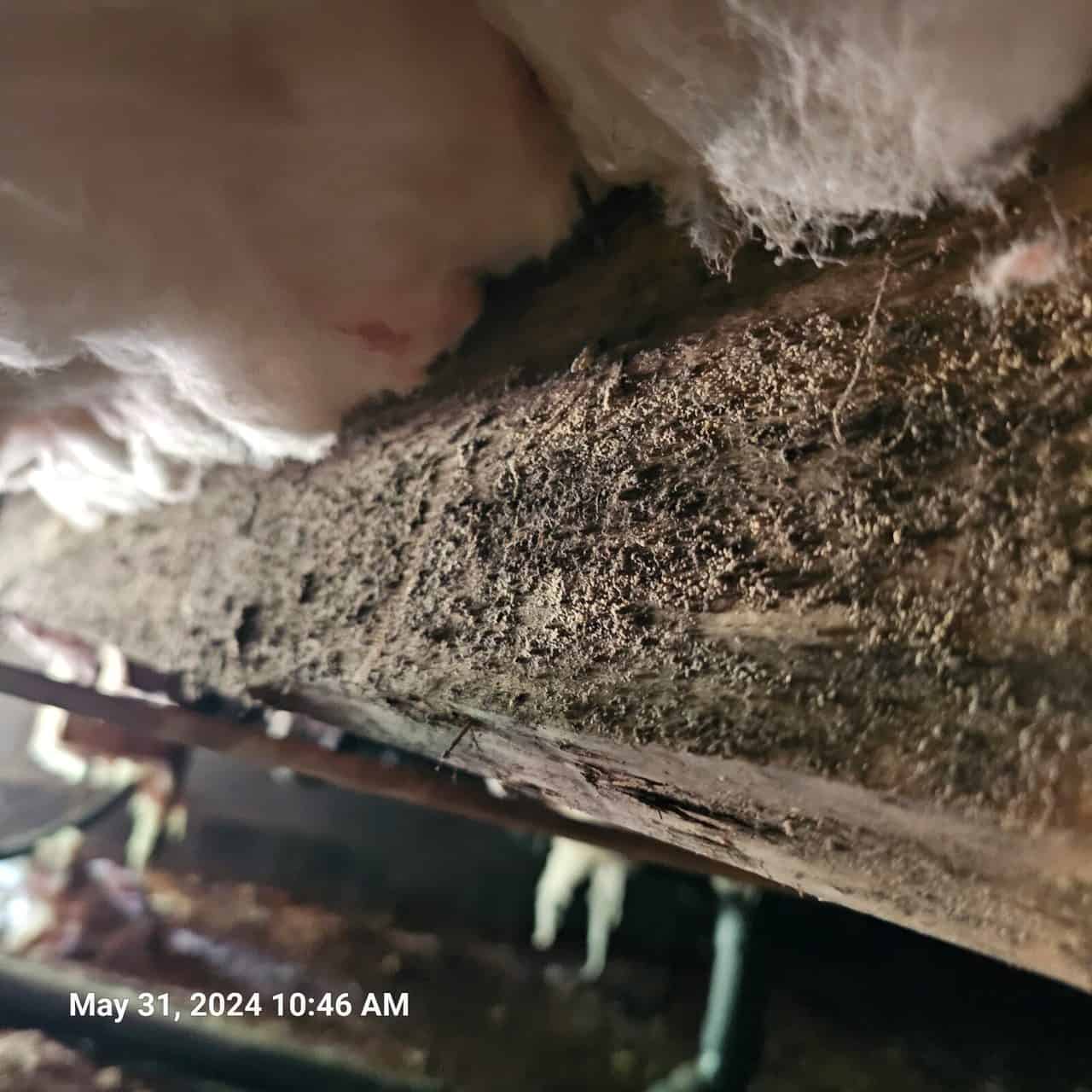
If you’re in Guilford County, there’s a reasonable chance your mold problem starts in the crawl space — even if you noticed it somewhere else first. The combination of clay soil, vented crawl spaces common in pre-2000s homes, and Piedmont humidity that regularly exceeds 70% in summer creates almost ideal conditions for mold growth on wood joists, subfloor sheathing, and crawl space insulation.
Crawl space mold removal in Guilford County typically runs $1,500 to $4,000 for an average-sized crawl space. Jobs that involve contaminated insulation replacement, duct cleaning, or extensive structural coverage can push into the $2,000 to $6,000 range. These are not outlier numbers for our area — they’re the realistic range for the housing stock and climate conditions here.
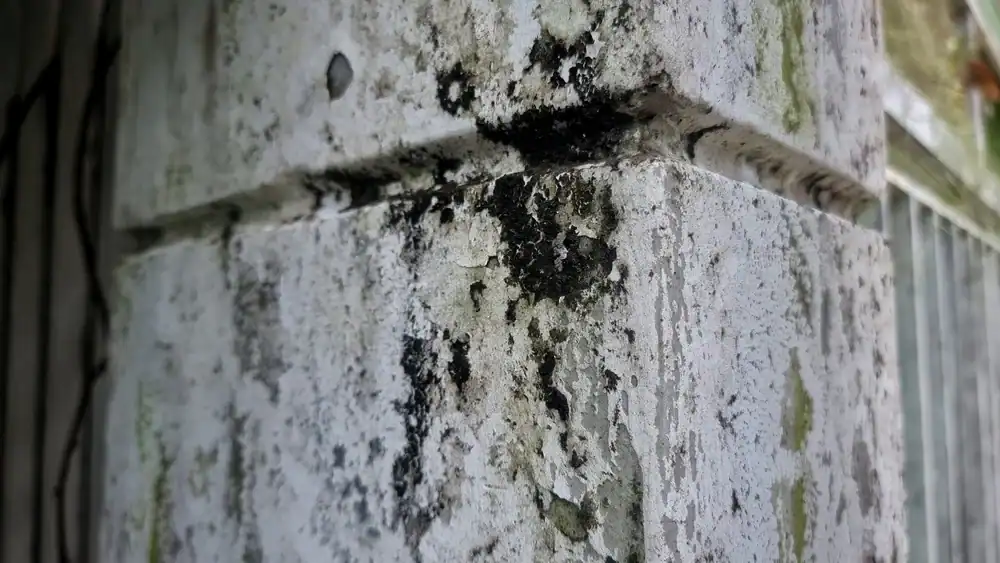
The square footage of your crawl space is the obvious starting point, but it’s not the only variable. How accessible the space is, how long the moisture problem has been active, whether insulation needs to be removed and replaced, and whether the ductwork running through the crawl space has been contaminated — all of these affect the final number.
In Greensboro and High Point, a lot of the housing stock that generates mold calls was built before crawl space encapsulation became standard practice. Older neighborhoods with vented crawl spaces — where warm, humid outdoor air flows in during summer, hits cooler surfaces, and condenses — are the most common source of the calls we get. The vent was designed to allow airflow, but in a climate like ours, it often just introduces moisture.
When mold has been growing in a crawl space for an extended period, it frequently spreads into the ductwork that runs through or near that space. At that point, you’re not just dealing with a crawl space mold job — you’re dealing with an air quality problem that’s been circulating through your home every time the HVAC runs. HVAC and duct mold remediation can run $2,000 to $10,000 depending on the system and extent of contamination. That’s a significant cost that could have been avoided with earlier intervention, which is one reason a free inspection — with an honest assessment of what’s actually happening — is worth doing sooner rather than later.
One thing worth knowing: reconstruction costs after remediation — replacing drywall, flooring, or insulation that had to be removed — are typically quoted separately and can add $500 to $10,000 or more to the total project depending on how much material had to come out. Make sure any quote you’re comparing specifies what’s included and what isn’t.
A few questions come up consistently when homeowners in this area are trying to decide whether to move forward and who to hire.
The first is whether homeowners insurance covers mold removal. In most cases, it doesn’t — not unless the mold resulted directly from a covered event like a burst pipe or storm damage. Mold that developed over time from humidity, a slow leak, or a vented crawl space is typically excluded. It’s worth calling your insurer to confirm, but most Guilford County homeowners end up paying out of pocket.
The second is whether they need to move out during remediation. For most single-area jobs, no. Proper containment — negative air pressure, sealed work zones — is designed to keep the rest of your home livable. For larger or more severe jobs involving multiple areas or whole-house contamination, we’ll tell you upfront what to expect.
The third is whether they can just use bleach. For a small patch of surface mold on a non-porous material like tile or a bathtub surround, bleach can work. But for anything on wood, drywall, or insulation — which describes most of what’s in a Guilford County crawl space — bleach doesn’t penetrate the material where mold roots grow. It cleans the surface and leaves the problem intact underneath.
The fourth is how they know the mold is actually gone after the job is done. Post-remediation verification, ideally through independent testing, gives you a documented clearance. Before and after documentation from us is also standard and gives you a record of what was found and what was done. If a company can’t tell you how they verify completion, that’s a gap worth pressing on.
Finally, people ask how long it takes. Most single-area jobs run one to three days. Larger or more severe projects can take up to a week. Restoration work — replacing removed materials — happens after the remediation is cleared and is typically a separate phase.
The cost of house mold removal in Guilford County isn’t one number — it’s a range shaped by where the mold is, how long it’s been there, and whether the company you hire does the job correctly the first time. Most homeowners in this area spend between $1,200 and $4,000 for a single-area job, with crawl space work often landing toward the higher end of that range given local conditions.
What matters more than finding the lowest quote is finding a company whose field technicians hold real credentials — IICRC AMRT for the remediation work, NADCA certification if your ductwork is involved — and who can show you a written scope before work starts and documentation when it’s done.
We’ve been working in Guilford County homes since the early 1990s, and we offer free inspections with no pressure attached. If you want an honest look at what you’re dealing with and a straight answer on what it will take to fix it, reach out to Clean Air LLC and we’ll start there.
Summary:
Share: