

Contact Info
- Greensboro, NC 27406
- Call: 336-707-0498
- Text: 336-707-0498
-
Mon - Fri: 8am - 4pm
Sat - Sun: Closed
Contact Info
Musty smells, soft floors, rising energy bills — your crawl space might be behind all of it. Here's how moisture control systems actually work.
If you’ve noticed a musty smell that won’t go away, floors that feel slightly soft in certain spots, or allergy symptoms that seem worse inside than outside — your crawl space is worth a closer look. These aren’t random problems. In most cases, they trace back to moisture that’s been building up underneath your home, often for years.
Moisture control isn’t a single product you install and forget. It’s a system — and understanding how the pieces work together is the first step to actually solving the problem. Here’s what you need to know.
A moisture control system combines several components that each handle a different part of the problem. French drains and sump pumps manage water that enters from the ground or through the foundation. A vapor barrier blocks ground moisture from evaporating into the crawl space air. A dehumidifier keeps the remaining humidity in check so mold doesn’t get a foothold.
No single component does all of that on its own. A dehumidifier can’t remove groundwater. A vapor barrier won’t stop a drainage problem. That’s why homeowners who’ve tried one fix — usually a portable dehumidifier from the hardware store — often find themselves back at square one. The system only works when the pieces work together.
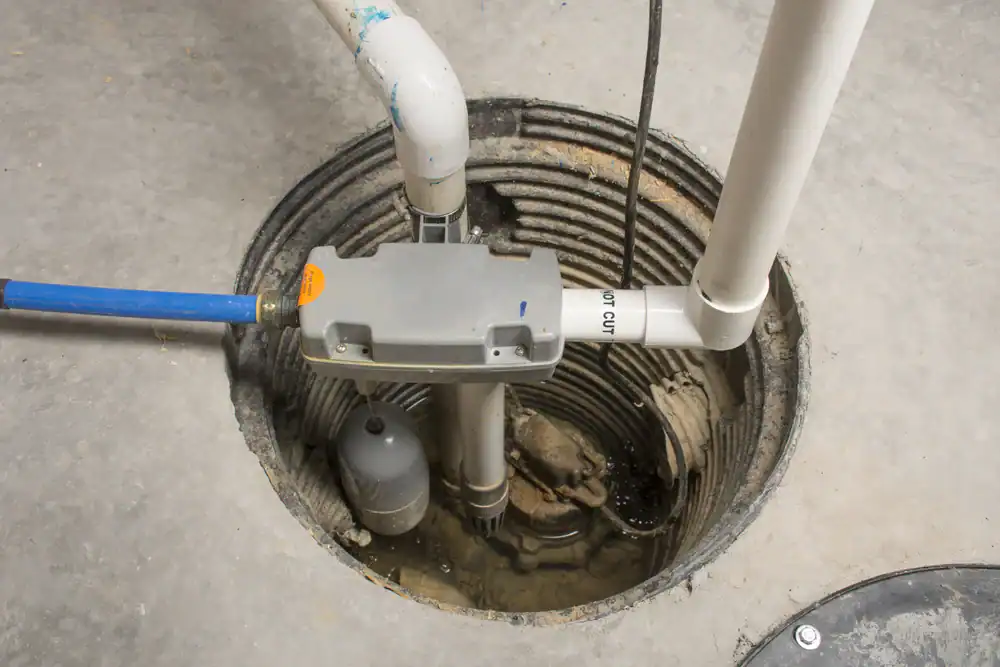
An internal French drain system — sometimes called an interior perimeter drain — is installed along the inside edge of your crawl space, just below floor level. It’s a perforated pipe set in gravel that collects water as it enters through the foundation walls or seeps up through the soil. That water gets channeled into a sump basin, where a pump automatically moves it away from the house.
The reason interior systems are often the better choice for existing homes comes down to access and effectiveness. Digging up the exterior of a foundation is expensive, disruptive, and doesn’t always solve the problem if water is also coming up through the floor. An interior system catches water regardless of where it’s entering — and in Guilford County, where Cecil sandy clay loam soil becomes saturated quickly during heavy rain and holds that water against your foundation, that matters.
Interior French drains typically run $40 to $100 per linear foot. For most crawl spaces in the Greensboro and High Point area, total installation costs fall somewhere between $4,000 and $8,000 depending on the size of the space, how much concrete needs to be cut, and whether a sump pump is being added at the same time. That range accounts for Guilford County’s specific soil conditions and terrain — sloped lots in the Piedmont region tend to funnel water toward foundations in ways that flat-lot homes in other markets don’t experience as severely.
One thing worth understanding: a French drain system won’t prevent water from entering your crawl space. What it does is intercept that water and redirect it before it has time to cause damage. Combined with a vapor barrier and dehumidifier, it’s the foundation of a system that actually lasts.
If you’re wondering what professional installation actually involves, it starts with a thorough inspection — not a sales pitch. We walk the crawl space, check for standing water, look at the soil conditions, identify where water is entering, and assess whether the problem requires drainage alone or a full encapsulation system.
From there, installation of an interior perimeter drain typically involves trenching along the inside edge of the foundation walls, laying perforated pipe in a gravel bed at the right depth and pitch, connecting that pipe to a sump basin, and installing the pump that moves water out. If a vapor barrier is being added at the same time — which it usually should be — that goes down after the drainage system is in place, covering the floor and running up the walls to seal off ground moisture.
The entire process is more involved than it sounds, and the details matter. The pitch of the pipe determines whether water actually flows to the sump basin or pools in low spots. The gravel specification affects how long the system stays clear before silt starts to clog it. The sump pump needs to be sized correctly for the volume of water the system will handle. These aren’t things that go wrong catastrophically on day one — they go wrong slowly, over years, until you notice the system isn’t working anymore.
That’s why installing a French drain around a foundation is not a DIY project for most homeowners, and why choosing someone with genuine experience in local soil and drainage conditions makes a real difference. Guilford County’s clay-heavy terrain and the Piedmont’s rolling topography create specific drainage challenges that a contractor without local experience may underestimate.
Want live answers?
Connect with a Clean Air LLC expert for fast, friendly support.
French drains don’t last forever. Most well-installed systems hold up for 20 to 30 years, but clay soil, tree root intrusion, and simple age all take a toll. A system that was doing its job a decade ago may be quietly failing right now — and the signs aren’t always obvious until you’re dealing with standing water or visible mold.
If your home had drainage work done years ago and you’re still noticing moisture problems, it’s worth having someone look at the system before assuming you need a full replacement. Sometimes it’s a clogged pipe. Sometimes it’s a pump that’s reached the end of its life. And sometimes the original installation just wasn’t done right to begin with.
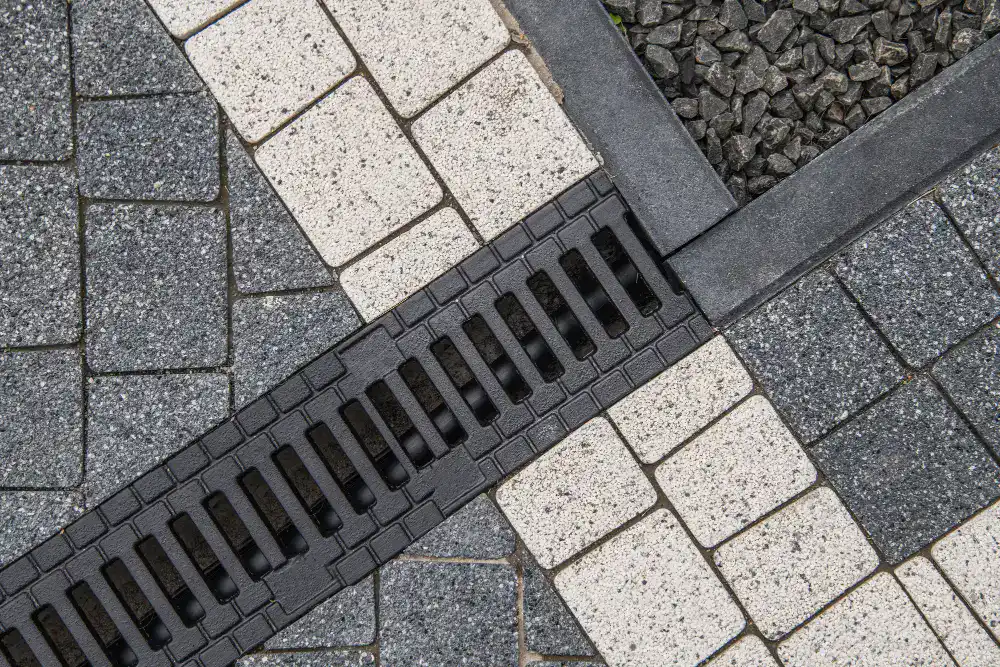
The most straightforward sign is water in the drainage ditch or water flowing over the drainpipe even after you’ve had it inspected for blockages. If the pipe is clear but water is still bypassing the system, the drain itself is no longer functioning the way it should.
Other signs are less obvious. Recurring foundation cracks — especially horizontal cracks in block foundations — suggest ongoing hydrostatic pressure that the drainage system isn’t relieving. Persistently high humidity in the crawl space despite having a dehumidifier running points to water entering faster than the system can handle. A musty smell that keeps coming back after mold remediation often means the moisture source hasn’t been addressed.
Homes built in the 1950s through 1980s in Guilford County are the ones we see most often with failing original drainage systems. Many of those homes were built with minimal crawl space waterproofing — sometimes just a thin plastic sheet on the ground — and any drainage work that was added over the years may have used materials or methods that simply don’t hold up under the county’s annual 43 to 45 inches of rainfall. The clay soil that makes Guilford County’s terrain so prone to drainage problems also accelerates pipe clogging, because fine clay particles work their way into the gravel bed and reduce flow over time.
French drain replacement follows the same general process as new installation, but often involves removing the old pipe and gravel first — which adds labor and cost. Expect the same $4,000 to $8,000 range for most Guilford County crawl spaces, though larger or more complicated jobs can run higher. Getting a proper inspection before committing to replacement is always the right first step, because sometimes a targeted repair is all that’s needed.
This is the part most drainage companies don’t talk about — and it’s the reason moisture control matters beyond just protecting your foundation.
Up to 50% of the air circulating through your home’s first floor originates from the crawl space below. That’s not a worst-case estimate; it’s a function of how air moves through a house. Warm air rises, and as it does, it pulls air upward from the crawl space to replace it — a process called the stack effect. In summer, when Guilford County’s dew points regularly climb above 65°F, that means hot, humid outdoor air is continuously cycling through your crawl space and into your living areas. In homes with open foundation vents — which was standard construction practice for decades — this process runs constantly.
When that crawl space air carries mold spores, it moves them directly into your HVAC system and through your ductwork. The musty smell you notice when the heat kicks on in the morning isn’t coming from the vents themselves — it’s coming from what the vents are circulating. Mold-produced compounds known as microbial volatile organic compounds, or mVOCs, are what you’re actually smelling. And for households with allergy sufferers, asthma, or young children, that’s not just unpleasant — it’s a genuine health concern.
This is the connection that most moisture control companies overlook, because they focus exclusively on waterproofing without considering what happens to the air after the water is removed. Encapsulating a crawl space and installing drainage is a meaningful step. But if the ductwork running through that space has already accumulated mold and debris from years of moisture exposure, the air quality problem persists even after the moisture source is gone. Addressing both — the crawl space and the duct system — is what actually resolves the problem from the ground up.
The bottom line is that moisture problems in Guilford County homes are common, they’re manageable, and they almost always respond well to the right system — installed correctly and sized for what your specific crawl space actually needs.
What that system looks like depends on your home. Some crawl spaces need drainage and nothing else. Others need the full combination of a French drain, sump pump, vapor barrier, and dehumidifier working together. A few need duct work addressed on top of that. The only way to know is to have someone who understands local soil conditions, housing stock, and air quality take a real look.
If you’re dealing with a musty smell, standing water, soft floors, or an older drainage system that doesn’t seem to be keeping up anymore, we’ve been diagnosing and solving exactly these problems in Guilford County since the early 1990s. Free inspections are available — no commitment required, just answers.
—
**Frequently Asked Questions**
**How much does a crawl space French drain cost in Guilford County, NC?** Most crawl space French drain installations in Guilford County fall between $4,000 and $8,000. That range reflects local conditions — specifically the Cecil sandy clay loam soil and sloped Piedmont terrain that make drainage more involved here than in flatter markets. Factors that affect cost include the linear footage of the drain, whether a sump pump is being added, and whether any concrete cutting is required. Adding a crawl space dehumidifier typically runs an additional $1,000 to $3,000 depending on the unit and the size of the space.
**Can moisture in my crawl space actually affect my indoor air quality?** Yes — and this is one of the most underappreciated connections in home health. Because of the stack effect, air from your crawl space is continuously drawn upward into your living areas. In Guilford County, where summer humidity is persistent and many homes have older vented crawl spaces, that means mold spores and musty compounds can circulate through your HVAC system year-round. Addressing crawl space moisture is one of the most direct ways to improve the air quality inside your home.
**Is a dehumidifier enough, or do I also need a French drain?** It depends on the source of the moisture. If water is entering your crawl space through the soil or foundation walls, a dehumidifier alone won’t solve it — you need drainage first. A dehumidifier manages the humidity in the air; it can’t remove groundwater. For most homes dealing with active water intrusion, the right approach is to install drainage first, then use a dehumidifier to maintain target humidity levels after the water source is under control.
**How do I know if my existing French drain needs to be replaced?** The clearest sign is water bypassing the system even after the pipe has been checked for clogs. Other indicators include recurring foundation cracks, persistent high humidity despite running a dehumidifier, or a musty smell that keeps returning after mold treatment. Older homes in Guilford County — particularly those built before the 1990s — often have original drainage systems that have reached the end of their useful life, especially given the county’s clay-heavy soil and consistent rainfall.
Summary:
Share: