
Contact Info
- Greensboro, NC 27406
- Call: 336-707-0498
- Text: 336-707-0498
-
Mon - Fri: 8am - 4pm
Sat - Sun: Closed
Contact Info
If you've gotten a quote and aren't sure if it's fair — or you're just trying to understand what this actually costs before you call anyone — this is the page for you.
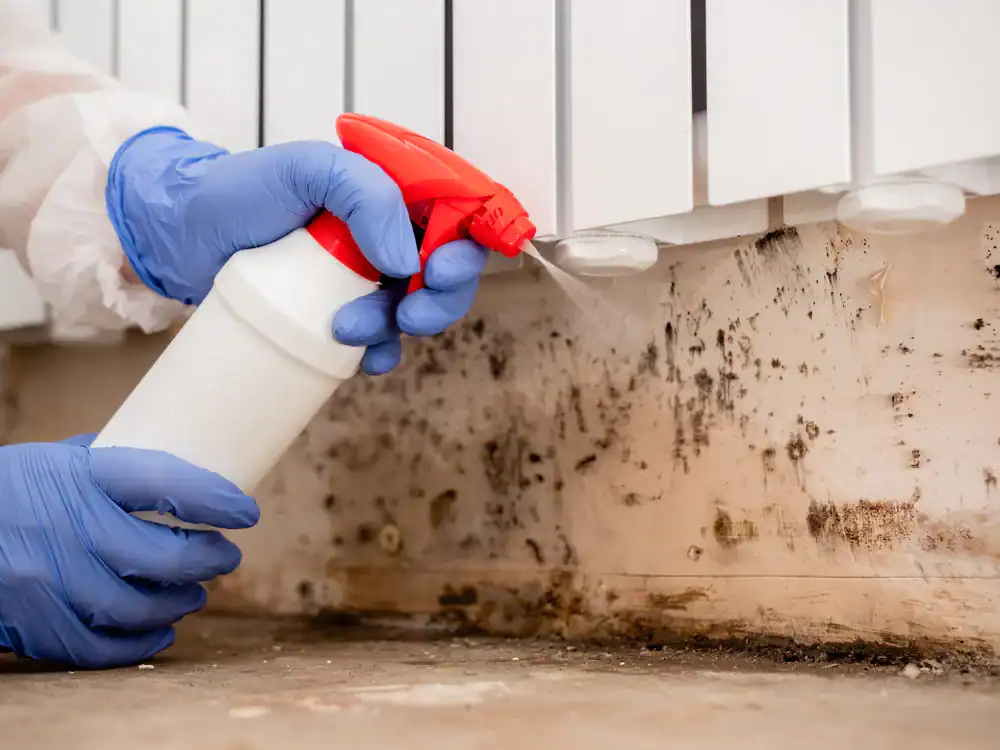
If your house smells like a damp basement you don’t actually have, your crawl space is probably the source. That earthy, musty odor that creeps up through the floors and into your living room isn’t just unpleasant — it’s a signal that moisture is building up underneath your home, and it’s not going away on its own.
Most homeowners in Guilford County don’t start thinking about crawl space encapsulation until the smell gets hard to ignore. Then they get a quote, and the number catches them off guard. This page exists to give you real, local pricing before you make that call — so you know what’s reasonable, what drives costs up, and what you’re actually paying for.
In Greensboro and the surrounding Guilford County area, full crawl space encapsulation typically runs between $4,000 and $14,000. Most jobs land somewhere in the $5 to $8 per square foot range, though that number can climb to around $10 per square foot when there’s existing mold, drainage issues, or structural repairs involved.
The national average sits around $5,500, but we’ve found that Guilford County homeowners generally see competitive pricing compared to markets like Charlotte or the Triangle. The Triad has a strong local contractor pool, and that keeps rates in check.
What you’re actually getting for that money matters more than the headline number. A low quote that skips drainage work or installs a vapor barrier over existing mold isn’t a deal — it’s a problem deferred.
This is one of the most common points of confusion homeowners run into when comparing quotes, and it’s worth getting clear on before you talk to anyone.
A vapor barrier is a sheet of polyethylene plastic laid across the ground floor of your crawl space. That’s it. It slows moisture vapor from rising up through the soil, but it doesn’t seal the walls, the vents, or the rim joists — and it doesn’t include any active moisture control. Vapor barrier installation on its own typically runs $1,500 to $4,000 depending on the size of your crawl space, and replacement of an old or damaged barrier usually falls in the $1,000 to $3,000 range.
Full encapsulation is a different scope of work entirely. It includes sealing the walls and vents, covering the ground with a heavy-duty liner (we use 12 to 20 mil material, well above the 6-mil code minimum), and typically adding a dehumidifier to actively manage moisture levels year-round.
North Carolina’s building code actually requires active moisture control in a closed crawl space — so if a contractor is quoting you encapsulation without a dehumidifier or another active system, ask why. The dehumidifier alone adds $1,500 to $2,500 to the job.
If your crawl space has drainage issues — which is common in Guilford County given the area’s clay-heavy Cecil sandy clay loam soil and sloped terrain — a French drain system runs $4,000 to $8,000, and a sump pump installation runs $1,100 to $3,500. These aren’t upsells for the sake of it. If water is moving toward your crawl space, no vapor barrier or encapsulation will hold up long-term without addressing that first.
Labor typically accounts for 50 to 70 percent of the total cost. In older Greensboro neighborhoods — think mid-century homes in areas like Irving Park, Starmount, or Lindley Park — crawl spaces are often tight, low-clearance spaces that require more time and care to work in. That restricted access can push labor costs up by 20 to 30 percent compared to a newer home with a more accessible crawl space.
Greensboro and High Point aren’t just generically humid — they have a specific set of conditions that make crawl space moisture management more demanding than in drier parts of the country, and even more demanding than some other parts of North Carolina.
Guilford County’s summer dew points regularly exceed 65°F in July and August. That means the air itself is carrying so much moisture that even a well-ventilated crawl space is pulling in warm, wet air all summer long. Older vented crawl spaces — the kind built before modern building science caught up — were designed around the idea that ventilation would dry things out. In a climate like ours, the opposite happens. Warm, humid outdoor air enters the crawl space, hits cooler surfaces, and condenses. That’s how you get mold, wood rot, and that smell.
The soil doesn’t help either. Cecil sandy clay loam, which is common throughout Guilford County, doesn’t drain particularly well on sloped terrain. After a heavy summer rainstorm — and Greensboro gets plenty of those — water can move toward a home’s foundation and find its way into the crawl space. That’s why drainage assessment matters before any encapsulation work begins. Installing a vapor barrier over a wet crawl space doesn’t fix the problem; it can actually trap moisture and make conditions worse underneath.
The good news is that we understand these local conditions well, and full encapsulation — done correctly, with drainage addressed and active dehumidification included — is genuinely effective here. Homes that have been properly encapsulated see the musty smell go away, floors stop feeling cold in winter, and the crawl space stops being a source of air quality problems for the rest of the house.
Want live answers?
Connect with a Clean Air LLC expert for fast, friendly support.
For most homeowners in Guilford County with a crawl space foundation — which describes a large portion of the housing stock here, particularly anything built before the 1990s — the answer is yes. But “worth it” depends on what you’re comparing it to.
The real comparison isn’t encapsulation versus doing nothing. It’s encapsulation now versus the cost of what happens if you wait. Mold remediation, wood rot repair, and structural work are significantly more expensive than preventive encapsulation, and they don’t stop the underlying moisture problem — they just fix the damage it’s already caused.
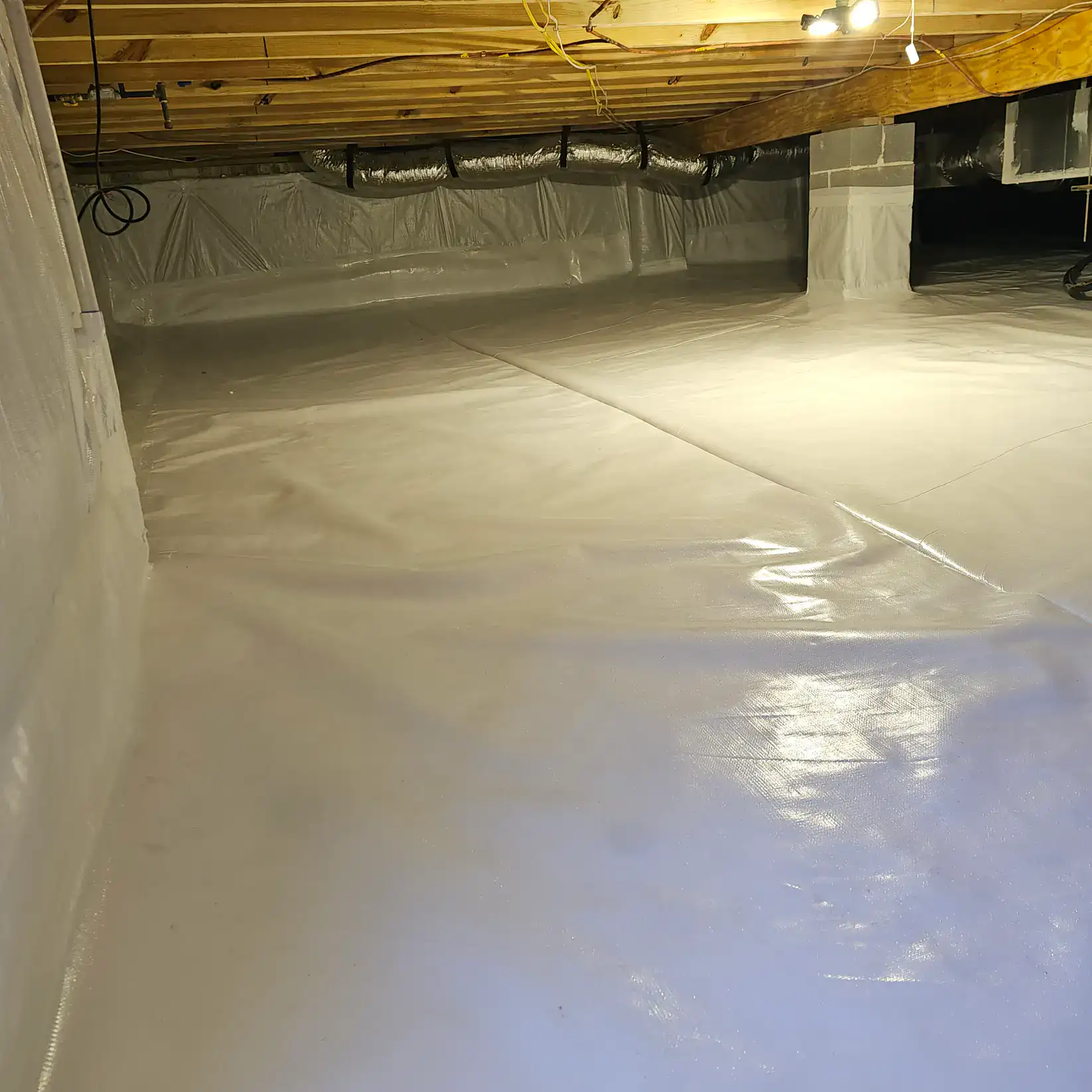
Encapsulation makes the most sense when your crawl space has moisture issues — high humidity, condensation, mold growth, or a persistent musty smell — but doesn’t have active standing water or serious drainage problems that haven’t been addressed yet. If water is visibly pooling in your crawl space after rain, that needs to be resolved first. Encapsulating over standing water doesn’t seal it out; it traps it underneath the liner and can accelerate the damage.
A proper inspection will tell you which situation you’re in. If drainage is the primary issue, that gets handled first — French drain, sump pump, or both — and then encapsulation follows as the moisture control layer once the water has somewhere to go.
If your crawl space is dry but unencapsulated, you’re still at risk in a climate like Greensboro’s. The humidity alone is enough to create mold conditions over time, especially in older homes where the crawl space vents were designed for a different era of building science. Preventive encapsulation in this case is straightforward and typically falls on the lower end of the cost range.
One situation that often gets overlooked: homes going through a real estate transaction. Home inspectors in Guilford County flag crawl space moisture issues regularly, and it’s one of the more common repair requests that comes up during the sale process. If you’re selling and your crawl space gets flagged, having a clear scope of work and a certified contractor lined up can move things forward quickly.
Price matters, but it’s not the only thing that matters — and in this category, the cheapest quote often ends up being the most expensive outcome. A job that skips drainage work, uses undersized materials, or installs a liner over untreated mold will fail. And when it fails, you’re paying to fix it twice.
A few things worth looking for when you’re evaluating contractors: First, they should do a thorough inspection before quoting anything. If someone gives you a number without getting into the crawl space and looking around, that’s a red flag. The scope of work should be written out clearly — materials, labor, what’s included, what’s not — not a vague estimate with a single bottom-line number.
Ask about mold. If there’s visible mold growth in your crawl space, it needs to be properly remediated before the liner goes in, not covered over. The IICRC AMRT certification (Applied Microbial Remediation Technician) is the professional standard for mold remediation work — it’s worth asking whether the contractor holds it, because not all of them do.
Ask about the dehumidifier. As mentioned, North Carolina building code requires active moisture control in a closed crawl space. A contractor who encapsulates without addressing this is leaving you with a code issue and a system that won’t perform the way it should.
Warranty terms are also worth discussing. Quality encapsulation work is typically backed by 10 to 25 year warranties. If a contractor is hesitant to put that in writing, that tells you something about how confident they are in their own work.
We’ve been doing this in Greensboro and High Point for over 30 years. We hold IICRC AMRT certification for mold remediation and NADCA certification for duct cleaning — which matters because the ducts running through your crawl space are often pulling in the same contaminated air that’s causing the smell upstairs. We offer free inspections, provide before-and-after documentation on every job, and we’re not going to tell you that you need work you don’t need.
If you’re trying to make sense of a quote you’ve already received, or you want to understand what you’re looking at before you call anyone, the numbers in this guide give you a real baseline for the Guilford County market. Full encapsulation in the Greensboro area typically runs $4,000 to $14,000. Most straightforward jobs land in the $5 to $8 per square foot range. Add-ons like drainage systems and dehumidifiers are often necessary — not optional extras — depending on what’s actually going on in your crawl space.
The most important step is an honest inspection before any work begins. That’s what tells you whether you need a simple vapor barrier, full encapsulation, drainage work first, or mold remediation before anything else goes in.
If you’re in Guilford County and you want a straight answer about what your crawl space actually needs, reach out to Clean Air LLC. We’ll come out, take a look, and tell you exactly what we see — no pressure, no guessing, no inflated scope.
Summary:
Share: