
Contact Info
- Greensboro, NC 27406
- Call: 336-707-0498
- Text: 336-707-0498
-
Mon - Fri: 8am - 4pm
Sat - Sun: Closed
Contact Info
Most sump pumps sit forgotten in basements until they fail during a storm. Regular testing and repair can prevent thousands in water damage.
Most experts recommend testing your sump pump at least twice a year—once before spring rains hit and again before fall storms arrive. If your pump handles washing machine drainage or runs frequently, bump that up to quarterly checks.
Testing isn’t complicated. You’re basically making sure two things work: the pump turns on when water rises, and it actually moves that water out of your home. The whole process takes about five minutes, but those five minutes can tell you whether you’re protected or exposed.
Think of it like checking your smoke detector. You don’t wait for a fire to find out the battery’s dead. Same logic applies here. The time to discover your sump pump doesn’t work isn’t during a thunderstorm at 2 AM.
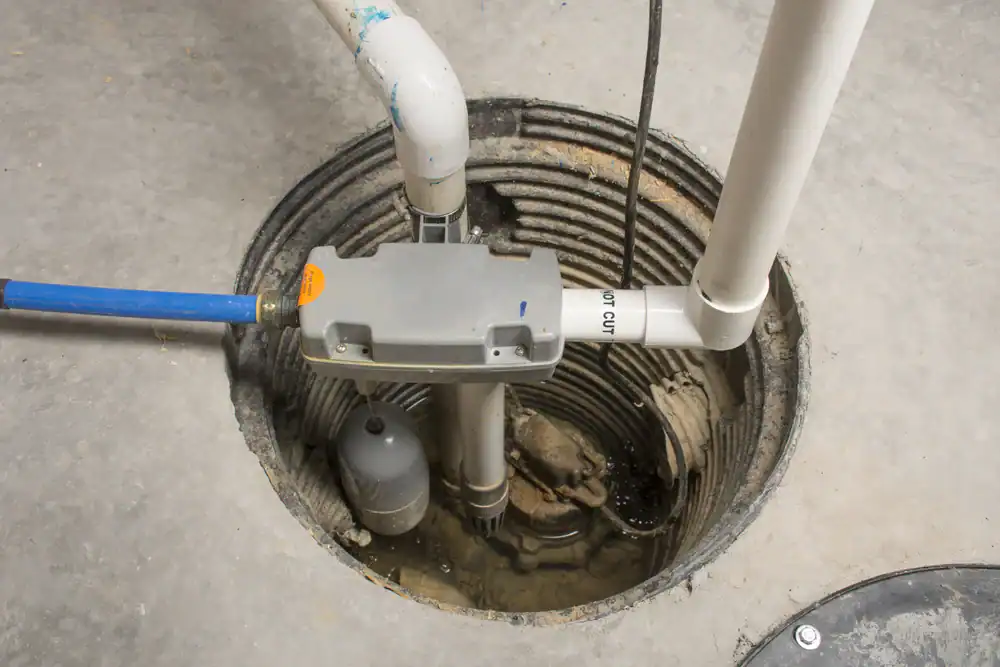
A real sump pump test simulates what happens during actual flooding. Start by locating your pump—usually in the lowest part of your basement or crawl space. Remove the cover if you have one, and take a quick look inside for any obvious debris or standing water that shouldn’t be there.
The simplest test method is the bucket test. Fill a five-gallon bucket with water and slowly pour it into the sump pit. Watch what happens. Your float switch should rise with the water level, triggering the pump to kick on. The pump should activate smoothly, remove the water efficiently, and shut off automatically once the level drops.
Listen for unusual sounds while it runs. Grinding, rattling, or excessive vibration usually means something’s wrong—bearings wearing out, debris in the impeller, or a motor struggling. These are the warning signs that tell you it’s time for sump pump repair before you’re dealing with an emergency.
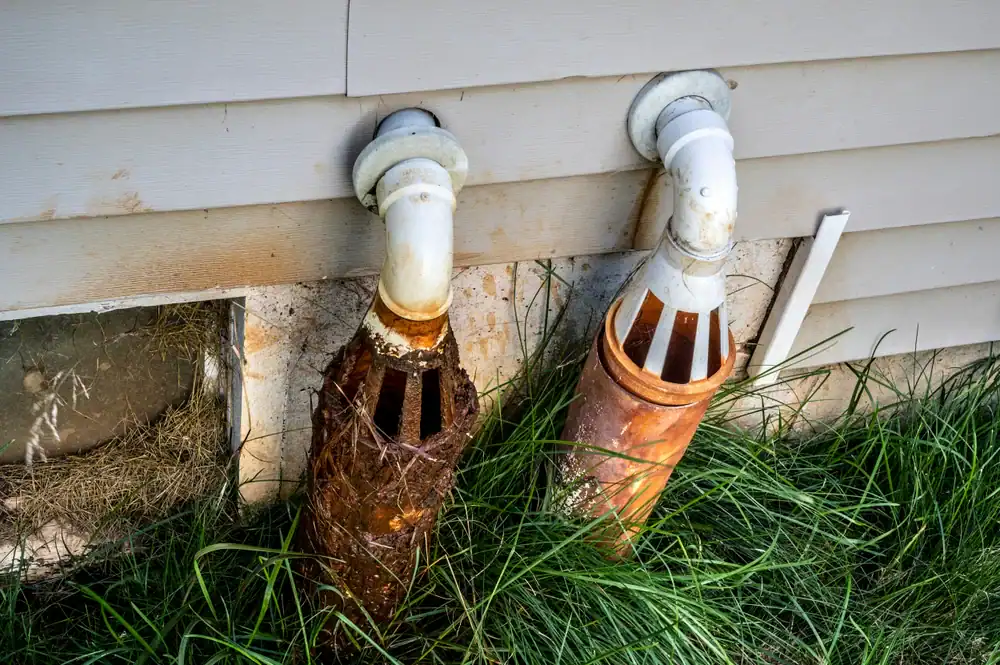
Check your discharge line too. Go outside and make sure water is actually exiting where it should, at least 20 feet from your foundation. A clogged discharge line means water has nowhere to go, which defeats the entire purpose of having a pump. In winter, check that the line isn’t frozen—a common failure point that catches people off guard.
If your pump has two power cords (one for the pump, one for the float), you can test each component separately. Unplug both, then plug in just the pump cord. It should run immediately. This bypass test confirms the pump motor works even if the float switch fails. It’s a backup way to verify functionality without adding water.
Don’t skip testing your battery backup if you have one. Unplug the main pump and see if the backup activates. Battery backups are worthless if the battery’s dead or the system doesn’t switch over properly. Many homeowners discover their backup doesn’t work only after the power goes out during a storm.
Document what you find. Take a photo, write down the date, note any issues. This creates a maintenance record that helps you spot patterns—like a pump that’s taking longer to activate or running more frequently than it used to. Those patterns often predict failure before it happens.
Some problems announce themselves loudly. Others are subtle until they’re catastrophic. If your pump is making strange noises—grinding, rattling, or a high-pitched whining—that’s your motor telling you it’s struggling. Pumps should run relatively quietly. Loud operation usually means worn bearings, a damaged impeller, or debris caught in the system.
Constant cycling is another red flag. If your pump turns on and off repeatedly, even when it’s not raining, something’s wrong. This could be a stuck float switch, an undersized pump for your pit, or a check valve that’s allowing water to flow back into the basin. Constant cycling wears out your pump fast and drives up your electric bill.
Visible rust or corrosion on the pump or in the pit indicates age and potential failure. Most sump pumps last seven to ten years under normal conditions. If yours is approaching that age and showing rust, you’re on borrowed time. Replacing it proactively is cheaper than dealing with a flooded basement.
Water in your basement or crawl space when it shouldn’t be there is the most obvious sign. If you’re seeing puddles, damp spots, or that musty smell that screams moisture problem, your pump either isn’t working or can’t keep up with the water volume. Both situations require immediate attention.
Long activation delays are easy to miss but important to catch. If you pour water into the pit and the pump takes a while to turn on, your float switch might be failing or the pump’s internal components are wearing out. A healthy pump responds quickly to rising water levels.
Check your discharge area regularly. If water is pooling near your foundation instead of draining away, your discharge line is clogged, too short, or improperly positioned. This creates a cycle where the same water keeps coming back, overworking your pump and threatening your foundation.
Age matters more than most people realize. If your pump is over seven years old and you’ve never had it serviced, schedule a professional inspection. Preventive maintenance is always cheaper than emergency sump pump repair. Always. You’ll either get peace of mind that everything’s fine, or you’ll catch a problem before it floods your basement.
Want live answers?
Connect with a Clean Air LLC expert for fast, friendly support.
Water damage claims average nearly $14,000 per incident, and that’s just the insurance-covered portion. Many homeowners don’t realize that standard policies often exclude sump pump failure damage. You might think you’re covered, but most basic homeowners insurance treats pump failure as a mechanical breakdown, not a covered event.
Greensboro’s clay soil and above-average rainfall create the perfect conditions for basement water problems. When your pump fails here, water doesn’t just seep in—it floods. The 45 inches of annual rain we get means your sump pump isn’t sitting idle. It’s working regularly, which means wear and tear happen faster than in drier climates.
The damage compounds quickly. First comes the immediate water damage—ruined carpet, drywall, insulation, stored belongings. Then mold starts growing within 24 to 48 hours. Mold remediation alone can cost thousands. Structural damage to your foundation from hydrostatic pressure adds even more to the bill. What starts as a $300 pump repair becomes a $15,000 nightmare because the pump wasn’t maintained.
Power outages top the list, causing about 40% of failures. Storms that dump enough rain to flood your basement often knock out power too. Without electricity, your pump is just an expensive paperweight sitting in a hole. This is why battery backup systems matter—they’re not an upsell, they’re insurance against the most common failure scenario.
Mechanical failures account for another 35% of problems. This includes burned-out motors, broken float switches, jammed impellers, and worn bearings. Most mechanical issues develop slowly over time, giving you warning signs if you’re paying attention. That grinding noise or slower activation you’ve been ignoring? It’s telling you something’s about to break.
Clogged discharge lines are sneaky because the pump might run perfectly fine—it’s just pumping water nowhere useful. Debris, roots, and ice can all block your discharge pipe. In winter, any water left in the line can freeze solid, creating a plug that stops your system cold. Many Greensboro homeowners learn this lesson the hard way during winter storms.
Improper installation causes more problems than most people realize. A pump installed at the wrong height, in the wrong location, or without proper drainage won’t work right no matter how new it is. The lowest point in your space is where water naturally collects—that’s where your pump needs to be. Installing it anywhere else means water can’t reach it.
Switch problems are incredibly common. The float switch is what tells your pump to turn on, and it’s one of the most frequent failure points. Switches can get stuck, break off, or malfunction due to debris. Some manufacturers recommend replacing the float every two years as preventive maintenance.
Lack of maintenance is the silent killer. Sump pumps need regular cleaning, testing, and inspection. The inlet screen at the bottom of the pump catches debris to protect the motor, but if that screen gets clogged, the pump can’t draw water. Eventually, the motor overheats trying to work against the blockage and burns out. A simple annual cleaning would prevent this entirely.
Overwhelmed capacity happens when your pump is undersized for your needs or when you get an unusual amount of rain in a short period. Even a properly functioning pump has limits. If water’s coming in faster than the pump can remove it, you’re going to flood. This is where proper installation sizing matters, and why some homes need backup pumps or higher-capacity systems.
Annual professional maintenance isn’t optional if you want your pump to last. A qualified technician will clean your sump pit and pump, inspect all components, test the float switch and check valve, verify your discharge line is clear, and test your battery backup if you have one. This typically costs $75 to $150, which is nothing compared to water damage repair costs.
Between professional visits, you can handle basic upkeep yourself. Test your pump every three to four months using the bucket method. Clean the inlet screen at the base of the pump seasonally—more often if your pump handles washing machine water. Check that the pump sits upright in the pit, since vibration can shift it over time. A tilted pump might not activate properly.
Keep your sump pit clear of debris. Leaves, dirt, small stones, and other junk can accumulate and cause problems. Some homeowners don’t even have a cover on their pit, which lets debris fall in constantly. A properly sealed cover prevents debris entry, reduces humidity, and blocks radon gas if that’s a concern in your area.
Inspect your discharge line at least twice a year. Walk outside and make sure water exits where it should, far from your foundation. Check for clogs, damage, or areas where the line has settled and created low spots that hold water. In winter, consider adding a discharge line heater or IceGuard fitting to prevent freeze-ups.
Battery maintenance matters if you have a backup system. Test the battery quarterly by unplugging your main pump and seeing if the backup activates. Most backup batteries need replacement every three to five years, depending on usage. Don’t wait until a power outage to discover your battery is dead.
Keep the area around your pump accessible. Don’t stack boxes or storage items on top of your sump pit. You need to be able to check it easily and access it quickly if problems arise. Plus, restricting airflow around the pump can cause overheating issues.
Consider installing a water alarm if you don’t have one. These inexpensive devices sit in your sump pit and sound an alert if water rises too high. They’re your early warning system that something’s wrong—either your pump failed or it can’t keep up with incoming water. For about $20, it’s cheap insurance that could save you thousands.
Document everything. Keep a simple log of when you test your pump, what you find, and any maintenance performed. Note how long it takes for the pump to activate and how quickly it removes water. Changes in performance over time help predict when replacement will be needed. This record is also valuable if you ever need warranty service or want to show buyers that you’ve maintained the home properly.
Your sump pump is easy to forget until it fails. But with Greensboro’s above-average rainfall and the reality that 98% of basements will experience water damage at some point, forgetting isn’t an option. Regular testing takes five minutes twice a year. Annual professional maintenance costs less than $150. Compare that to the average water damage claim of nearly $14,000, and the math is pretty simple.
The pumps that fail are usually the ones nobody’s checked in years. The ones that protect homes are the ones that get tested, maintained, and repaired before problems become emergencies. You don’t need to become a sump pump expert—you just need to make sure yours works before you need it.
If you’re in Greensboro, NC and you can’t remember the last time your sump pump was tested, or if you’ve noticed any of the warning signs we covered, now’s the time to address it. We’ve been helping Greensboro homeowners protect their properties since 1991. We handle everything from routine sump pump maintenance to emergency repairs, French drain installation, and complete crawl space waterproofing. Reach out to us, and let’s make sure your home is actually protected before the next storm hits.
Summary:
Share: