
Contact Info
- Greensboro, NC 27406
- Call: 336-707-0498
- Text: 336-707-0498
-
Mon - Fri: 8am - 4pm
Sat - Sun: Closed
Contact Info
Wondering what mold removal actually costs in Greensboro? Here's what Guilford County homeowners are paying in 2026 — and what drives the price up or down.
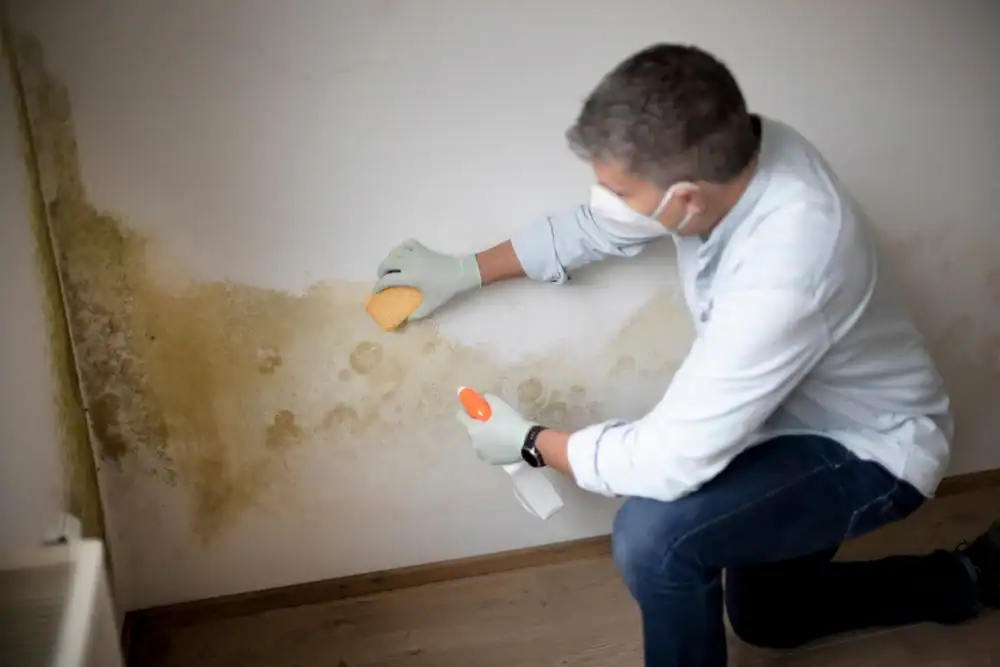
You found something in your crawl space. Or maybe it’s that musty smell that won’t go away no matter how many candles you burn. Either way, you’re now searching what this is going to cost you — and you’re probably bracing for a number that hurts.
Here’s the honest answer: mold removal cost in Greensboro ranges quite a bit, and the final number depends on factors that are specific to your home, not just a flat rate. This guide walks you through what Guilford County homeowners are actually paying in 2026, what drives the price in either direction, and what to watch out for when you’re comparing quotes.
Nationally, professional mold remediation runs between $15 and $30 per square foot, with most jobs landing somewhere between $1,500 and $6,000. The average homeowner spends around $2,368, though mid-sized jobs — the kind that involve a crawl space or a section of finished basement — tend to come in closer to $3,500.
Locally, data from completed projects in Greensboro puts the average mold removal cost between $1,744 and $1,913. That’s a reasonable baseline for a contained problem in an accessible area. But homes in Guilford County have some specific characteristics that can push that number higher, which we’ll get into below.
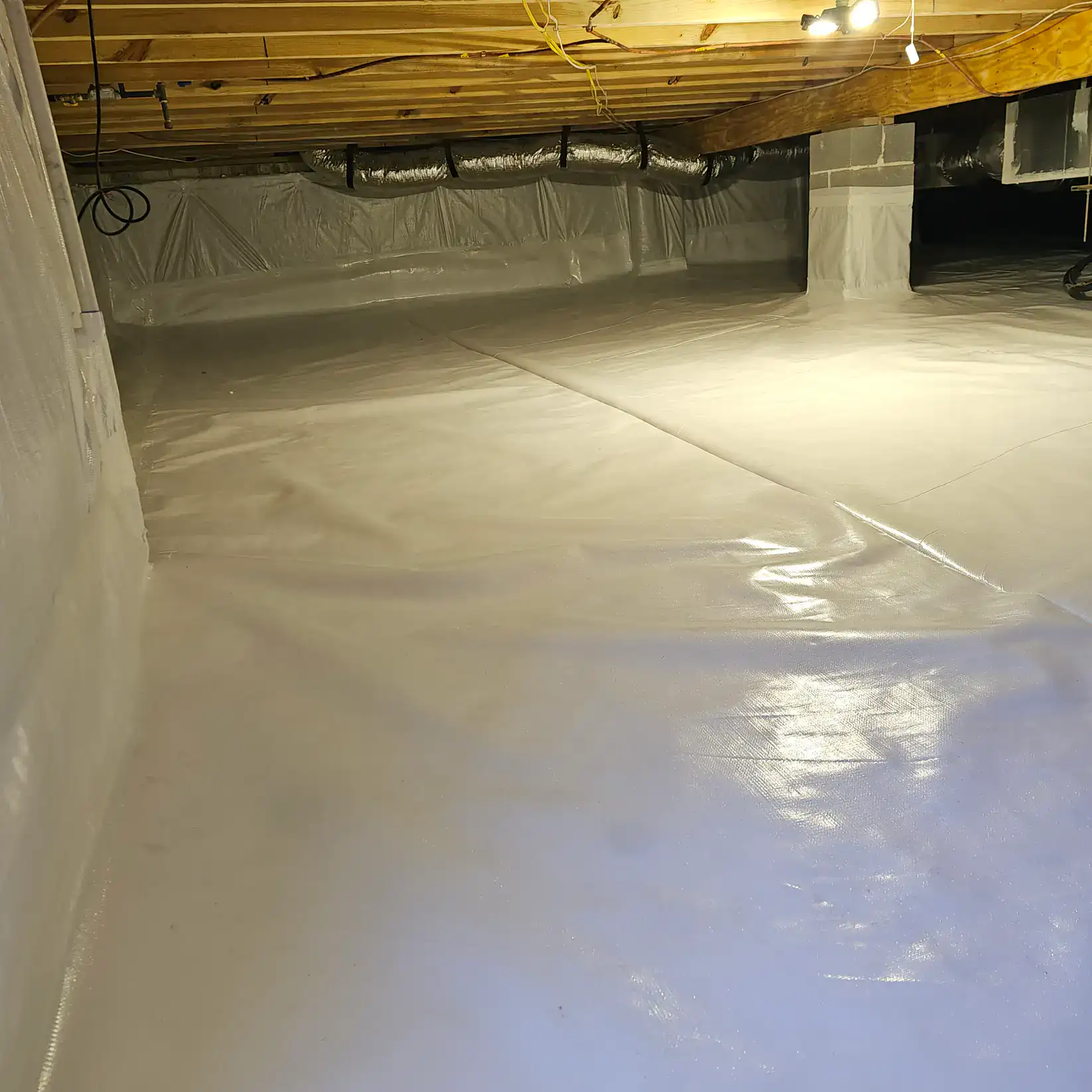
Where the mold is growing matters more than almost anything else when it comes to pricing. A small bathroom ceiling patch is a very different job from a full crawl space remediation — both in labor and in what it takes to do it right.
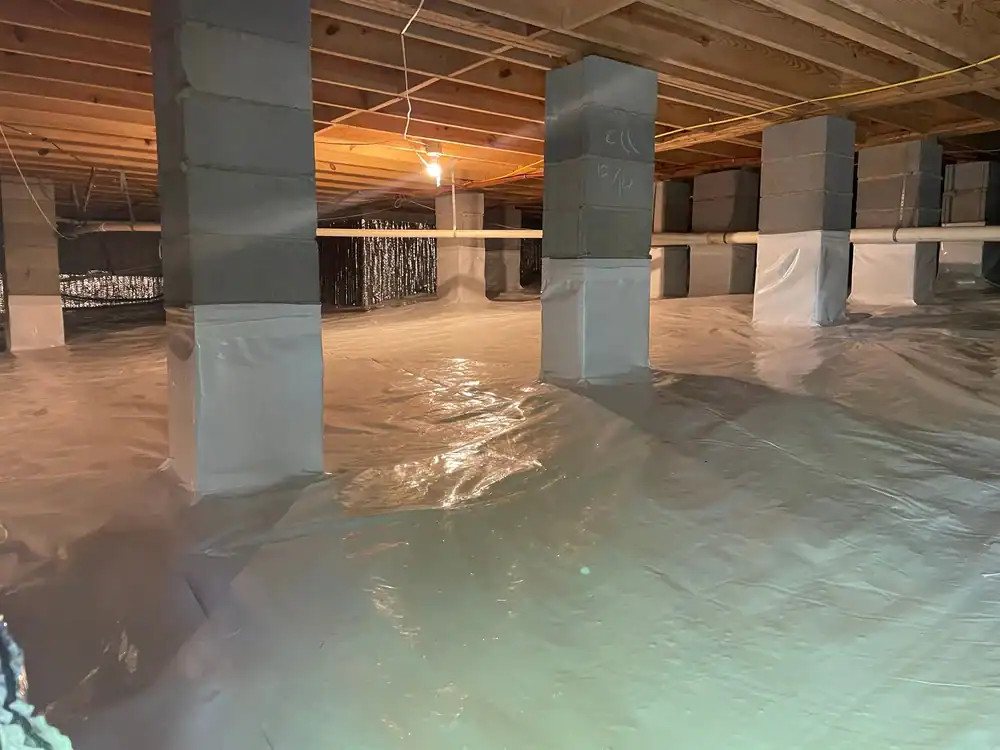
For crawl spaces, which are the most common mold problem we see in Guilford County homes, expect to pay somewhere between $1,500 and $4,000 depending on the size of the space and how accessible it is. Tight crawl spaces with limited clearance take longer and require more care, which adds to the cost. If the mold has reached the floor joists or the subfloor above, that scope expands further.
HVAC systems and ductwork are on the higher end of the range. Mold inside a furnace or air handler can cost $3,000 to $5,000 to address properly, and central air systems with extensive ductwork can run higher. This matters in Guilford County because up to 40% of the air circulating through your home comes from the crawl space — and if that space has mold, the ductwork often does too. The two problems are connected more often than homeowners realize.
Attic mold tends to fall in the middle of the range, typically $1,500 to $4,000, depending on size and whether roof decking or insulation needs to be replaced. Bathroom and small surface areas are usually on the lower end — sometimes under $1,000 if the growth is contained and the surface is non-porous. But small visible patches are often the tip of a larger problem hiding behind drywall or under flooring, which is why a proper inspection matters before any work begins.
The bottom line: location drives cost because it determines how hard the mold is to reach, how much containment is required, and what materials may need to come out.
The single fastest way to turn a manageable mold problem into an expensive one is to delay. Mold can spread through a property in as little as 48 hours under the right conditions — and Guilford County’s summer humidity gives it exactly those conditions.
A crawl space with a small moisture intrusion and early-stage mold growth is a containable job. That same crawl space, left untreated through a Greensboro summer, can become a structural problem. Once mold works its way into floor joists, it compromises the wood itself. At that point, you’re not just paying for mold cleaning — you’re paying for structural repairs on top of it. A job that might have cost $1,500 to $2,000 addressed early can escalate to $4,000 or more once the damage is done.
There’s also the air quality angle. Mold in a crawl space doesn’t stay in the crawl space. It moves up through gaps in the floor, through HVAC returns, and into the living areas of your home. Families in older homes in neighborhoods like Sunset Hills or Westerwood — where vented crawl spaces are common and moisture control is often outdated — sometimes spend months dealing with allergy symptoms before anyone thinks to look underneath the house.
The cost of waiting isn’t just financial. It’s the weeks of unexplained congestion, the musty smell that guests notice before you do, the HVAC system working harder because it’s pulling air through a contaminated space. Catching mold early is almost always cheaper, faster, and less disruptive than dealing with it after it’s had time to establish itself.
Want live answers?
Connect with a Clean Air LLC expert for fast, friendly support.
Black mold gets more attention than almost any other household problem, and a lot of that attention is driven by fear rather than facts. Let’s clear a few things up before talking about what black mold remediation actually costs.
Not all dark-colored mold is Stachybotrys chartarum — the species most people mean when they say “black mold.” Many common mold types are dark in color and still warrant professional attention, but the remediation process and cost vary based on the species, the surface it’s growing on, and how far it’s spread — not just the color.
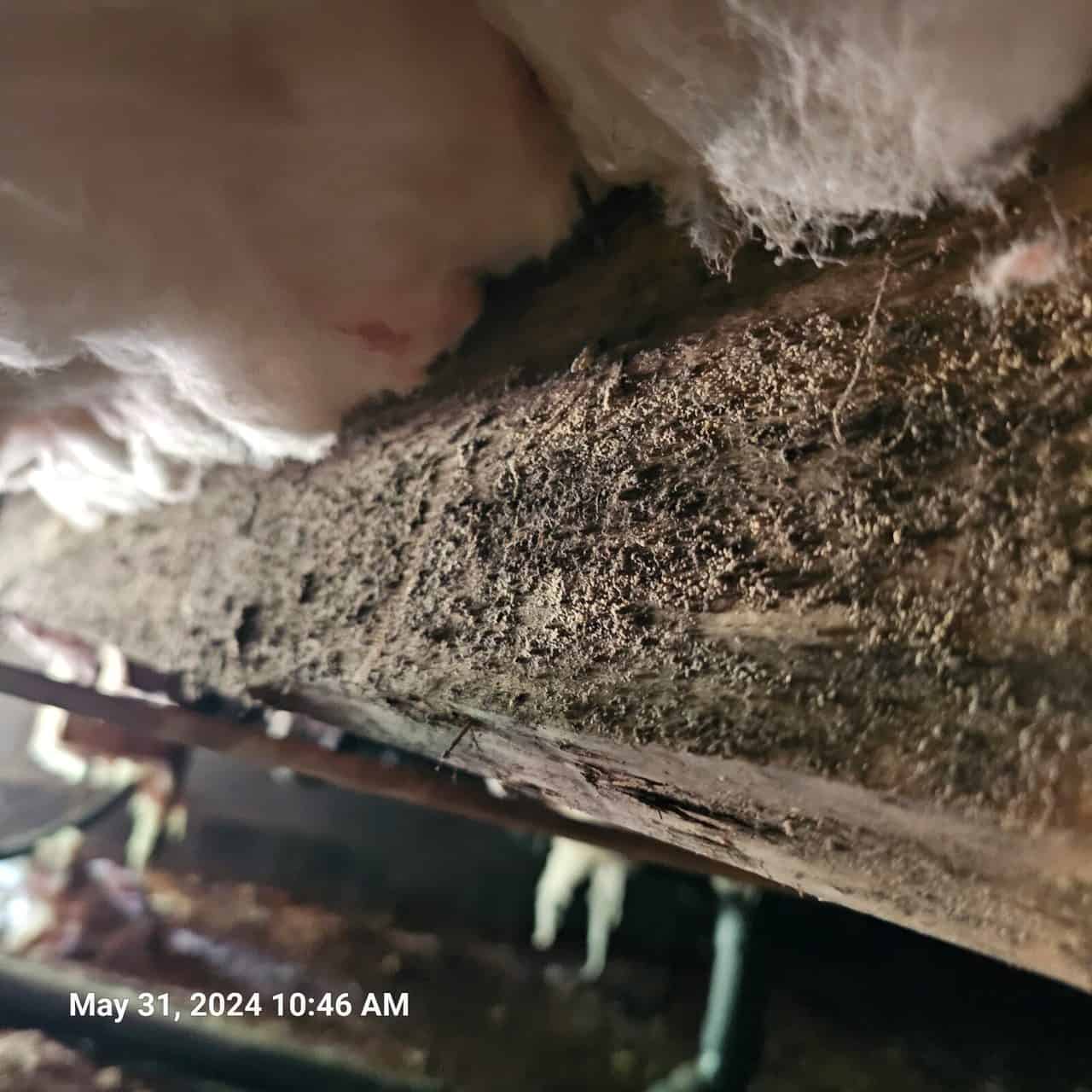
True Stachybotrys growth typically costs more to remediate than other mold types, for a few reasons. It tends to grow on materials with high cellulose content — drywall, wood, insulation — and it often requires those materials to be removed rather than treated in place. The containment protocols are more stringent, the disposal requirements are more involved, and the job generally takes longer.
For a contained area of black mold growth — say, a section of drywall or a portion of a crawl space — you’re likely looking at costs in the $2,000 to $6,000 range depending on scope. Larger infestations or those involving structural materials can go higher.
Here’s what matters when you’re hiring in Guilford County: in North Carolina, there is no mandatory mold remediation license. Anyone can legally call themselves a mold remediation company without holding a single credential. It means the cheapest quote you get might be coming from someone with no formal training, no containment protocol, and no accountability if the mold comes back.
The credential that actually means something in this industry is IICRC AMRT — Applied Microbial Remediation Technician. It’s the hands-on field certification for mold remediation, requiring coursework, a prerequisite certification, and a proctored exam. When you’re hiring someone to work inside your home on a problem that affects your family’s air, that distinction matters. We hold that certification, and it’s one of the reasons we’ve been trusted in Guilford County homes for over 30 years.
When you’re comparing quotes for black mold remediation, ask specifically whether the technicians performing the work are IICRC AMRT certified. If they can’t answer that clearly, that’s worth knowing before you sign anything.
This is one of the most common questions we hear, and the honest answer is: it depends, but usually not in the way homeowners hope.
Standard homeowner’s insurance policies in North Carolina typically do not cover mold removal unless the mold resulted directly from a covered peril — like a burst pipe or an appliance leak that was sudden and accidental. If the mold developed gradually over time due to moisture buildup, a vented crawl space, or chronic humidity — which describes the majority of mold cases we see in Guilford County — it’s generally excluded.
This is important to understand before you start a claim, because filing for something that isn’t covered can affect your policy without getting you any money. If you had a pipe burst or a water heater failure that led to mold growth, document everything and contact your insurer promptly. If the mold is the result of long-term moisture conditions — the far more common scenario in Greensboro’s older housing stock — you’ll likely be paying out of pocket.
That’s one of the reasons we offer a free inspection. Before you commit to any cost, we’ll come out and tell you what you’re actually dealing with. No obligation, no pressure — just a clear picture of the scope so you can make an informed decision. For homeowners in Guilford County who aren’t sure whether what they’re seeing is a small surface issue or something that’s been building for years, that starting point matters. It also gives you documentation of the condition before any work begins, which can be useful if you do have a valid insurance angle to explore.
Don’t assume insurance will cover it, but don’t assume it won’t either. Get the inspection first, then have the conversation with your insurer with actual documentation in hand.
Mold removal cost in Greensboro ranges from a few hundred dollars for a small, contained surface problem to several thousand for a crawl space or HVAC remediation — and the gap between those numbers is mostly determined by how early you catch it, where it’s growing, and who you hire to fix it.
In a state with no mandatory mold licensing, the credential on the wall and the years of local experience behind the work matter more than they would in a regulated market. Guilford County’s clay soil, Piedmont humidity, and older housing stock create conditions that reward getting this right the first time.
If you’re trying to figure out what you’re dealing with before you budget for anything, the right first step is a free inspection. Clean Air LLC has been doing this work in Guilford County since the early 1990s — we’ve seen what this climate does to homes, and we’ll give you a straight answer about what yours needs.
Summary:
Share: