
Contact Info
- Greensboro, NC 27406
- Call: 336-707-0498
- Text: 336-707-0498
-
Mon - Fri: 8am - 4pm
Sat - Sun: Closed
Contact Info
French drain systems offer powerful protection against Greensboro's heavy rainfall and challenging clay soil, preventing foundation damage while keeping your property dry year-round.
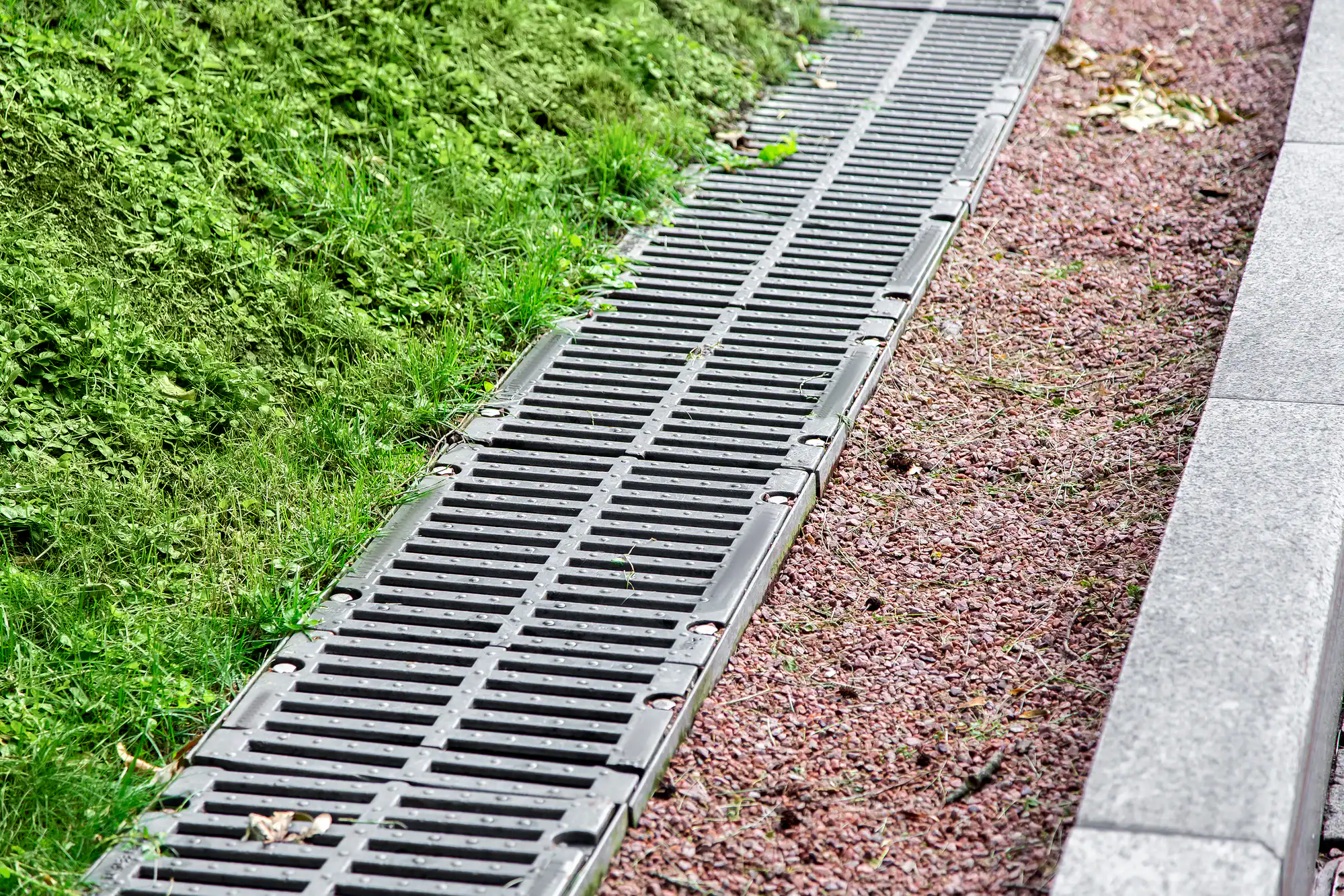
A French drain is a trench filled with gravel and a perforated pipe designed to collect and redirect groundwater away from your foundation. It works with gravity, not against it. Water flows into the gravel, enters the pipe through perforations, and gets channeled to a safer discharge point—away from your home.
The system sits underground, which means it’s handling water before it becomes a surface problem. That’s the difference between managing an issue and reacting to one. In Greensboro’s clay-heavy soil, this landscape drainage solution matters even more because clay doesn’t drain naturally—it holds water, expands, and puts pressure on whatever’s nearby.
Greensboro sits on some of the most challenging soil conditions in North Carolina. The clay content here doesn’t just slow drainage—it actively works against it. When clay gets wet, it swells. When it dries, it contracts. That cycle creates movement, and movement creates pressure on foundations, slabs, and anything else in contact with the soil.
During heavy rain—and Greensboro gets more than the national average at 45 inches annually—water can’t filter down through compacted clay layers. Instead, it pools on the surface or saturates the soil directly around your foundation. That’s when you start seeing the signs: cracks in walls, doors that stick, uneven floors, or water seeping into crawl spaces and basements.
French drain installation addresses this by intercepting water before it saturates the soil around your home. The perforated pipe collects groundwater and surface runoff, giving it a controlled path away from vulnerable areas. It’s not about fighting the soil—it’s about working with the reality of what clay does and designing around it.
The installation process matters here. In clay-heavy conditions, the trench depth, slope, and gravel type all need to account for slower natural percolation. That’s why professional installation isn’t just recommended—it’s necessary for long-term performance. Systems installed without understanding local soil behavior tend to clog, shift, or fail within a few years.
You’re not just installing a pipe in a trench. You’re creating a permanent water management system that has to function during Greensboro’s wettest months and driest spells. The gravel provides filtration. The landscape fabric prevents soil migration into the pipe. The slope ensures consistent flow toward the discharge point. Miss any of these elements, and you end up with a drainage system that works for a season or two before problems emerge.
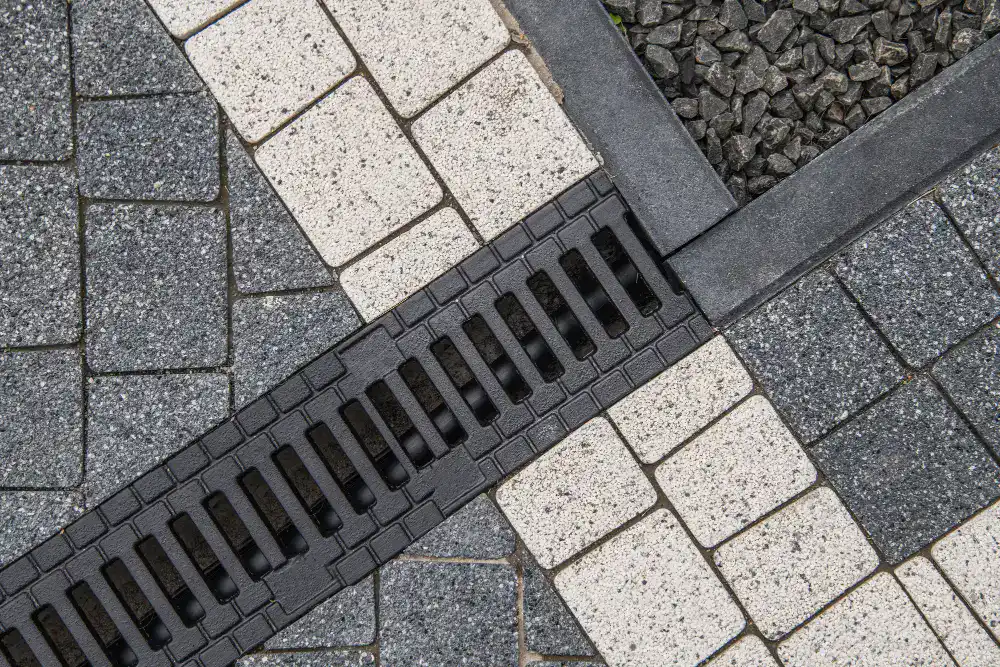
There’s often confusion between French drains and surface drainage options like trench drains or channel drains. They’re not interchangeable. French drains manage subsurface water—the moisture moving through soil and collecting around foundations. Trench drains handle surface water—the runoff you see pooling on driveways, patios, or low-lying yard areas.
Both have their place in comprehensive landscape drainage solutions, but they solve different problems. If water is pooling on your driveway after every rain, a trench drain with a grated top might be the right call. If you’re dealing with a damp crawl space, foundation cracks, or soggy yard areas that never seem to dry out, you’re looking at a subsurface issue—and that’s where French drains come in.
The distinction matters because the wrong solution wastes money and doesn’t fix the problem. A trench drain won’t help with groundwater pressure against your foundation. A French drain won’t clear standing water from a flat patio. Understanding what’s happening with the water on your property—where it’s coming from, where it’s going, and where it’s getting stuck—determines which system makes sense.
In many Greensboro properties, the answer is both. Surface drainage handles immediate runoff from storms, while French drains manage the slower, more persistent moisture that saturates soil and threatens structural integrity. When designed together, they create a comprehensive approach to waterproofing and water management that addresses multiple entry points and flow patterns.
The key is assessment. Walking your property during and after rain, noting where water collects, how long it takes to clear, and whether certain areas stay damp even days after a storm—that tells you what you’re dealing with. From there, the right drainage strategy becomes clearer. You might need a French drain along the foundation perimeter, a trench drain across a sloped driveway, and proper grading to direct water away from the house. Each element serves a specific function in keeping your property dry.
Want live answers?
Connect with a Clean Air LLC expert for fast, friendly support.
Climate resilience isn’t about preparing for last decade’s weather—it’s about designing for the patterns we’re seeing now and the ones projected ahead. Greensboro has experienced flash flooding, prolonged wet periods, and the kind of rainfall intensity that overwhelms older drainage infrastructure. French drains fit into that reality by managing water at the source, before it becomes a crisis.
Here’s what they actually do for your property. These aren’t theoretical benefits—they’re the practical outcomes of redirecting water away from the areas that matter most.

Your foundation supports everything. When water saturates the soil around it, that support becomes unstable. Clay soil expands when wet, putting lateral pressure on foundation walls. It contracts when dry, creating voids and uneven settling. Both cause cracks, shifts, and long-term structural damage that only gets worse with time.
French drains intercept water before it reaches the foundation perimeter. By collecting groundwater and channeling it away, they reduce hydrostatic pressure—the force that pushes moisture through foundation walls and into basements or crawl spaces. Less pressure means fewer cracks, less seepage, and a more stable base for your home.
This isn’t just about avoiding dramatic foundation failures. It’s about preventing the slow, incremental damage that compounds over years. A small crack becomes a larger one. Minor seepage turns into persistent dampness. Damp conditions lead to mold, wood rot, and compromised structural members. French drains stop that progression by controlling the water that starts it.
The cost of foundation repair in Greensboro can run into tens of thousands of dollars depending on severity. Underpinning, wall stabilization, crack injection—all of it stems from water issues that could have been managed earlier. A properly installed French drain system is a fraction of that cost and addresses the root cause rather than the symptom.
For properties built on sloped terrain, the risk increases. Water naturally flows downhill, and if your home sits at a low point or the grading directs runoff toward your foundation, you’re dealing with concentrated water volume during every storm. French drains installed along the uphill side intercept that flow before it reaches your foundation, redirecting it to a safer discharge point. That’s waterproofing from the outside in—managing water before it ever tests your foundation’s integrity.
Basements and crawl spaces are the first places water shows up when drainage fails. You might see it as puddles on a basement floor, damp insulation in a crawl space, or just that persistent musty smell that means moisture is present even if you can’t see standing water. All of it traces back to groundwater that has nowhere else to go.
French drains installed around the exterior perimeter of your foundation create a barrier. Water moving through the soil encounters the gravel-filled trench and perforated pipe before it reaches foundation walls. Instead of seeping through cracks or joints, it enters the drainage system and gets routed away. The result is a drier basement or crawl space without the need for constant dehumidification or sump pump cycling.
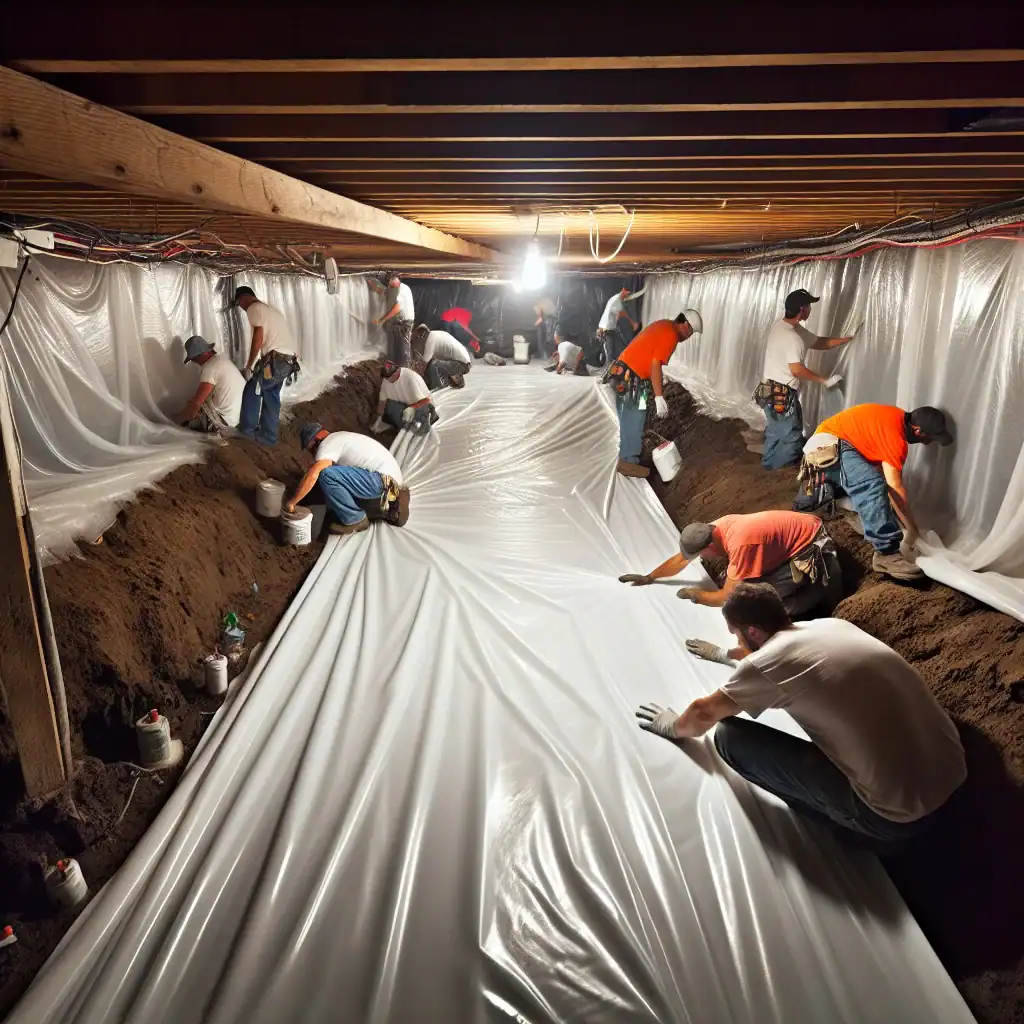
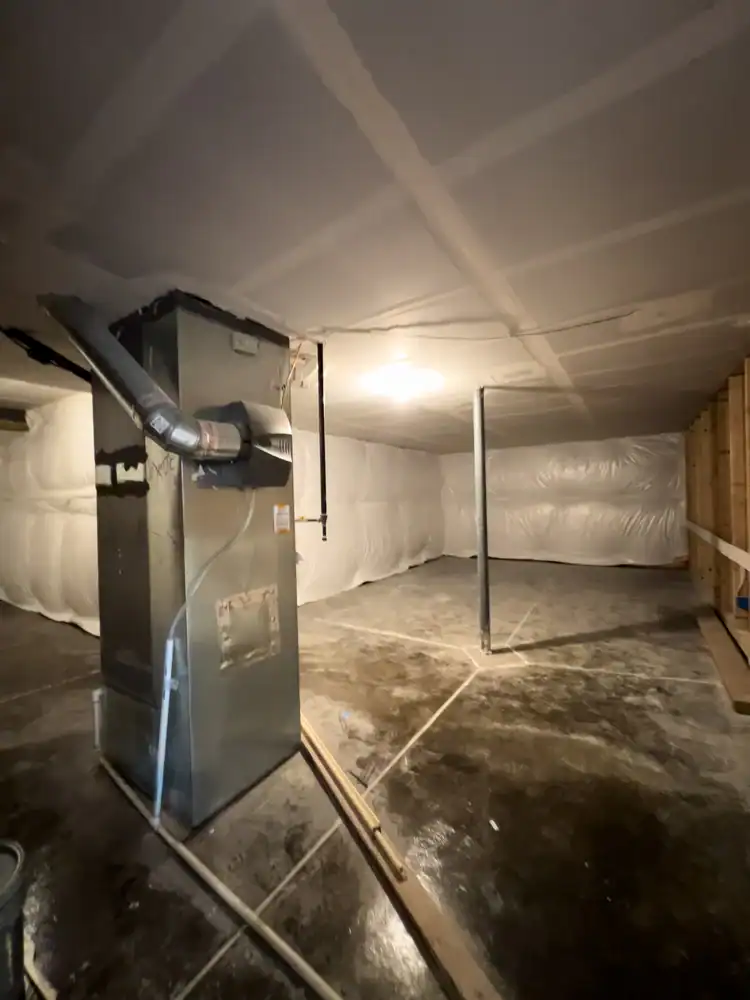
For crawl spaces, moisture control is especially critical. High humidity in that enclosed space promotes mold growth, wood rot, and insect activity. It also affects indoor air quality throughout the home, since air from the crawl space moves upward into living areas. A French drain system combined with proper crawl space encapsulation creates a comprehensive moisture management approach that protects both the structure and the air you breathe.
Sump pumps often work in tandem with French drains. The drain collects and channels water to a sump basin, where the pump activates and discharges it away from the property. This setup is common in areas with high water tables or properties that experience significant groundwater pressure during wet seasons. The French drain does the collection work; the sump pump provides the mechanical assist to move water upward and out.
Flooding during heavy rain isn’t always dramatic. Sometimes it’s just a few inches of water that recedes within hours—but those few inches can ruin flooring, damage stored items, and create conditions for mold that persists long after the water is gone. French drains reduce the likelihood of that scenario by managing water before it accumulates to problematic levels.
Benefit 3: Erosion Control and Landscape Preservation
Your yard’s topsoil didn’t appear overnight, and it won’t last long if water is constantly washing it away. Erosion creates ugly gullies, exposes plant roots, and damages the grading you’ve worked to establish. French drains intercept water before it gains enough velocity to move soil, redirecting it through the underground pipe system instead of across your landscape.
This matters for more than aesthetics. Erosion near your foundation can create low spots where water pools, undermining the very problem you’re trying to solve. It damages flower beds, kills grass, and turns landscaping investments into muddy washouts. By controlling water flow underground, French drains keep your landscape intact while still managing drainage effectively.
Benefit 4: Reduced Mold and Mildew Growth
Excess moisture creates perfect conditions for mold and mildew—in crawl spaces, basements, and even within wall cavities where you can’t see it developing. French drains reduce that moisture by preventing water from saturating soil around your foundation and seeping into your home’s lower levels.
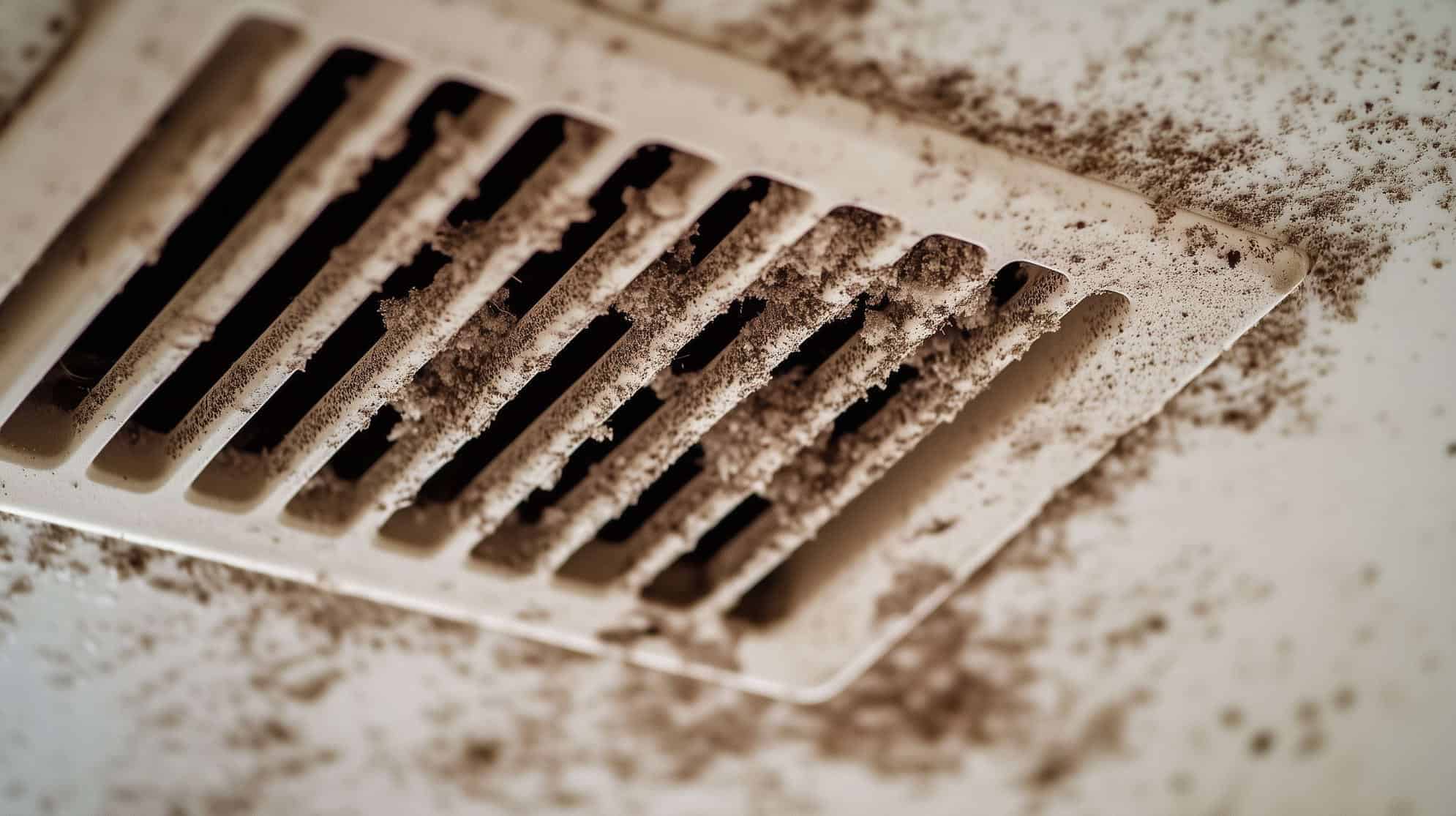
This isn’t just about musty smells. Mold affects indoor air quality and can trigger respiratory issues, allergies, and other health concerns. When you control moisture at the source—before it enters your home—you’re protecting both your property and the people living in it.
Benefit 5: Increased Property Value and Marketability
A well-documented drainage system is a selling point. It tells potential buyers that water management has been addressed professionally, reducing their risk and giving them confidence in the property’s condition. Homes with known drainage issues sit on the market longer and sell for less. Homes with solutions in place move faster and command better prices.
Beyond the transaction, French drains protect the investment you’ve already made. Foundation repairs, mold remediation, landscape restoration—all of those costs get avoided when water is managed properly from the start.
Benefit 6: Low Maintenance and Long-Term Performance
Once installed correctly, French drains require minimal ongoing maintenance. Periodic inspection to check for clogs or root intrusion is recommended, but compared to constantly running dehumidifiers, repairing water damage, or dealing with recurring flooding, the maintenance burden is negligible.
The system works passively—no moving parts, no electricity, no complex controls. Gravity does the work. As long as the slope is correct and the pipe remains clear, water flows where it’s supposed to go. That simplicity translates to reliability and longevity.
Benefit 7: Climate Adaptation and Future-Proofing
Rainfall patterns are changing. Greensboro has seen flash flooding events that weren’t common a generation ago. Storms drop more water in shorter timeframes, overwhelming drainage infrastructure designed for different conditions. French drains offer a scalable, adaptable solution that can be expanded or modified as needs change.
Installing a French drain system now is planning for the next twenty years, not just the next storm. It’s acknowledging that water management is an ongoing requirement, not a one-time fix, and choosing a solution that can grow with your property’s needs.
Water management isn’t optional in Greensboro. The soil, the rainfall, and the climate trends all point toward the same reality: properties need systems that handle moisture effectively, or they’ll deal with the consequences. French drain installation is one of the most reliable landscape drainage solutions for addressing subsurface water issues before they become structural problems.
The seven benefits covered here—foundation protection, basement and crawl space moisture control, erosion prevention, landscape preservation, mold reduction, property value protection, and climate adaptability—aren’t isolated advantages. They’re interconnected outcomes of a single decision: giving water a controlled path away from your property.
If you’re seeing signs of drainage issues, or if you’re planning ahead to protect your investment, it’s worth having a professional assessment. We’ve been serving Greensboro since 1991, and we understand how local soil and weather conditions affect properties in this area. We’ll evaluate your specific situation and recommend waterproofing and drainage solutions that make sense for your property and your budget.
Summary:
Share: