
Contact Info
- Greensboro, NC 27406
- Call: 336-707-0498
- Text: 336-707-0498
-
Mon - Fri: 8am - 4pm
Sat - Sun: Closed
Contact Info
Property managers face constant pressure to control costs, keep tenants happy, and maintain compliance. Commercial duct cleaning addresses all three—and it's becoming non-negotiable.
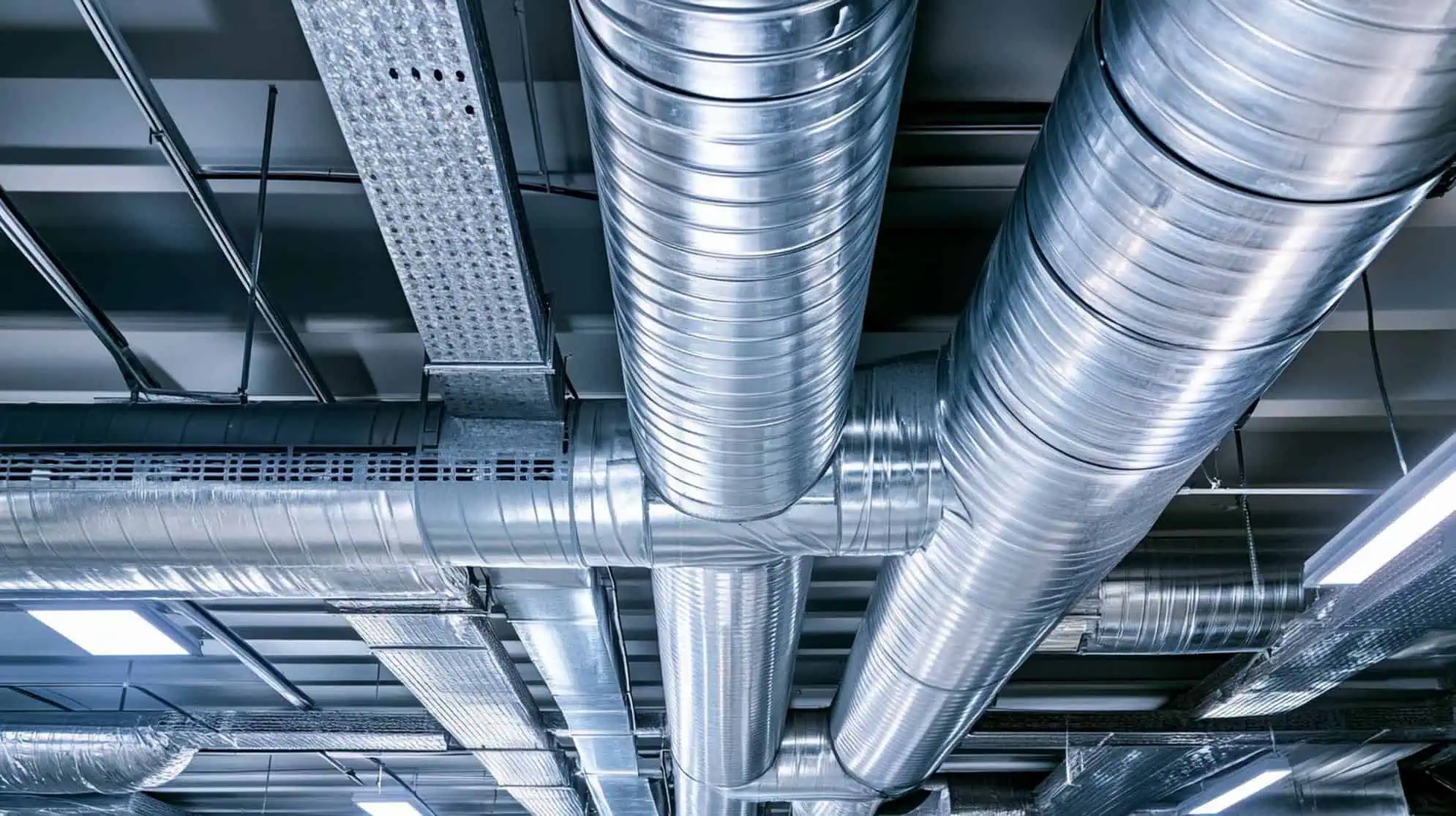
HVAC systems account for roughly 40% of the total energy consumption in most commercial buildings. That’s not a small line item on your operating budget. When ductwork gets clogged with dust, debris, and accumulated grime, your system has to work significantly harder to push air through those obstructed pathways.
Think of it like trying to breathe through a straw versus breathing normally. Your HVAC system is doing the same thing when ducts are dirty—straining, overworking, consuming more energy to achieve the same result. Studies have shown that cleaning HVAC systems and ductwork can improve overall efficiency by up to 20%, which translates directly to lower energy bills.
For property managers overseeing multiple buildings or large facilities, that efficiency gain isn’t abstract. It’s real money staying in your budget instead of going to the utility company. And in an industry where margins matter, those savings add up fast.
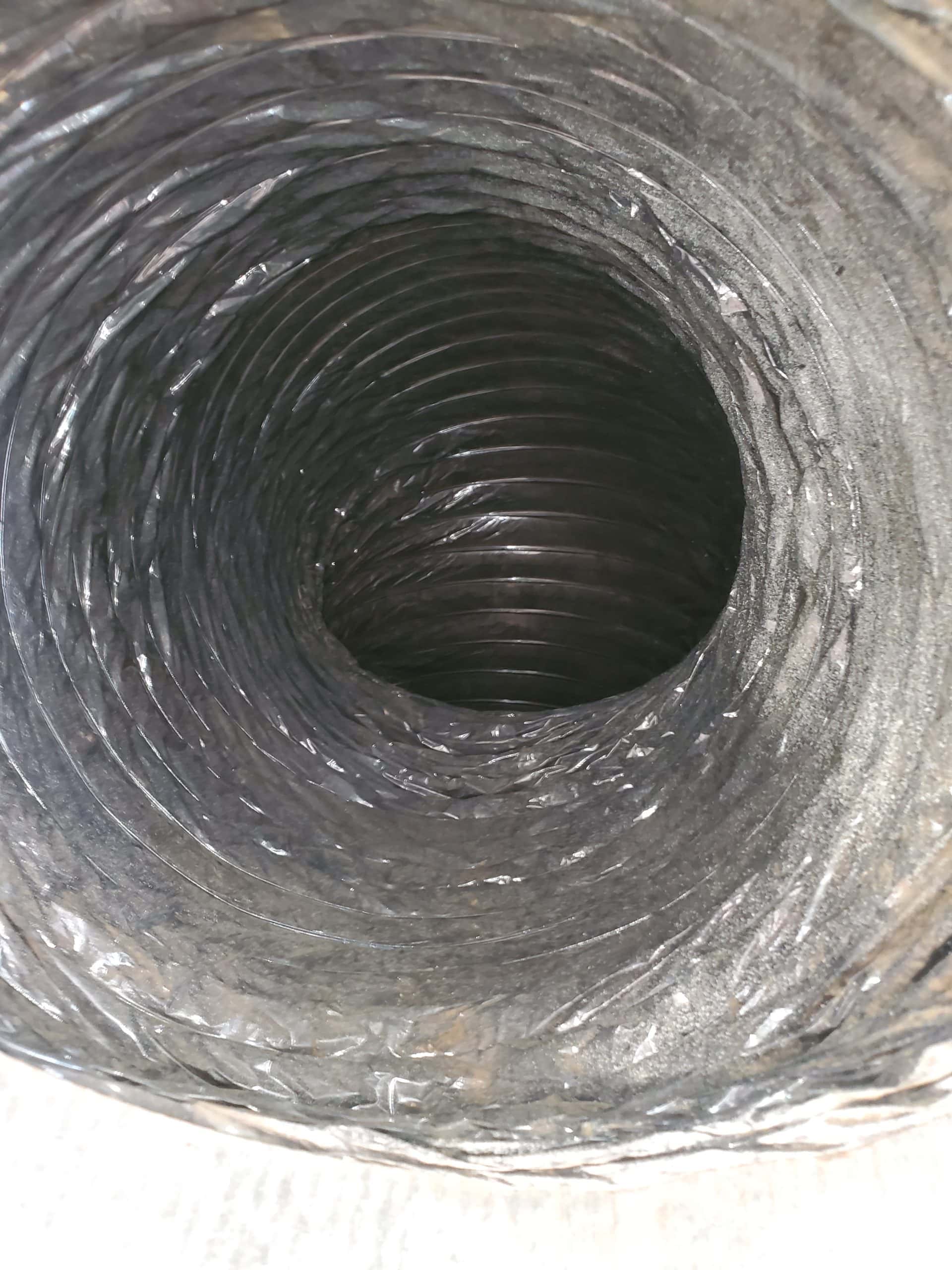
Airflow is everything in a commercial HVAC system. When air can’t move freely through the ductwork, the entire system compensates by running longer cycles, increasing fan speeds, and putting extra strain on components that weren’t designed to operate under those conditions.
Contaminated ducts create resistance. Dust buildup along duct walls, debris lodged in corners, and biological growth like mold all narrow the pathways where air should flow smoothly. The result? Uneven temperatures across different zones, hot and cold spots that generate tenant complaints, and HVAC units that never seem to shut off.
Property managers often notice this pattern: certain areas of the building are always too warm or too cold, no matter how many times you adjust the thermostat. That’s usually a sign of restricted airflow caused by dirty ductwork. The system is running, but the air isn’t reaching where it needs to go efficiently.
Professional duct cleaning removes those obstructions and restores proper airflow. When air moves freely again, your HVAC system doesn’t have to compensate. It runs the way it was designed to run—efficiently, evenly, and without the constant strain that leads to premature wear.
You’ll see the difference in your energy bills, but you’ll also notice it in how the building feels. Consistent temperatures. Better air circulation. Fewer complaints about comfort issues. Those are the tangible results of ductwork that’s actually doing its job.
Energy costs aren’t going down. If anything, property managers are dealing with rising utility rates while trying to keep operating expenses under control. Every dollar spent on excess energy consumption is a dollar that could have gone toward property improvements, maintenance reserves, or simply improving your bottom line.
But energy efficiency isn’t just about cost savings anymore. Tenants and investors are paying closer attention to sustainability practices and energy performance. Buildings with poor energy efficiency are harder to lease, harder to sell, and less attractive to the kinds of tenants who sign long-term agreements.
Clean ductwork plays a direct role in energy performance. When your HVAC system operates efficiently, you’re not just saving money on monthly bills—you’re also reducing the wear and tear that shortens equipment lifespan. That means fewer emergency repairs, less downtime, and a longer interval before you’re facing a major capital expense for system replacement.
Property managers who prioritize commercial duct cleaning as part of their preventive maintenance strategy are making a smart financial decision. They’re protecting their HVAC investment while simultaneously reducing operating costs. It’s one of those rare situations where doing the right thing for the building also happens to be the right thing for the budget.
The EPA has noted that improving HVAC system cleanliness can lead to measurable energy savings. For large facilities, where HVAC systems run constantly to maintain comfortable environments for hundreds of occupants, those savings become significant over time. You’re not just cleaning ducts—you’re optimizing one of the largest energy consumers in your building.
Want live answers?
Connect with a Clean Air LLC expert for fast, friendly support.
Property managers don’t get to ignore regulations. OSHA, EPA, ASHRAE, and NADCA all have standards related to indoor air quality and HVAC system maintenance. Depending on your facility type—especially if you’re managing healthcare properties, educational institutions, or food service facilities—those standards aren’t suggestions. They’re requirements.
Commercial duct cleaning helps you meet those compliance requirements. NADCA’s ACR Standard provides the benchmark for proper HVAC system cleaning and restoration. When you work with NADCA-certified contractors, you’re following protocols that align with industry best practices and regulatory expectations.
Indoor air quality has moved from a nice-to-have to a must-have, particularly after recent years when ventilation and air quality became front-page concerns. Tenants are more aware. Employees are asking questions. And if your building’s air quality is subpar, you’re going to hear about it—either through complaints or through vacancies.

The National Air Duct Cleaners Association sets the standard for HVAC system cleaning through their ACR Standard—Assessment, Cleaning, and Restoration. This isn’t marketing language. It’s a detailed protocol that outlines how HVAC systems should be assessed, cleaned, and restored to proper cleanliness levels.
For property managers, working with NADCA-certified contractors means you’re getting service that follows established best practices. These contractors have trained technicians, proper equipment, and a commitment to doing the job right rather than cutting corners to save time.
The ACR Standard addresses everything from how to access ductwork for cleaning to how to verify that the job was done properly. It includes guidelines for handling different types of contamination, from dust and debris to mold and biological growth. When you hire a NADCA member company, you’re hiring someone who’s accountable to those standards.
This matters for compliance, but it also matters for liability. If a tenant or employee develops health issues related to poor indoor air quality, you want documentation showing that you took appropriate maintenance steps. Working with certified contractors who follow NADCA standards gives you that documentation.
Property managers should ask contractors about their NADCA certification, how many certified technicians they have on staff, and whether they follow the ACR Standard for all commercial duct cleaning projects. Those aren’t difficult questions, but the answers tell you a lot about whether you’re dealing with a professional operation or someone who’s just going through the motions.
Indoor air quality directly affects the health of everyone in your building. Dirty ductwork circulates dust, allergens, mold spores, and other contaminants throughout the facility every time the HVAC system runs. For people with respiratory issues, allergies, or compromised immune systems, that’s a real problem.
Property managers who ignore duct cleaning are taking on unnecessary liability. If tenants can demonstrate that poor air quality in your building contributed to health problems, you could be facing complaints, legal action, or simply the reputational damage that comes from running a facility people don’t want to occupy.
The CDC has noted that approximately 50% of HVAC systems are affected by mold. That’s not a small percentage. Mold growth in ductwork happens when moisture accumulates—and in commercial buildings with complex HVAC systems, moisture issues are common. Once mold takes hold, it spreads easily through the duct system, circulating spores into occupied spaces.
Professional commercial duct cleaning addresses these contamination issues before they become health hazards. Technicians remove dust buildup, address moisture problems, and eliminate biological growth that compromises air quality. The result is cleaner air circulating through your building and fewer complaints from tenants about respiratory issues, allergies, or unpleasant odors.
This isn’t just about avoiding lawsuits. It’s about creating an environment where people can work, live, or conduct business without worrying about the air they’re breathing. Property managers who prioritize indoor air quality through regular duct cleaning are making a statement about the kind of facility they run—one that values occupant health and takes maintenance seriously.
HVAC systems represent a major capital investment. Replacing a commercial HVAC system isn’t cheap, and the disruption that comes with a major system failure can affect your entire building. Property managers who want to protect that investment and delay expensive replacements need to think about preventive maintenance—and duct cleaning is a critical part of that strategy.
Well-maintained HVAC systems can last 30-50% longer than neglected systems. That’s not a minor difference. A system that might fail after 9-10 years with poor maintenance could easily reach 15-20 years when properly cared for. The cost of regular duct cleaning is a fraction of what you’d spend on premature system replacement.
Dirty ductwork accelerates wear on HVAC components. When airflow is restricted, fans work harder. When systems run longer cycles to compensate for inefficiency, compressors and motors experience more stress. All of that extra strain shortens equipment lifespan and increases the likelihood of breakdowns.
Commercial duct cleaning removes the debris and contamination that cause that strain. Clean ducts mean better airflow, which means less stress on system components, which means longer equipment life. It’s a straightforward cause-and-effect relationship that too many property managers overlook until they’re dealing with an expensive emergency repair.
Summary:
Share: