
Contact Info
- Greensboro, NC 27406
- Call: 336-707-0498
- Text: 336-707-0498
-
Mon - Fri: 8am - 4pm
Sat - Sun: Closed
Contact Info
A musty smell that disappears and comes back isn't a mystery — it's a pattern. Here's what's actually driving it.
You noticed it last Tuesday. Checked the bathroom, sniffed under the sink, poked around the basement — nothing obvious. Then it faded and you moved on. But it’s back again, and this time it seems stronger. Sound familiar?
That pattern — smell it, lose it, smell it again — is one of the most common things homeowners describe before realizing they have a real indoor air quality problem. The good news is there’s a clear explanation for why it works that way. The frustrating part is that the smell disappearing doesn’t mean the problem did. Here’s what’s actually going on.
Most people assume a smell that goes away has resolved itself. With musty odors, that assumption is almost always wrong.
Mold releases compounds called mVOCs — microbial volatile organic compounds — as it grows and breaks down organic material. The intensity of that release isn’t constant. It rises and falls based on humidity levels, temperature, and airflow conditions inside your home. When those conditions shift, the smell either amplifies or temporarily fades. The mold itself hasn’t gone anywhere.
Think of it like a slow leak. You might only notice it when conditions are right — after heavy rain, when the AC kicks on, or on a particularly humid morning. The source is still active the rest of the time. You’re just not catching it.
Guilford County’s climate is genuinely one of the harder environments for keeping indoor moisture under control. Greensboro averages around 45 inches of rainfall per year, and summer humidity regularly hits 70% — with some days pushing close to 90%. Once indoor humidity climbs above 60%, mold can begin growing within 24 to 48 hours. That’s not a slow process.
When outdoor humidity spikes — say, after a summer thunderstorm or during a stretch of heavy August heat — the air inside your crawl space gets wetter. As that moisture rises, so does the mVOC output from any mold colonies living down there. You walk into the kitchen on a Thursday morning and the smell hits you out of nowhere. By Friday afternoon, it’s gone again because conditions shifted.
This is also why the smell often seems worse in the morning. Overnight, your HVAC system isn’t running as hard, air isn’t circulating, and humidity has had hours to settle and concentrate in lower areas of the home. You wake up, walk through the house, and catch it before the day’s ventilation dilutes it again.
The pattern isn’t random. It’s your home responding to moisture conditions that are changing constantly — and in Piedmont North Carolina’s climate, those conditions change a lot. Older homes in neighborhoods like Sunset Hills, Westerwood, or Lindley Park are especially prone to this because they were built before modern moisture management standards existed. Vented crawl spaces were the norm back then. In theory, outdoor air was supposed to dilute crawl space humidity. In practice, in a climate like Greensboro’s, those vents let in damp summer air and make the problem significantly worse.
Here’s where a lot of homeowners get confused. They smell something musty coming from a vent, assume the smell is “just in the air,” and wonder why it’s not consistent. The reason it comes and goes from the vents specifically is tied to when the system runs — and what the system is pulling in.
Return ducts are designed to pull air from inside your home back into the HVAC system to be conditioned and recirculated. But in many homes — particularly older ones in Guilford County — those ducts have gaps, loose joints, or connections that run through or near the crawl space. When the system kicks on, it creates negative pressure that draws air in from wherever it can find it. If there’s a pathway from the crawl space to the duct system, the system will pull that damp, mVOC-laden crawl space air directly into your living spaces and push it out through every vent in the house.
This is why the smell often gets noticeably stronger the moment the air conditioning turns on, then fades when the system cycles off. You’re not smelling ambient air — you’re smelling crawl space air that’s being actively distributed through your home on a schedule.
It also explains why the smell seems to come from everywhere at once rather than one specific spot. If you can’t identify a single room or area where it’s concentrated, and it seems to hit every part of the house at roughly the same time, the duct system is almost certainly involved. The source isn’t in your living room. It’s below your floors, and your HVAC is doing the delivery.
Up to 40% of the air circulating through your home can come from the crawl space. That’s not a small fraction — it’s nearly half the air your family breathes every day.
Want live answers?
Connect with a Clean Air LLC expert for fast, friendly support.
The most common frustration we hear from homeowners is some version of: “I’ve looked everywhere and I can’t find it.” That’s not a sign there’s nothing there. It’s a sign the source is somewhere you haven’t looked — or can’t easily access.
Crawl space mold, duct mold, and mold growing inside wall cavities are all invisible from the living area of the home. The smell is the only signal most homeowners ever get before the problem becomes significantly larger.
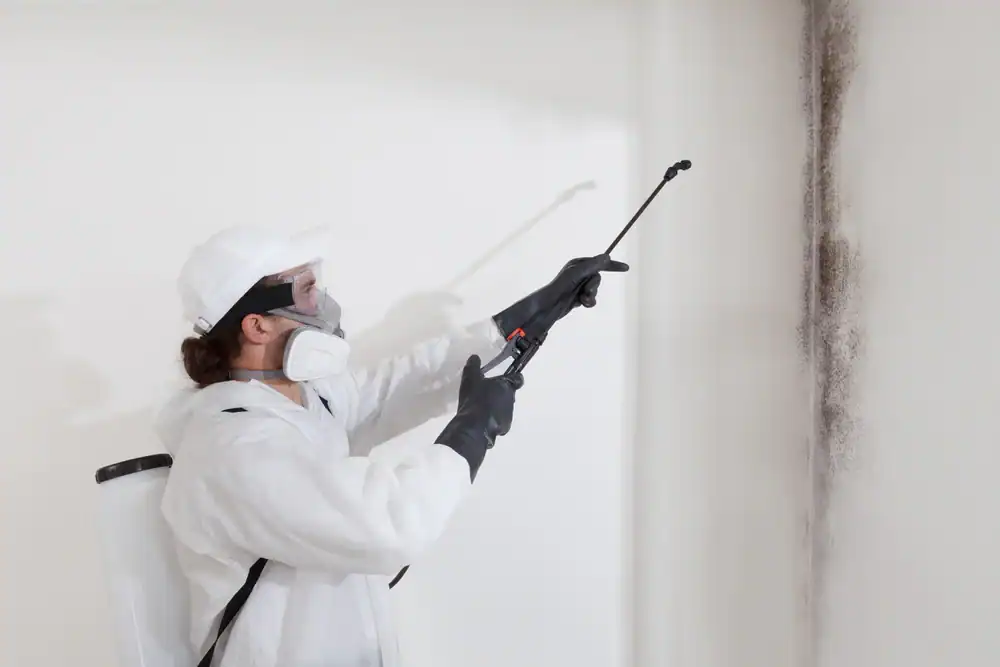
There are a few diagnostic steps you can take before calling anyone. None of them require special equipment — just attention to detail and some patience.
Start by paying attention to when and where the smell is strongest. If it’s worst at floor level and fades as you move higher in the room, that’s a strong indicator the source is below you — in the crawl space or subfloor. If it’s equally present throughout the house and gets stronger when the HVAC runs, the duct system is likely involved. If it’s concentrated in one room, especially one with exterior walls or plumbing, you may be dealing with a localized moisture issue like a slow pipe leak or poor drainage around the foundation.
Timing matters too. Does the smell appear or intensify after rain? That points toward moisture intrusion — water getting in around the foundation or through the crawl space vents. Does it show up at the start of a new season when you first run the heat or AC after months of inactivity? That’s often dormant mold colonies getting disturbed and reactivated by airflow and temperature change.
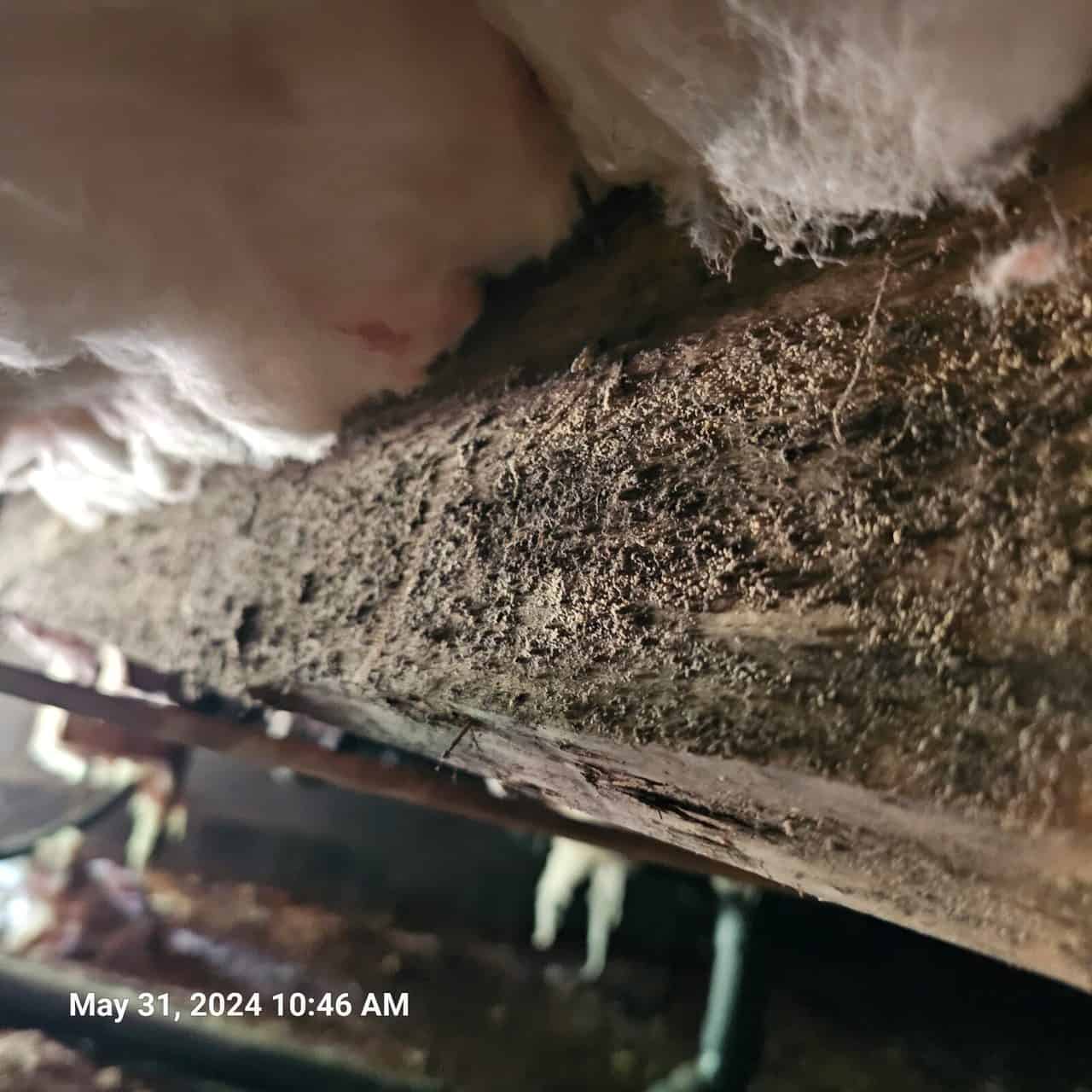
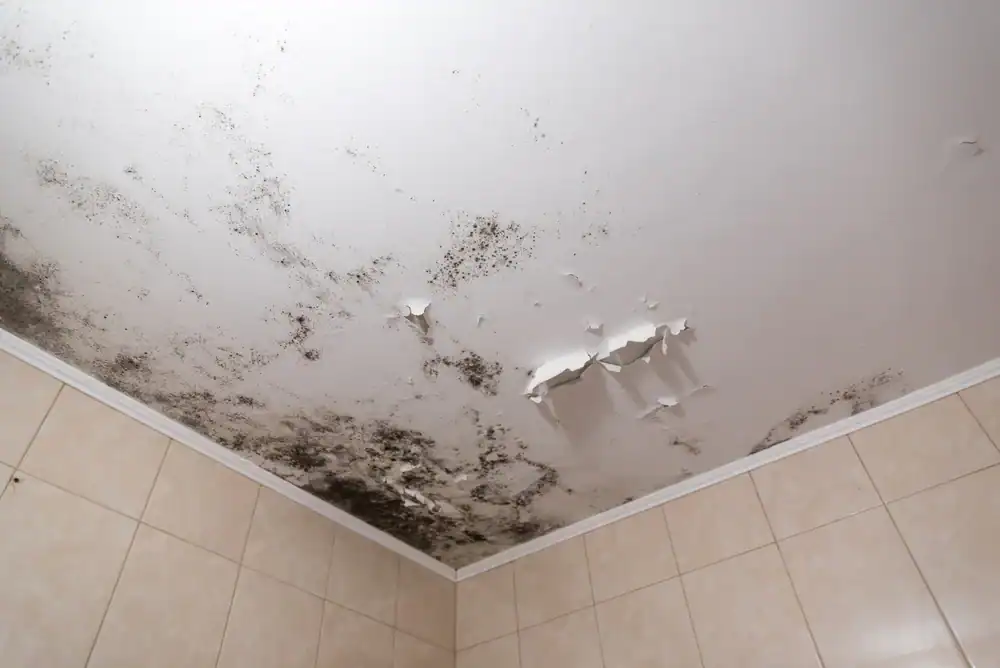
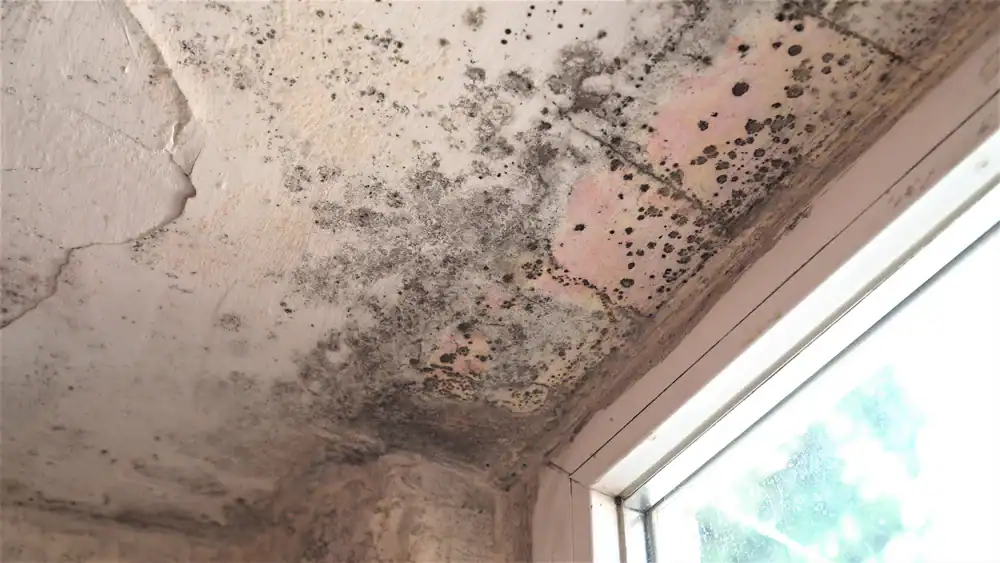
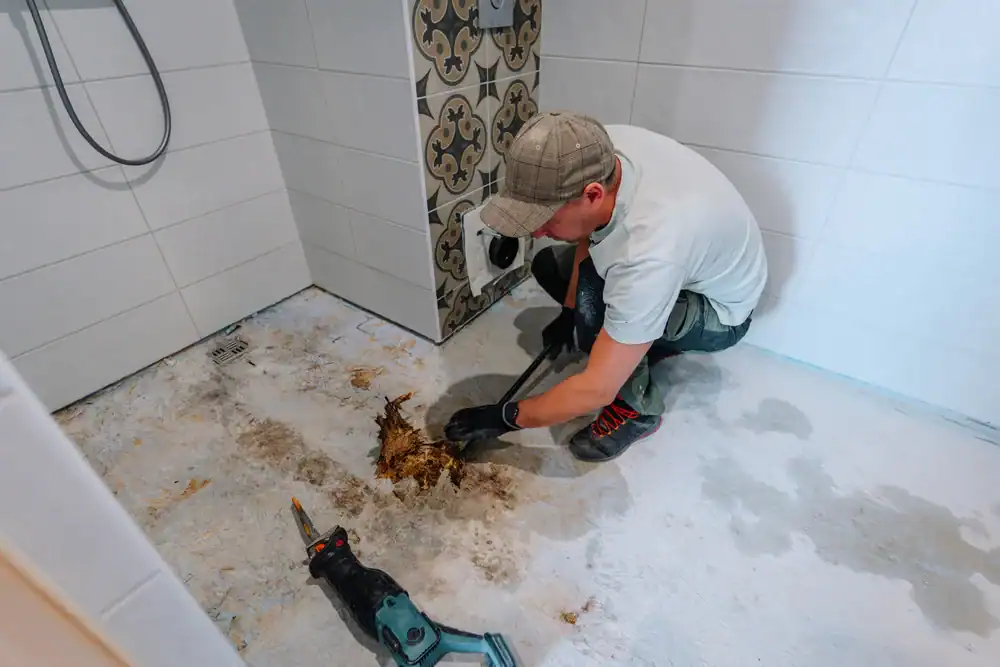
What you’re looking for in accessible areas: discoloration on drywall, warped flooring, condensation on windows or pipes, and any visible moisture staining near the base of walls. In the crawl space — if you can safely access it — look for standing water, wet insulation hanging from the floor joists, dark staining on the wood, or a vapor barrier that’s been pushed aside or is missing entirely.
The honest reality is that most homeowners find the smell but not the source. That’s not a failure of effort. Crawl space-origin odors aren’t surface contamination you can see from the kitchen — they’re an airflow phenomenon happening below your home and inside your duct system. A professional inspection with the right tools will cover ground that a flashlight and a nose simply can’t.
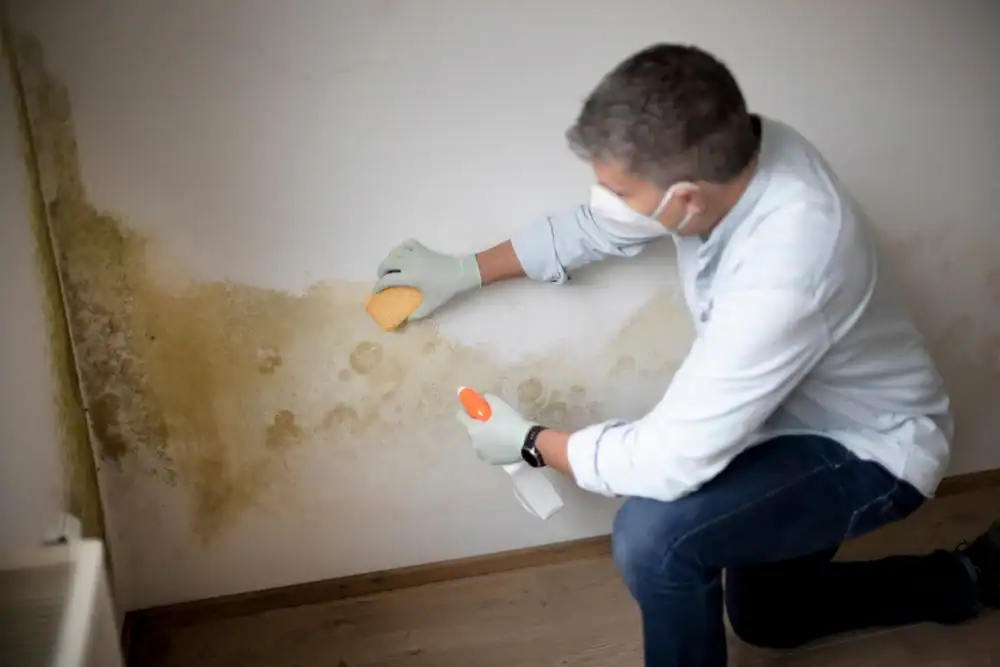
This comes up constantly, and it’s worth being direct about: surface cleaning doesn’t reach structural mold. Bleach on a visible patch of mold on drywall might remove what you can see, but it doesn’t penetrate porous materials like wood framing, insulation, or subfloor sheathing — which is exactly where crawl space mold tends to grow. You treat the surface, the smell fades for a week or two, and then it’s back because the root structure was never addressed.
Air fresheners and candles do something even more misleading — they mask the smell without touching the source. The mVOCs are still being produced. You’re just adding competing scents on top of them. For homeowners with allergies or respiratory sensitivities, this isn’t a neutral move. You’re still breathing the same air; you just can’t smell what’s in it anymore.
Dehumidifiers are a legitimate part of the solution, but only part. Running a dehumidifier in a crawl space can slow mold growth by keeping humidity below that critical 60% threshold, but it doesn’t remediate existing colonies or remove the mVOCs they’ve already released into your home’s air supply. Think of it as maintenance, not treatment.
The underlying issue in most Guilford County homes is structural: vented crawl spaces that were never designed for this climate, aging ductwork with gaps and loose connections, and drainage conditions around the foundation that keep feeding moisture into the system. A dehumidifier running in that environment is doing real work, but it’s working against a problem that needs to be solved at the source.
In North Carolina, there’s no state licensing requirement for mold remediation — which means anyone can legally claim to do the work. That’s exactly why third-party certifications like IICRC AMRT (Applied Microbial Remediation Technician) matter. It’s the most recognized remediator credential in the country, covering microbiology, containment, HEPA filtration, and proper remediation methods. When you’re evaluating who to call, it’s worth asking whether they hold it.
If you’ve been chasing a musty smell for more than a few weeks — cleaning, airing out the house, running fans — and it keeps coming back, that’s the pattern telling you the source hasn’t been addressed. The smell isn’t the problem. It’s the signal.
In Guilford County, the combination of subtropical humidity, clay soil that holds water against foundations, and a large housing stock with vented crawl spaces makes this a genuinely common situation. It’s not a reflection of how clean or well-maintained your home is. It’s a climate and construction reality that a lot of local homeowners are dealing with.
We’ve been working in homes across Greensboro, High Point, and surrounding Guilford County for over 30 years. We hold NADCA and IICRC AMRT certifications, and we offer free inspections — no commitment required — so you can get a clear picture of what’s actually going on before deciding on next steps. If you’ve been trying to figure this out on your own, we’re happy to take a look.
Summary:
Share: