Air Duct Cleaning Guilford County, NC

Cleaner Air, Healthier Employees, Lower Costs

Your commercial HVAC system circulates thousands of cubic feet of air every day. When your ductwork is clogged with dust, debris, and contaminants, everyone in your building breathes it in. We remove what’s hiding in your ducts so your team can work in a healthier, more comfortable environment.

Commercial Duct Specialists

We focus exclusively on commercial ductwork cleaning. Your building's system is more complex than residential, and we have the expertise to handle it right.

Professional Grade Equipment

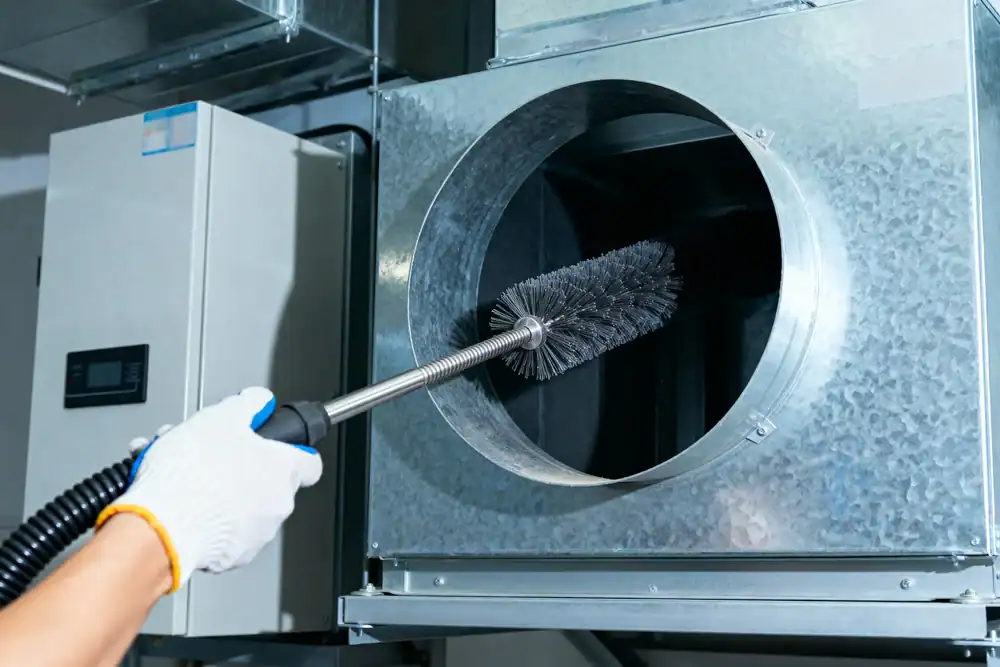
We use powerful negative-pressure vacuum systems and specialized brushes designed for commercial HVAC systems. This isn't a quick fix, it's a thorough clean.

Minimal Business Disruption

We work around your schedule to minimize downtime. Your business keeps running while we clean the air your team breathes every single day.

Transparent Process

You'll know exactly what we're doing and why. We inspect before and after, so you can see the difference in your ductwork firsthand.

Commercial HVAC Duct Cleaning Services in Guilford County, NC

What Commercial Duct Cleaning Actually Does

Your ductwork doesn’t just move air. It accumulates everything that’s floating around your building: dust from daily operations, pollen from outside, mold spores from moisture, debris from construction or renovations, and particles from cleaning products or equipment. Over time, this buildup restricts airflow, forces your HVAC system to work harder, and circulates contaminants throughout your workspace. Professional duct cleaning removes all of that. We place your system under controlled negative pressure, then use rotating brushes and compressed air tools to dislodge debris from every surface inside your ductwork. Everything gets pulled into our vacuum system and removed from your building entirely. The result is cleaner air, better airflow, lower energy costs, and a healthier environment for everyone who works in or visits your facility.

Benefits of Professional Duct Cleaning

What You Gain from Clean Ductwork

Clean ducts aren’t just about air quality. They impact your energy bills, your HVAC system’s lifespan, employee health, and how efficiently your building operates day to day.

Why Commercial Buildings Need Duct Cleaning

Your Building's Air Gets Recirculated All Day
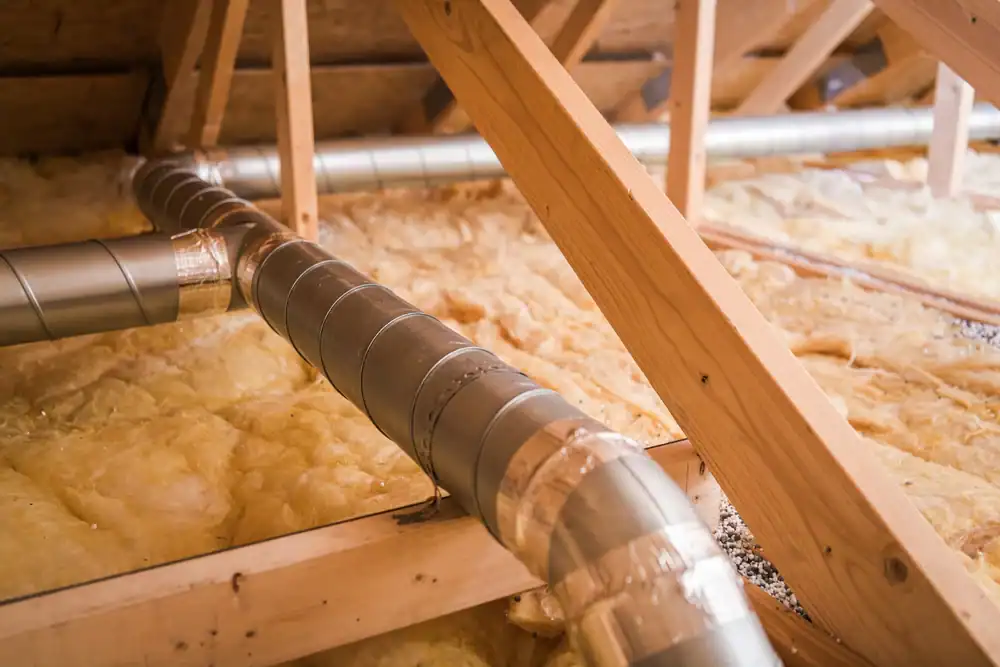
Most people spend 90% of their time indoors, and in a commercial building, that air gets recirculated five to seven times every single day. If your ducts are contaminated, those same pollutants keep cycling through your workspace over and over. The EPA has ranked indoor air pollution as one of the top five environmental health risks. That’s not because outdoor air is clean—it’s because indoor air in commercial buildings can be two to five times more polluted than the air outside. Dust, volatile organic compounds from cleaning products or building materials, mold spores from moisture buildup, and allergens from everyday operations all get trapped in your ductwork and redistributed every time your HVAC system kicks on. You can’t see what’s inside your ducts, but you can see the effects. Employees complaining about headaches or allergies. Dust reappearing on surfaces right after cleaning. Uneven temperatures in different parts of the building. Rising energy bills with no clear explanation. These are all signs that your ductwork needs attention. Commercial duct cleaning addresses the root cause. It’s not a Band-Aid. It’s a reset for your building’s air quality.
Commercial duct cleaning services for improved air quality in Alamance, NC. Expert HVAC duct cleanin.
Ductwork for moisture control in building insulation.

What's Included in Commercial Duct Cleaning

More Than Just Vacuuming Your Vents

Real commercial duct cleaning involves your entire HVAC system, not just the visible vents. We clean supply ducts, return ducts, registers, grilles, diffusers, coils, drip pans, and the air handling unit itself. If it’s part of the system that moves or conditions air, it gets cleaned. We start with a full inspection to identify problem areas—heavy dust accumulation, mold growth, leaks, or damage. Then we seal off sections of your ductwork and create negative air pressure using a high-powered vacuum system. This keeps contaminants from spreading during the cleaning process. Specialized rotary brushes and compressed air whips dislodge stubborn debris from every surface inside the ducts, and all of it gets pulled out through our vacuum and removed from your building. After cleaning, we can apply antimicrobial treatments if needed, though in most cases, thorough mechanical cleaning is enough. We’ll also point out any issues we found—like leaks or damaged insulation—so you can address them before they become bigger problems. You’re not just getting clean ducts. You’re getting a full system evaluation and a clear picture of what’s happening inside your HVAC.
Air Duct Cleaning FAQs

Common Questions About Our Service

Most commercial properties should have their ductwork cleaned every two to four years, though some industries need it more often. Food service facilities, manufacturing plants, or buildings with high foot traffic may need quarterly or semi-annual cleaning due to higher contamination levels. If your building has undergone renovations, experienced water damage, or if employees are complaining about air quality, you shouldn’t wait. The National Air Duct Cleaners Association recommends inspection at least once a year to determine if cleaning is needed. Factors like your HVAC usage, the age of your system, and your industry all play a role in how often you should clean. If you’re not sure, we can inspect your system and give you an honest recommendation based on what we find.
There are several clear indicators that your ductwork needs attention. Visible dust or debris around your vents is one of the most obvious signs—if you can see buildup on the outside, there’s likely much more inside. Musty or stale odors when your HVAC system runs often point to mold or mildew growth in the ducts. If employees are experiencing unexplained allergy symptoms, headaches, or respiratory issues that improve when they leave the building, poor indoor air quality from dirty ducts could be the cause. You might also notice that your energy bills are climbing without a clear reason, or that some rooms are harder to heat or cool than others. Dust reappearing on surfaces shortly after cleaning, or a puff of dust coming from vents when the system starts, are both red flags. If your building is older and you don’t have records of the ducts ever being cleaned, that’s reason enough to schedule an inspection.
Yes, but the savings depend on how dirty your ducts are to begin with. When dust, debris, and buildup restrict airflow, your HVAC system has to run longer and work harder to reach the temperature you’ve set. That extra effort translates directly into higher energy consumption. Studies from the National Air Duct Cleaners Association show that clean air ducts can reduce HVAC energy use by around 11 percent. That might not sound dramatic, but over the course of a year in a commercial building, it adds up. You’ll also extend the life of your equipment because it’s not under constant strain. Dirty coils, clogged ducts, and restricted airflow cause premature wear on motors, fans, and other components, leading to expensive repairs or early replacement. Clean ductwork helps your system run the way it was designed to—efficiently, quietly, and without unnecessary energy waste.
The timeline depends on the size of your building, the complexity of your duct system, and how contaminated it is. For most commercial properties, the process takes anywhere from a few hours to a full day. Larger facilities or buildings with multiple HVAC systems may require more time. We work with you to schedule the cleaning during off-hours, weekends, or times when your building has minimal occupancy, so there’s little to no disruption to your daily operations. The process itself is contained—we seal off sections as we work and use negative pressure systems to keep dust and debris from spreading into your workspace. You won’t have contaminants blowing through the building while we’re cleaning. Most businesses continue operating as usual, and by the time your team arrives the next day, the work is done and the air is noticeably cleaner.
Absolutely. In fact, new construction or recent renovations are one of the most common reasons to schedule duct cleaning. During construction, drywall dust, sawdust, insulation fibers, and other debris get into the ductwork even if contractors try to keep things clean. Once your HVAC system is turned on, all of that gets blown throughout the building. We’ve seen brand-new systems filled with construction debris that immediately compromises air quality and system performance. Cleaning the ducts after construction ensures you’re starting with a clean system and protects your investment in new HVAC equipment. Even if your building wasn’t recently built, a new HVAC system will perform better and last longer if it’s connected to clean ductwork. Dirty ducts will contaminate new components and reduce efficiency right from the start.
Commercial duct systems are significantly more complex than residential ones. They’re larger, have more zones, and often include specialized components like variable air volume boxes, larger air handlers, and extensive ductwork that serves multiple floors or sections of a building. The equipment required to clean them is also different—commercial jobs need more powerful vacuums, longer hoses, and specialized tools to reach every part of the system. The stakes are higher, too. Poor air quality in a commercial building affects dozens or even hundreds of people, and it can impact productivity, employee health, and your bottom line. That’s why we focus exclusively on commercial duct cleaning. We understand the complexity of these systems, the regulations you need to comply with, and the level of service required to do the job right without disrupting your business.
1

Inspection and Assessment

We inspect your entire duct system to identify contamination levels, mold, leaks, or damage. You'll know exactly what we're dealing with before we start.

2

Negative Pressure Cleaning

We attach powerful vacuum equipment to your ductwork and create negative pressure. This contains debris and prevents it from spreading while we work.

3

Debris Removal and Final Check

Rotating brushes and air tools dislodge contaminants from duct surfaces. Everything gets vacuumed out and removed. We inspect again to confirm the job's done right.