
Contact Info
- Greensboro, NC 27406
- Call: 336-707-0498
- Text: 336-707-0498
-
Mon - Fri: 8am - 4pm
Sat - Sun: Closed
Contact Info
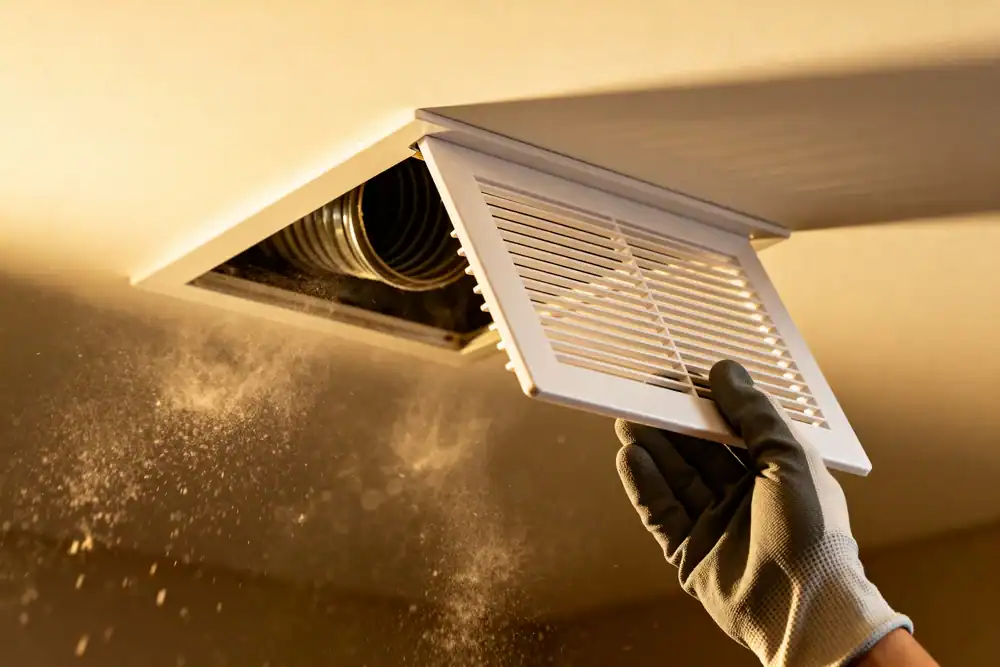
Your HVAC system accounts for nearly a third of your building’s energy costs. When ducts are clogged with dust, debris, and contaminants, your system works harder to push air through. That means higher utility bills every single month and equipment that wears out faster than it should.
Clean ductwork changes that. Airflow improves by up to 46%. Energy consumption drops by 20-30%. Your system runs quieter, breaks down less, and lasts longer.
And then there’s the air quality. Employees aren’t dealing with headaches, fatigue, or constant allergies. Sick days go down. Productivity goes up. You’re not masking problems with air fresheners or cranking the thermostat to compensate for poor circulation.
This isn’t about making your ducts look nice. It’s about making your building work the way it’s supposed to—efficiently, reliably, and without costing you more than it should.
We handle commercial air duct cleaning in Allen Jay and the surrounding area. We don’t service residential dryer vents. We don’t split our time between homeowners and business owners. We focus entirely on commercial HVAC systems because they’re more complex, require different equipment, and demand a higher level of expertise.
North Carolina buildings are built tight to manage heating and cooling costs, which means indoor air pollutants get trapped. Dust, VOCs, mold spores—they circulate through your ductwork and affect everyone in the building. We follow NADCA standards to clean the entire system, not just the easy-to-reach sections.
You’re working with a team that understands commercial HVAC systems, knows what actually needs to be cleaned, and won’t leave the job half-done.

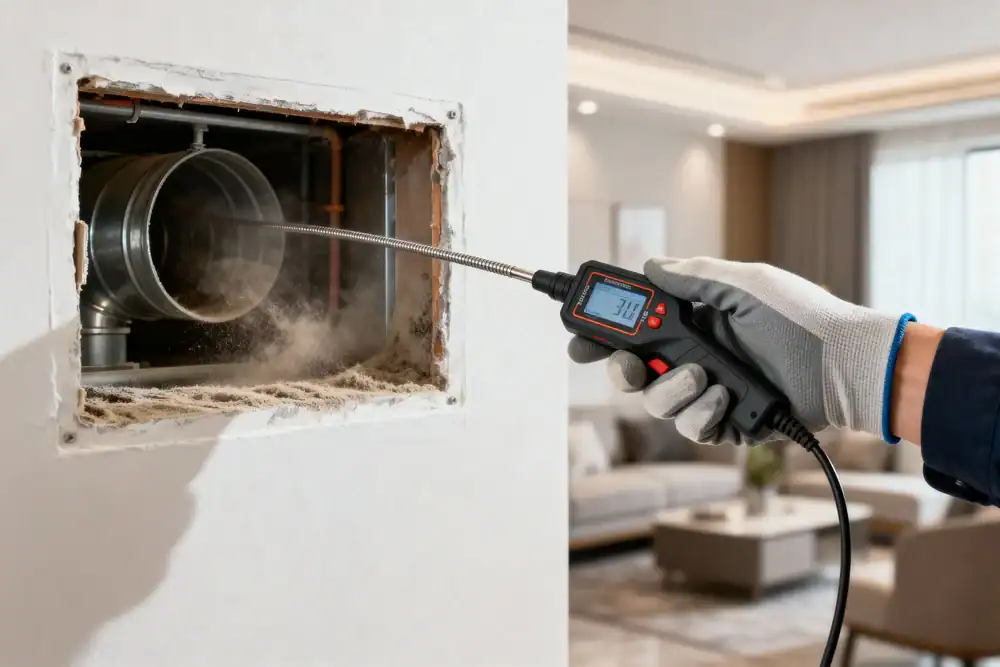
We start with an inspection of your entire HVAC system—not just the vents you can see. That means checking supply and return ducts, registers, grilles, diffusers, coils, drain pans, and the air handling unit. If there’s mold, excessive dust, or debris restricting airflow, we document it.
Then we use specialized equipment to dislodge contaminants and extract them from the system. This isn’t a vacuum and a brush. It’s industrial-grade negative air pressure, HEPA filtration, and tools designed for commercial ductwork. We clean the entire system because incomplete cleaning just spreads contamination around.
Once the cleaning is done, we inspect again to make sure nothing was missed. You get documentation of the work, before-and-after findings, and a system that’s actually clean—not just surface-level better. The whole process is designed to minimize disruption to your operations while delivering measurable improvements in airflow and air quality.
Ready to get started?
You’re getting a full system cleaning that follows NADCA’s ACR standard. That covers every component where air moves—ductwork, registers, grilles, diffusers, heat exchangers, cooling coils, condensate drain pans, fan motors, and the air handling unit housing.
In Allen Jay and throughout North Carolina, buildings face specific challenges. Radon has been detected in more than three-quarters of the state’s counties. Tight construction traps allergens and VOCs. Humidity creates conditions for mold growth inside ducts. These aren’t hypothetical problems—they’re realities that affect your building’s air quality and your HVAC system’s performance.
We address those issues with a cleaning process that removes contaminants, improves airflow, and reduces the load on your equipment. You’ll see the difference in your energy bills, your maintenance costs, and how your building feels. Employees notice when the air is cleaner. You’ll notice when your HVAC system isn’t struggling to keep up.
This is about getting your system back to the efficiency it had when it was new—and keeping it there.

Most commercial buildings benefit from duct cleaning every three to five years, but your timeline depends on your building type, occupancy, and HVAC usage. If you’re running your system constantly, dealing with high traffic, or operating in an environment that generates dust or contaminants, you’ll need more frequent cleaning.
You’ll know it’s time when energy bills creep up without explanation, employees complain about air quality, or your HVAC system struggles to maintain temperature. Visible dust around vents, musty odors when the system runs, or an increase in respiratory complaints are all signs that your ductwork needs attention.
Buildings in Allen Jay face tighter construction standards, which trap pollutants inside. That makes regular duct cleaning more important here than in areas with older, leakier buildings. If you’ve never had your ducts cleaned, or if it’s been more than five years, you’re likely losing money on energy costs and dealing with air quality issues you don’t even realize are fixable.
Commercial HVAC systems are larger, more complex, and require different equipment and expertise. You’re dealing with rooftop units, chillers, longer duct runs, multiple zones, and higher airflow demands. Residential duct cleaning tools and techniques don’t translate to commercial environments.
Commercial jobs also require knowledge of building codes, OSHA regulations, and NADCA standards that don’t apply to residential work. The stakes are higher—poor indoor air quality affects employee health and productivity, and system downtime can disrupt business operations.
That’s why we only handle commercial work. We’re not splitting time between homeowners and business owners. We’re not using residential equipment on commercial systems. You’re getting a team with the right tools, the right training, and the right focus to handle your building’s HVAC system correctly. Residential companies that dabble in commercial work don’t have that specialization, and it shows in the results.
Yes, but the savings depend on how dirty your system is and how hard it’s working to compensate. NADCA’s energy study found that cleaning HVAC systems can reduce fan energy consumption by 41-60% and increase airflow by 10-46%. When your ducts are clogged, your system uses more energy to move the same amount of air.
Most commercial buildings see a 20-30% reduction in heating and cooling costs after a thorough duct cleaning. That’s not a marketing claim—it’s the result of improved airflow, reduced strain on equipment, and better system efficiency.
If your energy bills have been climbing, your system runs longer to reach set temperatures, or your HVAC contractor keeps recommending repairs, dirty ductwork is likely part of the problem. Cleaning won’t fix a failing compressor or a refrigerant leak, but it will stop your system from working harder than it needs to. For most commercial buildings in Allen Jay, that translates to noticeable savings within the first few billing cycles.
Start with what you can see. Check your registers and grilles for visible dust buildup. If there’s a layer of debris around the vents, there’s more inside the ductwork. Look for dark streaks or discoloration on walls or ceilings near vents—that’s dust being pushed out of the system.
Pay attention to how your building feels. If some areas are stuffy while others are fine, or if employees complain about allergies and respiratory issues that improve when they leave the building, your ducts are circulating contaminants. Musty or stale odors when the HVAC system runs are another red flag, often indicating mold growth inside the ducts.
Finally, check your system’s performance. If your energy bills are rising without a clear reason, if the HVAC system runs constantly but struggles to maintain temperature, or if you’re calling for repairs more often than you used to, restricted airflow from dirty ducts is a likely cause. A professional inspection will confirm what’s happening inside your ductwork and whether cleaning will solve the problem.
Absolutely. The EPA consistently ranks indoor air pollution among the top five environmental risks to public health, and your ductwork is a major factor. When ducts are contaminated with dust, mold, pollen, and other allergens, your HVAC system circulates those particles throughout the building every time it runs.
Employees exposed to poor indoor air quality report more headaches, fatigue, respiratory problems, and allergic reactions. Asthma symptoms worsen. Sick days increase. Productivity drops. These aren’t minor inconveniences—they’re measurable impacts on your workforce and your bottom line.
North Carolina’s tight building construction makes this worse by trapping pollutants inside. People spend 90% of their time indoors, where pollutant levels are often higher than outdoors. If your building’s air quality is compromised, your employees are breathing contaminated air for eight hours a day. Duct cleaning removes the source of those contaminants and gives your HVAC system a chance to do what it’s supposed to—circulate clean, fresh air.
We don’t clean residential dryer vents. We specialize exclusively in commercial HVAC duct cleaning. That means we focus on the systems that heat and cool your building—supply ducts, return ducts, air handlers, coils, and all the components that affect airflow and air quality.
Dryer vent cleaning is a completely different service with different equipment, different safety concerns, and different expertise. By focusing only on commercial HVAC systems, we’ve built a team that knows these systems inside and out. We’re not generalists trying to cover every type of duct work. We’re specialists in commercial air duct cleaning.
If you need dryer vent cleaning, we’re not the right fit. But if you’re dealing with high energy bills, poor indoor air quality, or an HVAC system that’s not performing the way it should, we’re exactly who you need. Our entire operation is built around commercial ductwork cleaning in Allen Jay and the surrounding area, and that specialization makes a difference in the quality of work you get.