
Contact Info
- Greensboro, NC 27406
- Call: 336-707-0498
- Text: 336-707-0498
-
Mon - Fri: 8am - 4pm
Sat - Sun: Closed
Contact Info
Your air feels different. You’re not sneezing as much. The house doesn’t smell stale when you walk in after work.
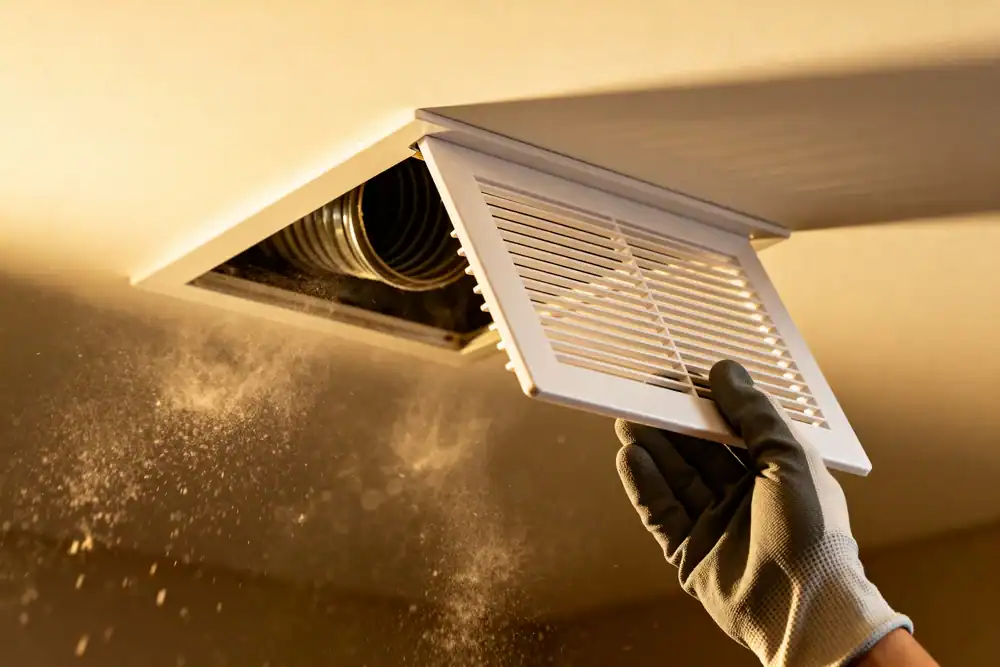
Your energy bills drop because your HVAC system isn’t fighting through layers of trapped dust just to push air through your vents. The average home accumulates 40 pounds of dust, dirt, and allergens in its ductwork each year—and all of that gets blown back into the rooms where you live, sleep, and eat.
When your ducts are professionally cleaned, your system runs smoother. Your air quality improves. You’re not constantly wiping down surfaces or wondering why allergies flare up indoors more than outside.
This isn’t about making your ducts look pretty. It’s about removing the stuff that’s costing you money and affecting how you feel in your own home.
We’ve been cleaning air ducts and improving indoor air quality across the Greensboro region, including Altamahaw, NC, for more than three decades. We’re not new to this, and we’re not experimenting with your home.
We follow NADCA standards and use hospital-grade equipment to remove contaminants most homeowners don’t even know are there. Our team has more certified Air System Cleaning Specialists than any other company in the southeast.
North Carolina’s humidity creates the perfect environment for mold growth inside ductwork, especially in older homes or properties with crawl space issues. We understand the local climate and what it does to your HVAC system over time—and we know how to fix it.

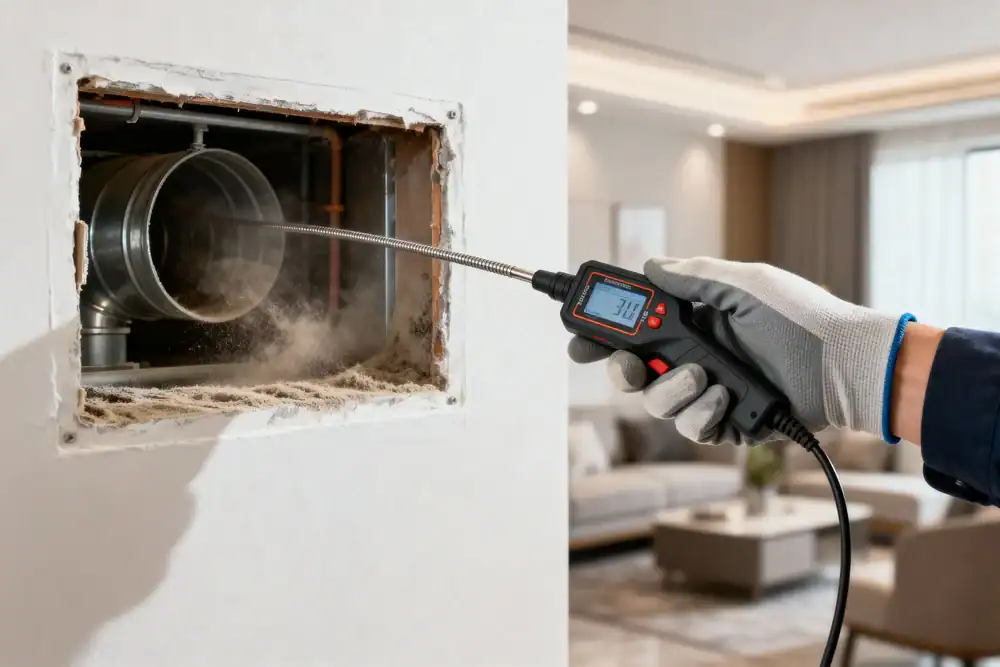
We start with an inspection. We’re looking at your ductwork, checking for buildup, mold, debris, and any damage that might be affecting airflow. You’ll know what we find before we do anything.
Then we use industrial-grade vacuums and rotary brush systems to pull out dust, allergens, and contaminants from every section of your duct system. We’re not just blowing air around—we’re physically removing what’s stuck inside. For homes with mold or heavy contamination, we apply a hospital-grade disinfectant that kills 99.999% of germs, viruses, and mold spores.
We also clean your vents, registers, and return air grilles. If your system has flex duct that’s torn or damaged, we’ll let you know. Some HVAC companies will tell you to replace it—we’ve had customers avoid that expense entirely after a thorough cleaning.
The whole process takes a few hours depending on the size of your home or building. You’ll notice the difference in air quality within the first day.
Ready to get started?
You’re getting a full HVAC duct cleaning—not a quick vacuum job. That means every supply and return duct, all registers and grilles, and the main trunk lines that feed air throughout your property.
We remove dust, pollen, pet dander, mold spores, rodent droppings, and any other debris that’s built up over the years. If you’ve had construction work done recently, there’s likely drywall dust and debris sitting in your ducts. If you’ve got pets, there’s fur and dander. If your home has had moisture issues, there’s probably mold.
Altamahaw sits in an area where crawl space moisture is common, and that moisture works its way into ductwork. We see it all the time—ducts that look fine on the outside but are coated with mold and dust on the inside. That’s what you’re breathing.
For commercial properties, we handle larger systems, including rooftop units and complex duct networks. Clean ducts mean better air quality for your employees and customers, fewer sick days, and lower energy costs. We also offer ac duct cleaning and vent cleaning for both residential and commercial clients, but we do not clean residential dryer vents.

Every three to five years for most homes. If you have pets, allergies, or someone with asthma in the house, every three years makes more sense.
If you’ve had recent renovations, a roof leak, or noticed mold anywhere in your home, get them cleaned sooner. Construction dust gets everywhere, and water damage creates mold fast—especially in North Carolina’s humid climate.
Commercial buildings should be inspected annually and cleaned as needed. High-traffic properties or buildings with sensitive occupants—like daycares or medical offices—benefit from more frequent cleaning.
Yes, if your ducts are clogged. When dust and debris build up inside your ductwork, your HVAC system has to work harder to push air through. That means it runs longer and uses more energy to heat or cool your home.
A clean system moves air efficiently. You’re not paying for your AC or furnace to fight through blockages just to do its job. Most customers notice a difference in how often their system cycles on and off after a cleaning.
It’s not going to cut your bill in half, but if your ducts haven’t been cleaned in years, you’ll see a reduction. And your system will last longer because it’s not overworking itself every day.
Absolutely. If you’re sneezing more indoors than outdoors, or if your asthma acts up at home, your ducts are likely part of the problem.
Every time your HVAC system runs, it’s pulling air through those ducts and pushing it back into your rooms. If the ducts are full of dust, pollen, mold spores, and pet dander, that’s what you’re breathing. Over and over.
Cleaning your ducts removes those allergens at the source. You’re not just masking symptoms with air filters or medications—you’re eliminating what’s triggering the reaction in the first place. Most of our customers with respiratory issues notice improvement within a few days of service.
Look at your vents. If there’s visible dust or debris around the edges, that’s a sign. If you smell something musty or stale when your system kicks on, that’s another one.
Check how much dust settles on your furniture. If you’re wiping down surfaces constantly and it keeps coming back, your ducts are probably recirculating dust throughout your home.
You can also pull off a vent cover and look inside with a flashlight. If you see buildup, mold, or anything that doesn’t look clean, it’s time. And if you’ve never had your ducts cleaned and you’ve lived in your home for more than five years, they need it.
Your filter catches some of what’s floating in the air, but it doesn’t touch what’s already stuck inside your ducts. Changing your filter regularly is important—it keeps new debris from building up as fast—but it’s not a substitute for cleaning.
Think of it like this: your filter is a screen door. It stops some stuff, but plenty still gets through. Over time, dust, mold, and allergens coat the inside of your ductwork. A filter can’t pull that out.
Professional duct cleaning removes what’s already there. It’s a deeper reset for your entire HVAC system. You should still change your filter every few months, but cleaning your ducts every few years keeps the whole system running the way it should.
We do both. Commercial duct cleaning is a big part of what we do, especially for office buildings, retail spaces, restaurants, and warehouses in the Altamahaw and Greensboro area.
Commercial systems are larger and more complex, but the same problems exist—dust, mold, debris, and poor airflow. The difference is that dirty ducts in a commercial building affect more people. Employees get sick more often. Customers notice stale air. Energy costs go up.
We follow the same NADCA standards for commercial properties and use the same hospital-grade disinfection process. Whether it’s a small office or a multi-unit building, we handle it. Just note that we don’t clean residential dryer vents—only HVAC ductwork and commercial vent systems.