
Contact Info
- Greensboro, NC 27406
- Call: 336-707-0498
- Text: 336-707-0498
-
Mon - Fri: 8am - 4pm
Sat - Sun: Closed
Contact Info
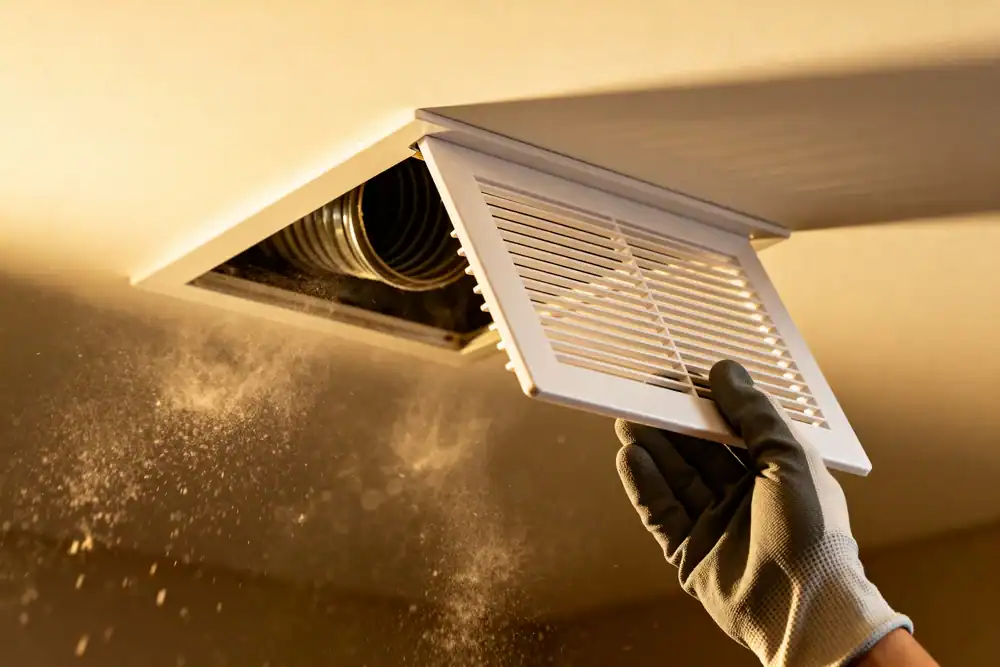
Your HVAC system stops fighting itself. Airflow improves up to 75%, which means your units aren’t running overtime to hit the same temperatures. That translates directly to lower utility bills and equipment that lasts longer because it’s not being pushed past capacity every day.
The air quality shift is immediate. Dust stops recirculating through your building. Allergens, mold spores, and contaminants that have been sitting in your ductwork for years get removed completely. Your team notices fewer headaches, less congestion, and better focus.
You’re also looking at real cost savings. Commercial buildings waste roughly 30% of their HVAC energy on systems that haven’t been cleaned. When you remove that buildup, your system works the way it was designed to work. Less waste, better performance, and you’re not replacing units years earlier than you should.
We’ve been handling commercial duct cleaning and crawl space work in the Greensboro and Archdale area since the early ’90s. We’re NADCA certified, which means our team meets the national standard for air system cleaning. Rick Watson and Noah Watson both hold ASCS and CVI certifications through NADCA.
We don’t do residential dryer vents. We focus on commercial and industrial HVAC duct cleaning because that’s where the complexity is. Large facilities, schools, hospitals, manufacturing plants—systems that can’t afford downtime or half-done work.
Archdale’s mix of industrial and commercial properties means we’ve seen every type of system configuration. We know what works here, what fails, and how to clean ductwork without disrupting your operations.

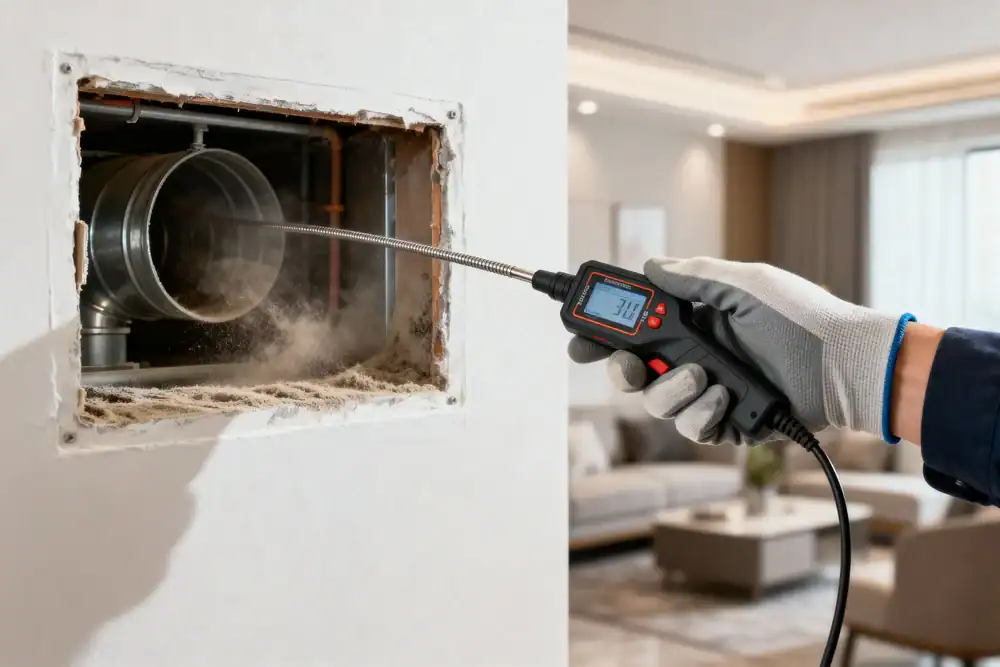
We start with a full system inspection. That means looking at your ductwork layout, checking for damage or leaks, and identifying where contamination has built up. You’ll know exactly what we’re dealing with before we start.
Then we use professional-grade equipment to remove everything from your ducts. High-powered vacuums, rotary brushes, and compressed air tools pull out dust, debris, mold, and anything else that’s accumulated. We’re not just pushing dirt around—we’re extracting it completely from your system.
After cleaning, we inspect again to make sure airflow is restored and there’s no remaining buildup. If we find leaks or damage during the process, we’ll let you know what needs attention. You get a system that’s actually clean, not just surface-level treated.
The whole process is scheduled around your operations. We work with your timeline so you’re not shutting down or losing productivity while we’re on site.
Ready to get started?
You’re getting a full system cleaning—supply ducts, return ducts, registers, grilles, diffusers, and the air handling unit itself. We don’t skip components. If air moves through it, we clean it.
In Archdale, we see a lot of manufacturing and industrial facilities where dust and particulate matter build up faster than typical office spaces. Your system might need more attention in certain areas depending on what your building does. We adjust our approach based on what your ductwork actually needs, not a one-size-fits-all checklist.
We also address mold and microbial growth if it’s present. That requires specific treatment beyond just mechanical cleaning. You’ll know if that’s necessary after our initial inspection.
The goal is restoring your HVAC system to proper function. That means better airflow, cleaner air, and a system that’s not wasting energy or breaking down prematurely. You’re also meeting health and safety standards that apply to commercial buildings, which matters if you’re in a regulated industry or dealing with inspections.

Most commercial buildings benefit from duct cleaning every three to five years. But that’s a baseline, not a rule.
If you’re running manufacturing equipment, dealing with high dust levels, or operating in food service, you’re looking at more frequent cleaning—sometimes annually. The same goes for hospitals or schools where air quality directly impacts health and safety. Buildings with heavy foot traffic or older HVAC systems also accumulate contaminants faster.
You’ll know it’s time when you notice dust buildup around vents, inconsistent temperatures across your building, or increased allergy symptoms among your team. Rising energy bills are another sign your system is working harder than it should because airflow is restricted.
It’s not oversold if your ducts actually need cleaning. A clogged system forces your HVAC to work harder, which directly increases energy consumption.
The EPA estimates that about 25-40% of HVAC energy is wasted in commercial buildings due to contaminants and buildup in the system. When airflow is restricted, your units run longer cycles to reach set temperatures. That’s measurable on your utility bills.
After cleaning, most facilities see improved efficiency within the first billing cycle. The exact savings depend on how bad the buildup was and how large your system is. But if your ducts haven’t been cleaned in years and you’re in a high-dust environment like Archdale’s industrial areas, the impact is significant. You’re not just saving on energy—you’re extending the life of your equipment by reducing strain.
NADCA certification means we follow the national standard for HVAC system cleaning. It’s not just a marketing badge—it’s a technical qualification.
NADCA-certified technicians are trained on proper cleaning methods, safety protocols, and equipment use. We understand how to clean without damaging your system or spreading contaminants during the process. The certification also requires ongoing education, so you’re working with someone who’s current on industry best practices.
Regular duct cleaning without certification can mean anything. Some companies use shop vacs and call it done. Others don’t have the equipment to actually remove buildup—they just move it around. NADCA certification gives you a baseline of competence and accountability. It matters more in commercial settings where system complexity is higher and the stakes are bigger if something goes wrong.
If the complaints are related to dust, allergens, or poor ventilation, then yes—cleaning your ducts will help.
Dirty ductwork recirculates contaminants throughout your building. That includes dust mites, pollen, mold spores, and bacteria. When your team is breathing that in all day, you see symptoms: headaches, respiratory irritation, fatigue, allergy flare-ups. Indoor air quality studies show that pollutant levels inside commercial buildings can be 2-5 times higher than outdoor levels, mostly because of what’s trapped in HVAC systems.
Cleaning removes the source of those contaminants. Airflow improves, filtration works better, and you’re not constantly cycling dirty air through the workspace. Most facilities notice fewer health complaints within a few weeks of cleaning.
That said, if your building has other air quality issues—like poor ventilation design, water intrusion, or off-gassing materials—duct cleaning alone won’t solve everything. But it’s a major factor and usually the first thing to address.
Timing depends on the size of your system and how much access we need. A small office building might take a day. A large industrial facility could take several days.
We schedule around your operations. If you need us to work after hours or on weekends to avoid disrupting your team, we can do that. Most of the work happens inside your ductwork and mechanical areas, so it’s not like we’re tearing apart your workspace.
You’ll hear equipment running and there might be temporary access restrictions to certain areas while we’re working. But we’re not shutting down your HVAC system for the entire job. We work in sections so you maintain climate control and ventilation throughout the building. The goal is getting your ducts clean without creating downtime or productivity loss.
It’s not exaggerated. Buildup in your ductwork directly impacts your HVAC system’s performance and lifespan.
When ducts are clogged, your system has to work harder to move air. That puts extra strain on blowers, motors, and compressors. Components wear out faster because they’re running longer cycles and operating under higher resistance. You’re also dealing with reduced airflow across coils, which affects heat exchange efficiency and can lead to freezing or overheating.
Dust and debris can get pulled into your air handling unit, coating internal components and reducing efficiency even further. In severe cases, contamination can cause mechanical failures that require expensive repairs or early replacement of major equipment.
Regular duct cleaning removes that strain. Your system operates within its designed parameters, components last longer, and you avoid the kind of breakdowns that shut down operations until a technician can get there. It’s preventive maintenance that actually prevents something, not just a line item on a service contract.