

Contact Info
- Greensboro, NC 27406
- Call: 336-707-0498
- Text: 336-707-0498
-
Mon - Fri: 8am - 4pm
Sat - Sun: Closed
Contact Info
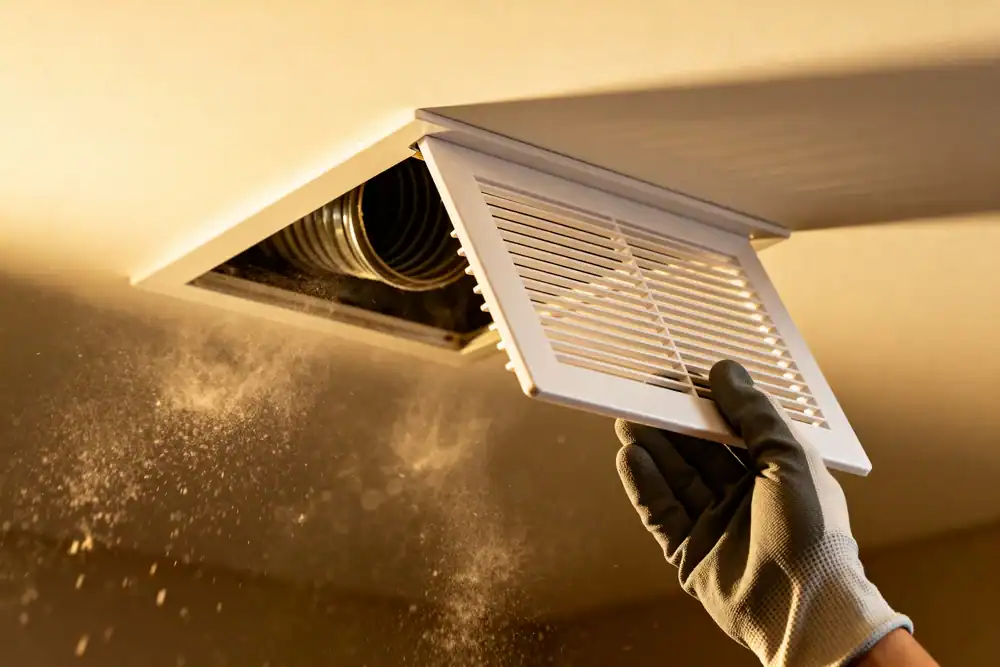
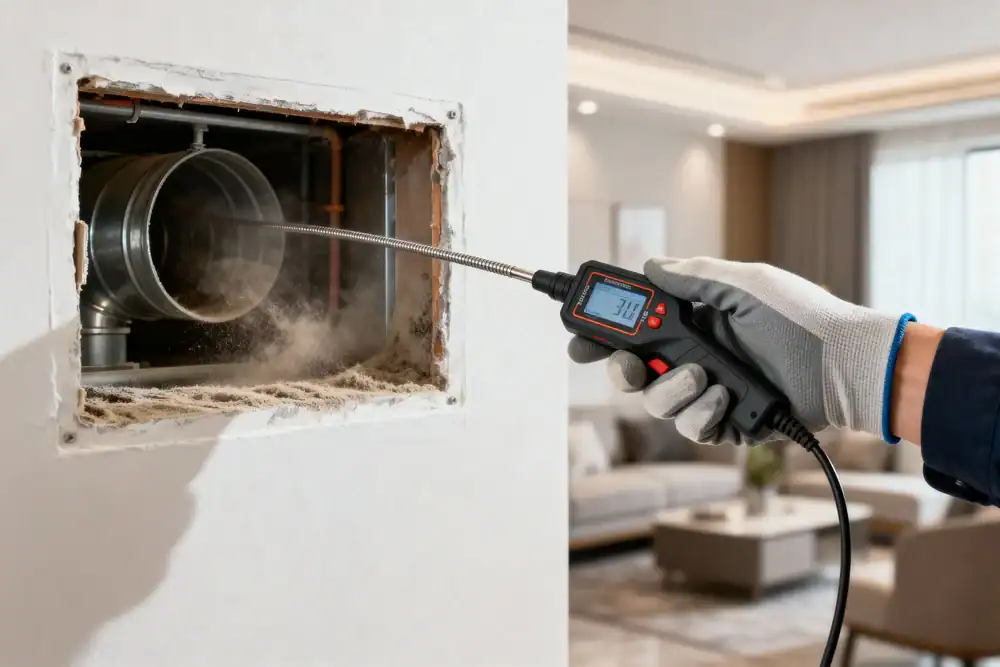
You’ll notice the difference in your energy bill first. Clean ductwork means your HVAC system doesn’t have to work as hard to push air through clogged vents. Most people see 10-15% lower utility costs after a thorough cleaning—that’s around $120 back in your pocket every year.
Then there’s the air quality. If someone in your home deals with allergies, asthma, or respiratory issues, dirty ducts make everything worse. North Carolina’s humidity creates the perfect breeding ground for mold in your ductwork, especially when those ducts run through hot attics. Once mold takes hold, every time your system kicks on, you’re circulating spores throughout your space.
Clean ducts also mean your HVAC system lasts longer. When airflow is restricted by debris, your system has to run harder and longer to maintain temperature. That extra strain shortens its lifespan and leads to more frequent repairs. Regular duct cleaning every 3-5 years keeps everything running efficiently and saves you from premature replacements.
We’ve been serving the Greensboro area and surrounding communities like Chapel Hill for over 30 years. We’ve seen what North Carolina’s climate does to ductwork—the year-round humidity, the pollen that starts in late February and doesn’t quit until December, the mold issues that come with 70% humidity levels.
We focus exclusively on crawl space and HVAC duct cleaning because that’s where indoor air quality problems start. Our team uses industry-leading equipment and follows National Air Duct Cleaning Association standards, but what matters more is that we understand the specific challenges Triangle-area homeowners and business owners face.
Chapel Hill’s mix of older homes and newer commercial buildings means we work on everything from decades-old residential ductwork to modern commercial HVAC systems that need regular maintenance to stay compliant with building standards.

We start with a full inspection of your ductwork. That means looking at your vents, checking for visible debris, and identifying any moisture issues or mold growth. You’ll know what we find before we start any work.
Next comes the actual cleaning. We use high-powered vacuum systems and specialized brushes to remove dust, allergens, and debris from your entire duct system. This isn’t a surface-level job—we’re talking about thoroughly cleaning every section of ductwork, from the main trunk lines down to the individual vents in each room.
For commercial duct cleaning, the process is similar but scaled up. Larger systems mean more ductwork to clean, and we often work around your business hours to minimize disruption. We’ll also check your system for any issues that could affect air quality or energy efficiency.
After cleaning, we can seal and treat your ductwork to prevent future mold growth. In North Carolina’s humid climate, this step makes a real difference in keeping your system clean longer.
Ready to get started?
You get a complete cleaning of your HVAC ductwork—supply lines, return lines, and all the vents in between. We remove accumulated dust, debris, allergens, and any mold growth we find. Our equipment reaches every section of your system, not just the easy-to-access parts.
We also clean your air handler and blower components. These parts collect just as much debris as your ducts, and if they’re dirty, you’re still circulating contaminated air even after the ducts are clean.
For Chapel Hill homes and businesses dealing with mold issues—and in this climate, that’s common—we offer antimicrobial treatments and duct sealing. The humid air here creates perfect conditions for mold when it mixes with dust in your ductwork. Sealing prevents moisture from getting in, and treatment stops existing mold from spreading.
Commercial properties get the same thorough service, plus we can set you up on a maintenance schedule. If you’re managing a building that needs LEED certification or regular HVAC maintenance for compliance, we’ll make sure you’re covered. Over half of new commercial construction in the area requires annual duct maintenance, and we handle those requirements regularly.

Most homes need duct cleaning every 3-5 years. That timeline shifts depending on a few factors specific to your situation.
If anyone in your home has allergies or asthma, you might benefit from more frequent cleaning—every 2-3 years. Same goes if you have pets. Pet dander accumulates in ductwork faster than regular dust, and it’s one of the most common allergens we remove during cleanings.
You should also consider cleaning after any home renovation. Drywall dust, sawdust, and construction debris get pulled into your HVAC system and settle throughout your ductwork. Even if you sealed off the work area, fine particles still make their way into the system. For commercial properties, annual or biannual cleaning is standard, especially for buildings with high foot traffic or specific air quality requirements.
Visible dust around your vents is the most obvious sign. If you’re constantly wiping down surfaces or noticing dust settling quickly after cleaning, your ducts are likely circulating debris throughout your space.
Unexplained increases in your energy bills point to restricted airflow. When ducts are clogged, your HVAC system runs longer to reach the temperature you set. You’re paying more for less comfort.
Musty odors when your system runs usually mean mold or mildew in your ductwork. In Chapel Hill’s humid climate, this is common—especially in older systems or homes where ducts run through unconditioned attics. Persistent allergy symptoms that worsen when your HVAC is running also indicate contaminated ductwork. If you’re sneezing, coughing, or dealing with itchy eyes more when you’re indoors, your ducts might be the source.
Yes, but only if there’s actually debris, mold, or allergens in your ducts to begin with. If your ductwork is relatively clean, you won’t see much difference. But if your system has accumulated dust, pet dander, or mold growth, cleaning makes a measurable impact.
Homes with clean ducts report a 50% reduction in respiratory symptoms like coughing and sneezing. That’s because you’re removing the source of contamination instead of just filtering it. Your HVAC filter catches some particles, but it can’t eliminate what’s already built up in your ductwork.
The improvement is especially noticeable for people with allergies or asthma. Sixty percent of allergy sufferers report worse symptoms when exposed to poor indoor air quality from dirty ducts. In North Carolina, where allergens are present year-round and humidity promotes mold growth, clean ductwork directly affects how comfortable you feel in your own home or office.
For most residential properties, expect to pay between $450 and $1,000 depending on the size of your home and the condition of your ductwork. Larger homes with more complex HVAC systems cost more because there’s simply more ductwork to clean.
Commercial duct cleaning varies more widely based on building size and system complexity. A small office might run $800-$1,500, while larger commercial buildings can cost several thousand dollars. But consider what you’re getting: lower energy bills, extended HVAC lifespan, and better air quality for employees or tenants.
The return on investment is real. Most homeowners save 10-15% on energy costs after cleaning, which adds up to around $120 annually. Over your HVAC system’s lifespan, you’re looking at 200-300% ROI when you factor in energy savings and avoided repair costs. If someone quotes you significantly less than the typical range, ask what’s included. Thorough duct cleaning takes time and specialized equipment—if the price seems too good to be true, you’re probably getting a surface-level cleaning that won’t deliver real results.
Dirty ducts don’t cause health problems on their own, but they make existing respiratory issues worse and create conditions where mold and allergens thrive. If your ductwork is contaminated with mold, every time your HVAC system runs, you’re circulating mold spores through your living or working space.
For people with asthma, allergies, or other respiratory conditions, this constant exposure triggers symptoms. You might notice more frequent asthma attacks, persistent coughing, or allergy symptoms that don’t respond to medication. Even healthy people can experience irritation—itchy eyes, scratchy throat, or headaches—when indoor air quality is poor.
North Carolina’s climate makes this worse. Our year-round humidity and long allergy season mean there’s always something in the air outside. When your ducts are dirty, you’re adding indoor contaminants on top of outdoor allergens. The combination is what makes people miserable. Cleaning your ductwork removes one major source of indoor air pollution, which gives your respiratory system a break and makes your space more comfortable for everyone.
The process is similar—both involve thorough cleaning of all ductwork, vents, and HVAC components. The main differences are scale and scheduling.
Commercial systems are larger and more complex. You’re dealing with more ductwork, bigger air handlers, and often multiple HVAC units serving different zones. That means commercial duct cleaning takes longer and requires more equipment. We also work around your business hours when possible to minimize disruption to your operations.
Commercial properties also have different maintenance requirements. If your building needs LEED certification or has to meet specific air quality standards, regular duct cleaning isn’t optional—it’s required. Over 53% of new commercial construction projects in the area require annual HVAC and duct maintenance as part of their certification.
For residential properties, the focus is usually on health and energy savings. You’re not dealing with compliance issues, but you do want your family breathing clean air and your energy bills under control. The cleaning itself is just as thorough, but the timeline and scheduling are more flexible since we’re not working around business operations.