

Contact Info
- Greensboro, NC 27406
- Call: 336-707-0498
- Text: 336-707-0498
-
Mon - Fri: 8am - 4pm
Sat - Sun: Closed
Contact Info
You stop wondering why everyone’s sneezing. The air feels lighter, fresher. You’re not dusting furniture every other day because there’s less floating around to settle.
Your energy bills drop because your system isn’t fighting through layers of buildup just to push air through. Equipment lasts longer when it’s not overworking itself. You get years back on your HVAC lifespan just by letting it run the way it was designed to.
Most people don’t think about their ductwork until something’s wrong. By then, you’re dealing with mold, pest droppings, or debris you didn’t know existed. Cleaning your ducts isn’t about perfection—it’s about getting back to baseline. The air you’re supposed to have. The efficiency you paid for. The peace of mind that comes with knowing what’s circulating through your home.
We’ve spent three decades cleaning ductwork and crawl spaces across the Greensboro area, including right here in Rudd, NC. We’ve seen what happens when systems go unchecked—and what changes when they’re properly maintained.
We use EPA-registered sanitizers and professional-grade equipment designed to pull contaminants out of your system, not just push them around. Our team follows National Air Duct Cleaners Association guidelines because shortcuts don’t work in this industry. You either clean the whole system or you’re wasting time.
Rudd homeowners deal with humidity, pollen, and seasonal allergens that settle into ductwork and stay there. We understand the local conditions that affect your indoor air quality. That’s why our process goes beyond surface cleaning to address what’s actually causing the problem.

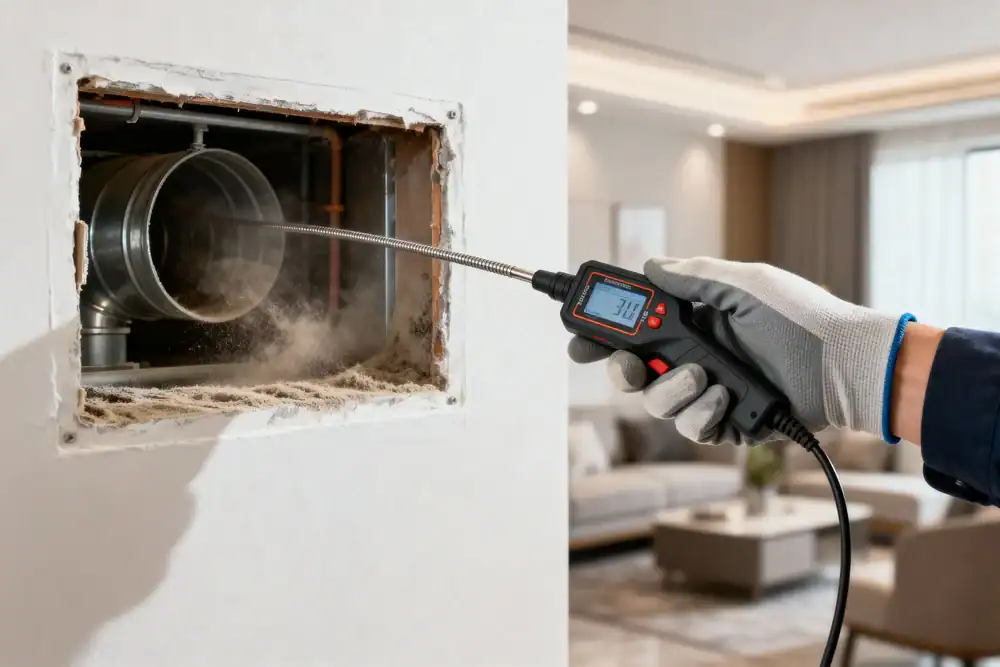
We start with a free consultation to assess your system. That means looking at your ductwork, checking access points, and identifying any problem areas like visible mold, excessive dust buildup, or signs of pest activity.
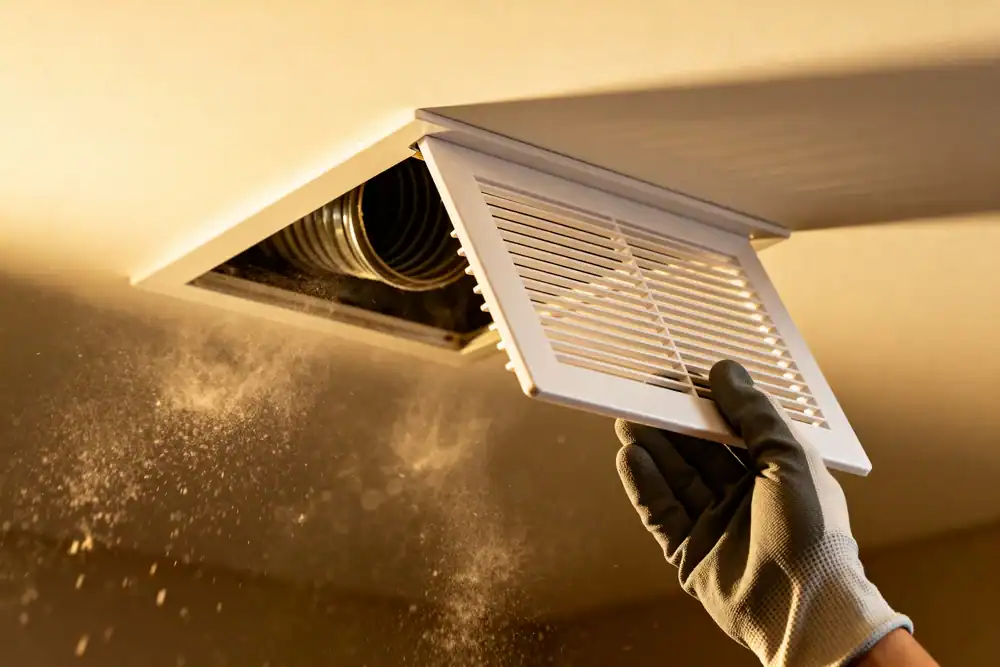
Once we’re on-site for the cleaning, we seal off your vents and attach high-powered vacuum equipment to your duct system. This creates negative pressure that pulls contaminants toward our collection system instead of spreading them through your home. We then use rotating brushes and compressed air tools to dislodge debris from duct walls, registers, and grilles.
Every component gets attention—supply ducts, return ducts, registers, diffusers, and the air handler itself. We clean the blower motor, evaporator coil, and drip pan because leaving those dirty means recontaminating the system immediately. After mechanical cleaning, we apply EPA-registered sanitizers to eliminate bacteria, mold spores, and odors.
The whole process typically takes three to five hours depending on your system size. You’ll see the difference in what we pull out, and you’ll feel it in the air quality within the first day.
Ready to get started?
You get a full system cleaning—not just the easy-to-reach sections. That includes all supply and return ductwork, every register and grille in your home, your air handler, blower assembly, evaporator coil, and condensate drain pan.
We also inspect your system for leaks, disconnected ducts, or damage that could be affecting your air quality or efficiency. If we find issues, we’ll let you know what needs attention. No pressure, just information so you can make the right call.
In Rudd, NC, we see a lot of homes with crawl space issues that directly impact ductwork. Moisture from below leads to mold growth in ducts, especially in older homes without proper encapsulation. If your crawl space is contributing to your air quality problems, we’ll identify that during our assessment. Many local homeowners don’t realize their duct issues start underneath the house until someone actually looks.
Our service also includes sanitization with products that are safe for your family but tough on contaminants. We’re not spraying mystery chemicals into your air supply—everything we use is EPA-registered and designed specifically for HVAC systems.

Most homes benefit from duct cleaning every three to five years. That timeline shifts if you have pets, smokers, recent renovations, or anyone with allergies or respiratory issues.
Rudd’s climate means higher humidity levels, especially in spring and summer. That moisture can lead to faster mold growth inside ductwork, particularly if your crawl space isn’t encapsulated or your HVAC system has condensation issues. If you’ve noticed musty odors, increased dust, or worsening allergy symptoms, don’t wait for the three-year mark.
New homeowners should also consider cleaning ducts shortly after moving in. You don’t know the previous owner’s maintenance history, and starting fresh gives you a clean baseline. If you’ve had any water damage, roof leaks, or flooding, get your ducts inspected and cleaned as soon as possible to prevent mold from taking hold.
Yes, but the savings depend on how dirty your system is to start with. When ducts are clogged with dust and debris, your HVAC system works harder to push air through. That extra effort translates directly to higher energy consumption.
Studies show that removing buildup from your system can improve efficiency by up to 20%. For the average Rudd household, that could mean $15 to $30 per month in savings, especially during peak heating and cooling seasons. Over a year, that adds up to a few hundred dollars—enough to offset the cost of the cleaning itself.
The bigger financial benefit is equipment longevity. HVAC systems that don’t have to strain against blockages last longer and need fewer repairs. Replacing a blower motor or compressor because it burned out from overwork costs significantly more than preventative duct cleaning. You’re not just saving on monthly bills—you’re protecting a major home investment.
Vent cleaning usually refers to just the visible registers and grilles—the parts you can see in your walls, floors, or ceilings. Duct cleaning means going into the entire system, including all the hidden ductwork running through your walls, attic, and crawl space.
Cleaning only your vents is like washing the tip of an iceberg. It might look better, but it doesn’t address the pounds of dust, mold, and debris sitting in the ducts themselves. Every time your system runs, air passes through those dirty ducts before reaching the vents you just cleaned.
A complete duct cleaning covers the whole network—supply ducts that push conditioned air into rooms, return ducts that pull air back to the system, and all the components in between. That includes your air handler, blower, coils, and drain pan. If someone’s offering vent cleaning for $99, they’re probably not touching the actual ductwork where most contaminants live.
It can make a significant difference, especially if your ducts are harboring allergens like dust mites, pollen, pet dander, or mold spores. Every time your HVAC system cycles, it circulates whatever’s sitting in your ductwork. If that includes allergens, you’re constantly re-exposing yourself.
Many of our Rudd clients report noticeable improvements in respiratory symptoms within days of having their ducts cleaned. Less coughing at night. Fewer sinus headaches. Reduced need for allergy medication. That’s not a guarantee—everyone’s sensitivities are different—but removing the source of airborne irritants typically helps.
The key is pairing duct cleaning with other measures. Change your HVAC filters regularly. Consider upgrading to HEPA filters if your system can handle them. Address any moisture issues in your crawl space or attic that could be feeding mold growth. Duct cleaning is a major step, but it works best as part of an overall approach to indoor air quality.
Look for visible dust buildup around your registers and vents. If you see thick layers when you peek inside, that’s a clear sign. Musty or stale odors when your system runs usually indicate mold or mildew growth somewhere in the ductwork.
Increased dust accumulation on furniture and surfaces despite regular cleaning means your ducts are distributing particles throughout your home. If family members are experiencing unexplained allergy symptoms or respiratory issues that improve when they leave the house, your indoor air quality likely needs attention.
Other red flags include uneven heating or cooling between rooms, higher-than-normal energy bills, or visible mold growth near vents or on duct surfaces. If you’ve recently completed renovations, had pest problems, or experienced water damage, your ducts almost certainly need professional cleaning. Construction debris, pest droppings, and moisture-related contaminants don’t just disappear—they sit in your ductwork until someone removes them.
Commercial duct cleaning costs more than residential because the systems are larger and more complex. Most commercial jobs in the Rudd area range from $500 to $2,000+ depending on building size, ductwork accessibility, and contamination level.
A small office or retail space with a straightforward system might fall on the lower end. Larger buildings with multiple HVAC units, extensive ductwork, or difficult access points cost more because they require more time, equipment, and labor. If your system has significant mold growth or hasn’t been cleaned in over a decade, expect additional costs for sanitization and extra cleaning passes.
We provide free consultations and transparent pricing before starting any work. You’ll know exactly what the job involves and what it costs—no surprises or hidden fees. For commercial properties, regular maintenance contracts often make more sense than one-off cleanings. Scheduled service keeps your system running efficiently, maintains healthy air quality for employees and customers, and prevents small issues from becoming expensive problems.