

Contact Info
- Greensboro, NC 27406
- Call: 336-707-0498
- Text: 336-707-0498
-
Mon - Fri: 8am - 4pm
Sat - Sun: Closed
Contact Info
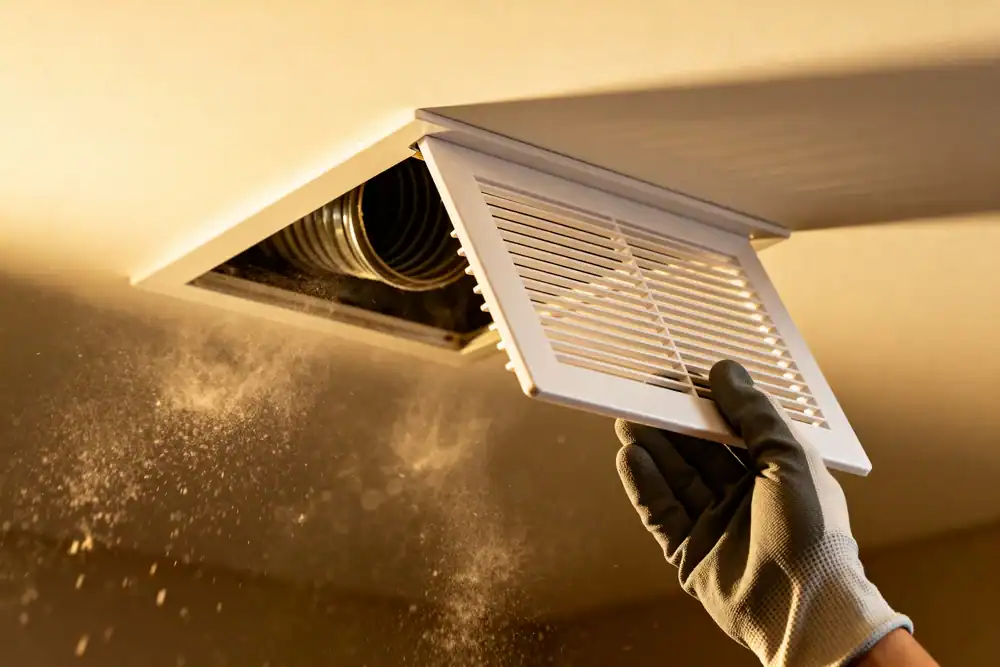
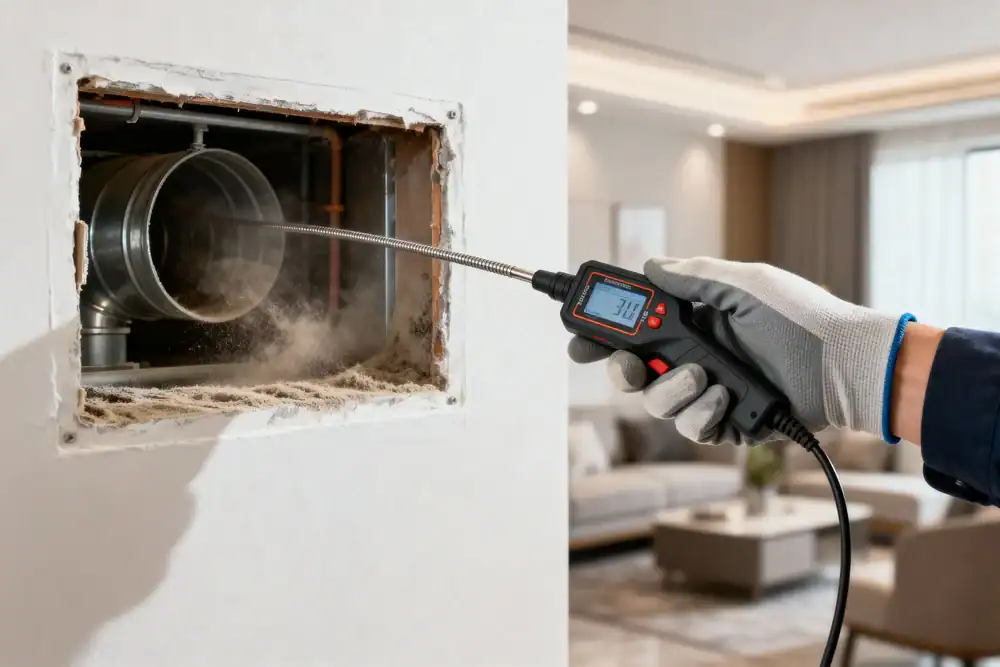
You’ll notice the difference in your energy bill first. A clean HVAC system doesn’t have to work as hard to push air through clogged ductwork, which means it runs less and costs you less.
Then comes the air quality. Homes in Vandalia, NC deal with serious humidity, especially from July through September when moisture creeps into everything. That humidity turns your ductwork into a breeding ground for mold, dust mites, and bacteria if it’s not maintained.
After a proper duct cleaning, you’re breathing air that’s actually been filtered—not recycled through years of buildup. Families with asthma or allergies usually see the biggest improvement. Less coughing at night. Fewer headaches during the day. Less dust settling on your furniture every week.
Your system also lasts longer. The average HVAC unit that gets regular duct cleaning can run 30 to 50 percent longer than one that’s neglected. That’s years added to a system that costs thousands to replace.
We’ve been working in the Greensboro area for over 30 years. We’ve seen what North Carolina’s climate does to HVAC systems, especially in areas like Vandalia where humidity doesn’t take a break.
We’re NADCA certified, which means we follow the protocols set by the National Air Duct Cleaners Association. That’s not just a badge—it’s a standard that keeps our work consistent and thorough.
Most of our clients come to us because their HVAC company told them their ducts need attention, or because they’re dealing with health issues they can’t pin down. We’ve pulled over an inch of debris from 17-year-old duct systems that looked fine from the outside. What you can’t see is usually what’s making you sick.

We start with an inspection. You need to know what’s actually in your ducts before we start pulling it out. We’ll show you what we find—mold, dust buildup, debris, whatever’s in there.
Then we seal off your vents and use negative pressure equipment to pull contaminants out of the system. This isn’t a vacuum job. We’re using hospital-grade equipment that removes 99.999% of what’s built up in there over the years.
We clean every register, return, and supply vent. We address the main trunk lines and the flex ducts. If there’s mold, we treat it with an EPA-approved disinfectant that actually kills it instead of just covering it up.
The whole process takes a few hours depending on the size of your home or building. You’ll see what we remove, and you’ll feel the difference in your air quality within the first few days.
Ready to get started?
We handle both residential and commercial duct cleaning in Vandalia, NC. The process is similar, but commercial jobs usually involve larger systems and more complex ductwork layouts.
Every job includes a full system inspection, cleaning of all accessible ductwork, vent cleaning, and sanitization. We remove dust, mold, pet dander, pollen, and any other contaminants that have settled into your system.
North Carolina’s humidity is a real problem for HVAC systems. Moisture gets trapped in ducts, especially in poorly ventilated areas, and that creates the perfect environment for mold. We’ve seen it in basements, crawl spaces, and even in newer homes that just haven’t had proper maintenance.
For commercial properties, we work around your schedule. We know you can’t shut down operations for a full day, so we plan our work to minimize disruption. Most commercial duct cleaning happens after hours or in sections over multiple visits.
We don’t do residential dryer vents—just HVAC ductwork and ac duct cleaning. That’s where our expertise is, and that’s where we stay focused.

Most homes benefit from duct cleaning every three to five years. That’s the general recommendation from NADCA, and it lines up with what we see in the field.
But North Carolina’s humidity changes that timeline for some homes. If you’re dealing with mold issues, have pets, or notice dust building up faster than usual, you might need cleaning every two to three years.
Commercial buildings with higher foot traffic or specific air quality requirements often need annual cleaning. Restaurants, medical offices, and buildings with sensitive equipment can’t afford to let contaminants build up in their HVAC systems.
If you’ve just moved into a home and don’t know the duct cleaning history, get an inspection. The average six-room house collects 40 pounds of dust annually in its ducts. If the previous owner never cleaned them, you’re breathing years of buildup.
Yes, but the savings depend on how dirty your system is. Studies show that even small amounts of debris can reduce HVAC efficiency by up to 40 percent.
When your ducts are clogged, your system has to run longer to reach the temperature you set on your thermostat. That means more energy used and higher bills every month.
After a professional cleaning, most homeowners see a 10 to 15 percent reduction in energy costs. That’s based on EPA data, and it matches what our clients report after their first full billing cycle post-cleaning.
The return on investment usually happens within the first year. You’re paying for the cleaning once, but you’re saving on energy costs every month after that. Over the lifespan of your HVAC system, that adds up to hundreds or even thousands of dollars.
It can make a significant difference, especially if your ducts are full of allergens like dust mites, mold, pollen, or pet dander. Every time your HVAC system runs, it’s circulating whatever’s in your ductwork throughout your home.
Homes with clean ducts show a 60 percent reduction in airborne dust and allergens. That’s a measurable improvement, and it’s something families with asthma or respiratory issues notice quickly.
You’ll see fewer symptoms—less coughing, fewer headaches, less congestion. It won’t cure allergies, but it removes one of the main sources of indoor air pollution that triggers them.
North Carolina’s humidity makes this worse because mold thrives in damp ductwork. If you’re dealing with mold in your ducts, you’re breathing in spores every time your system runs. Cleaning removes the mold and treats the ducts to prevent it from coming back.
There are a few clear signs. If you see dust blowing out of your vents when the system kicks on, that’s a problem. If your home gets dusty faster than it should, even right after cleaning, your ducts are likely the source.
Musty or stale odors coming from your vents are another red flag. That usually means mold or mildew has taken hold somewhere in your ductwork.
Uneven heating or cooling is also a sign. If some rooms are always too hot or too cold, blocked or dirty ducts could be restricting airflow to those areas.
You can also just look. Pull off a vent cover and shine a flashlight into the duct. If you see visible dust, debris, or discoloration, it’s time for a cleaning. Most people are surprised by what they find when they actually look inside their ducts.
Changing your air filter is basic maintenance that you should do every one to three months. It catches dust and debris before it enters your HVAC system, but it doesn’t clean what’s already built up inside your ductwork.
Duct cleaning addresses the entire system—the trunk lines, the branch ducts, the vents, and all the areas where contaminants settle over time. Your filter can’t reach any of that.
Think of it this way: changing your filter is like sweeping your floors. Duct cleaning is like deep cleaning your entire house, including the places you don’t see every day.
Both are necessary. A clean filter keeps new debris out, but it won’t remove the years of buildup that’s already in your ducts. You need professional vent cleaning to handle that, and you need to keep up with filter changes to maintain the results.
Yes, and sometimes newer homes need it more than older ones. Construction debris—drywall dust, sawdust, insulation particles—often gets into ductwork during the building process and never gets cleaned out.
We’ve cleaned ducts in homes that were only a few years old and pulled out shocking amounts of construction debris. That material restricts airflow and gets circulated through your home every time your system runs.
Newer homes in North Carolina also tend to be built tighter for energy efficiency, which is great for your utility bills but bad for air quality if your ducts aren’t clean. Less air exchange means contaminants stay trapped inside.
If your home is new and you’re already noticing dust or air quality issues, get an inspection. It’s easier and cheaper to clean ducts early than to wait until the problem affects your health or your HVAC system’s performance.