

Contact Info
- Greensboro, NC 27406
- Call: 336-707-0498
- Text: 336-707-0498
-
Mon - Fri: 8am - 4pm
Sat - Sun: Closed
Contact Info
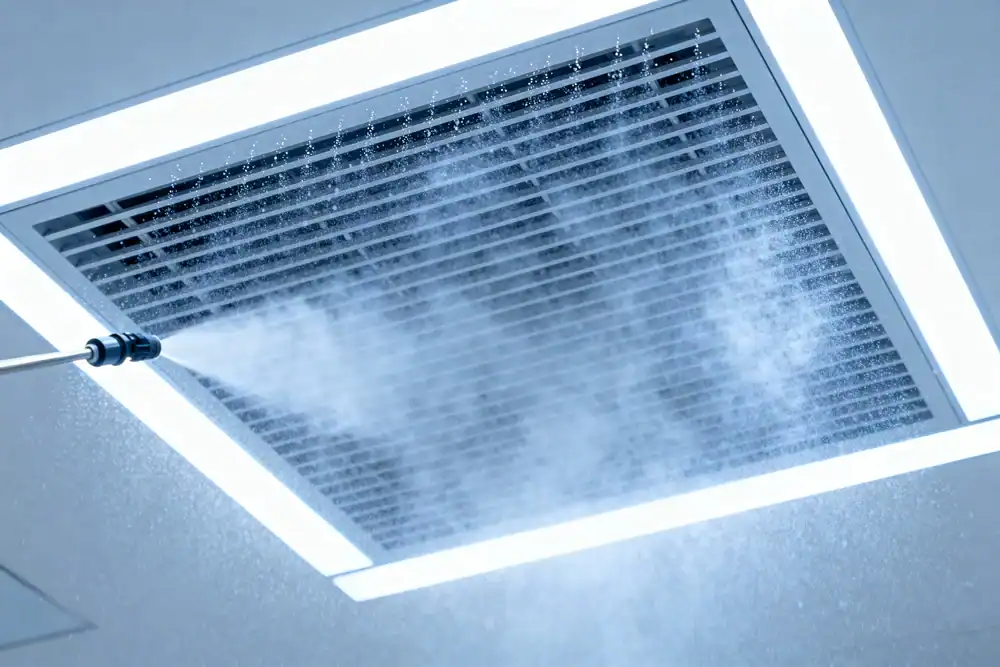
Your employees stop complaining about stuffy air and constant headaches. Your energy bills drop because your HVAC system isn’t fighting through layers of dust and debris just to circulate air. Equipment lasts longer because it’s not overworking itself every single day.
That’s what clean ductwork does for commercial buildings in Clemmons. It’s not about making things look nice—it’s about function. When your air ducts are clogged with dust, allergens, and contaminants, your whole system suffers. Your HVAC runs longer, works harder, and costs more to operate.
Commercial duct cleaning removes what’s blocking airflow. It clears out the buildup that makes your system inefficient. And it gives you back the indoor air quality your building was designed to have—without the constant cycle of filters that don’t help and air fresheners that just mask the problem.
You’ll notice the difference in your utility bills. Your employees will notice it in how they feel at work. And your HVAC system will run the way it’s supposed to.
We handle commercial duct cleaning for office buildings, warehouses, and facilities across Clemmons and the surrounding Piedmont Triad area. We’re not a residential-only company trying to scale up—we understand the difference between cleaning a home system and servicing a commercial HVAC setup that affects dozens of employees.
Clemmons businesses deal with specific air quality challenges. The humidity here accelerates mold growth in ductwork. Pollen counts spike in spring and fall, and all of that gets pulled into your ventilation system. If your ducts aren’t cleaned regularly, you’re just recirculating the same contaminated air.
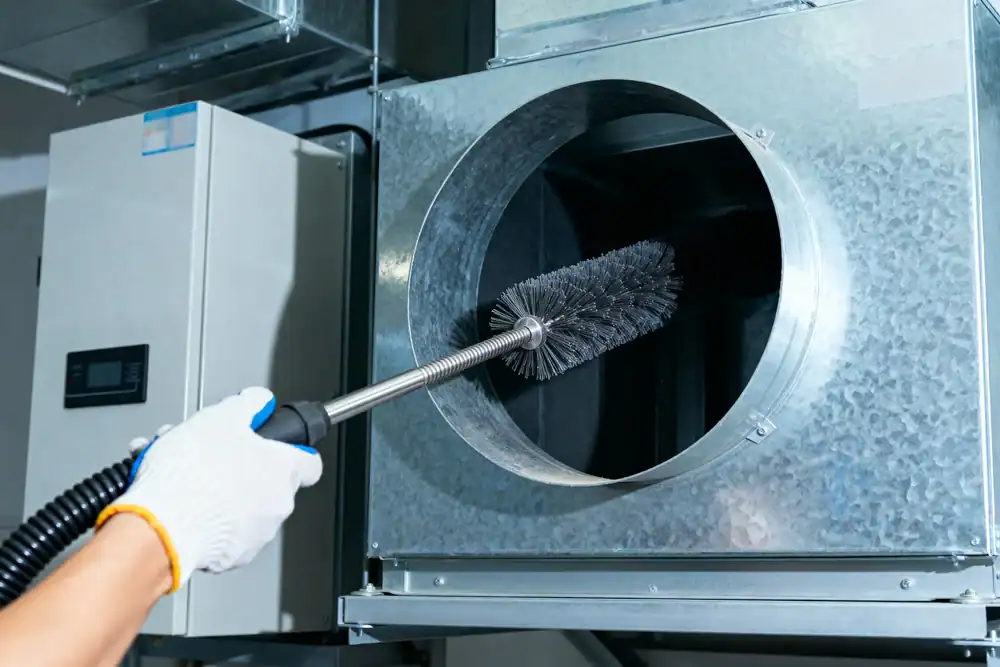
We follow NADCA standards because that’s the baseline for doing this work correctly. Our team uses HEPA-filtered equipment, power brushing tools that reach deep into your system, and high-pressure air devices that clean every seam and connection. You’re not getting a surface-level job—you’re getting a system that’s actually clean.
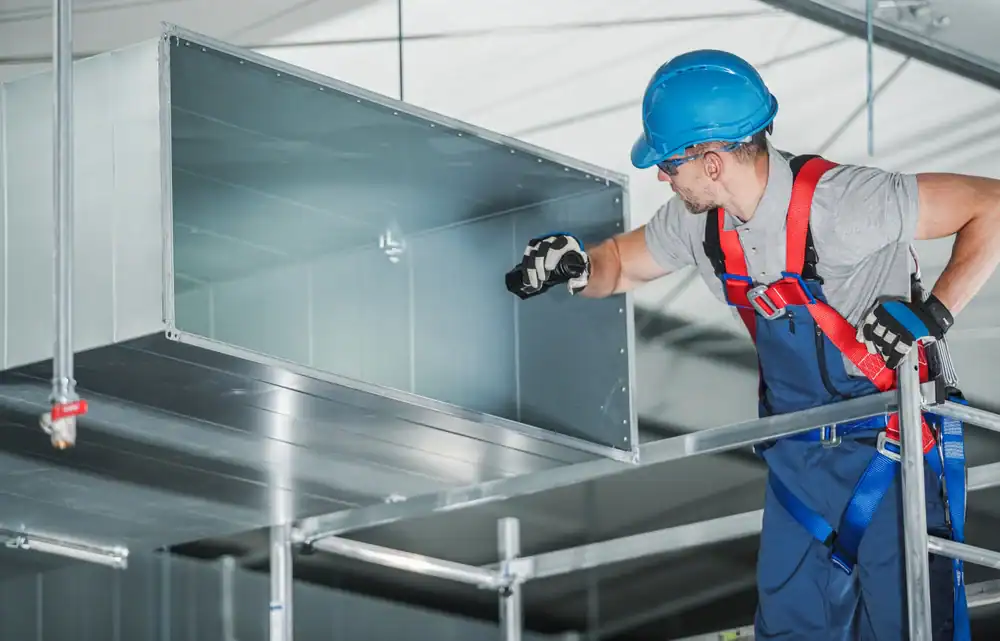
We start with a full system inspection. That means checking your ductwork for leaks, mold growth, and buildup that’s restricting airflow. You need to know what’s in there before we clean it—and whether there are bigger issues that need addressing.
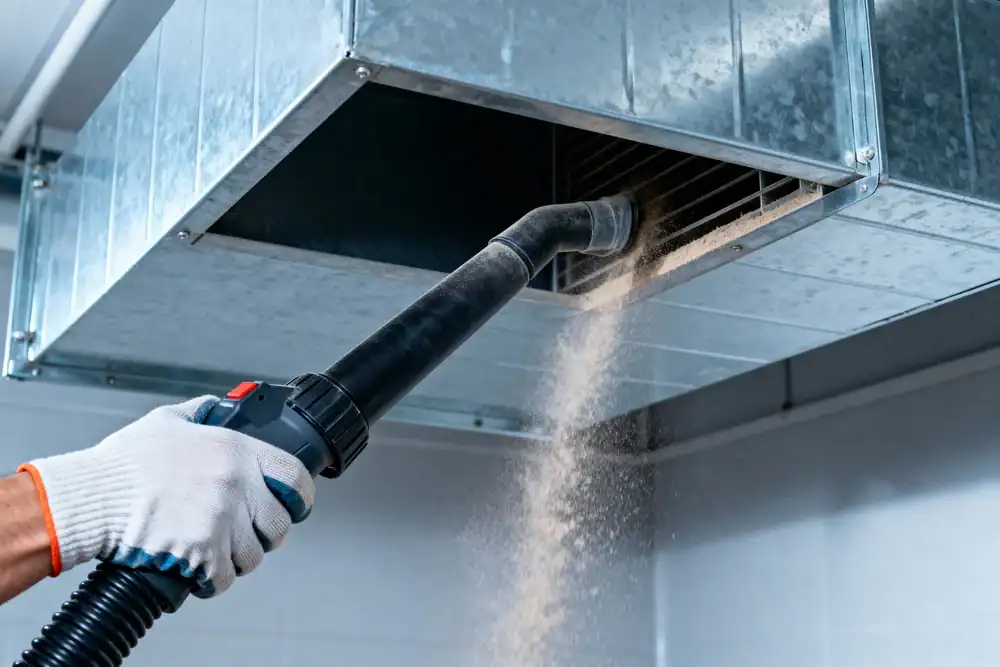
Next, we seal off your vents and connect HEPA-filtered collection units to your system. This keeps contaminants contained during the cleaning process. We’re not just blowing dust around your building—we’re capturing it and removing it completely.
Then we use rotating power brushes and compressed air tools to scrub the interior surfaces of your ducts. This loosens years of accumulated dust, debris, and allergens. Everything gets pulled into our collection system, not into your workspace.
After cleaning, we inspect again to make sure the job’s done right. We check airflow, look for any remaining buildup, and verify that your system is operating efficiently. You’ll see the difference immediately—in air quality, in how your HVAC performs, and eventually in your energy costs.
The whole process is designed to minimize disruption to your business. We work around your schedule, and most commercial jobs are completed in a day.
Ready to get started?
You’re getting a complete cleaning of your HVAC ductwork—supply lines, return lines, and all the connections in between. We clean the mechanical components that affect airflow: blower motors, cooling coils, and air handlers. These parts accumulate dust and grime that make your system work harder than it should.
We also inspect for problems you might not know exist. Leaking ducts waste conditioned air and drive up energy costs. Mold growth in dark, humid sections of ductwork creates health risks for everyone in your building. Identifying these issues early saves you from expensive repairs later.
In Clemmons, commercial buildings face specific challenges. The area’s humidity levels create ideal conditions for mold and mildew in HVAC systems. Seasonal pollen from the surrounding Piedmont region gets pulled into ventilation systems and circulated throughout office spaces. And older commercial buildings—common in this area—often have ductwork that hasn’t been cleaned in years, if ever.
Regular commercial duct cleaning isn’t just maintenance. It’s a direct investment in lower energy costs, better employee health, and longer equipment life. Your HVAC system is one of your biggest operating expenses—keeping it clean means it runs efficiently instead of fighting against itself every day.
We don’t do residential dryer vents. We focus on commercial HVAC systems because that’s where the expertise matters most.
Most commercial buildings in Clemmons should have ductwork cleaned every three to five years. That timeline shifts based on your specific situation—if you’re in a high-traffic office with lots of employees, you’ll need more frequent cleaning. Same goes for warehouses or facilities with dust-generating operations.
Buildings with known indoor air quality issues need attention sooner. If employees are complaining about allergies, headaches, or stuffiness, your ducts are likely part of the problem. Visible dust around vents, musty odors when the HVAC kicks on, or uneven heating and cooling across your building are all signs that cleaning is overdue.
Clemmons’ climate accelerates the need for regular cleaning. High humidity promotes mold growth in ductwork, especially in sections that don’t get much airflow. Spring and fall pollen seasons dump allergens into your system. If you’re not cleaning regularly, you’re just recirculating contaminated air through your building year after year.
NADCA recommends inspection every two years at minimum, with cleaning as needed based on what’s found. That’s a reasonable baseline for most commercial properties here.
Commercial systems are larger, more complex, and require different equipment. Your office building or warehouse has ductwork that spans much greater distances than a residential home. The HVAC units are bigger, the airflow requirements are different, and the stakes are higher—poor air quality affects dozens of employees, not just a family.
Commercial duct cleaning uses industrial-grade equipment designed for these larger systems. We’re talking HEPA-filtered collection units with enough power to handle the volume of contaminants in a commercial building. The brushes and air tools need to reach further and work harder to clean ductwork that’s often been neglected for years.
The process also takes longer and requires more coordination. We’re working around your business operations, not just a homeowner’s schedule. That means planning the work to minimize disruption, sealing off sections of your building during cleaning, and making sure your HVAC system is back online when you need it.
Residential companies that try to handle commercial jobs often don’t have the right equipment or experience. They underestimate the scope, miss sections of ductwork, or can’t properly clean the mechanical components that matter most in commercial systems. You need a team that understands commercial HVAC—not just ductwork, but how the whole system works together.
Yes, but the savings depend on how dirty your system is right now. Commercial HVAC systems account for over 30% of a building’s total energy consumption. When ducts are clogged with dust and debris, your system has to work significantly harder to push air through. That means longer run times, higher energy draw, and increased wear on mechanical components.
Clean ductwork restores proper airflow. Your HVAC doesn’t have to compensate for restrictions, so it operates more efficiently. Most commercial buildings see noticeable reductions in utility bills within the first few months after a thorough cleaning—the exact amount varies based on system size, how contaminated the ducts were, and how efficiently your HVAC was running before.
Beyond direct energy savings, clean ducts extend equipment life. When your system isn’t overworking itself, components last longer. You’re not replacing motors, coils, or air handlers as frequently. That’s where the real cost savings add up over time.
In Clemmons, where summer humidity makes HVAC systems work overtime, efficiency matters even more. A clean system cools your building faster and maintains temperature more consistently. You’re not paying to recondition the same air multiple times because your ducts are leaking or your airflow is restricted.
Contaminated air ducts circulate allergens, dust, and mold spores throughout your building every time your HVAC runs. Employees breathing that air experience more frequent allergies, respiratory issues, and headaches. Sick building syndrome is a real problem—people feel fine at home but develop symptoms at work because of poor indoor air quality.
The productivity impact is measurable. Employees dealing with constant allergies or headaches aren’t performing at their best. Cognitive function drops when air quality is poor. Absenteeism increases because people are actually getting sick from the air they’re breathing eight hours a day.
Clean ductwork eliminates the source of these contaminants. You’re not just filtering dirty air—you’re removing what’s making it dirty in the first place. Employees notice the difference immediately. Fewer complaints about stuffy air, fewer sick days, and better overall morale because people aren’t fighting through symptoms just to get through their workday.
For call centers, offices, or any business where focus and communication matter, indoor air quality directly impacts your bottom line. You’re paying employees to be productive—contaminated ductwork undermines that investment every single day.
NADCA certification is the baseline. The National Air Duct Cleaning Association sets the standards for how this work should be done. If a company isn’t following NADCA guidelines, they’re cutting corners. You want technicians who understand commercial HVAC systems, not just residential setups.
Ask about their equipment. HEPA-filtered collection units are non-negotiable—you need containment during the cleaning process. Power brushes should be able to reach the full length of your ductwork, not just the easily accessible sections. High-pressure air tools are necessary for cleaning seams, connections, and mechanical components.
Experience with commercial properties matters. A company that primarily does residential work won’t understand the complexity of your system. They won’t know how to coordinate around your business operations or handle the larger-scale equipment involved in commercial duct cleaning.
Get a detailed scope of work before they start. You should know exactly what’s being cleaned—ductwork, mechanical components, air handlers, everything. You should also know what the inspection process looks like and what happens if they find mold, leaks, or other issues during the job.
References from other commercial clients in Clemmons or the surrounding area tell you how they actually perform. Anyone can talk about quality—you want to see proof that they’ve handled buildings similar to yours and delivered results.
If some areas of your building are too hot while others are too cold, dirty ductwork could be part of the problem. Buildup in ducts restricts airflow to certain sections of your building. Leaks in ductwork send conditioned air into spaces where it’s not needed—like crawl spaces or wall cavities—instead of into your offices or workspaces.
Cleaning removes the restrictions. Airflow gets restored to the levels your system was designed to deliver. That doesn’t automatically fix every temperature control issue—you might have thermostat placement problems, insulation gaps, or an undersized HVAC system—but it eliminates ductwork as a variable.
During the cleaning process, we inspect for leaks and disconnected sections. These are common in commercial buildings, especially older properties in Clemmons where ductwork might have been modified or expanded over the years. Sealing those leaks improves temperature consistency across your building and stops you from paying to condition air that never reaches its intended destination.
If your HVAC system is running constantly but still can’t maintain comfortable temperatures, contaminated or leaking ductwork is a likely culprit. Cleaning and sealing the ducts often solves the problem without needing to replace expensive equipment. You’re getting more out of the system you already have instead of assuming you need a complete upgrade.