
Contact Info
- Greensboro, NC 27406
- Call: 336-707-0498
- Text: 336-707-0498
-
Mon - Fri: 8am - 4pm
Sat - Sun: Closed
Contact Info
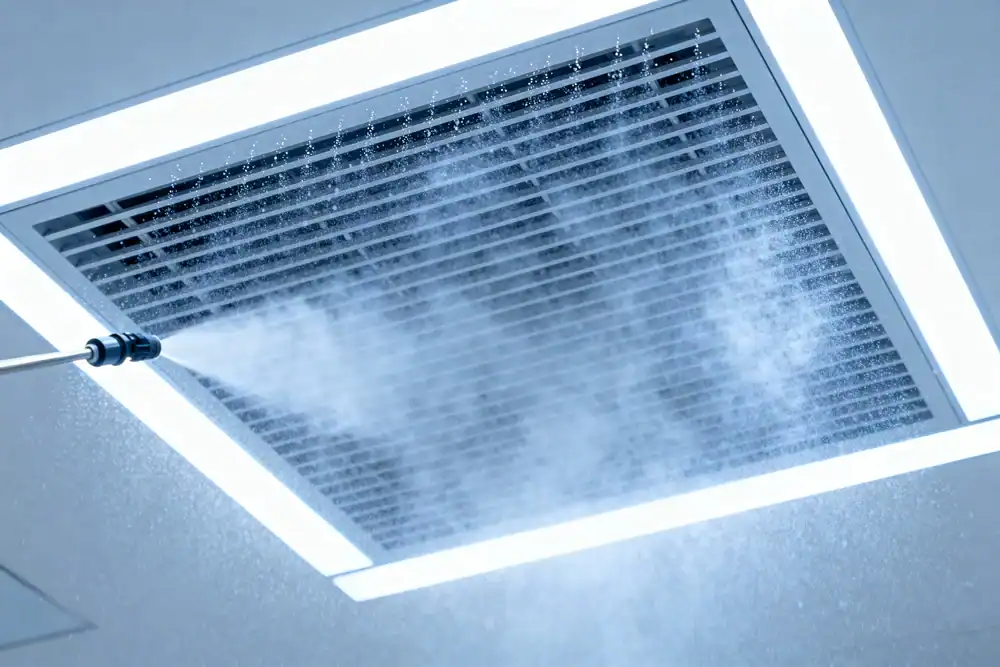
When your ductwork is clogged with dust, debris, and allergens, your HVAC system has to run longer to maintain temperature. That means higher energy costs—sometimes 15% to 30% more than necessary. The EPA found that just 0.42 inches of buildup on your coils can drop efficiency by 21%.
But the real cost shows up in your team. Poor indoor air quality decreases cognitive performance by up to 50% and increases sick days across the board. Headaches, fatigue, eye irritation—these aren’t just complaints. They’re symptoms of a building that’s making people less productive.
Clean ductwork changes that. Your system runs efficiently. Your air is cleaner. Your people feel better and work better. And when your HVAC isn’t straining to push air through clogged vents, it lasts longer and breaks down less often.
We serve Julian and the greater Greensboro area with HVAC and duct cleaning services that actually make a difference. We’re NADCA-certified, which means we follow the national standards for air duct cleaning—not shortcuts, not half-measures.
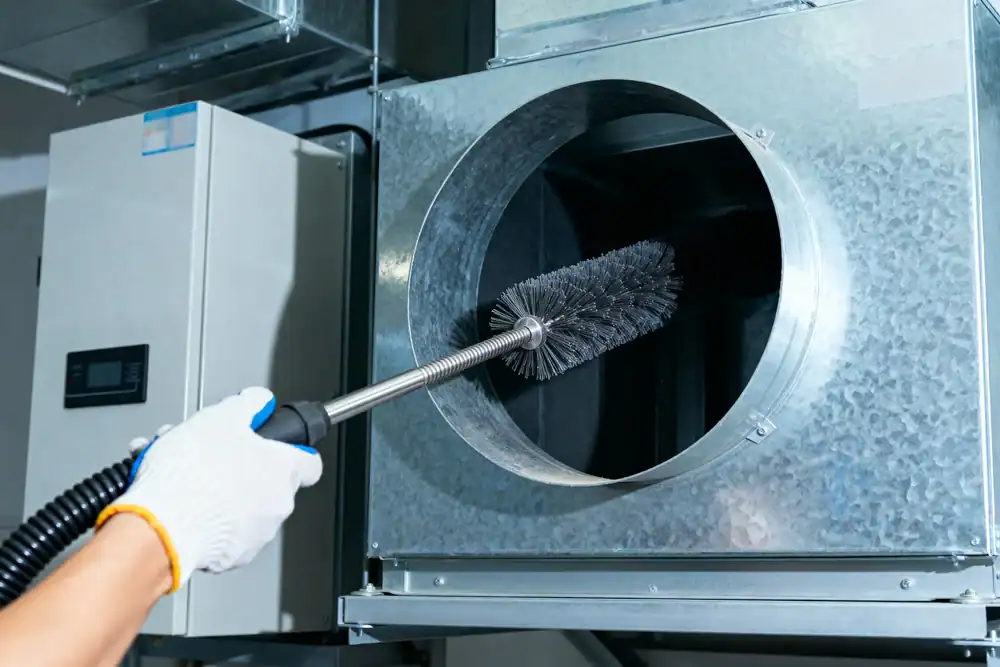
North Carolina’s humidity creates the perfect environment for mold and mildew inside your ductwork. We see it constantly in commercial buildings around Julian. That’s why we use HEPA-filtered equipment, power brushing tools that reach deep into your system, and high-pressure air devices to clean every seam and connection.
Our team is trained, background-checked, and focused on getting the job done without disrupting your business. We understand that downtime costs you money, so we work efficiently and professionally.
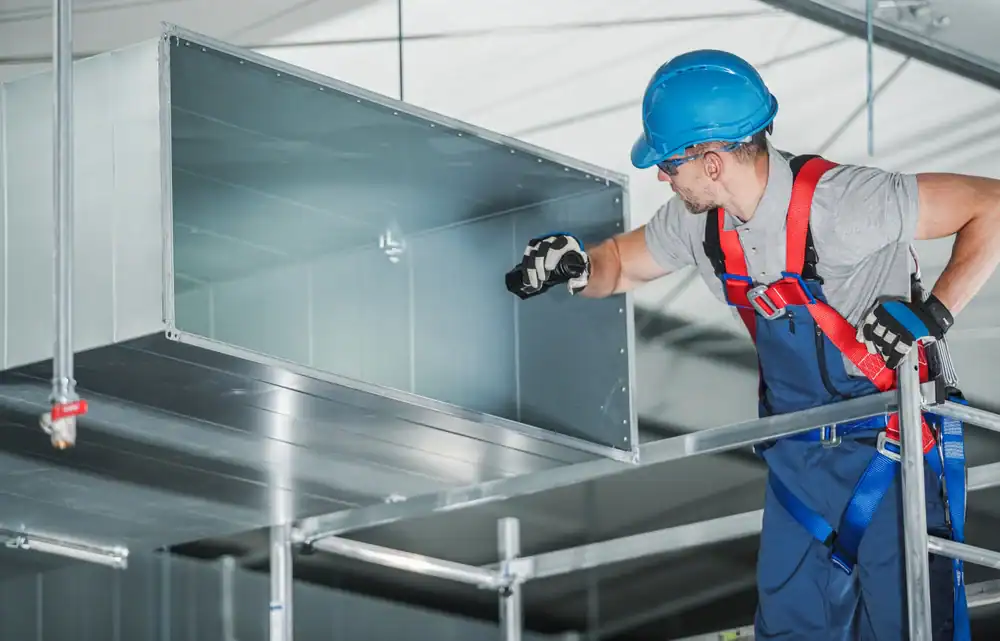
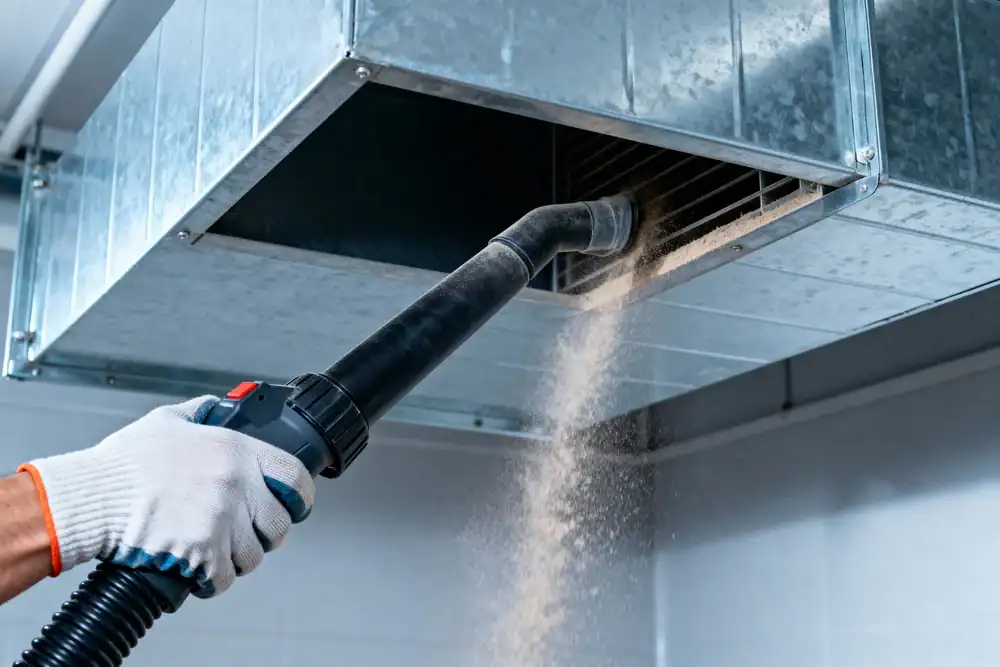
First, we attach a HEPA-filtered particle collection unit to your air duct system. This captures everything we remove so it doesn’t end up back in your building. Then we clean every supply and return air duct register and grill—these are the entry points where dust accumulates.
Next, we use power brushing tools to clean the internal surfaces of your ductwork. These tools reach deep into the system to break loose debris that’s been building up for months or years. High-pressure air devices clean the seams and connections where dust likes to hide.
We clean the blower compartment, supply and return air plenums, and coils with HEPA vacuum units. Finally, we replace your filter, patch and seal any service entry areas, and make sure everything is back to proper working order. The entire process follows NADCA standards, which are the industry benchmark for thorough, effective duct cleaning.
Ready to get started?
Most commercial HVAC systems in Julian need servicing at least twice a year, and duct cleaning every three to five years depending on your facility type. If you’re in manufacturing, food service, or healthcare, you might need it more often due to higher contamination levels or regulatory requirements.
Julian sits in the Greensboro area, where humidity stays high most of the year. That moisture gets into your ductwork and creates conditions for mold growth. When your HVAC system can’t remove enough humidity from indoor air, mold spreads fast—and it impacts everyone in the building, especially people with allergies or respiratory issues.
Our service covers the full system: ductwork, vents, coils, blower compartments, and plenums. We don’t just blow air through your ducts and call it clean. We physically remove the buildup using professional-grade equipment designed for commercial systems. And because we’re local to the Julian area, we understand what buildings around here deal with and how to address it properly.
NADCA recommends air duct cleaning every three to five years for most commercial buildings. But that’s a baseline, not a rule. Your actual schedule depends on your facility type, occupancy levels, and what kind of contaminants you’re dealing with.
Office buildings with standard HVAC use can usually stick to the three-to-five-year range. But if you run a manufacturing facility, restaurant, or healthcare building, you’re looking at more frequent cleaning—sometimes annually. High dust environments, combustible materials, or strict air quality regulations all push that timeline up.
Julian’s humidity is another factor. Moisture accelerates mold growth inside ductwork, especially in buildings where the HVAC system runs constantly. If you’ve noticed musty odors, increased allergy symptoms among staff, or visible dust around vents, don’t wait for the three-year mark. Get it checked sooner.
Yes, but only if your ducts actually need cleaning. The EPA’s research shows that removing debris from ductwork and cleaning impacted cooling coils can reduce HVAC runtime by up to 30%. That directly translates to lower energy costs because your system isn’t working as hard to move air.
Here’s why it works: when dust and debris build up inside your ducts, airflow gets restricted. Your HVAC has to run longer to reach the temperature you’ve set on the thermostat. A buildup of just 0.42 inches on your coils drops efficiency by 21%. That’s wasted energy you’re paying for every month.
But if your ducts are relatively clean, you won’t see much savings. That’s why we inspect first. We’re not going to sell you a cleaning if your system doesn’t need it. When it does need it, though, the energy savings are real—and they add up fast in a commercial building.
There are a few clear signs. Visible dust around your vents is the most obvious one. If you see buildup on the registers or notice dust blowing out when the system kicks on, that’s coming from somewhere—and it’s probably your ducts.
Musty or stale odors are another red flag, especially in humid areas like Julian. That smell usually means mold or mildew is growing inside your ductwork. You might also notice that some rooms are harder to heat or cool than others, which can indicate blockages or heavy buildup restricting airflow.
Employee complaints matter too. If your staff is reporting more headaches, fatigue, or allergy symptoms at work than at home, poor indoor air quality is likely the cause. An increase in sick days or complaints about stuffiness are worth investigating. We can inspect your system and give you a straight answer about whether cleaning will help.
NADCA certification means we follow the National Air Duct Cleaners Association’s standards for proper cleaning. It’s the difference between actually removing contaminants from your system and just blowing air through it.
As NADCA-certified technicians, we use source removal methods. That means physically extracting dust, debris, and buildup from your ductwork with specialized tools—power brushes, HEPA vacuums, high-pressure air devices. Non-certified companies often just use a shop vac or a leaf blower, which stirs up dust but doesn’t remove it. That debris just settles back into your ducts after they leave.
NADCA standards also cover safety, equipment requirements, and proper sealing after service. We carry insurance, use containment systems to prevent cross-contamination, and follow protocols that protect your building and your people. It’s not just a badge—it’s a commitment to doing the work right. When you’re paying for commercial duct cleaning, you want it done once and done correctly.
Some disruption is unavoidable, but we work to minimize it. The noise from our equipment is noticeable, and we need access to different areas of your building throughout the service. But we don’t shut down your entire operation.
Most commercial duct cleaning can be scheduled during off-hours, weekends, or slower business periods. If that’s not possible, we section off the work area and complete the job in stages so your team can keep working. Our technicians are trained to move efficiently and respect your space.
The actual cleaning process takes several hours to a full day depending on your building size and system complexity. We’ll give you a time estimate upfront based on your specific setup. What matters most is that we’re not cutting corners to finish faster. Rushed duct cleaning doesn’t work. We take the time needed to do it right, but we’re also aware that every hour counts in a commercial setting.
In many cases, yes. If your building falls under OSHA, EPA, or LEED standards for indoor air quality, regular HVAC maintenance and duct cleaning are often part of compliance. Healthcare facilities, schools, and food service operations typically have stricter requirements than standard office buildings.
Nearly 50% of commercial buildings in developed regions now undergo annual HVAC inspection and cleaning to meet these guidelines. Poor indoor air quality can lead to violations, fines, or liability issues—especially if employee health complaints are tied back to building conditions.
We provide documentation after every service that shows what was cleaned, what was found, and what standards were followed. That paperwork matters during inspections or audits. If you’re unsure whether your facility has specific air quality requirements, we can point you in the right direction. Staying compliant isn’t just about avoiding penalties—it’s about maintaining a safe, healthy environment for everyone in your building.