

Contact Info
- Greensboro, NC 27406
- Call: 336-707-0498
- Text: 336-707-0498
-
Mon - Fri: 8am - 4pm
Sat - Sun: Closed
Contact Info
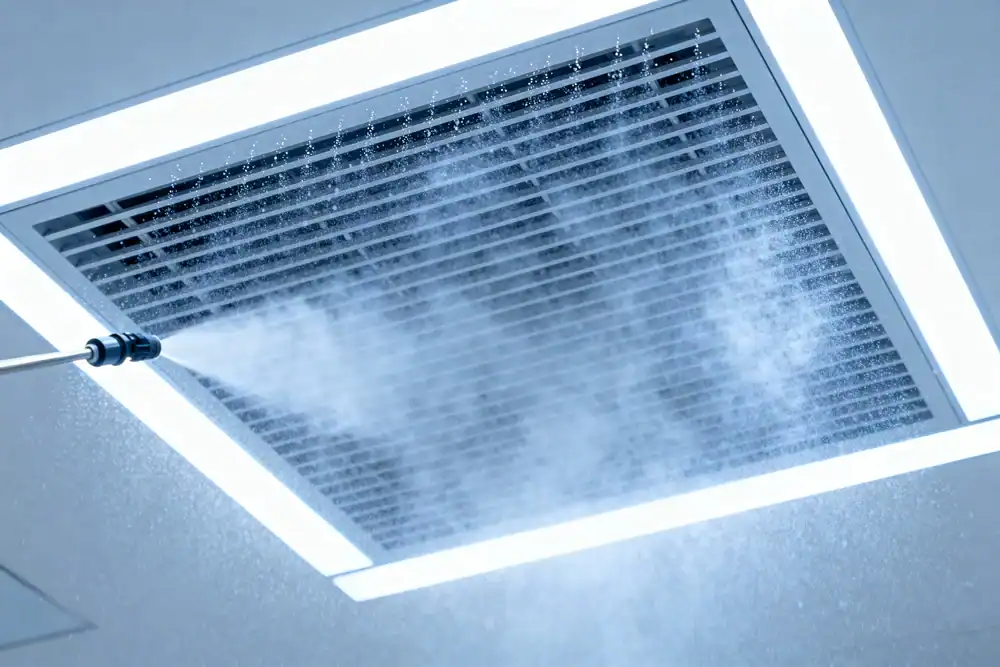
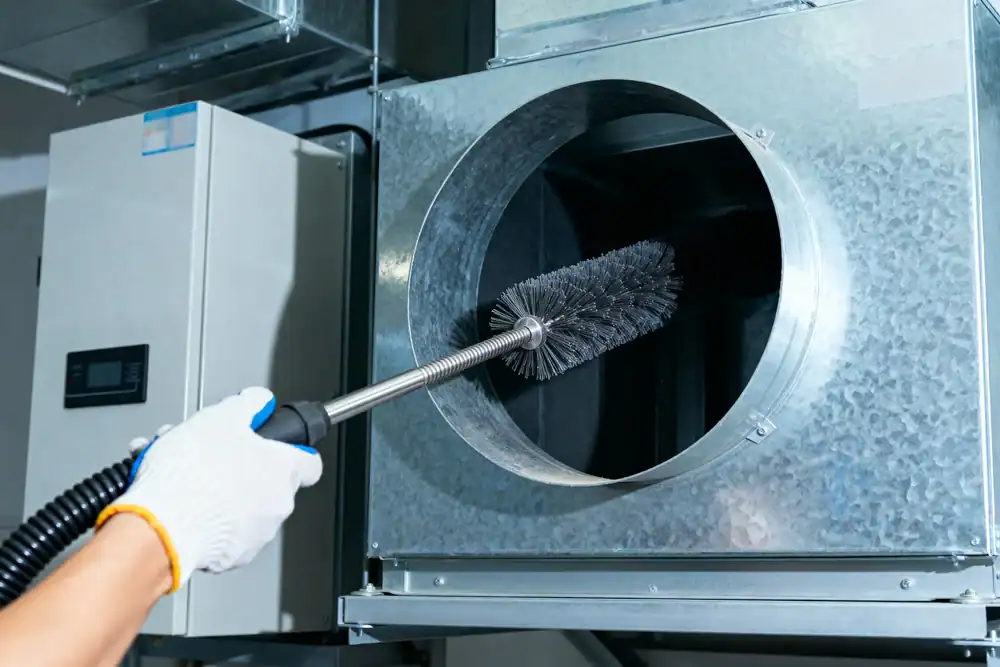
Your heating and cooling costs drop because your system isn’t fighting through layers of dust and debris anymore. The air in your facility smells fresher, and employees stop complaining about stuffiness or constant sneezing.
You’ll notice fewer sick days. When mold spores, dust mites, and accumulated contaminants aren’t cycling through your ventilation system every time the HVAC kicks on, your team breathes easier—literally.
Your equipment lasts longer too. Clean ductwork means your HVAC system doesn’t have to work overtime just to maintain temperature. Less strain means fewer breakdowns, fewer emergency repair calls, and you’re not replacing units years before you should have to.
This isn’t about making your ducts look pretty. It’s about removing what’s costing you money and affecting the people who work in your building every day.
We’ve been handling commercial HVAC duct cleaning across North Carolina since before most companies in this space even existed. We’re NADCA certified—the actual industry standard, not just a marketing badge.
Our team, including NADCA-certified Air System Cleaning Specialists, has cleaned ductwork in hospitals, schools, manufacturing plants, and office buildings throughout the region. We’ve seen what happens when systems get neglected, and we know exactly how to fix it.
We’re based in Greensboro and serve businesses throughout Osceola, NC and surrounding areas. You’re working with people who’ve built a reputation on showing up, doing thorough work, and communicating clearly about what you actually need—not upselling services that don’t make sense for your facility.
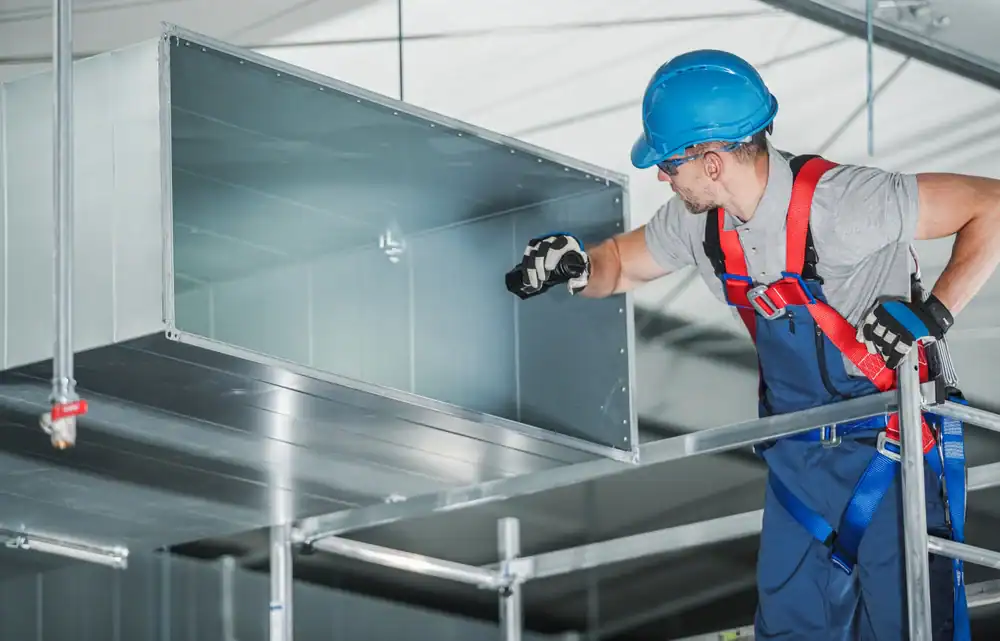
We start with a full inspection of your ductwork and HVAC system. You get a clear assessment of what we’re dealing with—how much buildup exists, whether there’s mold or moisture issues, and what actually needs attention.
Then we protect your space. We’re not tracking debris through your facility or leaving dust everywhere. Work areas get sealed off, and we schedule around your operations so your business keeps running.
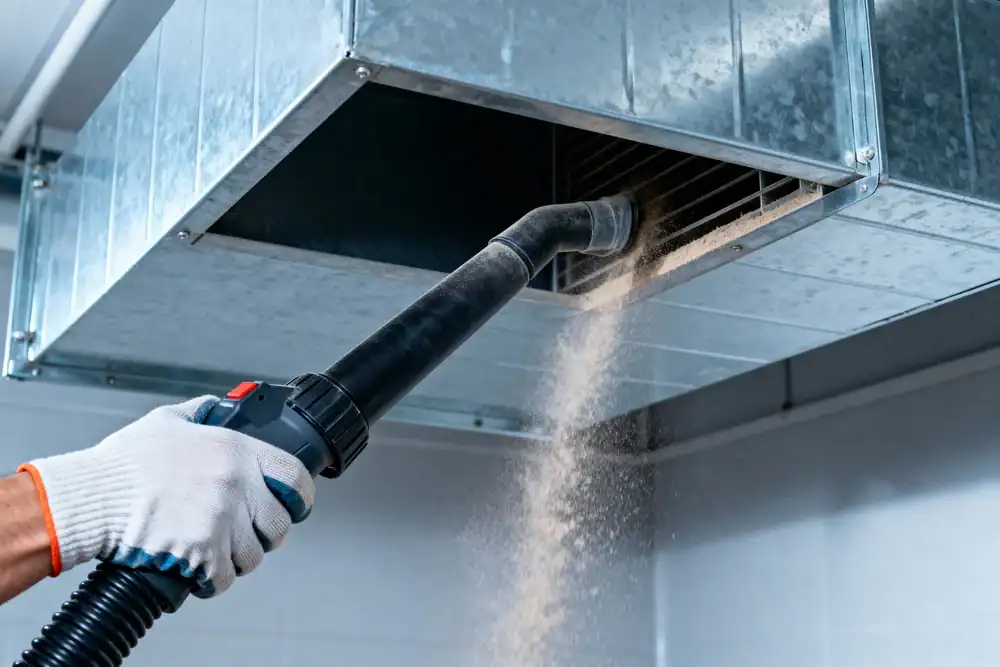
The actual cleaning uses specialized equipment—negative air machines, HEPA-filtered vacuums, and agitation tools designed for commercial ductwork. We’re removing years of accumulated dust, construction debris, and biological growth that’s been circulating through your building.
After cleaning, we inspect again to verify everything’s clear. You see the difference in airflow immediately. Most facilities notice temperature consistency improves within the first week, and energy bills start dropping within the first billing cycle.
Ready to get started?
You’re getting a complete system cleaning—supply and return ducts, registers, grilles, diffusers, heating and cooling coils, drip pans, fan motors, and the air handling unit housing. We don’t skip components because they’re harder to access.
In Osceola, NC, we see a lot of facilities dealing with humidity-related mold growth and seasonal pollen accumulation that gets trapped in ductwork. Our process addresses both the visible contamination and the moisture sources that cause ongoing problems.
We also handle the scheduling complexity that comes with commercial work. Your operations don’t stop because we’re cleaning ducts. We work around your hours, coordinate with your facility managers, and keep disruption minimal.
You get documentation too—before and after photos, a detailed report of what was found and removed, and recommendations for maintenance intervals based on your specific facility type and usage. Most commercial buildings in this area need cleaning every two to three years, but high-traffic facilities or those in manufacturing may need more frequent service.
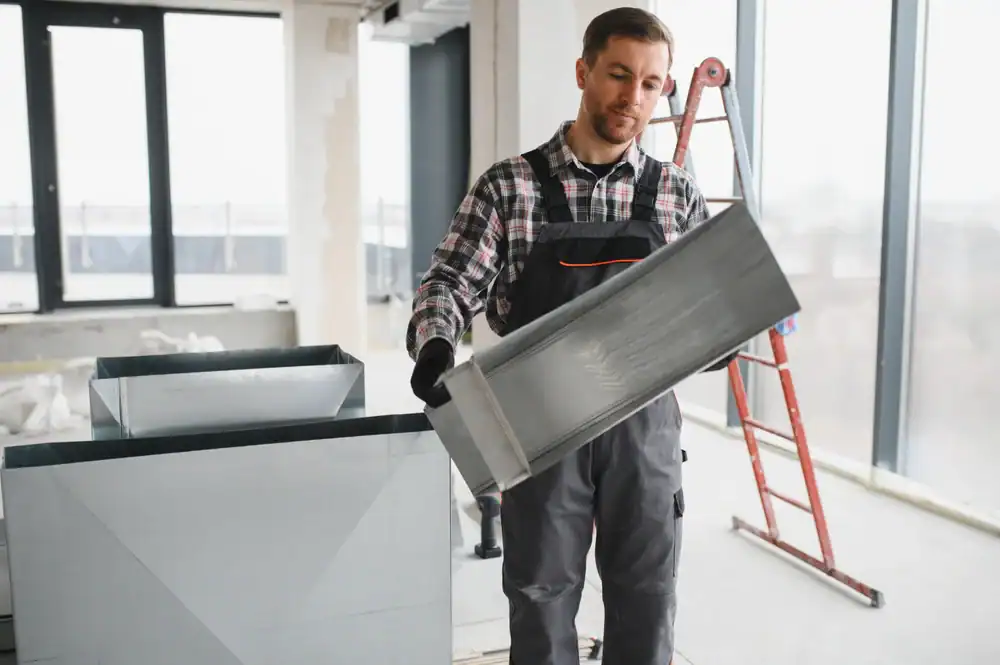
Cost depends on your building size, how much ductwork you have, and what condition it’s in. A small office might run a few thousand dollars. A larger facility with multiple HVAC systems and extensive ductwork costs more.
Here’s what affects pricing: square footage, number of air handlers, accessibility of your ductwork, and whether we’re dealing with standard dust buildup or more serious contamination like mold. If your system hasn’t been cleaned in a decade, it takes longer than maintenance cleaning on a system that’s been serviced regularly.
We give you a clear quote after inspecting your facility. No surprises, no hidden fees for “unexpected” work. You know what you’re paying before we start, and you understand exactly what that money gets you.
A typical office building takes one to three days, depending on size and system complexity. We’re not rushing through to check a box—we’re removing years of accumulated contamination.
Smaller facilities with straightforward duct layouts might be done in a day. Larger buildings with multiple floors, several HVAC zones, or ductwork that’s difficult to access take longer. If we find mold or significant moisture issues that need remediation, that extends the timeline.
We schedule around your business operations. Most commercial clients have us work after hours or on weekends to avoid disrupting employees. We’ll map out a timeline during the initial inspection so you can plan accordingly and communicate with your team about what to expect.
Visible dust blowing out of vents when the system starts is the most obvious sign. If your registers look dirty or you’re seeing dust accumulation around supply vents, that’s what’s circulating through your building.
Increased employee complaints about allergies, headaches, or respiratory irritation often point to air quality problems. If your team is getting sick more frequently or multiple people are experiencing similar symptoms at work that improve when they leave, your ductwork could be the source.
Higher energy bills without explanation are another red flag. When ducts are clogged, your HVAC works harder to push air through the system. You’re paying more to heat and cool your space, and you’re still not getting consistent temperatures throughout the building. Uneven heating or cooling between rooms usually means restricted airflow from contaminated ductwork.
North Carolina doesn’t have a blanket law requiring all commercial buildings to clean ducts on a schedule. But specific industries absolutely have regulations about indoor air quality and HVAC maintenance.
Healthcare facilities, food service operations, and manufacturing plants often face strict air quality standards from OSHA, the EPA, or industry-specific regulatory bodies. If you’re in one of these sectors, routine HVAC maintenance including duct cleaning is typically mandatory for compliance.
Even without legal requirements, you have liability concerns. If employees develop health problems linked to poor indoor air quality and you’ve neglected basic HVAC maintenance, that’s a problem. Insurance companies and legal counsel generally recommend documented, regular duct cleaning as part of your facility maintenance program. It’s cheaper than dealing with worker’s comp claims or lawsuits.
Yes. Accumulated dust and debris in ductwork is a legitimate fire hazard, especially in facilities with high dust production or older HVAC systems.
When dust builds up near heating elements or in areas with poor airflow, it can ignite. We’ve seen ductwork in manufacturing facilities and older office buildings with inches of accumulated material that’s essentially kindling waiting for a spark. The US Fire Administration documents commercial fires caused by contaminated HVAC systems every year.
The risk increases if your ducts also have grease buildup (common in facilities with kitchens), lint accumulation (if you have dryers connected to your system), or if you’ve had recent construction that left debris in the ductwork. Regular cleaning removes the fuel source. It’s basic fire prevention that most facility managers don’t think about until an inspector flags it or something goes wrong.
NADCA recommends every two to three years for most commercial buildings. But your facility might need more or less frequent cleaning depending on specific factors.
High-traffic buildings like schools, retail spaces, or medical facilities typically need cleaning every one to two years. You’ve got more people, more contaminants being introduced, and higher stakes if air quality drops. Manufacturing or industrial facilities often need annual cleaning because of the dust and particulates generated by operations.
Standard office buildings with moderate occupancy and no special contamination sources can often go three years between cleanings. New construction or recent renovations mean you should clean sooner—construction debris in ductwork accelerates contamination and restricts airflow immediately. We assess your specific situation and give you a realistic maintenance schedule based on what we find, not a one-size-fits-all recommendation.