
Contact Info
- Greensboro, NC 27406
- Call: 336-707-0498
- Text: 336-707-0498
-
Mon - Fri: 8am - 4pm
Sat - Sun: Closed
Contact Info
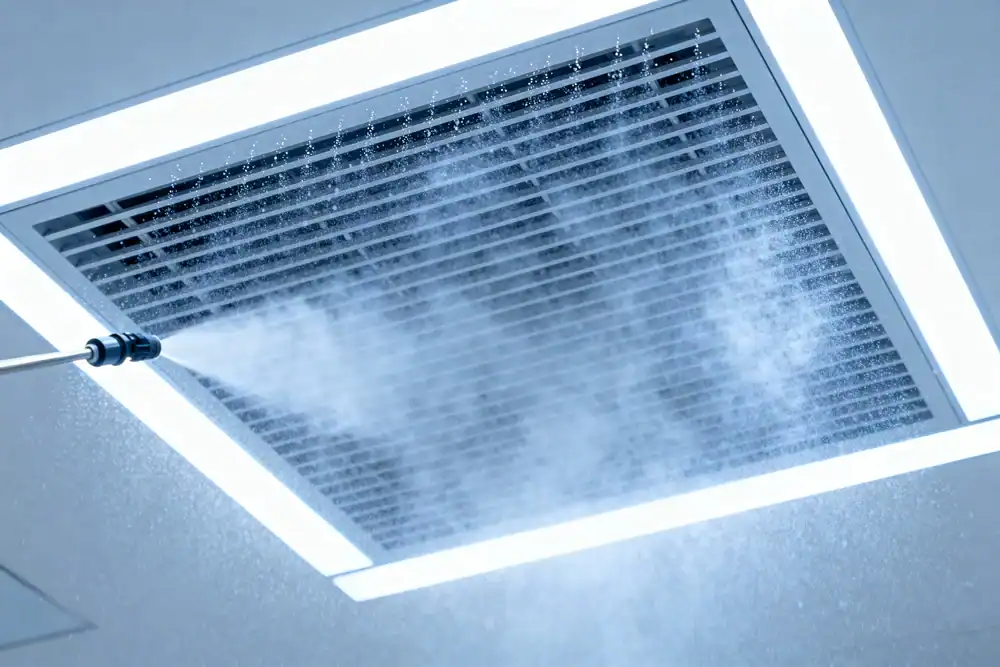
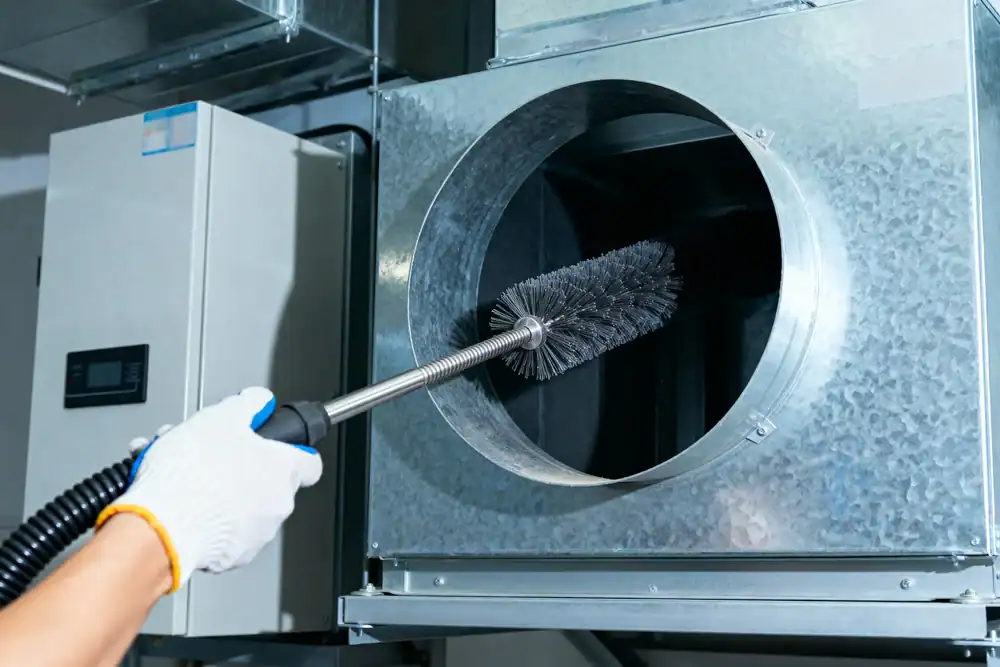
Your heating and cooling system accounts for over 30% of your building’s energy costs. When ducts are packed with dust, mold spores, and debris, your HVAC equipment has to work harder to push air through. That means higher utility bills every month and equipment that wears out faster than it should.
Clean ductwork lets air move freely. Your system runs at the efficiency it was designed for, which translates to lower energy consumption and fewer service calls. You’ll also notice the difference in air quality—less dust settling on desks, fewer employee complaints about stuffiness or allergies, and a building that just feels cleaner.
North Carolina’s humid climate makes this even more critical. Heat and moisture create the perfect environment for mold and mildew to grow inside ductwork. If your HVAC system can’t remove enough humidity because airflow is restricted, you’re creating conditions that affect both equipment performance and the health of everyone in your building.
We’ve been improving indoor air quality for businesses in Pleasant Garden, NC and throughout the Greensboro area for over 30 years. We focus exclusively on commercial duct cleaning—we don’t do residential dryer vents. That specialization matters because commercial systems are more complex, and getting them clean requires different equipment, training, and expertise.
Our team follows NADCA standards, which is the worldwide benchmark for best practices in commercial duct cleaning. We understand how to read mechanical drawings, locate sensitive airflow monitoring equipment, and protect dampers during the cleaning process. You’re not getting a crew that learned on residential jobs—you’re getting technicians who know commercial HVAC systems inside and out.
Pleasant Garden businesses deal with the same challenges as properties across the Triad: high humidity, seasonal temperature swings, and the constant demand on HVAC systems that run year-round. We’ve seen what happens when ductwork goes years without proper cleaning, and we know how to fix it.
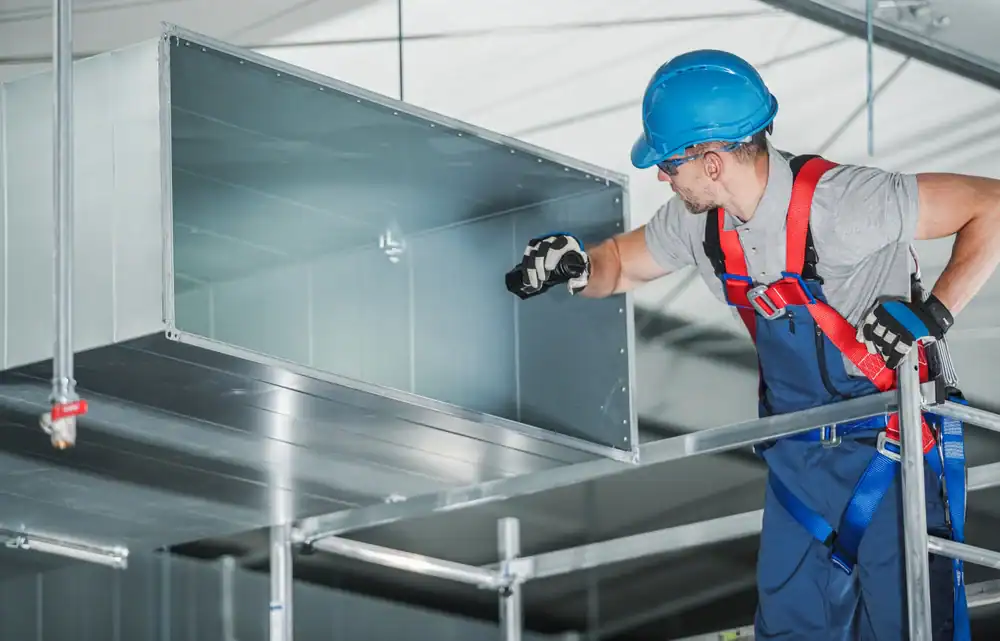
We start with an inspection of your HVAC system and ductwork to identify problem areas—places where dust has accumulated, where mold might be growing, or where airflow is restricted. This isn’t a quick visual check. We’re looking at the entire system to understand what needs attention and where contaminants are building up.
Once we’ve mapped out the work, we protect your space. Workstations, flooring, and countertops get covered. We’re not just cleaning ducts—we’re making sure your business stays operational and your property stays protected throughout the process.
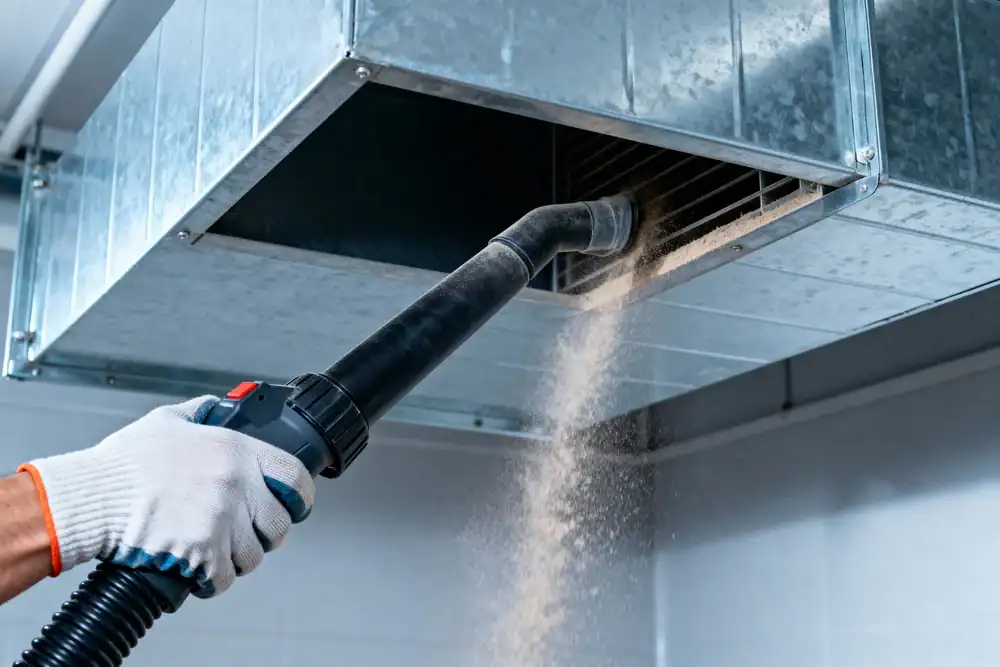
The actual cleaning uses specialized equipment designed for commercial systems. We remove dust, dirt, mold, spores, and other particulates that have built up over time. This isn’t a surface-level job. We’re pulling contaminants out of the system so air can move the way it’s supposed to.
We schedule work during off-hours or weekends whenever possible. You shouldn’t have to shut down operations or deal with disruption just to get your ductwork cleaned. When we’re done, we clean up thoroughly—your space should be cleaner than when we arrived, not covered in dust from the work we just did.
Ready to get started?
You’re getting a complete system cleaning—supply ducts, return ducts, registers, grilles, diffusers, and the HVAC unit itself. We don’t skip components because they’re harder to reach. If it’s part of your air distribution system, it gets cleaned.
We also address mold and microbial growth if it’s present. North Carolina’s humidity creates conditions where mold can thrive inside ductwork, especially in systems that haven’t been maintained regularly. Our cleaning process removes existing growth and the contaminants that allow it to come back.
Pleasant Garden’s climate means your HVAC system is working hard most of the year. Summers are hot and humid, winters require consistent heating, and spring and fall bring temperature swings that keep systems cycling constantly. That puts stress on equipment, and dirty ductwork makes it worse. Regular cleaning—typically every five to seven years for commercial properties—keeps your system running efficiently and extends the life of expensive HVAC equipment.
You’ll also see benefits beyond energy savings. Dust particles that circulate through your building settle on computers, printers, and other equipment, shortening their lifespan. Cleaner air means less maintenance on everything in your building, not just your HVAC system.
Most commercial properties benefit from duct cleaning every five to seven years, but that timeline shifts depending on your building type and usage. Medical facilities, restaurants, and manufacturing spaces often need more frequent cleaning because they generate more airborne contaminants. Office buildings with standard use can usually go longer between cleanings.
North Carolina’s humid climate is a factor. Moisture accelerates dust buildup and creates conditions for mold growth inside ductwork. If your building has had water intrusion, flooding, or persistent humidity issues, you’ll want to inspect and potentially clean ducts sooner than the standard timeline.
You’ll know it’s time when energy bills start creeping up without explanation, when employees complain about air quality or allergies, or when you notice dust accumulating faster than usual on surfaces. Those are signs that your HVAC system is circulating contaminants instead of clean air.
Yes, but the savings depend on how dirty your system is and how hard your HVAC equipment has been working to compensate. When ducts are clogged with dust and debris, your system has to run longer and work harder to maintain temperature. That directly increases energy consumption.
Clean ductwork restores airflow to what the system was designed for. Your HVAC equipment can heat or cool your building more efficiently, which means shorter run times and lower utility bills. The exact savings vary by building size, system age, and how contaminated the ductwork was before cleaning, but most commercial properties see noticeable reductions in energy costs after a thorough cleaning.
You’re also reducing wear on your equipment. Systems that don’t have to strain against restricted airflow last longer and need fewer repairs. That’s a cost savings that compounds over time—you’re not just paying less each month, you’re avoiding expensive emergency repairs and premature equipment replacement.
Commercial systems are larger, more complex, and require different expertise. Residential duct cleaning is straightforward—smaller systems, simpler layouts, and less equipment to navigate. Commercial properties have multi-zone systems, mechanical drawings that need to be read and understood, and sensitive equipment like airflow monitors and dampers that can’t be disturbed during cleaning.
The stakes are higher too. A mistake in a commercial building affects employees, customers, and business operations. You need a crew that knows how to protect your space, work around your schedule, and clean the system without causing disruption or damage.
That’s why we focus exclusively on commercial duct cleaning. We don’t do residential dryer vents. Our team is trained on commercial HVAC systems, we follow NADCA standards for commercial projects, and we have the equipment to handle large-scale ductwork that residential crews aren’t set up for. You’re getting specialists, not generalists.
It depends on your building size and how extensive your ductwork is, but most commercial duct cleaning projects take anywhere from several hours to a full day. Larger buildings with multiple HVAC zones will take longer. Smaller office spaces or retail properties can often be completed in a single visit.
We schedule work during off-hours or weekends whenever possible so you’re not disrupting business operations. If your building operates 24/7, we’ll coordinate with you to minimize impact on employees and customers. The goal is to get your ductwork clean without forcing you to shut down or lose productive hours.
You’ll know the timeline upfront. After the initial inspection, we’ll give you a clear estimate of how long the work will take and what the process will look like. No surprises, no dragging out the job longer than necessary.
Poor indoor air quality absolutely affects health, and contaminated ductwork is often the source. When your HVAC system circulates air through ducts filled with dust, mold spores, allergens, and other particulates, everyone in the building is breathing that in. You’ll see more complaints about headaches, fatigue, allergies, and respiratory issues.
North Carolina’s humidity makes mold growth inside ductwork a real concern. If your system can’t remove enough moisture from the air because airflow is restricted, mold and mildew thrive. That gets circulated throughout your building every time the HVAC system runs.
Cleaning your ductwork removes those contaminants. You’re not just improving comfort—you’re creating a healthier environment that reduces sick days, improves productivity, and shows employees and customers that you care about the space they’re in. It’s not a minor issue. Indoor air quality has a direct impact on health and performance.
Look for NADCA certification first. That’s the industry standard for duct cleaning, and it tells you the company follows best practices and has trained technicians. If they’re not certified or don’t mention NADCA standards, that’s a red flag.
Experience with commercial properties matters too. Residential duct cleaning is a different job with different equipment and different challenges. You want a company that specializes in commercial work and understands the complexity of larger HVAC systems. Ask how long they’ve been serving commercial clients and what types of properties they’ve worked on.
Finally, look for transparency. A good company will inspect your system before quoting the job, explain what they’re going to do, and give you a clear timeline. They’ll protect your property during the work and clean up thoroughly when they’re done. You shouldn’t have to guess what’s happening or deal with a mess after they leave.