

Contact Info
- Greensboro, NC 27406
- Call: 336-707-0498
- Text: 336-707-0498
-
Mon - Fri: 8am - 4pm
Sat - Sun: Closed
Contact Info
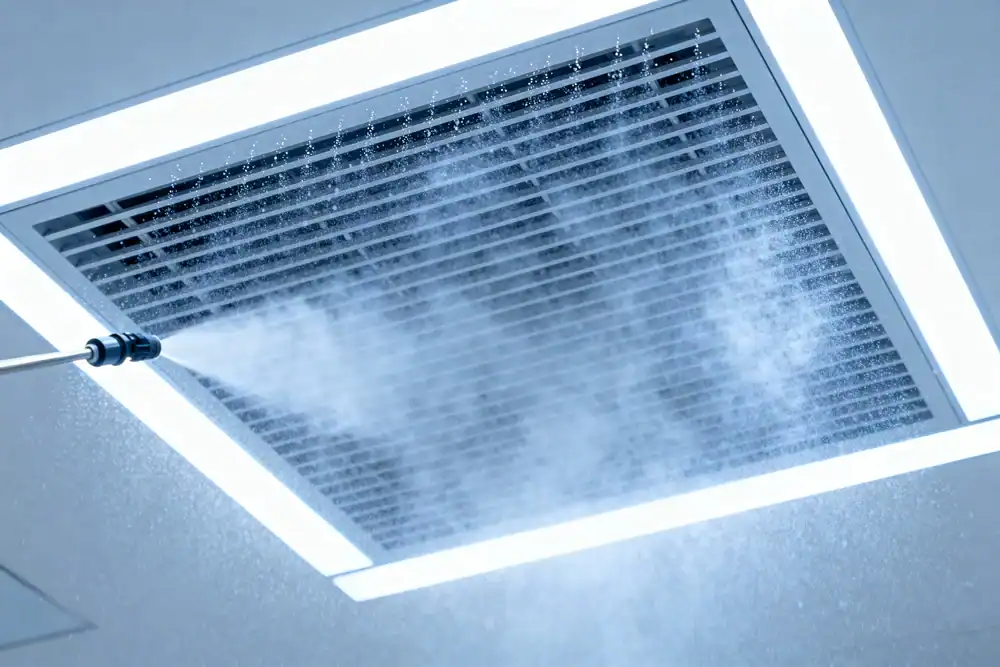
You’re not just getting cleaner vents. You’re getting a workspace where people feel better and work better.
Research from Lawrence Berkeley National Laboratory shows that improving indoor air quality can boost workplace performance by 10%. Harvard studies found employees in well-ventilated offices demonstrate double the cognitive functioning compared to those in buildings with poor air circulation. That’s not a small difference.
When your ductwork is clean, your HVAC system stops working overtime. The U.S. Department of Energy reports that up to 40% of heating and cooling energy gets wasted when air ducts are clogged with dirt and debris. Clean ducts mean your system runs efficiently, your energy bills drop, and your equipment lasts longer because it’s not straining against buildup.
Your employees stop dealing with headaches, congestion, and that constant fatigue that comes from breathing recycled contaminants all day. Sick days go down. Complaints about stuffiness disappear. The air just works the way it should.
We’ve been serving Rudd, NC and the surrounding areas with crawl space and HVAC duct cleaning that actually protects the people inside your building. We’re not the biggest operation, and we’re not trying to be.
What we are is thorough. We follow NADCA guidelines because they work, and we schedule around your business hours so your operations don’t stop while we’re cleaning your air systems. Night, weekend, or during shutdowns—we work when it makes sense for you.
Rudd’s mix of commercial spaces—from small offices to larger facilities—means every job is different. We’ve seen what happens when ductwork goes years without proper cleaning, and we know what it takes to get systems back to running clean and efficient.
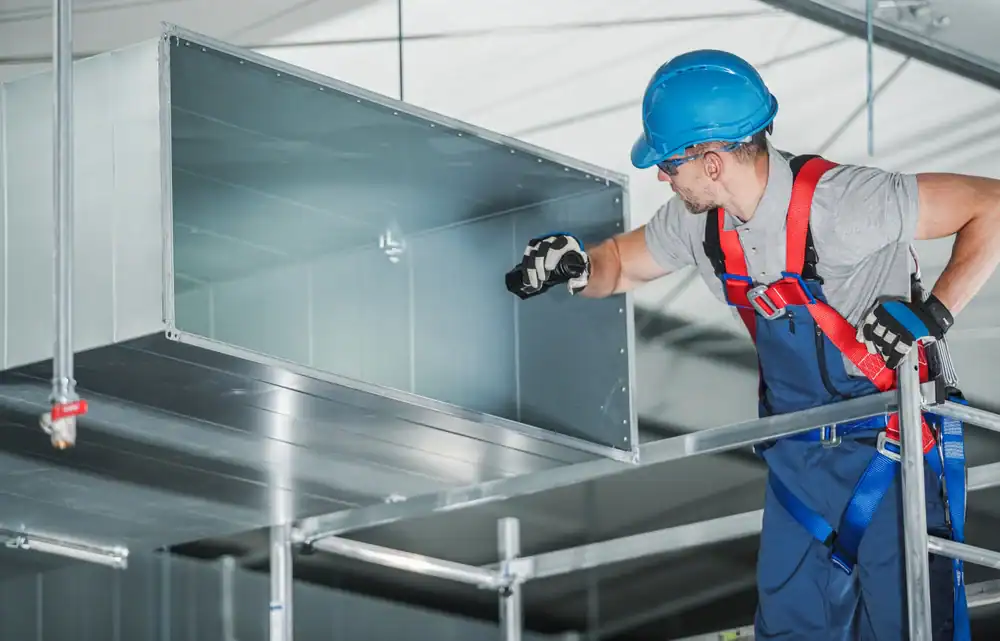
We start with an inspection of your entire HVAC system. That means looking at your ductwork, checking your heating and cooling coils, and identifying where contaminants have built up. You get a clear picture of what’s happening inside your system before we touch anything.
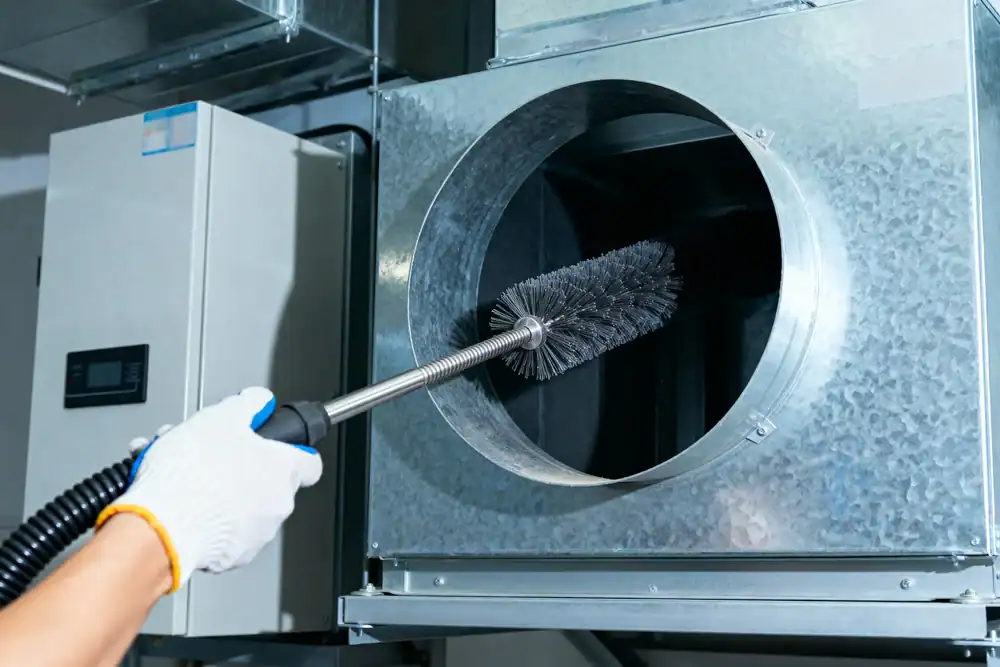
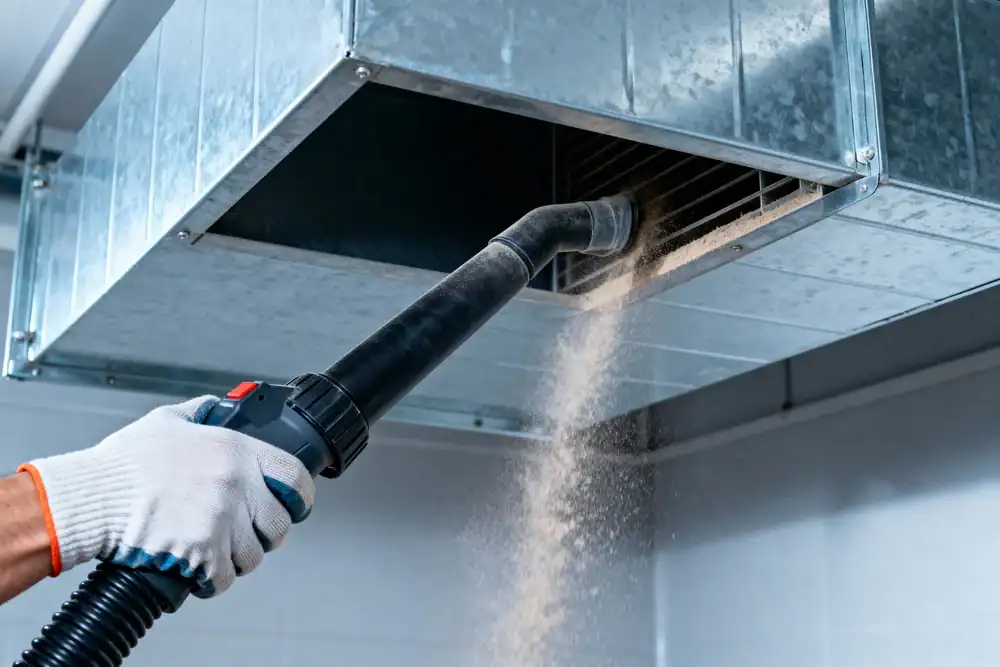
Then we use specialized equipment to remove debris, dust, mold, and anything else that’s been circulating through your building. We’re not just blowing air through the ducts—we’re physically cleaning every accessible section of your system, including supply and return ducts, registers, grilles, and diffusers.
After the cleaning, we can sanitize your ductwork to address any microbial growth. This step matters in Rudd’s humid climate where moisture can drive mold and mildew issues, especially during winter months when temperature differences create condensation inside duct systems.
You’ll see the difference in air quality immediately, but the real benefits show up over time: lower energy bills, fewer maintenance calls, and a workspace where people aren’t constantly dealing with respiratory irritation or allergy symptoms.
Ready to get started?
You get a complete cleaning of your air distribution system. That covers supply and return air ducts, registers and grilles, heating and cooling coils, drip pans, fan motor and housing, and the air handling unit.
For commercial buildings in Rudd, this matters more than you might think. North Carolina’s humidity creates ideal conditions for mold growth inside ductwork, particularly in systems that haven’t been maintained. When moisture combines with the dust and organic material that naturally accumulates in ducts, you’re creating a breeding ground for contaminants that get pushed into your workspace every time the system runs.
We also address what happens after years of neglect. If your filters have been straining against buildup, your furnace or AC unit has been working harder than it should. That strain shortens equipment life and drives up operating costs. A thorough duct cleaning removes that resistance and lets your system operate within factory specifications again.
The estimated payback period for improving indoor air quality through proper ventilation and duct maintenance is about two years. After that, you’re looking at ongoing savings—up to 20% on energy costs according to industry data—plus the productivity gains that come from employees who aren’t fighting through brain fog caused by poor air circulation.
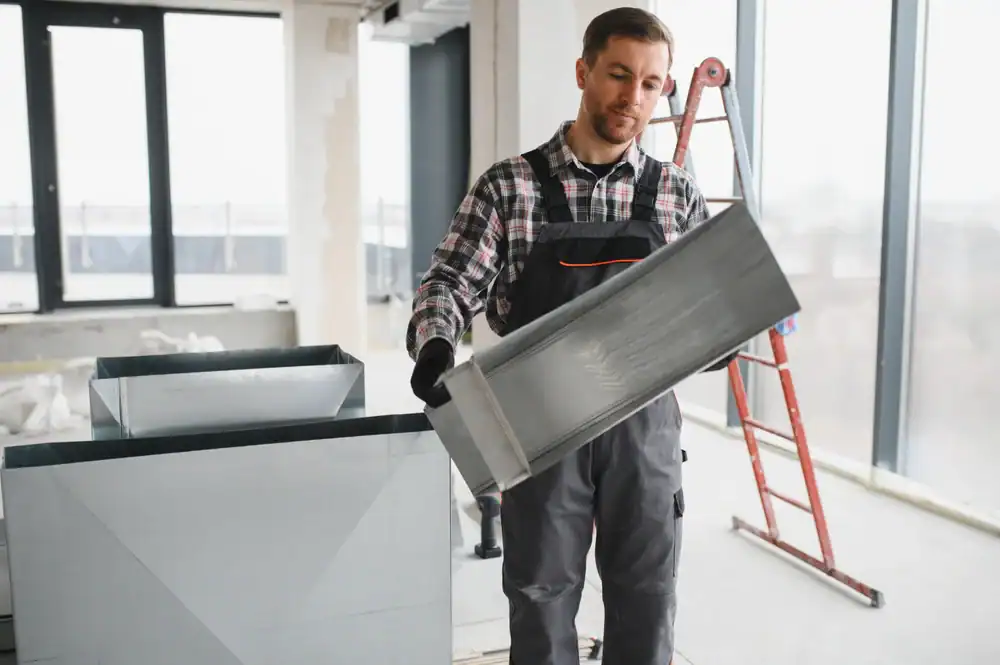
Most commercial buildings benefit from professional duct cleaning every three to five years, but that timeline shifts based on your specific situation.
If you’re running a restaurant, manufacturing facility, or any space that generates more airborne particles, you’re looking at more frequent cleanings—potentially every two to three years. Buildings with high occupancy, where you’ve got dozens of people breathing and moving through the space daily, also need more attention because the system is working harder and accumulating contaminants faster.
You’ll know it’s time when energy bills creep up without explanation, when employees start complaining about stuffiness or allergies, or when you notice dust building up quickly after cleaning. Visible mold growth around vents, musty odors when the system kicks on, or an increase in respiratory complaints are all signs your ductwork needs immediate attention. Don’t wait for the three-year mark if you’re seeing these indicators.
Yes, but the savings depend on how dirty your system actually is.
The U.S. Department of Energy found that up to 40% of HVAC energy gets wasted when ducts are clogged with contaminants. When your heating and cooling coils are covered in dust and debris, your system has to run longer to reach the same temperature. That’s wasted runtime you’re paying for every month.
After a thorough cleaning, most commercial buildings see energy cost reductions between 10% and 20%. The exact number depends on how long it’s been since your last cleaning and how much buildup was restricting airflow. Buildings that have never had their ducts cleaned—or haven’t in over a decade—typically see the biggest immediate savings because the system can finally breathe again.
The other cost factor is equipment life. When your HVAC system isn’t straining against clogged ductwork, it lasts longer and needs fewer repairs. That’s harder to quantify month-to-month, but it adds up significantly over the lifespan of your equipment.
For most commercial spaces in Rudd, you’re looking at four to eight hours, depending on the size of your building and the complexity of your HVAC system.
A small office with a straightforward duct layout might be done in half a day. Larger facilities with multiple zones, extensive ductwork, or systems that haven’t been cleaned in years will take longer—sometimes requiring a full day or being split across multiple sessions.
We schedule commercial cleanings outside your business hours whenever possible. That usually means evenings, weekends, or during planned shutdowns so your operations aren’t disrupted. If your building operates 24/7, we’ll work with you to clean section by section, coordinating with your facility schedule to minimize any impact on your daily operations.
The actual timeline also depends on what we find during the initial inspection. If there’s significant mold growth or unusual buildup, we’ll let you know upfront so there are no surprises about how long the job will take.
Absolutely, and the research on this is pretty clear.
Harvard’s study on indoor air quality found that employees working in well-ventilated offices with clean air showed double the cognitive functioning compared to those in poorly ventilated spaces. Lawrence Berkeley National Laboratory concluded that improvements to indoor air quality can boost workplace performance by 10%. These aren’t marginal differences—they’re substantial enough to impact your bottom line.
The mechanism is straightforward: when people are breathing contaminated air full of dust, allergens, and other particles, their bodies are constantly dealing with low-level irritation. That manifests as headaches, fatigue, congestion, and difficulty concentrating. Even if employees aren’t calling in sick, they’re working below their capacity.
The productivity benefits of improving air quality through better ventilation and clean ductwork are estimated at around $6,500 per person per year, while it costs less than $40 per employee annually to double ventilation rates. The return on investment is significant—benefits exceed costs by a factor of nearly 60 according to research data. When your team can think clearly and isn’t fighting through constant discomfort, they simply get more done.
Changing filters catches new contaminants before they enter your system. Duct cleaning removes what’s already built up inside over months or years.
Your filters are doing important work—they’re stopping dust, pollen, and other particles from getting into your ductwork in the first place. But filters don’t catch everything, especially in commercial settings where air volume is high and systems run constantly. Over time, contaminants accumulate on duct walls, in corners and bends, on cooling coils, and throughout the air handling system.
That buildup doesn’t just sit there quietly. Every time your HVAC system runs, it’s disturbing those contaminants and pushing them into your workspace. Filters can’t address what’s already past them, coating the inside of your ductwork and reducing system efficiency.
Regular filter changes are essential maintenance—they extend the time between needed duct cleanings and keep your system running better. But they’re not a replacement for periodically cleaning the entire air distribution system. Think of it like this: you wouldn’t skip mopping your floors just because you have a doormat. Both serve different purposes in keeping your building clean.
Not if it’s scheduled properly, which is why we work around your hours.
Most commercial duct cleaning happens at night, on weekends, or during facility shutdowns specifically to avoid disrupting your business. You tell us when your building is empty or operating at reduced capacity, and that’s when we show up.
During the actual cleaning, there’s noise from our equipment—vacuums and brushing systems aren’t silent. But because we’re working when your building isn’t in full operation, that’s rarely an issue. We also seal off sections we’re working on to prevent dust or debris from spreading into occupied areas.
If your facility runs 24/7, we coordinate with you to clean zone by zone, working around shifts and critical operations. It takes more planning, but it’s completely manageable. The key is communication upfront about your schedule and any areas that need special timing considerations. We’ve cleaned everything from medical offices to manufacturing plants, and there’s always a way to get the work done without shutting down your business.