
Contact Info
- Greensboro, NC 27406
- Call: 336-707-0498
- Text: 336-707-0498
-
Mon - Fri: 8am - 4pm
Sat - Sun: Closed
Contact Info
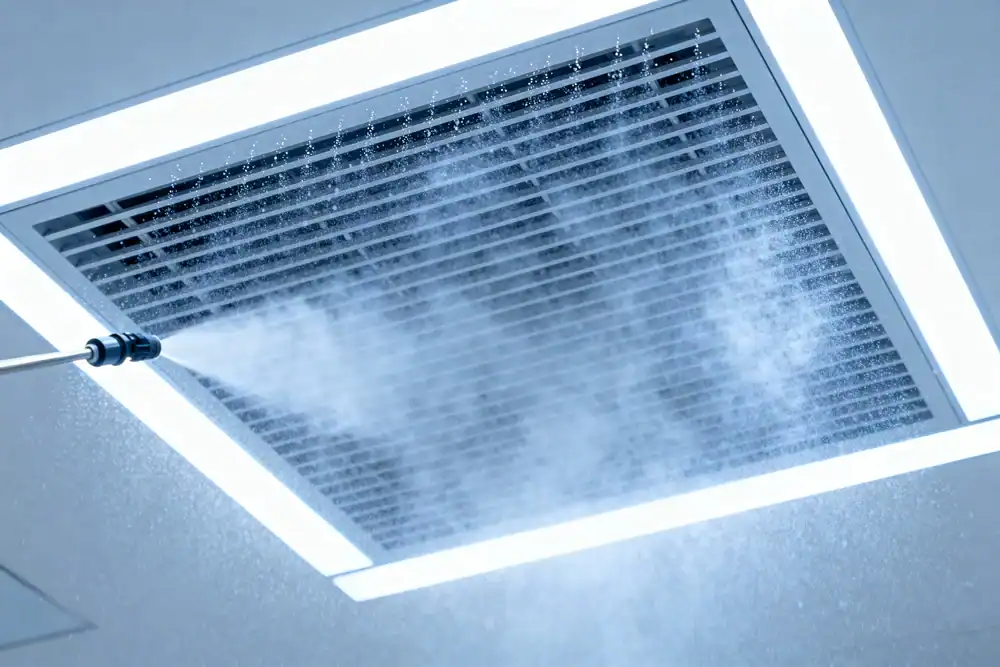
Your HVAC system works harder when ductwork is clogged with debris. The EPA found that just 0.42 inches of buildup on a coil cuts efficiency by 21%. That’s real money leaving your building every month.
Clean ductwork means your system moves air the way it was designed to. Fans don’t strain. Coils don’t overwork. Equipment lasts longer, and you’re not bleeding energy to compensate for blockages that shouldn’t be there.
You’ll also notice fewer complaints about stuffiness, dust, or that stale air smell that makes people wonder what’s wrong with the building. When your HVAC system can actually breathe, so can everyone inside.
We’ve been serving commercial properties in Swepsonville and throughout the Greensboro area with one focus: indoor air quality that actually works. We’re NADCA-certified, which means we follow the standards that matter, not shortcuts that look good on paper.
Swepsonville’s humid climate creates perfect conditions for mold and allergen buildup in commercial HVAC systems. We’ve seen what happens when ductwork goes years without proper cleaning—and we know exactly how to fix it.
You’re not getting a crew that rushes through and calls it done. You’re getting technicians who understand that your building’s air quality affects real people doing real work every day.
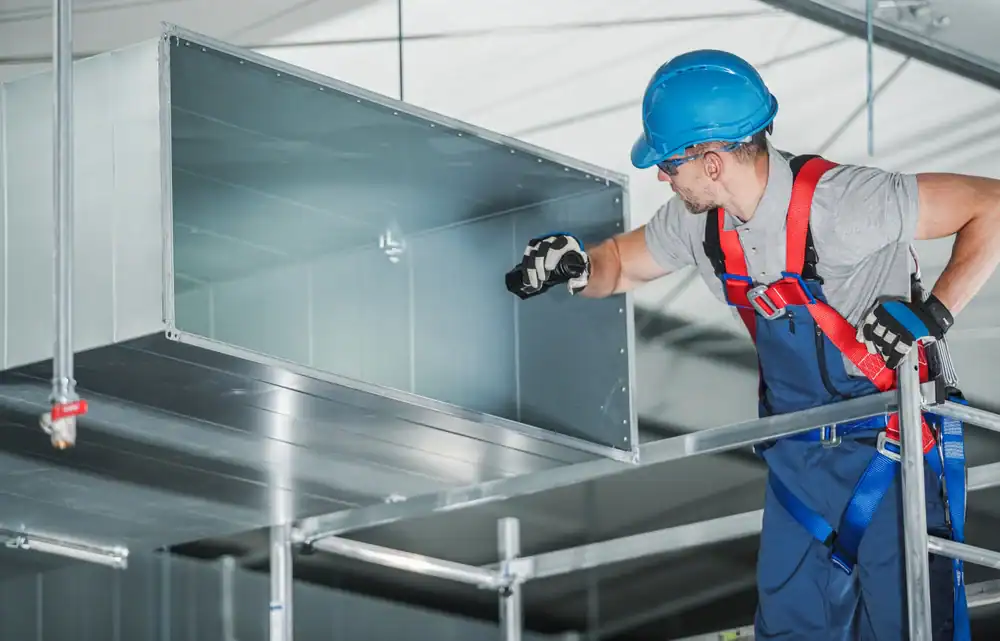
We start with a full system inspection using camera equipment to see what’s actually inside your ductwork. You’ll know what we’re dealing with before we touch anything.
Then we protect your workspace. Floors, counters, workstations—everything gets covered so we’re not creating a mess while fixing one. We schedule around your operations, usually after hours or weekends, so your business keeps running.
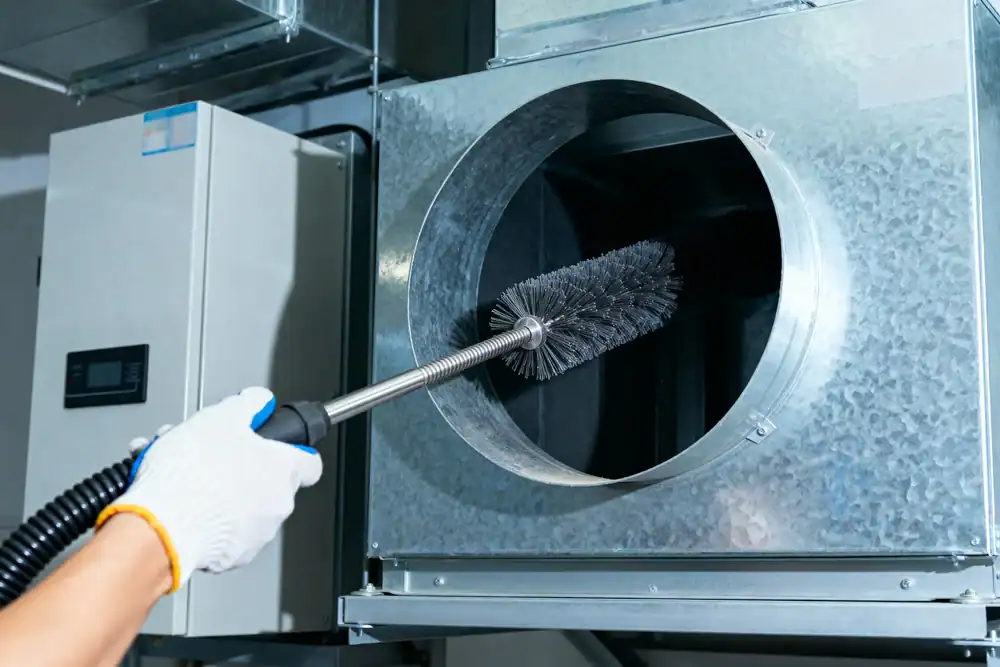
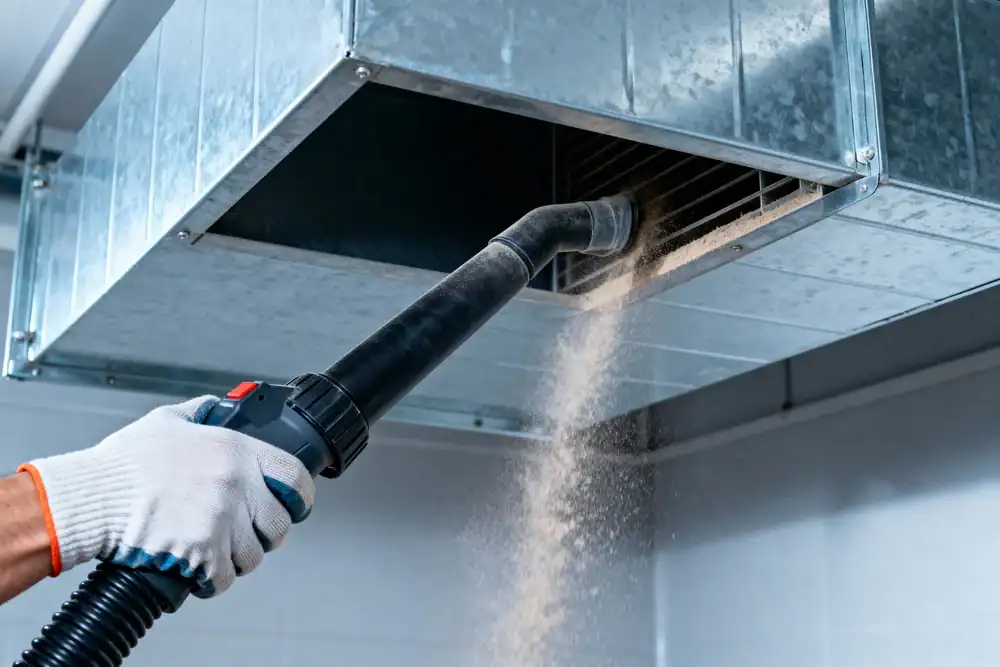
The cleaning itself uses HEPA-filtered vacuums that pull debris from every part of the system: supply ducts, return ducts, vents, coils, and the air handler. We’re not just hitting the easy spots. We clean the entire airflow path so your system works as a complete unit.
When we’re done, floors get vacuumed and all protection materials come out. You get documentation of what was cleaned, what we found, and what your system looks like now—useful for maintenance records and compliance reporting.
Ready to get started?
Every commercial air duct cleaning includes the full HVAC airflow system: supply and return ductwork, diffusers, grilles, registers, coils, drain pans, air handlers, and blower assemblies. If air moves through it, we clean it.
You also get before-and-after documentation with photos showing what was removed from your system. This isn’t just for your records—it’s proof of work done right, and it’s helpful when you need to show compliance with North Carolina workplace air quality standards.
Swepsonville’s location in the Piedmont Triad means your building deals with seasonal pollen loads and humidity that most HVAC systems weren’t designed to handle long-term. That’s why we pay extra attention to coil cleaning and drain pan maintenance—two areas where moisture and organic material love to settle in this climate.
We also check for combustible dust in manufacturing facilities, a fire risk that most cleaning crews overlook. If your operation creates dust, we make sure it’s not accumulating where it can ignite.
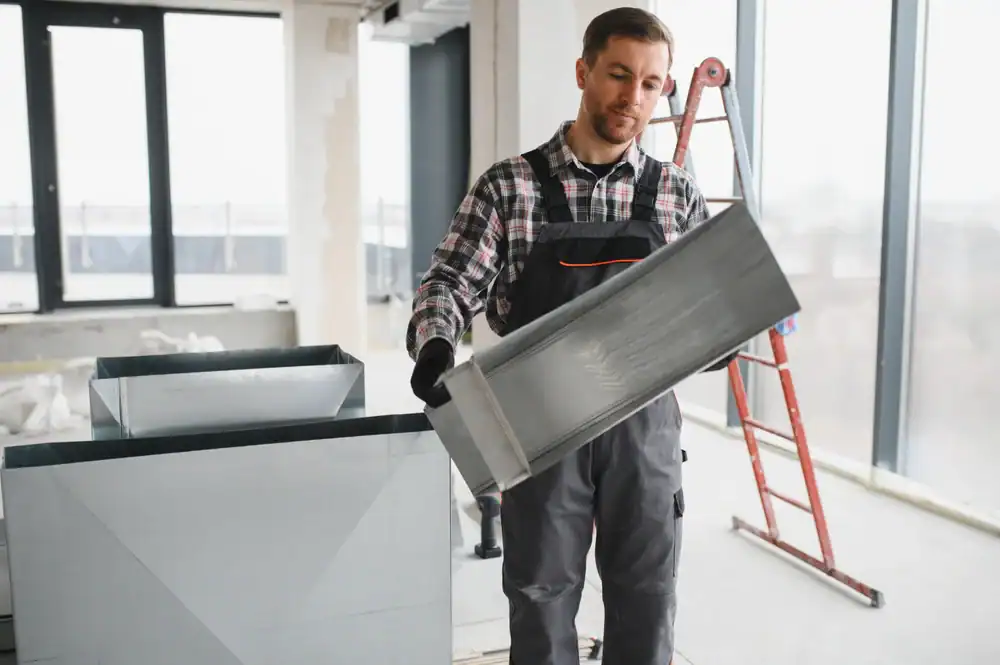
Most commercial buildings benefit from duct cleaning every three to five years, but it depends on what happens inside your facility. Manufacturing plants with dust or debris need it more often. Office buildings with standard use can go longer.
If you’re seeing dust around vents, noticing musty smells, or getting complaints about air quality, don’t wait for a schedule. Those are signs that buildup is already affecting your system.
NADCA recommends inspection at least every two years so you know what’s happening inside your ductwork before it becomes a problem. Swepsonville’s humidity accelerates mold and allergen growth, so buildings here tend to need attention sooner than drier climates.
Yes, but the savings depend on how dirty your system is right now. Research shows that buildings with clean ductwork see energy reductions between 41% and 60% in fan and blower consumption compared to systems with heavy buildup.
Dirty coils and clogged ducts force your HVAC system to work harder to move the same amount of air. That extra effort costs money every month, and it adds up faster than most facility managers realize.
You’ll also reduce the frequency of HVAC service calls. Data shows a 21% drop in service needs for systems that get regular duct cleaning. Fewer breakdowns, lower energy costs, and equipment that lasts longer—it’s not a maybe, it’s what happens when airflow isn’t restricted.
We schedule commercial duct cleaning outside your normal operations—nights, weekends, or during planned shutdowns. The goal is to get the work done without disrupting your business or your employees.
Before we start, we protect floors, workstations, and any areas near our work zones with plastic and tape. You won’t come back to a mess.
Most commercial jobs take one to three days depending on building size and system complexity. We’ll give you a timeline upfront so you know exactly when we’ll be there and when we’ll be finished. No surprises, no extensions unless we find something that actually needs addressing.
Commercial systems are larger, more complex, and they run longer hours than residential HVAC. That means more airflow, more debris, and more potential for problems that affect multiple people at once.
Commercial duct cleaning requires different equipment—stronger vacuums, longer hoses, and tools designed for multi-zone systems with vertical and horizontal runs that residential crews don’t typically handle. We also deal with code compliance and documentation requirements that don’t exist in residential work.
The stakes are higher too. Poor air quality in a commercial building doesn’t just affect one family. It impacts employee health, productivity, liability, and your ability to meet North Carolina workplace safety standards. That’s why commercial cleaning isn’t something you hand to a residential crew with a truck-mounted vacuum.
Visible dust around vents is the most obvious sign. If you’re wiping down registers regularly and they’re dirty again within days, that’s debris circulating through your system.
Musty or stale odors when the HVAC runs usually mean mold or organic buildup inside the ductwork. Increased employee complaints about allergies, headaches, or respiratory irritation can also point to poor indoor air quality caused by dirty ducts.
Rising energy bills without a clear cause are another indicator. When your system has to work harder to move air through clogged ductwork, you’ll see it in your utility costs before you see it anywhere else. A camera inspection shows exactly what’s inside your ducts so you’re not guessing.
Yes. We’re NADCA-certified, which means we follow the Air System Cleaning Standard (ACR) recognized across the industry. NADCA certification isn’t just a badge—it’s proof that our technicians are trained on proper cleaning methods, safety protocols, and equipment use.
A lot of companies claim they clean ducts, but they’re not following any real standard. They might vacuum out a few vents and call it done. NADCA certification means we’re cleaning the entire system the way it’s supposed to be cleaned: source removal using HEPA-filtered vacuums, not just blowing dust around.
You also get documentation that meets compliance requirements for North Carolina commercial properties. If you ever need to show proof of maintenance or air quality work, you’ll have it.