
Contact Info
- Greensboro, NC 27406
- Call: 336-707-0498
- Text: 336-707-0498
-
Mon - Fri: 8am - 4pm
Sat - Sun: Closed
Contact Info
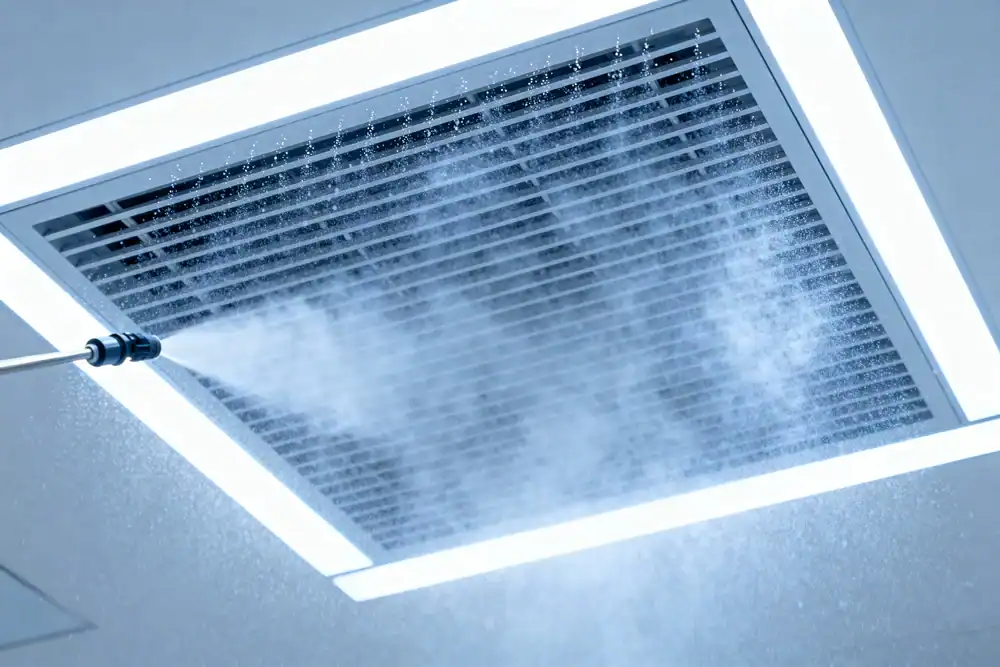
Your HVAC system is working harder than it should. When ductwork fills with dust, debris, and contaminants, your equipment runs longer to reach the same temperature. That means higher utility bills every month and more wear on components that weren’t designed to operate under constant strain.
Clean ducts let air move freely. Your system reaches temperature faster, shuts off sooner, and uses less energy doing it. You’ll see the difference in your monthly costs.
Beyond the money, there’s the air quality issue. Offices, warehouses, and commercial spaces in Walkertown keep windows closed most of the year—especially during summer heat and winter cold. Whatever’s in your ductwork is circulating through your building all day, every day. Employees breathe it. Customers breathe it. If there’s mold, allergens, or accumulated dust sitting in those ducts, that’s what’s coming through your vents.
Professional duct cleaning removes what’s built up over years of operation. You get better airflow, lower operating costs, and air that doesn’t aggravate allergies or create health complaints. It’s maintenance that pays for itself.
We hold NADCA certification—the industry standard for air duct cleaning. Rick Watson carries both ASCS and CVI certifications. Noah Watson holds ASCS certification. These aren’t just letters. They mean our team follows established protocols, uses proper equipment, and understands how commercial HVAC systems actually work.
We’ve been serving Walkertown and the surrounding North Carolina area with a focus on commercial ductwork cleaning, crawl space solutions, and indoor air quality services. Our work has earned recognition from HVAC contractors who’ve seen our results firsthand—clean enough that they don’t recommend replacing existing ductwork after we’ve finished.
Walkertown businesses deal with the same climate challenges as the rest of the Piedmont Triad: humid summers that encourage mold growth, seasonal pollen that infiltrates buildings, and temperature swings that keep HVAC systems running year-round. Your ductwork accumulates everything your system pulls in. We remove it so your equipment can do its job without fighting through layers of buildup.
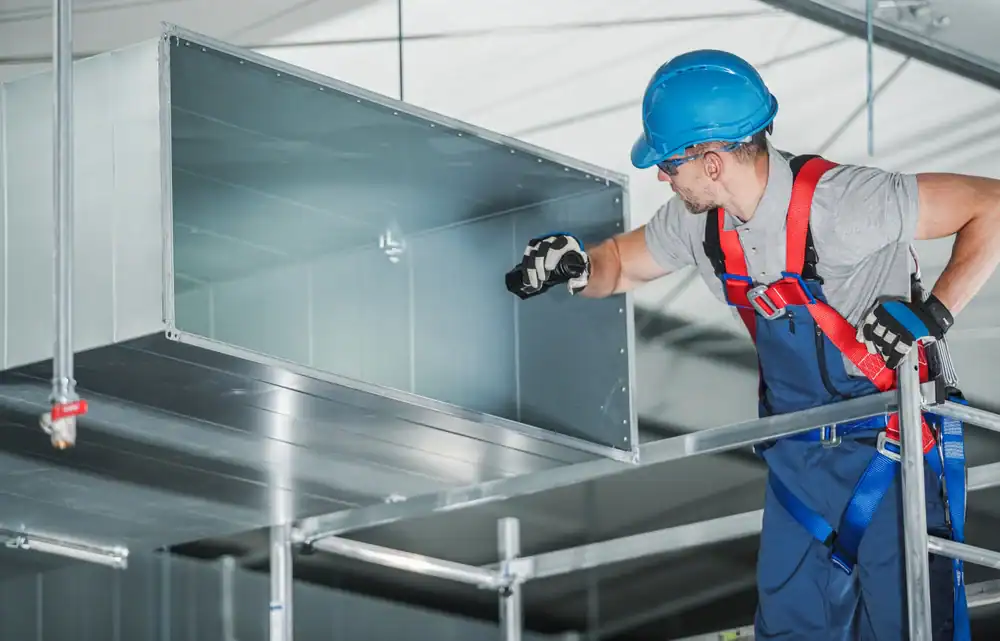
We start with an inspection. Before any cleaning begins, we assess your ductwork to identify problem areas, check for mold or moisture issues, and determine the extent of buildup. You’ll know what we’re dealing with before we start.
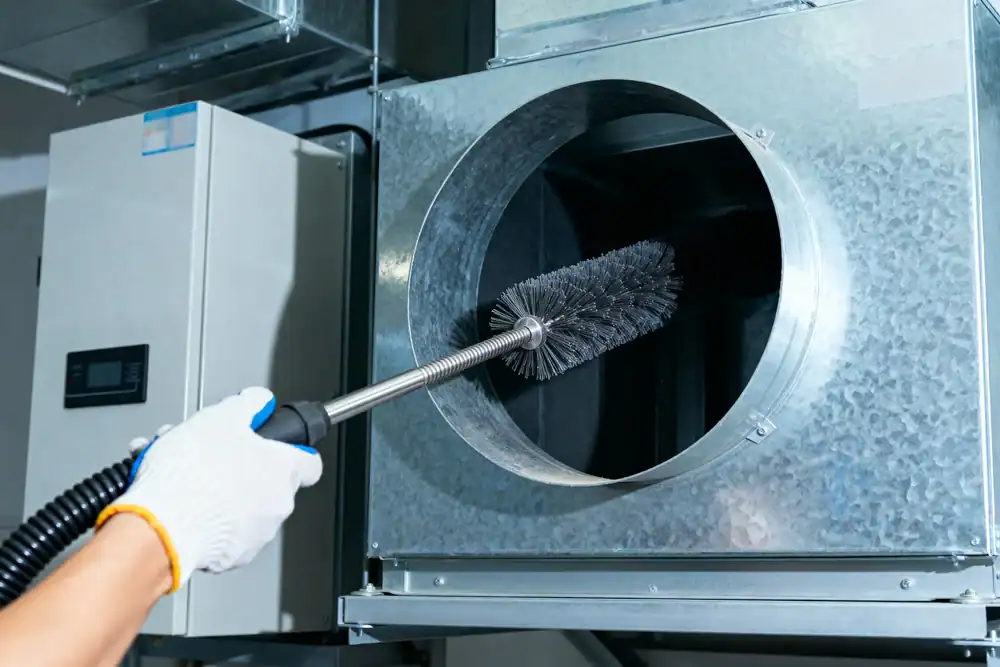
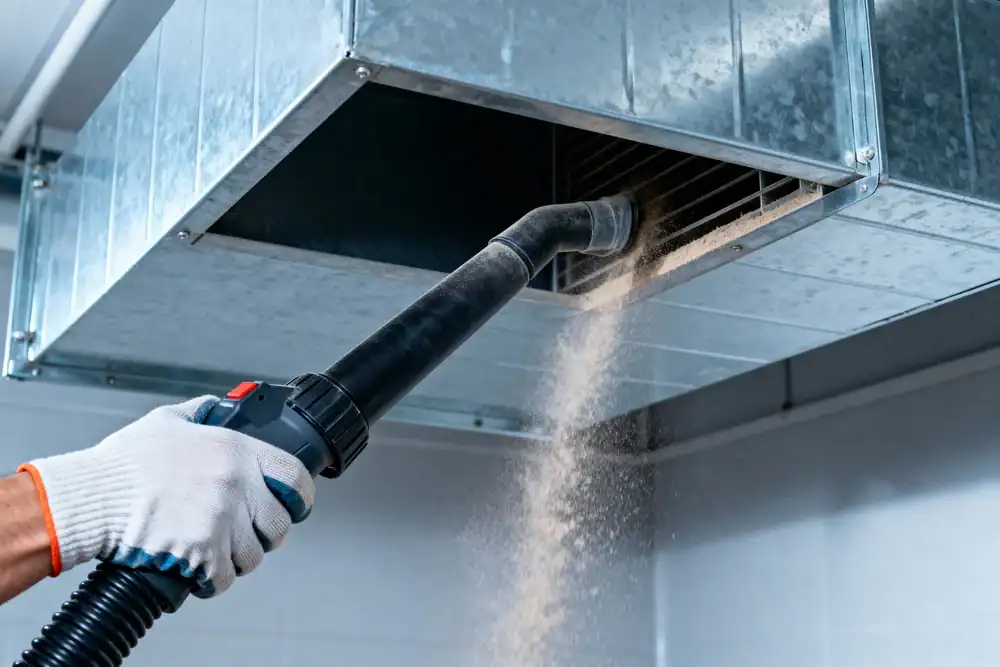
The actual cleaning uses specialized equipment designed for commercial systems. We create negative pressure in your ductwork, then use rotating brushes and compressed air tools to dislodge debris from duct walls. Everything gets pulled into HEPA-filtered collection systems—nothing circulates back into your building.
We clean supply ducts, return ducts, and all accessible components including registers, grilles, and diffusers. For commercial facilities, that often means coordinating around your business hours to minimize disruption. We can work evenings or weekends if that keeps your operations running smoothly.
After cleaning, we can seal ductwork if needed. Leaky ducts waste conditioned air and force your system to work harder. Sealing improves efficiency and ensures the air you’re paying to heat or cool actually reaches its destination. We also offer indoor air quality assessments if you want a complete picture of what’s happening in your building’s air system.
Ready to get started?
You get a complete cleaning of your HVAC ductwork—supply and return sides. We remove accumulated dust, debris, allergens, and contaminants that have built up since your system was installed or last cleaned. For many Walkertown commercial buildings, that means removing years of accumulation.
The service includes cleaning all accessible duct sections, registers, grilles, and diffusers. We inspect for mold, moisture problems, and structural issues that could affect air quality or system performance. If we find mold, we address it properly—not just cleaning surface growth but identifying the moisture source that’s feeding it.
Walkertown’s location in the Piedmont region means your building deals with high humidity, seasonal allergens, and temperature extremes that keep HVAC systems running constantly. Commercial facilities here—whether you’re running a warehouse, office building, retail space, or manufacturing facility—accumulate debris faster than you’d expect. One customer’s 17-year-old ductwork had over an inch of lint and debris throughout the system. That’s not unusual for buildings that have never had professional cleaning.
After cleaning, you receive documentation of the work completed. That matters for facility management records, insurance requirements, and regulatory compliance. You’ll also get recommendations for ongoing maintenance and any additional services that could improve your indoor air quality or system efficiency.
Most commercial buildings benefit from duct cleaning every three to five years. That’s a general guideline—your actual needs depend on your facility type, operating hours, and indoor air quality concerns.
Manufacturing facilities, restaurants, and buildings with high dust generation need more frequent cleaning. Office buildings with standard use can often go longer between cleanings. If you’re seeing dust accumulation around vents, noticing musty odors, or getting complaints about air quality, don’t wait for a schedule. Those are signs your ductwork needs attention now.
Buildings that have never been cleaned need it most. Ductwork doesn’t clean itself, and years of accumulation restrict airflow and harbor contaminants. After the initial cleaning, you can establish a maintenance schedule based on how your specific building performs.
Yes, but the savings depend on how dirty your ducts are and how hard your system is currently working. When ductwork is clogged with debris, your HVAC system runs longer to move the same amount of air. That extended runtime shows up directly on your utility bill.
Clean ducts restore proper airflow. Your system reaches the set temperature faster and cycles off instead of running continuously. The energy savings are real—you’re not paying to push air through restricted passages anymore.
You’ll also see fewer repair costs. Clean equipment operates under less stress, which means fewer breakdowns and longer intervals between component replacements. The combination of lower utility bills and reduced maintenance costs usually covers the cleaning investment within the first year or two, depending on your system size and current efficiency.
Commercial systems are larger, more complex, and require different equipment and expertise. Residential duct cleaning typically handles smaller duct runs and simpler layouts. Commercial buildings have extensive ductwork, multiple zones, larger equipment, and often rooftop units that require different access and cleaning approaches.
The stakes are higher too. A commercial building’s air quality affects employees, customers, and potentially your liability exposure. Poor indoor air quality can lead to health complaints, reduced productivity, and regulatory issues that don’t apply to residential properties.
Commercial duct cleaning also requires coordination around business operations. We work with your schedule to minimize disruption, which might mean evening or weekend work. The documentation requirements are more stringent—you need records for facility management, insurance, and compliance purposes. That’s why NADCA certification matters for commercial work. You need technicians who understand commercial HVAC systems and follow industry standards.
Visible mold around vents or registers is an obvious sign, but mold often grows in areas you can’t see without inspection equipment. Musty odors when your HVAC system runs are a strong indicator. If employees or customers complain about allergies or respiratory irritation that improves when they leave the building, mold could be the culprit.
Moisture is what allows mold to grow. If your building has had water intrusion, roof leaks, or condensation issues, there’s a good chance mold has established itself in your ductwork. Walkertown’s humid climate creates ideal conditions for mold growth, especially in ductwork that stays damp.
During our inspection, we look for visible mold growth and conditions that support it. If we find mold, we identify the moisture source first—cleaning mold without fixing the underlying problem just means it’ll come back. Proper mold remediation in ductwork requires containment, removal, and addressing whatever’s creating the moisture. We handle it correctly so you’re not dealing with the same problem six months later.
Yes. We schedule commercial duct cleaning around your operating hours whenever possible. For many Walkertown businesses, that means working evenings, weekends, or during planned shutdowns when the building isn’t occupied.
The cleaning process does require access to ductwork, vents, and HVAC equipment. We’ll need to coordinate with you on access points and timing. Some noise is unavoidable—the equipment we use to clean ducts isn’t silent—but we work efficiently to minimize the time we’re in any one area.
For larger facilities, we can clean in sections over multiple visits if that works better for your schedule. The goal is getting your ductwork clean without creating problems for your daily operations. We communicate clearly about what we need, when we need it, and how long each phase will take. Most commercial clients find the disruption minimal compared to the benefits of cleaner air and lower operating costs.
We document it and explain your options. Damaged ductwork—whether it’s disconnected sections, holes, or deteriorated insulation—affects your system efficiency and air quality. You’re paying to condition air that’s leaking into spaces where it doesn’t help anyone.
Minor issues like small gaps or loose connections can often be repaired during the cleaning process. We offer duct sealing services that address leaks and improve overall system performance. Sealing ductwork after cleaning makes sense—you’re ensuring the clean air stays in the ducts and reaches its destination.
Major damage might require duct replacement, but that’s less common than you’d think. We’ve cleaned ductwork that HVAC contractors initially thought needed replacement. After professional cleaning, the existing ducts were in good enough condition to keep using. We’ll give you an honest assessment of what needs repair, what needs replacement, and what can wait. You make the decision based on complete information, not pressure to buy services you don’t need.