
Contact Info
- Greensboro, NC 27406
- Call: 336-707-0498
- Text: 336-707-0498
-
Mon - Fri: 8am - 4pm
Sat - Sun: Closed
Contact Info
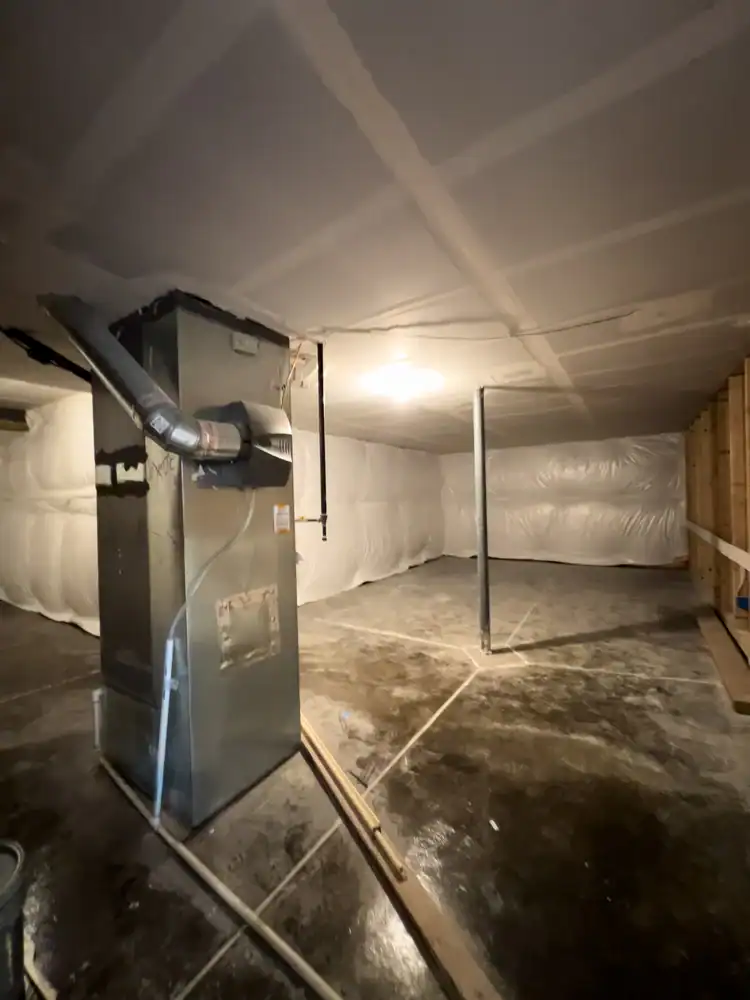
You’re not dealing with surface-level fixes here. When moisture gets into your crawl space, it doesn’t stay there—it rises into your home, bringing mold spores, musty odors, and humidity that makes your HVAC work overtime.
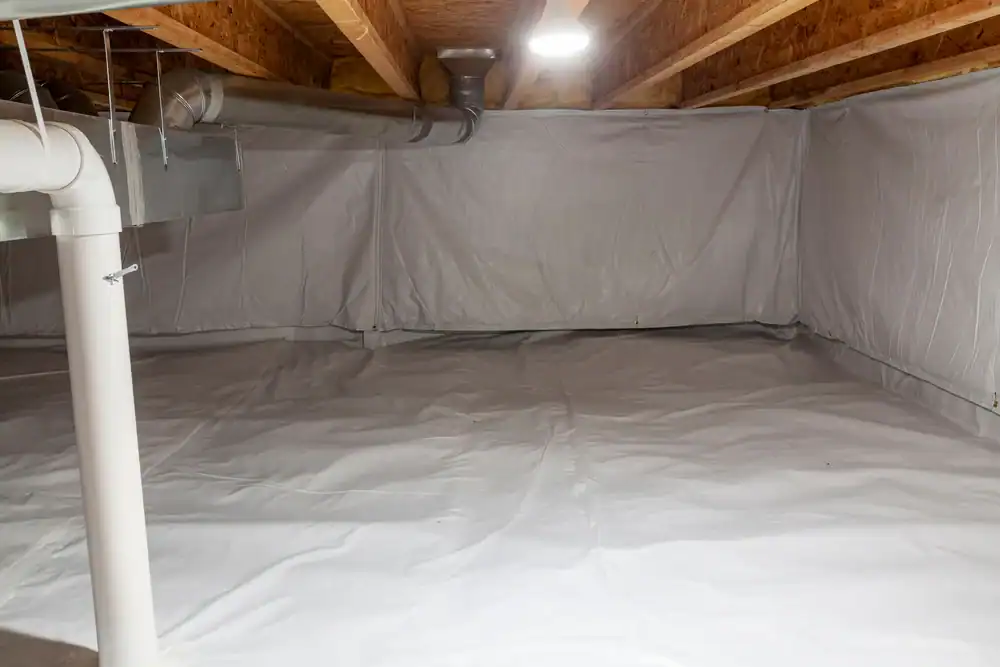
Encapsulation creates a sealed barrier between your home and the ground. That means no more damp air creeping up through your floors. No more wondering if that smell is mold or just “old house.” Your indoor air gets cleaner because up to 50% of what you breathe comes from below your feet.
You’ll also see it on your energy bills. Homes with encapsulated crawl spaces use about 15% less energy for heating and cooling. That’s $200 to $500 back in your pocket every year, and it adds up fast.
The real win? You stop the cycle of damage before it starts. Wood stays dry, mold doesn’t grow, pests lose interest, and your home’s structure stays sound for decades.
We’ve spent over three decades fixing crawl space problems across the Triad. We’re locally owned, NADCA-certified, and we’ve seen every version of moisture damage North Carolina’s climate can throw at a home.
Rick Watson, our owner, holds ASCS and CVI certifications—credentials that matter when you’re trusting someone to work under your house. We’re BBB accredited with an A+ rating, and we don’t upsell you on systems you don’t need.
Clemmons sits in the Piedmont region where clay-heavy soil holds water and pushes it toward your foundation. We know how homes here are built, what fails first, and how to fix it without the $15,000 sticker shock you’ll get from national franchises. You get the same quality work for a fraction of the cost because we keep our margins reasonable.
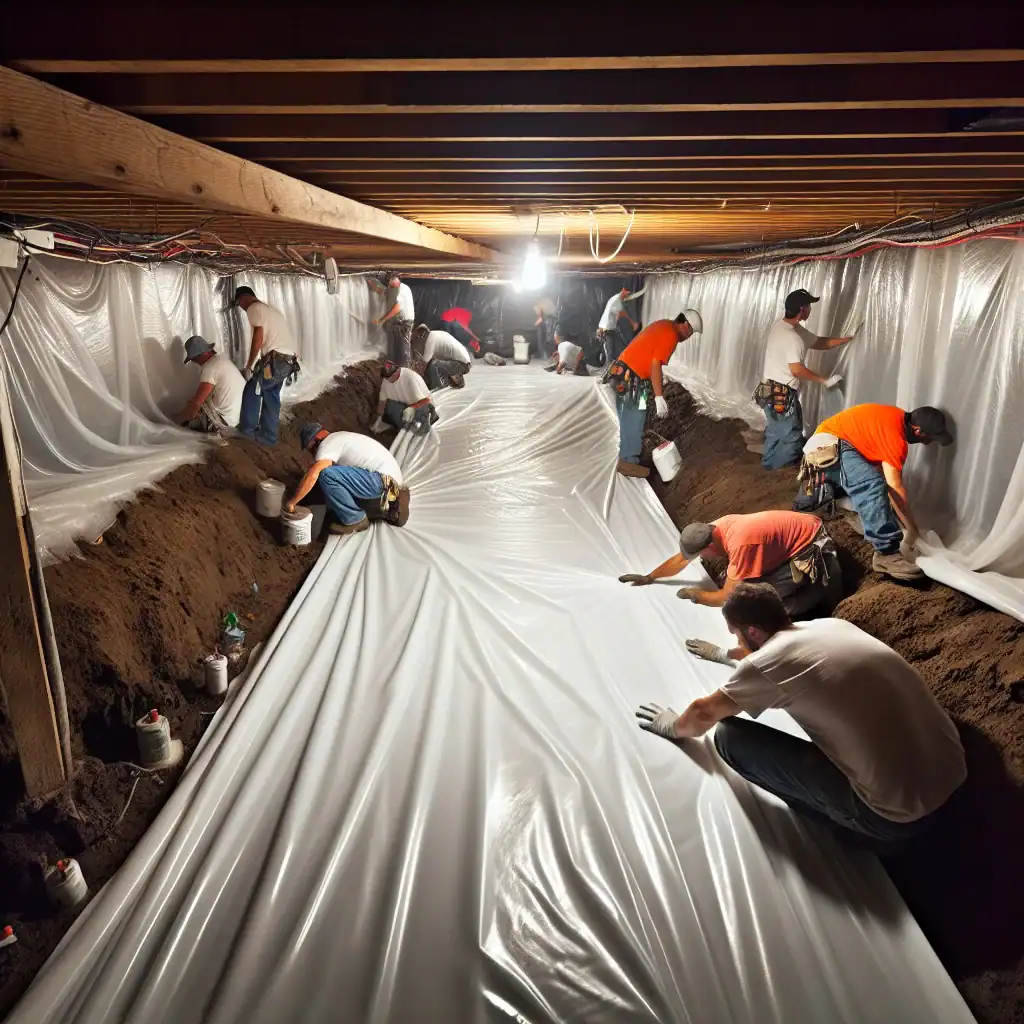
First, we inspect your crawl space to see what we’re dealing with—standing water, mold growth, damaged insulation, pest entry points. You get a clear assessment, not a sales pitch.
Next, we clean out debris, remove old insulation if it’s wet or damaged, and address any drainage issues that are feeding the moisture problem. If water’s pooling, we’ll recommend a sump pump or exterior grading fix—but only if you actually need it.
Then comes vapor barrier installation. We use heavy-duty polyethylene sheeting that covers your crawl space floor and gets sealed along the walls. This isn’t the flimsy stuff that rips when you look at it—it’s thick, durable material designed to last 20+ years.
After that, we seal vents and air leaks to stop outside humidity from getting in. If your crawl space needs it, we’ll install a dehumidifier to keep humidity levels below 60% year-round. That’s the sweet spot where mold can’t grow and wood stays dry.
Finally, we insulate if needed and make sure your crawl space is a controlled environment that protects your home instead of threatening it.

Ready to get started?
You’re getting a full moisture control system, not just plastic on the ground. That includes vapor barrier installation across every inch of your crawl space floor, sealed seams, and proper attachment to foundation walls.
We handle crawl space cleaning before we start—removing old insulation, debris, and anything that’s moldy or rotted. If there’s standing water, we address drainage before we seal anything up. Encapsulation on top of a moisture problem just traps the issue.
Dehumidifier installation is part of most jobs in Clemmons because North Carolina’s humidity doesn’t quit. Summer months regularly hit 70%+ humidity, and your crawl space will stay damp without active moisture removal. We size the unit correctly for your space so it runs efficiently without driving up your electric bill.
Vent sealing and insulation keep conditioned air where it belongs. Open vents were the old-school approach, but they actually let in more moisture than they remove. Sealing them and controlling the environment is the modern standard—and it works.
Clemmons homeowners deal with clay soil that doesn’t drain well, so exterior water management sometimes matters as much as what we do inside. We’ll tell you if that’s part of your situation. The goal is a dry crawl space that stays dry, not a temporary fix that fails in two years.
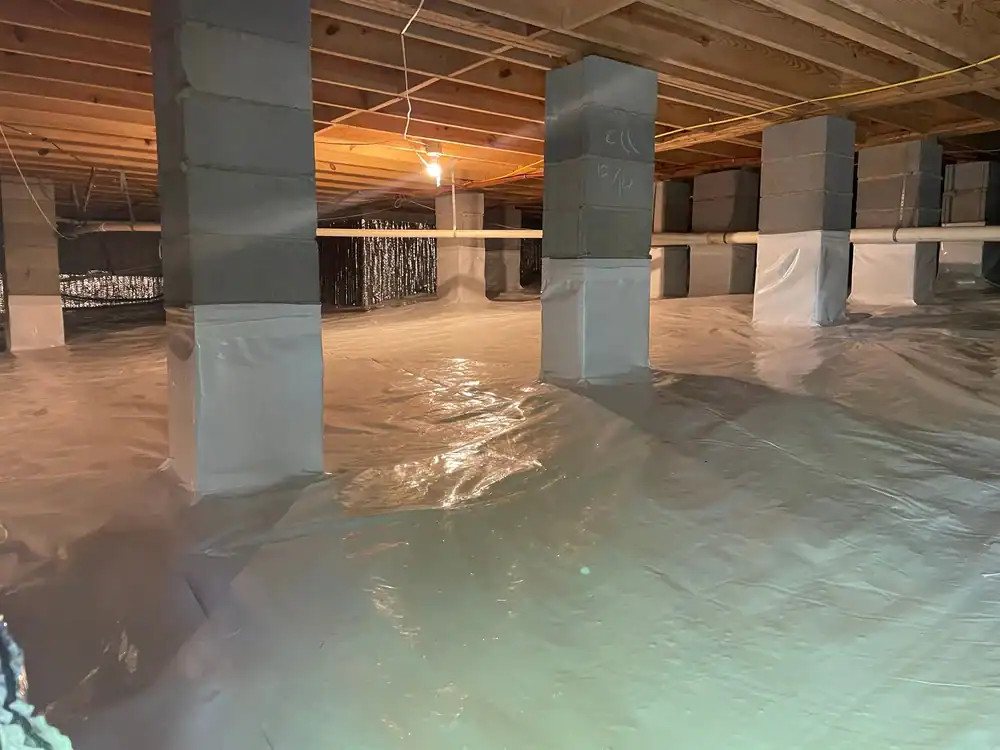
Most encapsulation projects in Clemmons run between $5,000 and $15,000 depending on the size of your crawl space and what condition it’s in. If you’ve got standing water, mold remediation, or structural repairs needed, that adds to the cost.
The national average is around $8,250, but you’ll see quotes all over the map. Some companies will quote you $20,000+ for the same job we’d do for $10,000 because they’re loading in profit margins and unnecessary add-ons.
We price based on what your home actually needs. A straightforward vapor barrier installation with dehumidifier and vent sealing is going to cost less than a full crawl space overhaul with drainage work and joist repairs. You get an honest assessment and a fair price—no upselling, no scare tactics.
A properly installed encapsulation system lasts 20+ years, sometimes longer if it’s maintained. The vapor barrier itself is durable and won’t degrade if it’s installed correctly and nothing punctures it.
The dehumidifier will need occasional filter changes and might need replacement after 10 to 15 years depending on how hard it works. That’s normal wear and tear, not a failure of the system.
What kills encapsulation systems early is poor installation—seams that aren’t sealed, barriers that aren’t attached to walls, or ignoring drainage issues before sealing everything up. When water’s still getting in, the system can’t do its job. That’s why the upfront work matters. We don’t cut corners on prep because we want your encapsulation to last as long as your home does.
Yes, if the smell is coming from your crawl space—which it usually is. That musty odor is mold, mildew, and damp wood releasing spores and gases into your home’s air supply.
When we encapsulate, we remove the moisture source that’s feeding the mold. No moisture means no mold growth, and no mold means no smell. The vapor barrier stops ground moisture from evaporating into your crawl space, and the dehumidifier keeps humidity low enough that nothing can grow.
You’ll notice the difference within a few weeks as the air in your home gets fresher. If the smell persists after encapsulation, it’s coming from somewhere else—maybe your HVAC ducts or a hidden leak. But in most cases, sealing the crawl space takes care of it because that’s where the problem starts.
In Clemmons? Yes. North Carolina’s humidity is relentless, especially from May through September when outdoor levels stay above 70%. A vapor barrier stops ground moisture, but it doesn’t control the air that’s already in your crawl space or humidity that sneaks in through small gaps.
A dehumidifier actively pulls moisture out of the air and keeps levels below 60%, which is the threshold where mold and rot can’t thrive. Without it, you’re leaving the door open for moisture problems even with a sealed crawl space.
Some drier climates can get away with just a vapor barrier, but that’s not the reality here. We’ve seen too many crawl spaces with barriers and no dehumidifier that still ended up with mold issues. The dehumidifier is what makes the system work long-term in our climate.
You can, and it’ll actually be a much better storage environment than before. Encapsulation creates a clean, dry space that won’t damage your belongings with moisture or mold.
That said, you still want to be smart about what you store down there. Keep items off the ground on shelves or pallets, and avoid storing anything that’s sensitive to temperature swings unless you’ve conditioned the space with HVAC.
Encapsulation makes your crawl space cleaner and more accessible, but it’s not a finished basement. It’s a controlled environment that protects your home’s structure and air quality first. Storage is a bonus, not the main goal. Just don’t block access to your dehumidifier or any plumbing and electrical that might need maintenance down the road.
You’re rolling the dice on expensive damage. Moisture in your crawl space doesn’t stay contained—it rises into your home, rots your floor joists, feeds mold growth, attracts termites, and makes your HVAC system work harder than it should.
Wood rot and structural repairs can run $8,000 to $25,000 depending on how bad it gets. Mold remediation adds another few thousand. You’ll also pay more every month on energy bills because your home can’t hold temperature efficiently with a damp, unsealed crawl space.
The longer you wait, the worse it gets. Moisture damage compounds over time, and what could’ve been a $7,000 encapsulation job turns into a $30,000 repair and encapsulation job. We’ve seen it happen more times than we can count. The upfront investment in encapsulation saves you from much bigger problems down the road.