

Contact Info
- Greensboro, NC 27406
- Call: 336-707-0498
- Text: 336-707-0498
-
Mon - Fri: 8am - 4pm
Sat - Sun: Closed
Contact Info
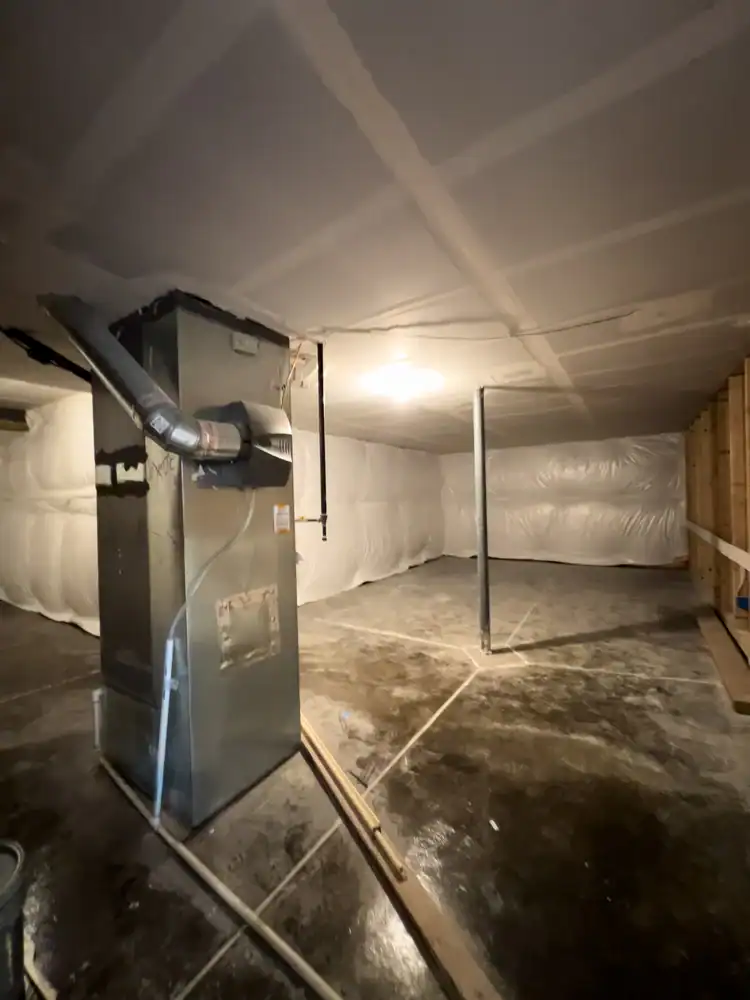
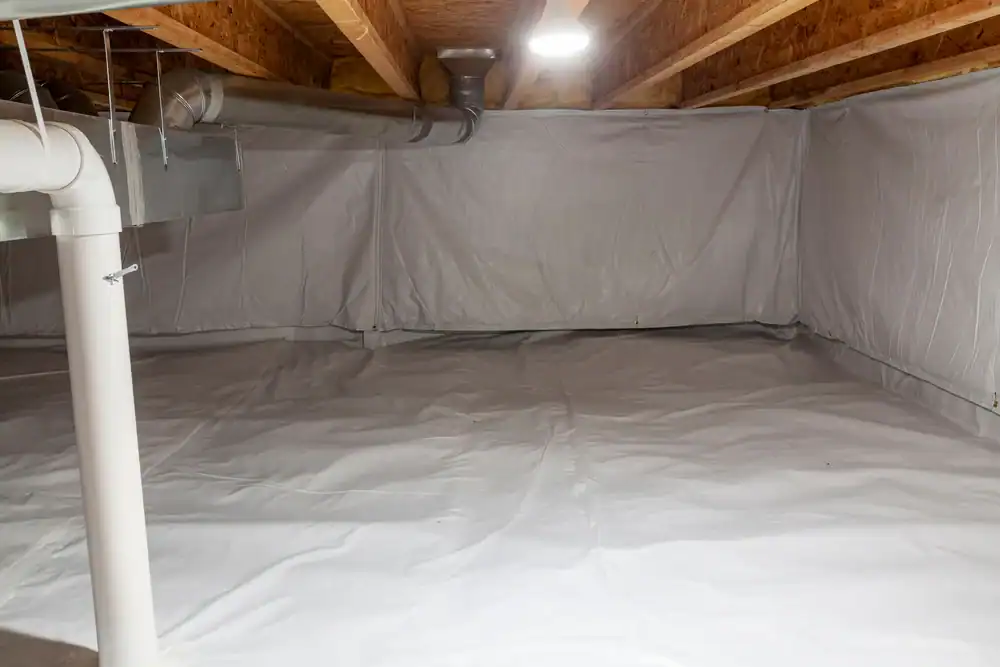
You stop smelling that musty odor coming through the floors. Your energy bills drop because your HVAC isn’t fighting against humid outside air pouring in through foundation vents. Your floors feel warmer in winter without cranking the heat.
More importantly, you stop the hidden damage. Wood rot doesn’t spread to your floor joists. Mold doesn’t grow on insulation and send spores into your living space. Pests lose the damp, dark environment they need to nest and breed.
When moisture stays out, your home stays structurally sound. That’s not just comfort, that’s protecting what’s likely your biggest investment. Most homeowners in Climax don’t realize how much damage humidity does until they’re looking at expensive foundation repairs or replacing rotted beams.
We work throughout the Greensboro area, including Climax and surrounding communities. We focus on what you can’t always see but definitely feel: the air quality and moisture levels that affect your home from the ground up.
Climax sits in an area where humidity averages well above 60% for much of the year. That’s a problem for crawl spaces. Older homes here, especially the detached single-family homes that make up most of the housing stock, weren’t built with modern moisture barriers or sealed crawl space systems.
We handle vapor barrier installation, dehumidifier installation, crawl space cleaning, and full encapsulation. Our work comes with a lifetime warranty on the encapsulation system because we use materials and methods built to last 20+ years in North Carolina’s climate.
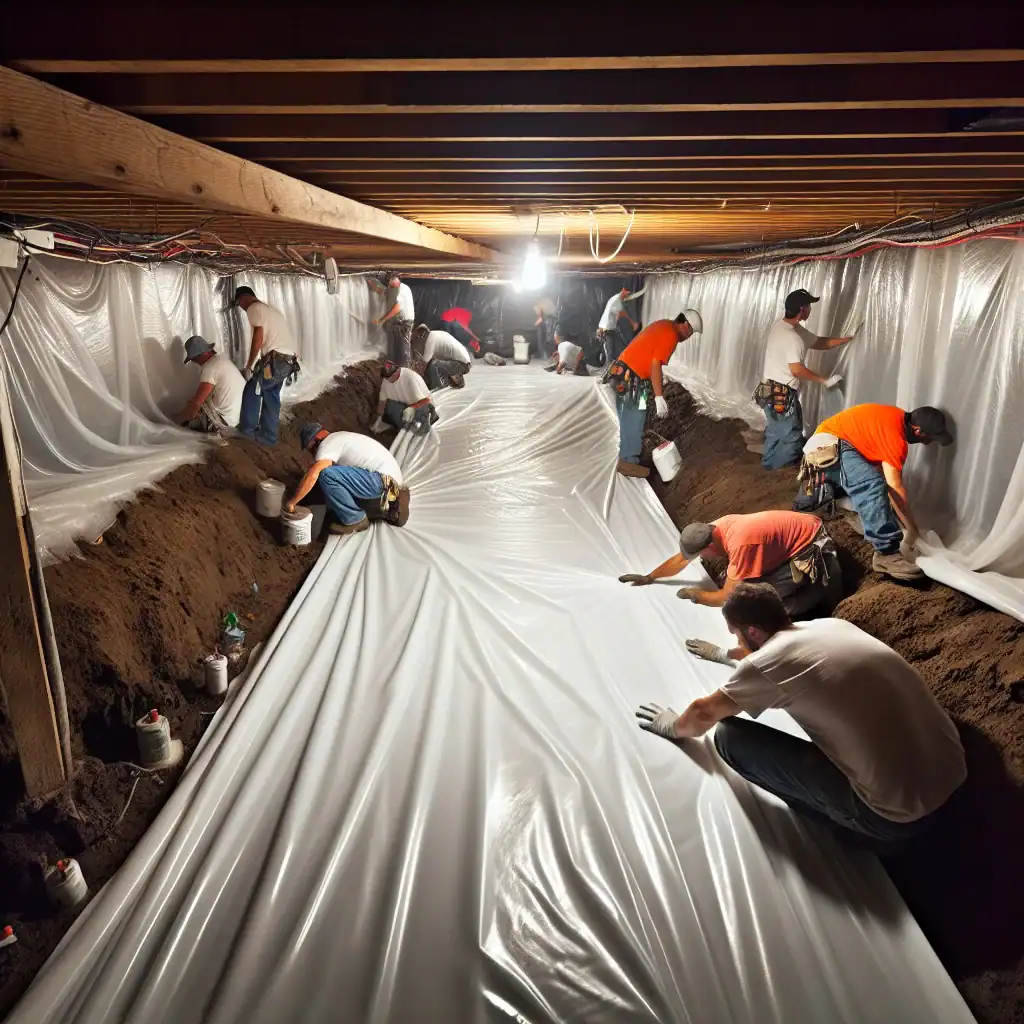
First, we inspect your crawl space to identify existing moisture damage, mold growth, pest activity, and structural concerns. You get a clear assessment of what’s happening down there and what needs to happen to fix it.
Next, we remove debris, old insulation, and any contaminated materials. If there’s mold, we treat it. If there are pest droppings or nesting materials, we clean them out. You’re starting with a clean foundation.
Then comes the vapor barrier installation. We cover the entire floor and seal it to your foundation walls with a heavy-duty polyethylene barrier, typically 12-20 mil thick. This blocks ground moisture from evaporating into your crawl space. We seal all seams and penetrations so humid outside air can’t get in through vents or gaps.
Finally, we install a dehumidifier sized for your space. Even with a sealed crawl space, you need active humidity control to keep levels below 60%. The dehumidifier runs automatically and drains on its own, so you don’t have to think about it.

Ready to get started?
A complete crawl space encapsulation system includes the vapor barrier across your floor and up your foundation walls, sealed vents to stop outside air from entering, and a commercial-grade dehumidifier to maintain proper humidity levels year-round.
In Climax, where summer humidity regularly hits 70%+ and winter brings cold, damp conditions, this system keeps your crawl space dry in every season. You’re not just blocking moisture from the ground. You’re creating a controlled environment that doesn’t fluctuate with outdoor conditions.
The result is measurable. Most homeowners see energy savings of 15-20% on heating and cooling costs. That’s $300-$400 per year for a typical 2,000 square foot home. Over ten years, you’re looking at $3,000-$4,000 in savings, and that doesn’t count what you avoid spending on mold remediation, pest control, or structural repairs.
You also get better indoor air quality. When 50% of your indoor air originates in your crawl space, sealing off mold, mildew, and musty odors makes a noticeable difference in how your home smells and how your family feels.
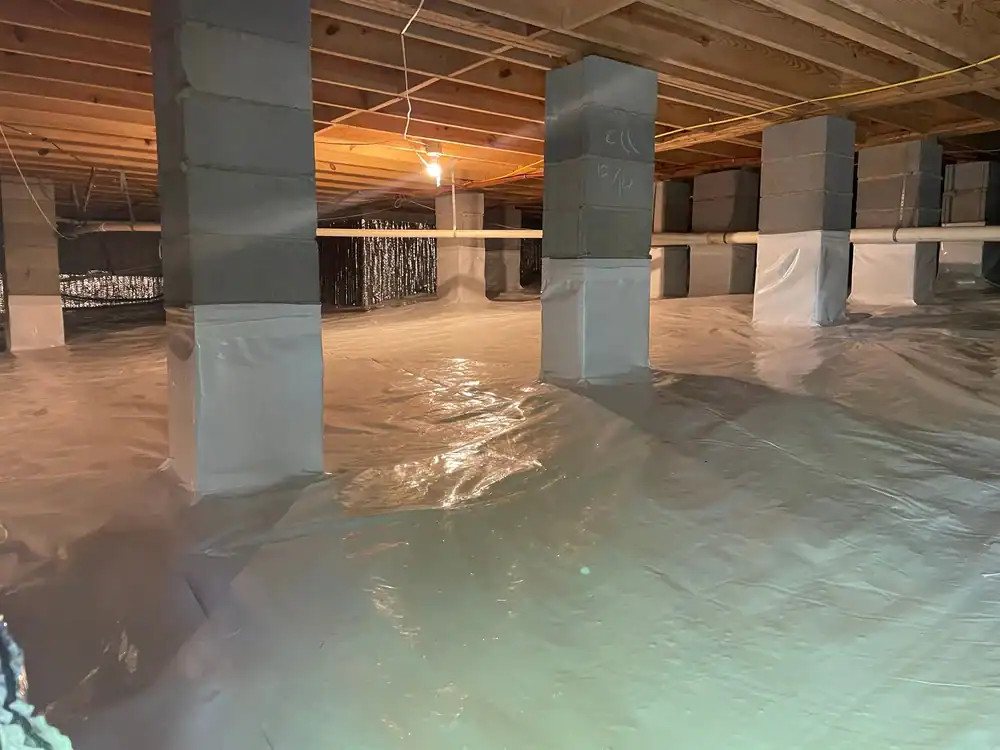
Cost depends on your crawl space size, current condition, and what needs to happen before we can install the vapor barrier. Most full encapsulation projects for average-sized homes run between $5,000 and $15,000.
If your space needs mold remediation, structural repairs, or extensive cleaning before encapsulation, that adds to the total. If it’s relatively clean and dry to start, you’re on the lower end. The dehumidifier alone typically runs $1,200-$1,800 installed, and the vapor barrier material and labor make up the bulk of the remaining cost.
We offer free consultations so you know exactly what your space needs and what it’ll cost before any work starts. No surprises, no pressure. Most homeowners recover the investment within 7-10 years through lower energy bills and avoided repair costs, and the system lasts 20+ years when properly maintained.
Yes, and the savings are significant. When your crawl space is open to outside air, your HVAC system works against humidity and temperature swings happening right below your living space. In summer, hot humid air condenses on cool ductwork and makes your AC run longer. In winter, cold air under your floors makes your heating system work harder.
Encapsulation stops that cycle. Studies show energy savings of 15-20% on heating and cooling costs, which translates to roughly $25-$35 per month for most homes in this area. Over a year, that’s $300-$400 staying in your pocket instead of going to the power company.
The savings come from two places: your HVAC isn’t fighting moisture and temperature extremes from below, and your floors and rooms hold temperature better because you’ve eliminated the drafty, humid space underneath. You’ll notice warmer floors in winter without touching your thermostat.
A properly installed vapor barrier lasts 20-25 years in most crawl spaces. The key word is “properly installed.” If the barrier is just laid on the ground without sealing seams or attaching it to walls, it won’t perform well and won’t last as long.
We use heavy-duty polyethylene barriers, typically 12-20 mil thickness, that resist tears and punctures. We seal all seams with waterproof tape, attach the barrier to foundation walls, and make sure it’s not just sitting loose on the ground where it can shift or get damaged.
The dehumidifier will need maintenance over the years, just like any mechanical equipment, but the barrier itself is passive. Once it’s in, it works. Our encapsulation systems come with a lifetime warranty because we’re confident in the materials and installation methods we use.
Yes. Even with a sealed vapor barrier and closed vents, you still need active humidity control to keep moisture levels below 60%. The barrier stops ground moisture and outside air, but it doesn’t remove humidity that’s already in the space or that enters through small gaps and penetrations.
A dehumidifier sized for your crawl space runs automatically and maintains the right humidity level year-round. In North Carolina’s climate, where outdoor humidity stays high most of the year, the dehumidifier is what keeps your encapsulated space actually dry.
Without it, you might seal in existing moisture or deal with condensation during seasonal temperature changes. The dehumidifier typically drains automatically into a sump pump or exterior drain, so you’re not emptying buckets or thinking about it. It just runs in the background and protects your investment.
Musty smells in your home are the most obvious sign. If you notice a damp, earthy odor that seems to come from nowhere, it’s likely coming up through your floors from your crawl space. That smell is mold and mildew growing in humid conditions below your house.
Other signs include visible mold on floor joists or insulation, standing water or damp soil in your crawl space, sagging or soft floors, higher-than-normal energy bills, and pest problems like termites or cockroaches. If your crawl space insulation is falling down or looks wet and compressed, that’s moisture damage.
You might also notice condensation on HVAC ducts, rust on metal components, or wood that feels soft or looks discolored. Any of these point to a moisture problem that encapsulation solves. The longer you wait, the more damage accumulates and the more expensive repairs become.
You can technically install a vapor barrier yourself, but getting it right is harder than it looks. The barrier needs to be sealed at every seam, attached properly to foundation walls, cut and fitted around piers and utilities, and integrated with your home’s drainage system. Miss any of those steps and you’re not actually controlling moisture.
Most DIY encapsulation jobs fail because homeowners underestimate how much prep work is needed. You have to remove old insulation, treat mold, level the ground, address drainage issues, and sometimes make structural repairs before the barrier even goes in. Then you need the right dehumidifier sized and installed correctly.
Professional installation costs more upfront, but you get a system that actually works and lasts. We handle the prep, use commercial-grade materials, seal everything properly, and back it with a warranty. If something goes wrong with a DIY job, you’re paying to fix it and potentially dealing with ongoing moisture damage while you figure it out.