

Contact Info
- Greensboro, NC 27406
- Call: 336-707-0498
- Text: 336-707-0498
-
Mon - Fri: 8am - 4pm
Sat - Sun: Closed
Contact Info
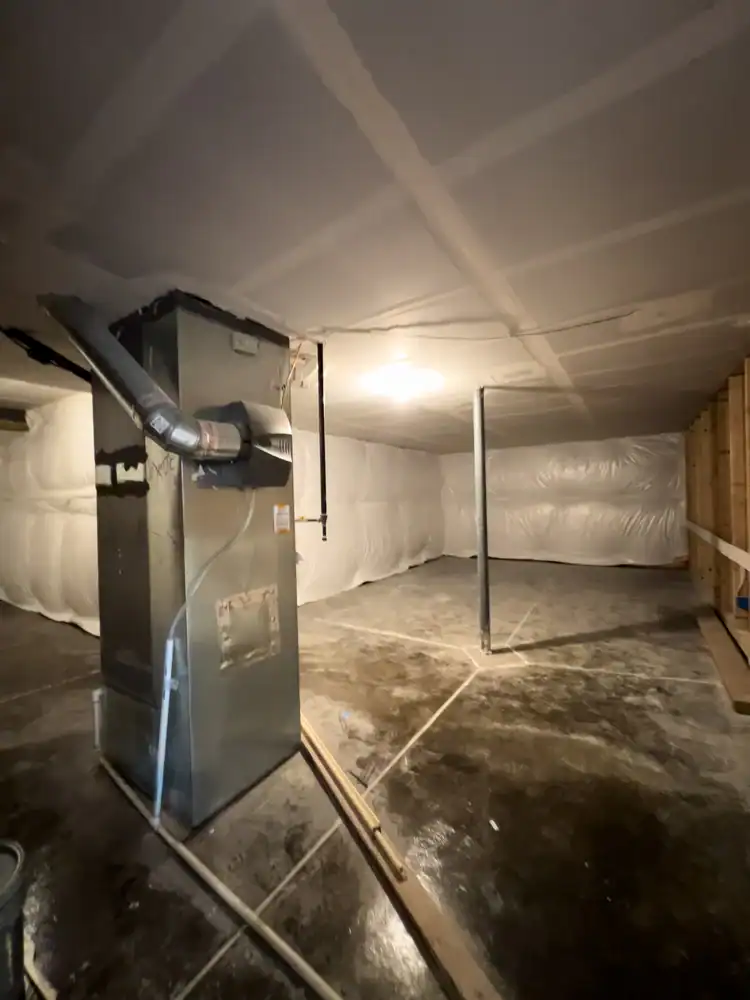
You stop smelling that musty odor every time you walk through your house. Your floors feel solid again, not soft or bouncy in spots. Your energy bills drop because your HVAC isn’t fighting humid air seeping up from below.
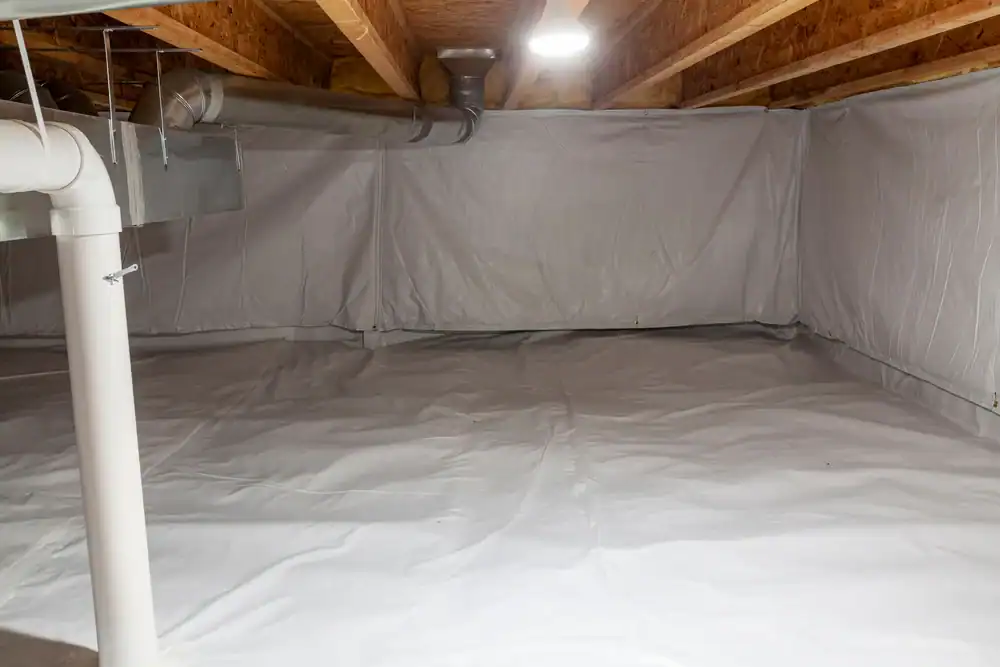
Crawl space encapsulation creates a sealed barrier between your home and the ground. That means no more moisture creeping in, no more mold spreading into your living space, and no more wood rot eating away at your floor joists. North Carolina’s humidity doesn’t care about your crawl space vents—it’ll push moisture in all summer long.
When you encapsulate, you’re controlling what gets in and what stays out. The air in your home gets cleaner. Your structure stays intact. And you’re not dealing with the same problem every few years because someone just cleaned up the symptoms instead of fixing the cause.
We have an A+ rating with the Better Business Bureau and have been solving crawl space problems in Freeman Mill, NC and surrounding areas since 2010. Rick Watson runs our company, and he’s seen every version of crawl space damage North Carolina’s climate can create.
We don’t sell you services you don’t need. Every home in Freeman Mill faces different moisture challenges depending on grading, soil type, and how the house was built. We inspect first, explain what’s actually happening, and then show you what it takes to fix it permanently.
You’re not getting a one-size-fits-all quote. You’re getting a plan that matches your crawl space, your budget, and the specific problems you’re dealing with right now.
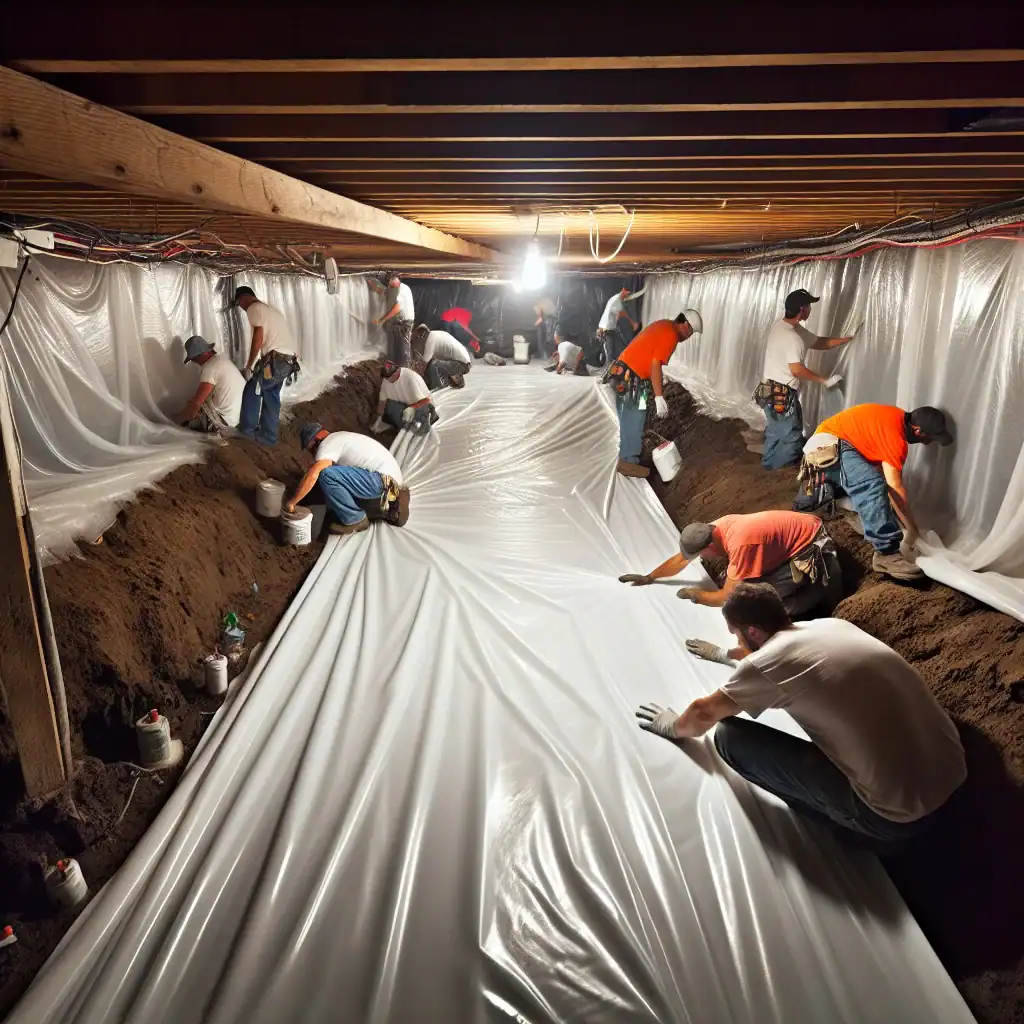
We start with a full inspection of your crawl space. That means looking at moisture levels, checking for mold or wood damage, identifying where water is getting in, and measuring humidity. You’ll know exactly what’s wrong before we talk about fixing anything.
Next, we handle any existing issues—mold remediation if needed, repairing damaged insulation, and making sure drainage is working. You can’t encapsulate over problems and expect them to disappear.
Then comes the actual encapsulation. We install a heavy-duty vapor barrier across the floor and up the walls, sealing every seam and corner. We close off vents that are letting humid air in. If your crawl space needs a dehumidifier to keep humidity between 40-50%, we install that too. The goal is a completely controlled environment that stays dry year-round.
After everything’s sealed, we test humidity levels and make sure airflow is where it needs to be. You’ll see the difference in air quality within days, and the structural benefits show up over time as your home stops absorbing moisture from below.

Ready to get started?
Vapor barrier installation covers every inch of your crawl space floor and walls with a thick, sealed liner that blocks moisture from the ground. This isn’t the thin plastic you see in hardware stores—it’s commercial-grade material designed to last decades.
Dehumidifier installation keeps your crawl space humidity in the safe zone even during Freeman Mill’s humid summers. North Carolina’s climate makes it nearly impossible to keep a crawl space dry without mechanical help, especially when outdoor humidity regularly exceeds 60%.
We also handle crawl space insulation if your current insulation is damaged, moldy, or just not doing its job anymore. Insulation in an encapsulated crawl space works completely differently than in a vented one—it actually stays dry and effective.
Crawl space cleaning comes first if you’ve got debris, old insulation, or mold that needs to go. You can’t seal in contamination and call it fixed. Every encapsulation project in Freeman Mill starts with a clean slate so the barrier does what it’s supposed to do.
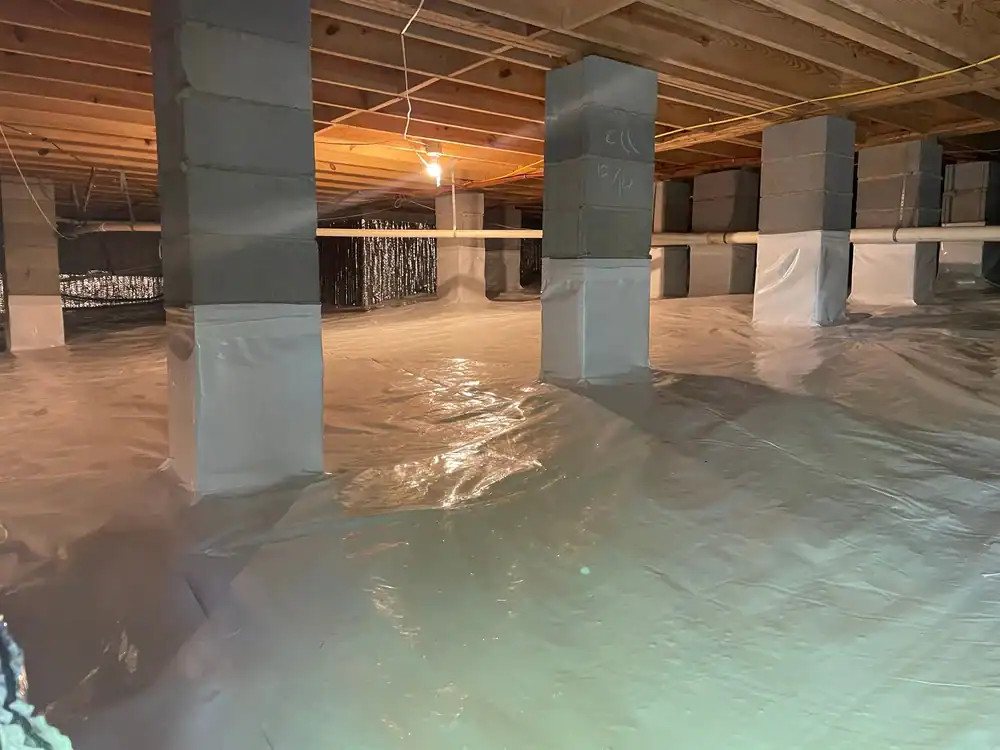
Most full encapsulation projects in Freeman Mill range from $13,000 to $20,000, but not every crawl space needs the full treatment. Your cost depends on square footage, how much moisture damage already exists, whether you need mold remediation, and what kind of dehumidifier system makes sense for your space.
Some homes just need vapor barrier installation and vent sealing. Others need structural repairs, drainage work, and a full dehumidifier setup. We don’t quote over the phone because crawl spaces vary too much—what works for one house in Freeman Mill won’t work for the next.
The investment pays off in lower energy bills, better air quality, and avoiding the cost of replacing rotted floor joists or dealing with mold in your living space. You’re fixing the problem once instead of managing symptoms every year.
Most encapsulation projects in Freeman Mill take two to four days depending on the size of your crawl space and what needs to happen before we can seal it. If we’re just installing a vapor barrier and closing vents, that’s faster. If we’re removing old insulation, treating mold, and installing a dehumidifier system, it takes longer.
We’re not rushing through your crawl space. Every seam in that vapor barrier needs to be sealed correctly, every corner needs to be covered, and the dehumidifier needs to be set up to actually control humidity long-term. Doing it right the first time means you’re not calling someone back in two years because moisture is creeping in again.
You’ll have access to your home the whole time. We’re working below you, and most homeowners don’t even notice we’re there after the first day.
Yes, because your HVAC system stops fighting moisture and unconditioned air coming up from your crawl space. About 40% of the air in your home starts in your crawl space, so when that air is humid and temperature-unstable, your heating and cooling equipment works harder to compensate.
Encapsulation seals that off. Your crawl space stays at a consistent temperature and humidity level, which means the air moving into your home isn’t throwing off your HVAC system. You’ll see the difference on your energy bills within the first few months, especially during Freeman Mill’s hot, humid summers when your AC is running constantly.
How much you save depends on how bad your crawl space situation was before encapsulation. Homes with serious moisture issues see bigger drops in energy costs because the system was working overtime before we fixed it.
In Freeman Mill, yes. North Carolina’s humidity makes it almost impossible to keep an encapsulated crawl space below 60% relative humidity without a dehumidifier, especially in summer. Even with a sealed vapor barrier, you’ve got humidity coming from the ground, from the air, and from temperature changes between seasons.
A dehumidifier keeps your crawl space between 40-50% humidity year-round, which is the range where mold can’t grow and wood stays stable. Without it, you’re relying on the vapor barrier alone, and that’s not enough in this climate. Research shows encapsulated crawl spaces with dehumidifiers stay dry all summer, while encapsulated spaces without them still track outdoor humidity to some degree.
We size the dehumidifier based on your crawl space square footage and your home’s specific conditions. It’s not an upsell—it’s what actually keeps your crawl space dry long-term in Freeman Mill’s climate.
We seal them. Crawl space vents were designed to let air flow through and keep things dry, but in North Carolina’s humid climate, they do the opposite. They let in moisture-heavy air all summer, which raises humidity and creates the perfect environment for mold and wood rot.
Once your crawl space is encapsulated, those vents become a liability. Sealing them is part of creating a controlled environment where you’re managing humidity with a dehumidifier instead of hoping outside air will dry things out. It won’t—not here.
Some homeowners worry about sealing vents because it feels wrong, but the science is clear. Vented crawl spaces in the Southeast have higher mold counts and higher humidity than sealed, encapsulated crawl spaces. You’re not trapping moisture in—you’re keeping it out.
If you’re smelling musty odors in your home, seeing mold on crawl space joists, noticing soft or bouncy floors, or dealing with high humidity inside even when your AC is running, your crawl space is affecting your home. Those are the obvious signs.
Less obvious signs include higher-than-normal energy bills, allergy symptoms that get worse at home, or visible condensation on crawl space walls and pipes. North Carolina’s climate is tough on crawl spaces, and most homes in Freeman Mill built with vented crawl spaces are dealing with moisture issues whether you can see them or not.
We do free inspections because the only way to know for sure is to get down there, measure humidity, check for mold, and see what’s happening with your floor joists and insulation. You’ll know exactly what’s going on and what it takes to fix it before you spend a dollar.