

Contact Info
- Greensboro, NC 27406
- Call: 336-707-0498
- Text: 336-707-0498
-
Mon - Fri: 8am - 4pm
Sat - Sun: Closed
Contact Info
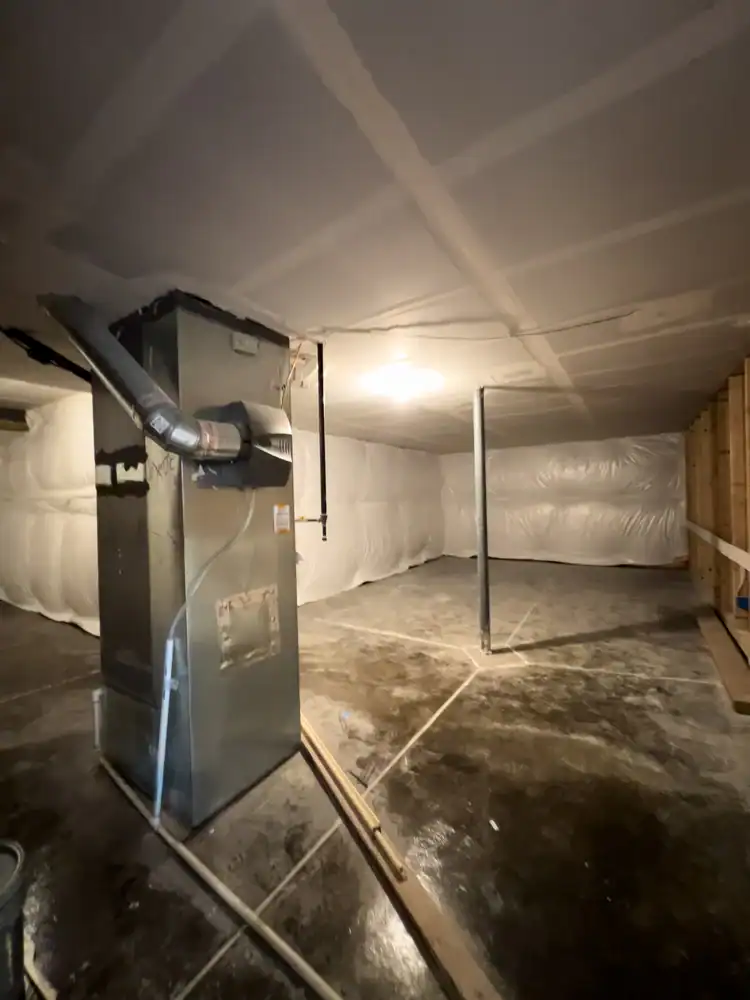
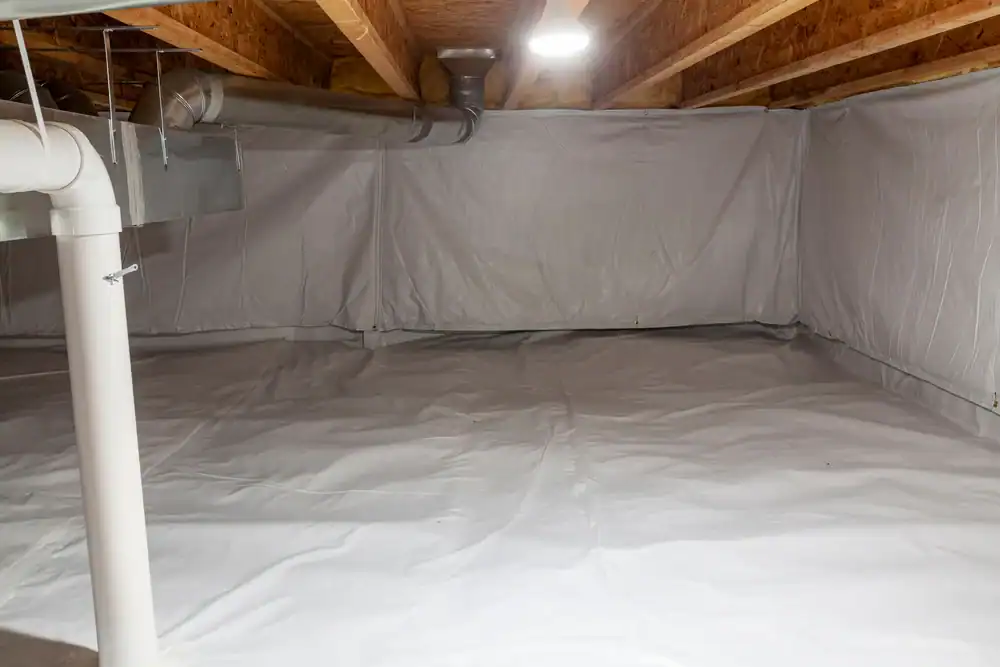
That musty smell coming through your floors disappears. Your energy bills drop because conditioned air stops escaping through gaps and vents. The air your family breathes gets cleaner since up to 50% of it rises from your crawl space.
Your HVAC system stops working overtime to compensate for moisture and temperature swings. Wood beams stay dry and solid instead of slowly rotting from constant humidity exposure. Pests lose their favorite entry point and breeding ground.
Highland Park West homes, many built between the 1900s and 1960s, weren’t designed with today’s moisture control standards. North Carolina’s humidity regularly exceeds 70% in summer, and your crawl space bears the brunt of it. Proper encapsulation with a heavy-duty vapor barrier and dehumidifier installation creates a controlled environment that protects everything above it.
We specialize in crawl space encapsulation throughout the Greensboro area, including Highland Park West’s older home stock. Rick Watson and our team are NADCA certified, with credentials through the National Air Duct Cleaners Association that most contractors don’t bother getting.
We’ve been BBB Accredited since 2024 because we show up when we say we will, explain what we’re doing, and don’t upsell services you don’t need. Highland Park West homeowners deal with specific challenges – Minimal Traditional designs on smaller lots, older construction methods, and North Carolina’s relentless humidity. We account for all of it.
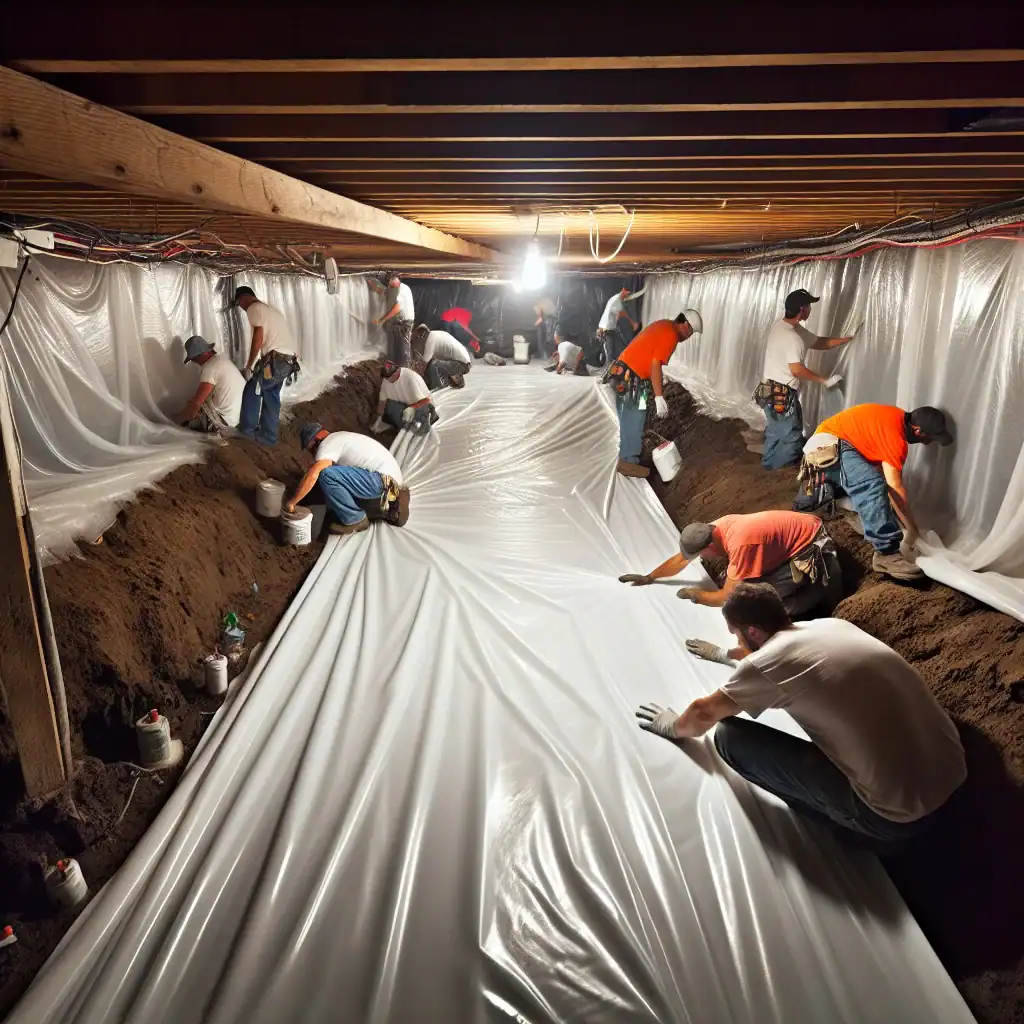
We start with a thorough inspection of your crawl space, taking pictures and identifying moisture sources, structural concerns, and access points that need sealing. You get a clear explanation of what we found and what needs to happen.
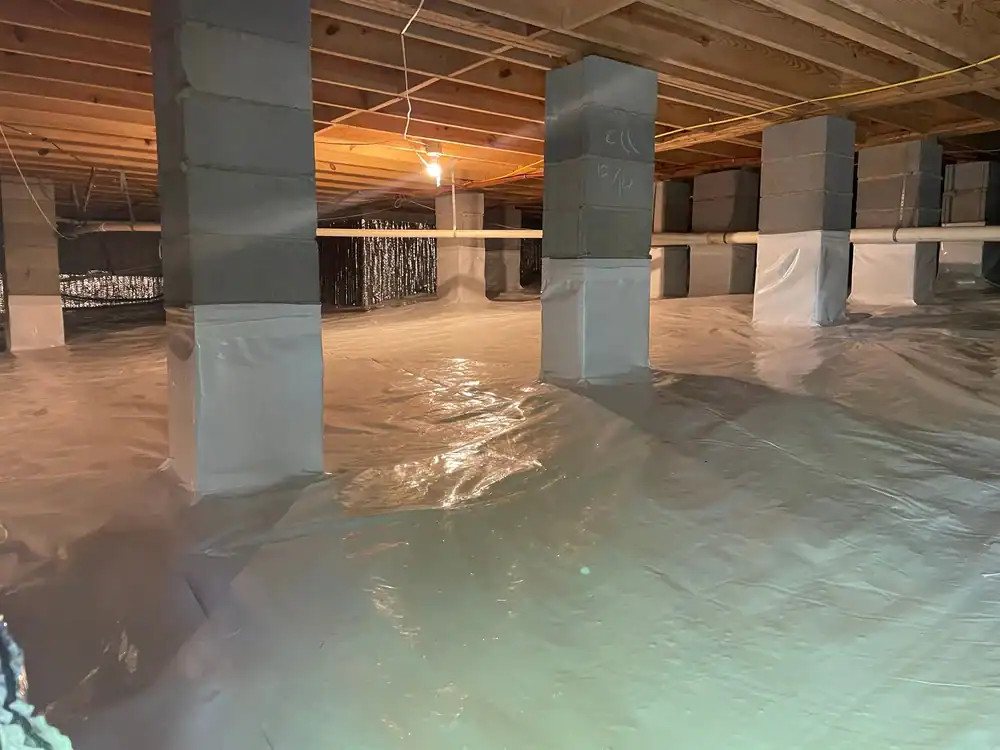
Next comes crawl space cleaning – removing debris, old insulation, and anything that shouldn’t be down there. We can’t encapsulate over existing problems. Then we install a heavy-duty vapor barrier, minimum 20-mil thickness, that covers the entire floor and extends up the foundation walls. This isn’t the thin plastic some contractors use that tears within a year.
We seal all vents, gaps, and penetrations where outside air sneaks in. If your crawl space needs a dehumidifier to maintain proper humidity levels year-round, we install and set it to the right specifications. Some homes also need sump pumps if standing water is an issue. The whole process typically takes one to three days depending on your crawl space size and condition.

Ready to get started?
You’re getting industrial-grade materials, not hardware store vapor barriers that fail in two years. We use 20-mil or thicker reinforced polyethylene that stands up to crawling, equipment, and time. Every seam gets properly sealed, and the barrier extends up foundation walls to create a complete moisture envelope.
Vent sealing is critical in Highland Park West because North Carolina’s temperature swings create condensation nightmares. We permanently seal foundation vents that were originally meant to “air out” your crawl space – a building practice that actually makes moisture problems worse in humid climates. All rim joists, sill plates, and penetrations get sealed with spray foam.
Dehumidifier installation keeps humidity between 30-50% year-round, which prevents mold growth and wood rot even during our brutal summer months. We size the unit correctly for your space and set it up for minimal maintenance. If your crawl space has standing water issues, we address drainage and may install a sump pump system. Everything gets documented with before and after photos so you see exactly what changed under your home.
Most Highland Park West homes fall in the $3,500 to $7,000 range for complete encapsulation, though costs can run $1,500 to $15,000 depending on your crawl space size, current condition, and what systems you need. Pricing breaks down to roughly $2 to $10 per square foot.
Smaller homes with straightforward layouts and minimal moisture damage land on the lower end. Larger crawl spaces, homes with standing water, significant mold remediation needs, or structural repairs push costs higher. If you need a dehumidifier and sump pump on top of vapor barrier installation, that adds to the total.
The investment pays back through lower energy bills – studies show 15% to 20% reductions in heating and cooling costs after proper encapsulation. You’re also avoiding much bigger expenses down the road. We’ve seen Highland Park West home sales where sellers had to credit buyers $12,000 just to address crawl space moisture issues that could have been prevented.
Yes, and here’s why. Your crawl space is basically a giant hole in your home’s thermal envelope if it’s not sealed. Conditioned air escapes through gaps, vents, and the floor above. Outside air – hot and humid in summer, cold in winter – flows in freely and forces your HVAC system to work harder.
After encapsulation, you’ve created a controlled environment. The vapor barrier stops ground moisture from evaporating into your crawl space. Sealed vents prevent outside air infiltration. Your HVAC system conditions a stable space instead of fighting North Carolina’s weather. Most homeowners see 15% to 20% drops in energy costs, which translates to $190 to $570 annually based on average Charlotte-area power bills.
The savings compound over time. Your HVAC equipment lasts longer because it’s not running constantly to compensate for moisture and temperature swings. You’re not throwing money at a problem that never gets fixed – you’re eliminating the problem.
A properly installed encapsulation system with quality materials lasts 20 to 25 years or more. The key phrase is “properly installed with quality materials” – not all crawl space work meets that standard.
Cheap vapor barriers (6-mil or 10-mil thickness) tear easily and degrade within a few years. We use minimum 20-mil reinforced polyethylene that stands up to foot traffic, equipment, and time. The sealing work around vents, rim joists, and penetrations needs to be thorough or you’re just slowing down moisture instead of stopping it.
Dehumidifiers typically need replacement every 10 to 15 years, similar to HVAC equipment. The vapor barrier itself, if installed correctly, outlasts most other home improvements. You’ll want periodic inspections to verify everything’s still sealed and functioning, but you’re not looking at ongoing repairs or replacements if the work was done right the first time.
That smell is mold and mildew growing on wood, insulation, or the ground itself. Highland Park West’s older homes are particularly susceptible because they were built before modern moisture control practices, and North Carolina’s humidity creates perfect conditions for mold growth.
Here’s what happens: moisture enters your crawl space through the ground, foundation vents, and gaps in the structure. Humidity levels climb above 60%, which is all mold needs to thrive. As mold colonies grow on floor joists, insulation, and subflooring, they release spores and volatile organic compounds (VOCs) that create that distinctive musty odor. Since up to 50% of your home’s air comes from the crawl space through the stack effect, those smells and spores rise into your living areas.
Encapsulation stops this cycle by sealing out moisture at every entry point. The vapor barrier blocks ground moisture. Sealed vents prevent humid outside air from entering. A dehumidifier keeps humidity in the safe zone even during our worst summer months. No moisture means no mold, which means no smell.
In Highland Park West and throughout North Carolina, yes – a dehumidifier is essential for complete moisture control. Encapsulation dramatically reduces moisture intrusion, but it doesn’t eliminate all humidity, especially in our climate.
Even with a perfect vapor barrier and sealed vents, some moisture still enters through foundation walls and any penetrations in the barrier. North Carolina’s humidity is relentless – we regularly exceed 70% in summer months. Your crawl space needs active humidity control to maintain the 30% to 50% range that prevents mold growth and wood rot.
A properly sized dehumidifier runs automatically, pulling excess moisture from the air and draining it outside or into a sump pump. It’s not a huge energy draw – modern units are efficient and only run when needed. Think of encapsulation and dehumidification as a complete system: the vapor barrier and sealing do the heavy lifting, and the dehumidifier handles what gets through. Skip the dehumidifier and you’re leaving the job half-finished.
You can buy the materials, but getting it right is harder than it looks. Crawl space encapsulation requires proper vapor barrier installation with sealed seams, thorough vent and penetration sealing, correct dehumidifier sizing and placement, and identification of underlying issues like drainage problems or structural damage.
Most DIY attempts fail at the details. Vapor barriers that aren’t properly overlapped and sealed let moisture through. Missed gaps around rim joists and sill plates create ongoing problems. Undersized or incorrectly placed dehumidifiers don’t control humidity effectively. And if you encapsulate over existing mold or structural issues without addressing them first, you’ve just trapped problems that will get worse.
Professional installation also comes with knowledge of building codes, proper drainage solutions, and what actually works in North Carolina’s climate. We’ve seen plenty of DIY jobs that homeowners eventually pay us to redo correctly. The cost difference between doing it yourself and hiring professionals who get it right the first time usually isn’t worth the risk to your home’s foundation and your family’s health.
Other Services we provide in Highland Park West