

Contact Info
- Greensboro, NC 27406
- Call: 336-707-0498
- Text: 336-707-0498
-
Mon - Fri: 8am - 4pm
Sat - Sun: Closed
Contact Info
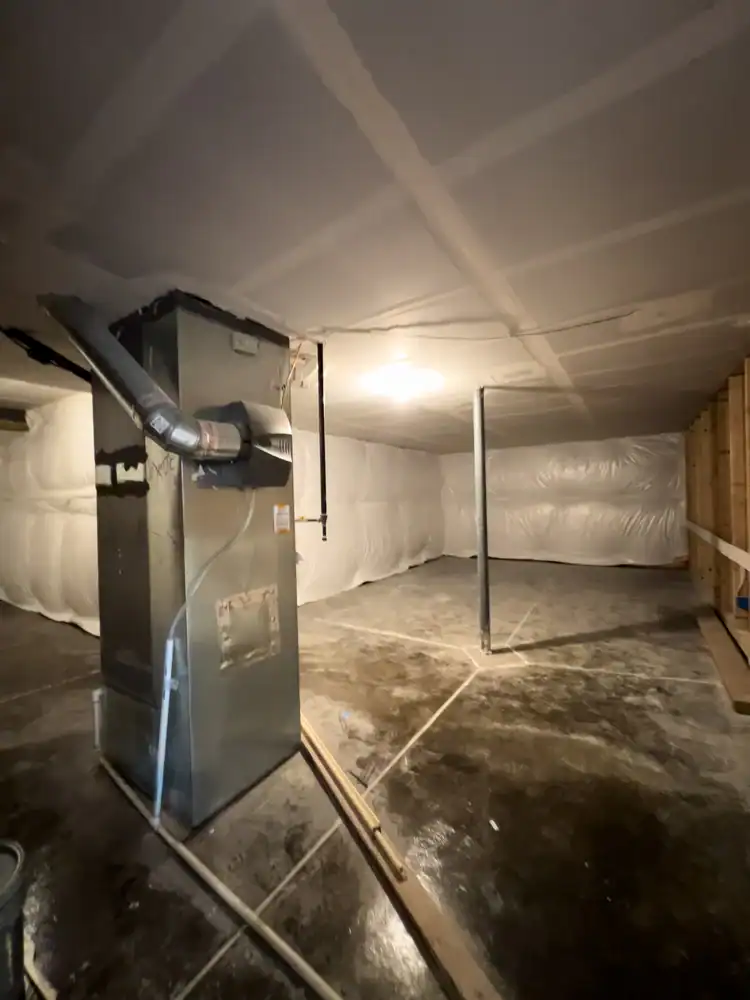
You’re dealing with floors that feel cold in winter and a house that stays muggy all summer. Your energy bills keep climbing, and there’s that smell—musty, damp, impossible to ignore. That’s your crawl space talking.
Here’s what changes when you encapsulate it properly. Your HVAC system stops working overtime because it’s not fighting constant moisture and temperature swings. That cuts your energy costs by up to 20%, according to Advanced Energy’s research on homes in our region.
The air you breathe gets cleaner. Between 50% and 75% of your indoor air filters up through that crawl space. When it’s damp and moldy down there, you’re breathing it upstairs. Encapsulation with a proper vapor barrier installation and dehumidifier installation stops that cycle.
Your home’s structure stays intact. Wood rot doesn’t happen overnight, but it happens fast in North Carolina’s humidity. Moisture control now means you avoid expensive floor repairs, beam replacements, and foundation issues later.
We handle crawl space encapsulation and air duct cleaning throughout the Greensboro area, including Miles Crossroad. We’ve been BBB Accredited since 2024, and we focus on two things: stopping moisture problems at the source and improving the air quality in your home.
North Carolina’s climate creates specific challenges. Morning temps drop, afternoon heat spikes, and that constant cycle creates condensation in your crawl space. We see it every day in Miles Crossroad—homes with humidity issues, mold growth, and homeowners frustrated because they’ve tried surface fixes that don’t last.
We handle crawl space cleaning, vapor barrier installation, insulation, and dehumidifier systems. The work is thorough, the pricing is competitive, and we don’t cut corners on materials or installation. You get a dry crawl space that stays dry.
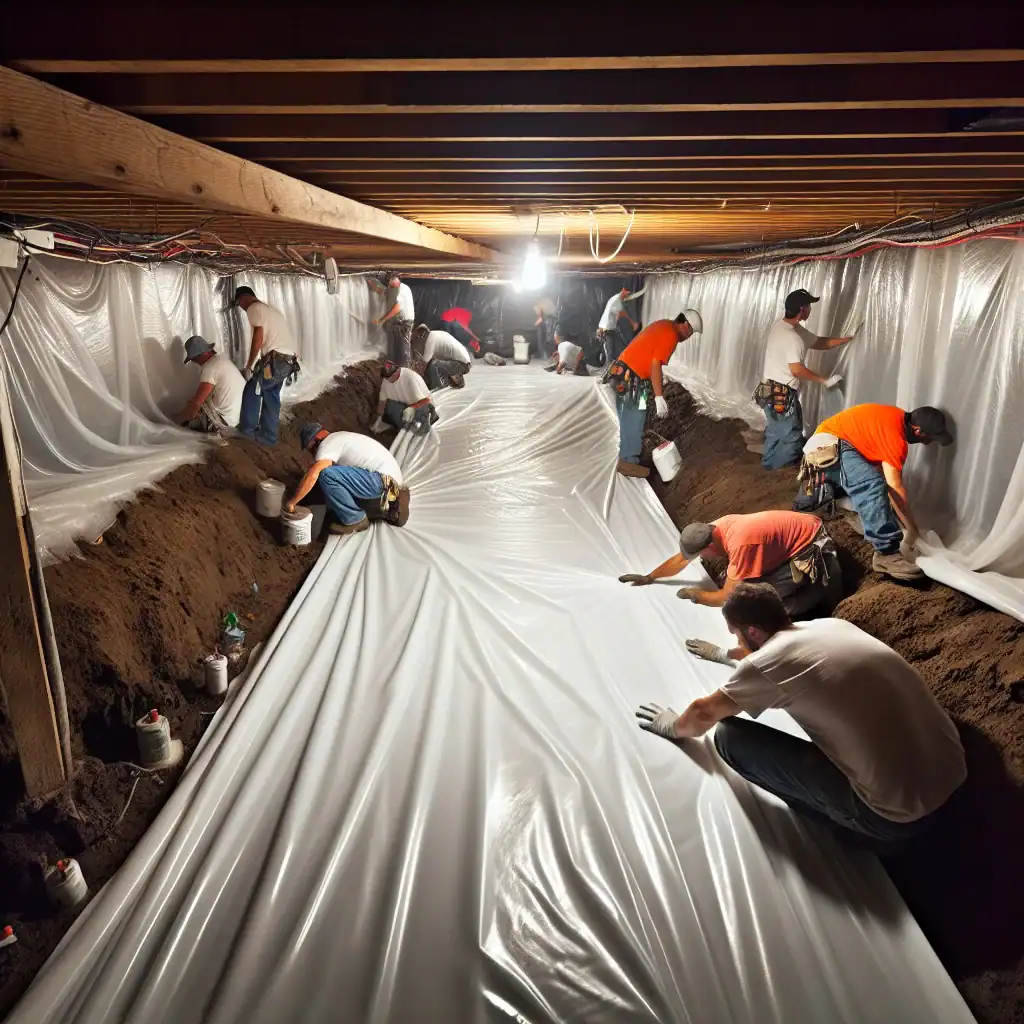
First, we inspect your crawl space completely. We’re looking for standing water, existing mold, damaged insulation, pest issues, and structural concerns. You get a full report on what we find and what needs to happen.
Next comes crawl space cleaning. We remove old insulation, debris, and anything that shouldn’t be down there. If there’s mold, we treat it properly before sealing anything up. You don’t want to trap problems under a vapor barrier.
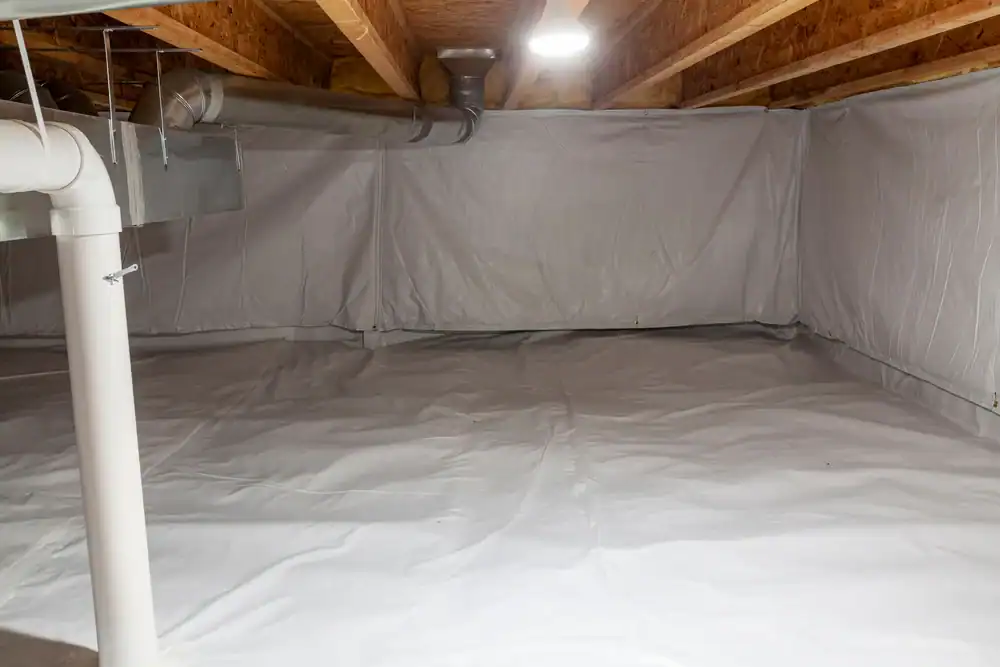
Then we install the vapor barrier. This is a heavy-duty liner that covers your crawl space floor and gets sealed to your foundation walls. It stops ground moisture from evaporating into your crawl space. We use professional-grade materials that last 20 to 25 years when installed correctly.
We add crawl space insulation where it makes sense—usually on walls rather than between floor joists in an encapsulated space. This keeps your home’s conditioned air where it belongs and makes your HVAC system more efficient.
Finally, we install a dehumidifier if your crawl space needs it. In Miles Crossroad’s climate, most do. The dehumidifier keeps humidity levels below 60%, which prevents mold growth and keeps your space dry year-round.

Ready to get started?
You’re getting a full crawl space encapsulation system designed for North Carolina’s humidity. That means vapor barrier installation across every inch of your crawl space floor, sealed at the seams and attached to your foundation walls. No gaps, no shortcuts.
We include crawl space insulation on the walls to create a conditioned space that works with your home’s heating and cooling. Your floors stay warmer in winter, and your house stays more comfortable in summer. Your HVAC equipment lasts longer because it’s not sitting in a damp, unconditioned space.
Dehumidifier installation is part of the system when your crawl space needs it—and in Miles Crossroad, with our temperature swings and humidity levels, it usually does. The dehumidifier runs automatically, maintaining the right moisture levels without you thinking about it.
We handle all the crawl space cleaning upfront. Old insulation, mold treatment, debris removal—it all gets done before we seal anything. You’re starting with a clean foundation, literally.
The result is moisture control that actually works. You’ll notice the difference in your energy bills, your indoor air quality, and how your home feels. And you won’t be dealing with crawl space problems again in five years.
Most crawl space encapsulation projects in our area run between $5,000 and $15,000, depending on the size of your crawl space and what condition it’s in when we start. That breaks down to about $2 to $10 per square foot.
If your crawl space has standing water, significant mold growth, or damaged floor joists, you’re looking at the higher end because we have to fix those problems before we can encapsulate. If it’s relatively dry and just needs moisture prevention, costs stay lower.
Labor typically accounts for 50% to 70% of the total cost. The rest goes to materials—the vapor barrier, insulation, dehumidifier, and sealing materials. We use professional-grade vapor barriers that last 20-plus years, not the thin plastic you’d find at a hardware store.
The investment pays off. You’ll save up to 20% on energy bills, avoid costly structural repairs, and increase your home’s value. Most homeowners break even on energy savings alone within several years.
Yes, and the savings are measurable. Research from Advanced Energy shows that properly encapsulated crawl spaces reduce energy costs by up to 20% in homes like yours.
Here’s why it works. Right now, your crawl space is probably vented to the outside, which means humid outdoor air constantly flows in during summer and cold air flows in during winter. Your HVAC system has to compensate for that, running longer and harder to keep your home comfortable.
When we encapsulate your crawl space with vapor barrier installation and seal it off, we create a conditioned space. Your heating and cooling systems aren’t fighting moisture and temperature extremes anymore. They run more efficiently, use less energy, and last longer because they’re not overworking.
You’ll also notice your floors aren’t cold in winter. That’s because we’re insulating the crawl space walls instead of the floor above, keeping the entire space at a more stable temperature. Your home stays more comfortable with less energy.
When installed correctly with quality materials, crawl space encapsulation lasts 15 to 20 years or more. The vapor barrier itself—the heavy-duty liner we install—typically has a lifespan of 20 to 25 years.
The dehumidifier is the component that may need replacement sooner, usually after 10 to 15 years of continuous use. That’s normal for any mechanical equipment. The vapor barrier, insulation, and sealed system stay intact much longer.
What affects longevity is installation quality and material grade. Thin, cheap vapor barriers tear easily and don’t seal properly at the seams. We use professional-grade materials that can handle foot traffic during inspections and won’t degrade from ground moisture.
You should inspect your crawl space once a year to make sure everything’s working as it should. Check that the dehumidifier is running, look for any new moisture issues, and verify the vapor barrier is still sealed. Catching small problems early keeps your system working for decades.
The moisture problems you’re dealing with now will get worse, and they’ll start costing you serious money. Wood rot is the big one. When floor joists and beams stay damp, they deteriorate. Eventually, you’re looking at structural repairs that run into tens of thousands of dollars.
Mold growth accelerates in damp crawl spaces, and because up to 75% of your home’s air comes from your crawl space, you’re breathing that mold upstairs. That affects your family’s health—respiratory issues, allergies, and worse for anyone with asthma or immune concerns.
Your energy bills keep climbing. An unconditioned, moisture-filled crawl space makes your HVAC system work harder year-round. You’re paying more every month for less comfort. Over time, that adds up to thousands in wasted energy costs.
Pests move in. Rodents and insects thrive in damp, dark spaces. Once they’re established in your crawl space, they’re difficult and expensive to remove. Encapsulation creates a barrier that makes your crawl space far less attractive to pests.
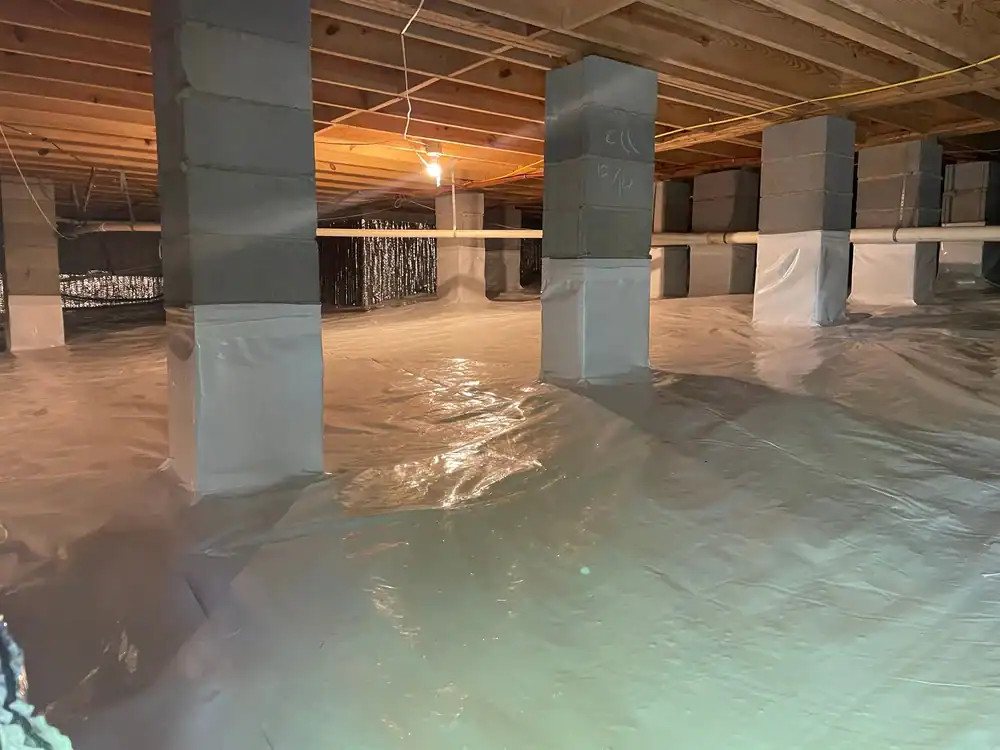
You can buy the materials, but proper installation requires experience and equipment most homeowners don’t have. The vapor barrier needs to be sealed at every seam, attached correctly to foundation walls, and wrapped around piers. Any gaps or tears defeat the entire purpose.
Crawl spaces are difficult to work in—tight, dark, often damp. You’re crawling on your stomach in some areas, cutting and fitting materials around obstacles, and sealing everything while working in uncomfortable positions. It’s physically demanding work.
The bigger issue is knowing what you’re looking at. If there’s existing mold, you need to treat it properly before sealing it under a vapor barrier. If there’s a drainage problem or foundation crack, that needs to be fixed first. Missing these issues means your encapsulation fails, and you’ve wasted money on materials and your time.
Professional installation also comes with knowledge of building codes and proper ventilation requirements. In North Carolina, there are specific requirements for conditioned crawl spaces. Getting it wrong can create new problems or fail inspections if you’re selling your home.
In Miles Crossroad, almost always yes. North Carolina’s humidity levels and temperature fluctuations mean even an encapsulated crawl space needs active moisture control to stay properly dry year-round.
The vapor barrier stops ground moisture from evaporating into your crawl space, which solves the biggest moisture source. But humidity can still enter through foundation walls, small gaps, or when you open crawl space access doors. A dehumidifier handles that residual moisture.
The goal is keeping humidity below 60% consistently. Above that threshold, mold can still grow, wood can still absorb moisture, and you lose many of the benefits of encapsulation. A properly sized dehumidifier maintains ideal levels automatically.
Dehumidifiers designed for crawl spaces are different from the portable units you’d use in a basement. They’re built to handle the conditions—continuous operation, automatic drainage, and the ability to condition larger spaces efficiently. We size the unit based on your crawl space’s square footage and specific conditions to ensure it keeps up with moisture levels throughout the year.