

Contact Info
- Greensboro, NC 27406
- Call: 336-707-0498
- Text: 336-707-0498
-
Mon - Fri: 8am - 4pm
Sat - Sun: Closed
Contact Info
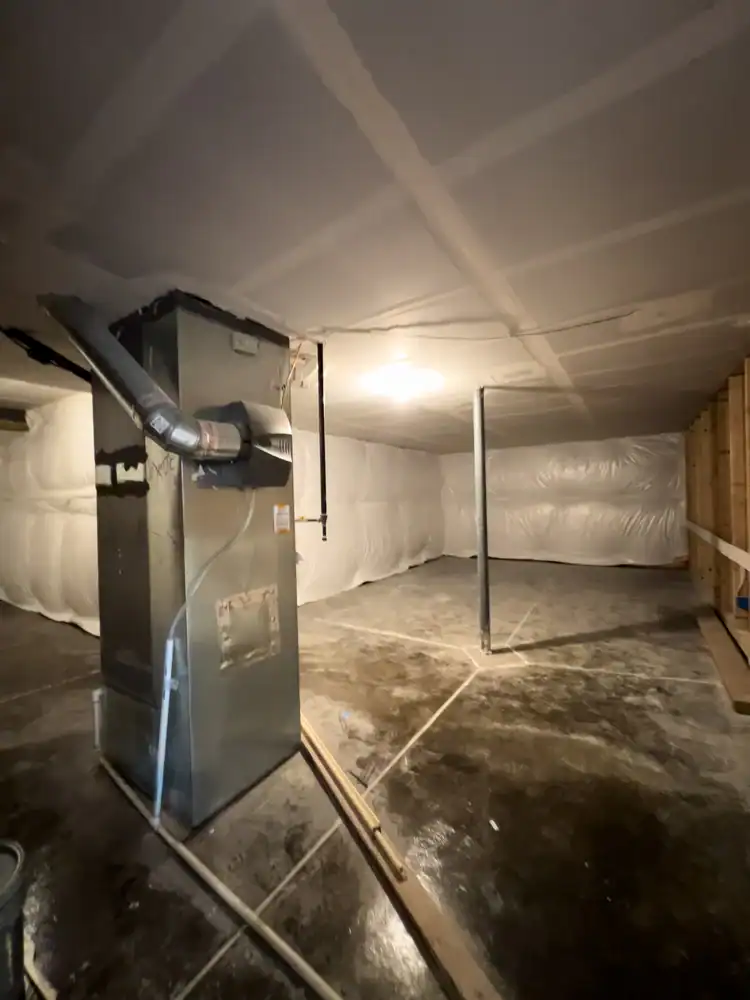
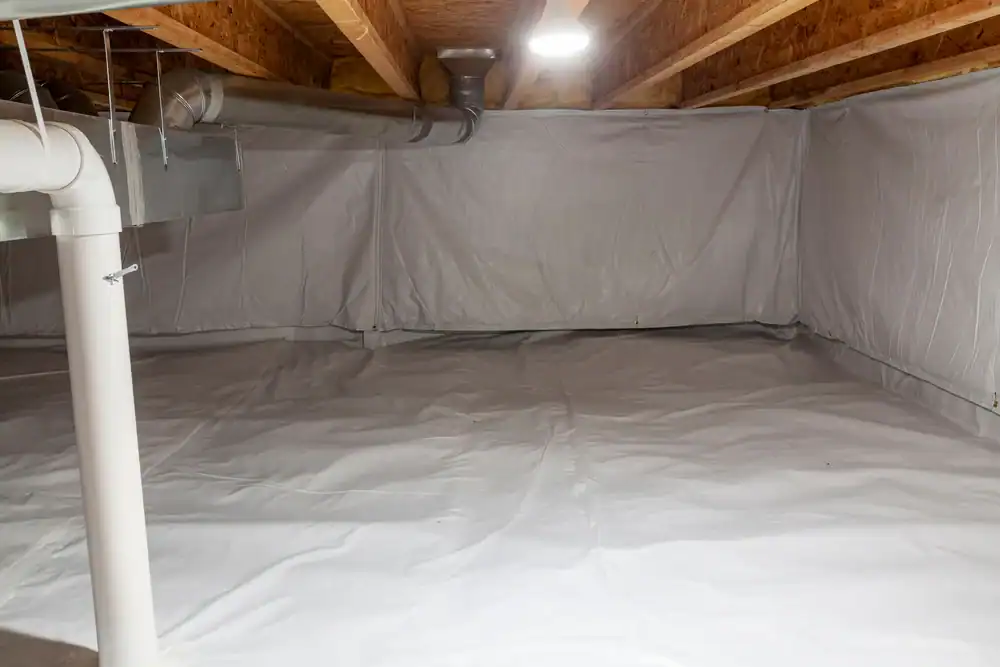
You stop smelling that musty odor creeping through your vents. Your energy bills drop because your HVAC isn’t fighting a losing battle against humid air seeping up through the floor. Winter mornings feel different when your feet hit warm floors instead of cold ones.
North Hyde Park’s humidity doesn’t take summers off. When warm, moisture-heavy air hits your cooler crawl space, it condenses on every surface down there. That’s when mold starts growing on floor joists, insulation sags and fails, and wood begins to rot from the inside out.
Crawl space encapsulation stops that cycle. A proper vapor barrier installation seals out ground moisture. Dehumidifier installation keeps relative humidity below 60% year-round. Crawl space insulation on the walls—not between your floor joists—keeps temperatures stable and your HVAC system from working overtime.
Most homeowners in North Hyde Park see energy savings around 15-20% annually. For a typical home spending $2,000 yearly on heating and cooling, that’s $300-$400 staying in your account every year. Over 20 years, you’re looking at real money—and that’s before you factor in avoided repairs from wood rot or mold remediation.
We focus on one thing: making the air in your home healthier by fixing what’s happening underneath it. We’ve worked in enough North Hyde Park crawl spaces to know exactly what this climate does to homes with vented foundations.
North Carolina’s humid subtropical weather creates specific problems. You’re dealing with 70%+ humidity most summers, temperature swings that cause constant condensation cycles, and enough rainfall to keep ground moisture high year-round. We don’t use the same approach here that works in drier climates—because it won’t hold up.
Every crawl space encapsulation we do in North Hyde Park starts with understanding what’s actually happening below your home. Then we fix it correctly, using materials designed for this environment and installation methods that last.
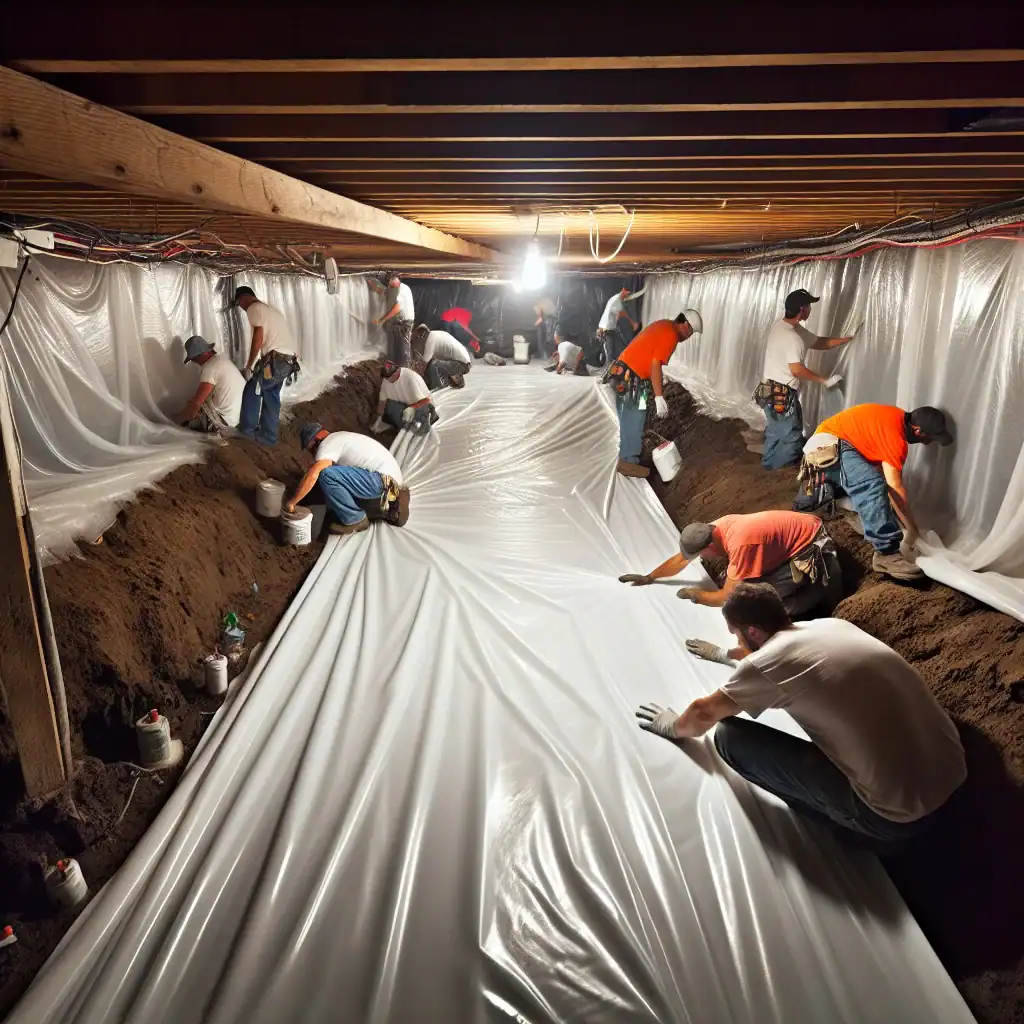
First, we inspect your crawl space to identify moisture sources, existing damage, and ventilation issues. You get a clear assessment of what needs fixing and why—no upselling, just facts about your specific situation.
Next comes crawl space cleaning. We remove debris, old insulation that’s absorbed moisture, and anything else that doesn’t belong down there. If there’s standing water, we address drainage before moving forward. If mold is present, we treat it properly.
Then we install the vapor barrier—a thick, durable liner that covers your crawl space floor and gets sealed to your foundation walls. This blocks moisture rising from the ground. We seal foundation vents to stop outside air from entering. We insulate your crawl space walls, not your floor, because keeping the space inside your home’s thermal envelope is what actually works.
Finally, we install a dehumidifier sized for your space. This keeps humidity levels controlled regardless of what’s happening outside. You end up with a dry, conditioned crawl space that protects your home instead of damaging it.
The whole process typically takes 1-3 days depending on your crawl space size and condition. You’ll notice the difference in air quality within weeks.

Ready to get started?
Every crawl space encapsulation includes a heavy-duty vapor barrier that covers 100% of your crawl space floor and attaches to foundation walls. We’re talking about thick, puncture-resistant material—not the thin plastic that rips when you look at it wrong.
You get all foundation vents sealed permanently. Open vents made sense decades ago, but building science has proven they cause more problems than they solve in North Carolina’s climate. Sealing them keeps humid outside air where it belongs.
Crawl space insulation goes on your foundation walls using rigid foam boards or spray foam, depending on your space. This keeps your crawl space inside your home’s conditioned envelope, which is how you get those energy savings and warmer floors.
Dehumidifier installation is part of the package. We size the unit correctly for your square footage and set it to maintain optimal humidity levels automatically. Most homeowners in North Hyde Park never think about it again—it just runs quietly and keeps moisture in check.
If your crawl space has drainage issues, we address those first. Sometimes that means installing a sump pump, sometimes it’s regrading outside, sometimes it’s fixing gutters that dump water next to your foundation. We handle whatever your specific situation requires to keep water out permanently.
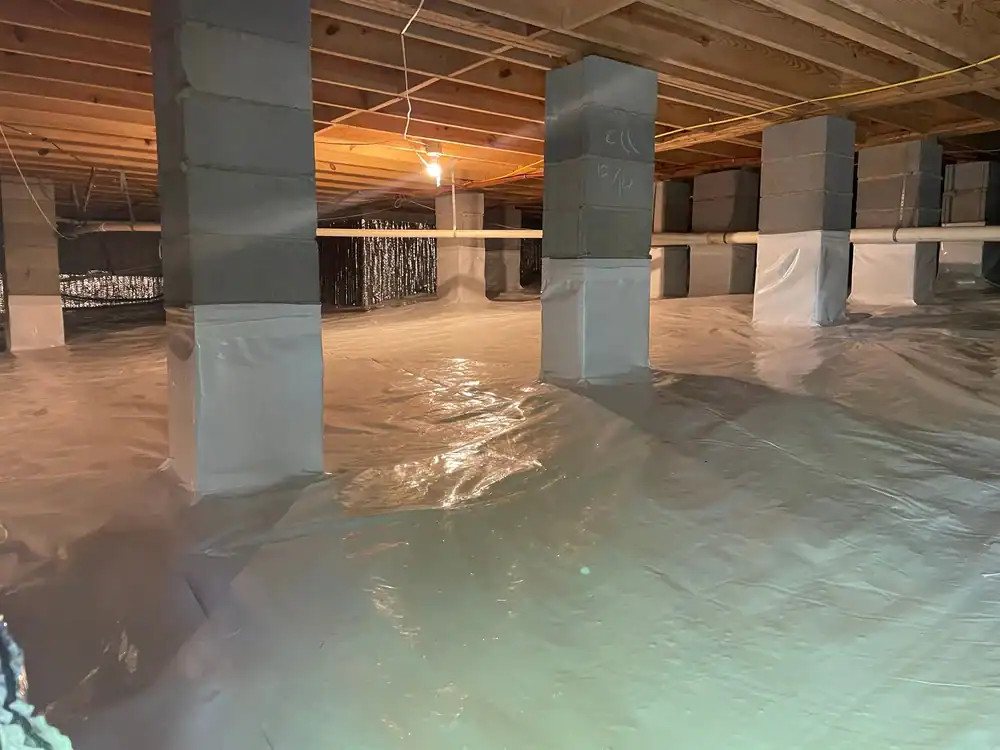
Most crawl space encapsulation projects in North Hyde Park run between $3,500 and $15,000 depending on your crawl space size, current condition, and what needs fixing. A typical 1,500 square foot crawl space usually falls in the $5,000-$8,000 range for complete encapsulation including vapor barrier installation, insulation, vent sealing, and a dehumidifier.
That breaks down to roughly $200-$400 per year over a 20-year lifespan. When you’re saving $300-$400 annually on energy costs alone, the investment pays for itself before you factor in avoided repairs from wood rot, mold remediation, or structural damage.
Cheaper options exist, but they usually skip critical steps like proper dehumidifier installation or use thin vapor barriers that fail within a few years. You end up paying twice—once for the inadequate job, then again to fix it correctly.
Yes. Field studies in North Carolina consistently show 15-20% reductions in heating and cooling costs after proper crawl space encapsulation. That’s because you’re no longer conditioning humid air that’s constantly entering your home from below.
In summer, your AC works harder when warm, moist crawl space air rises into your living space. In winter, cold air from an uninsulated crawl space makes your floors freezing and your furnace runs constantly trying to compensate. Encapsulation stops both problems.
The energy savings are higher in North Hyde Park than in drier climates because our humidity levels stay elevated most of the year. Your HVAC system isn’t just cooling or heating air—it’s removing moisture. When you eliminate the moisture source underneath your home, your system runs less frequently and more efficiently. Most homeowners notice the difference in their first full month after installation.
Mold needs three things to grow: moisture, organic material, and temperatures above 60°F. Your crawl space has wooden floor joists (organic material) and stays warm enough year-round. The only variable you can control is moisture—and that’s exactly what encapsulation eliminates.
When relative humidity stays below 60%, mold can’t grow. A proper vapor barrier blocks ground moisture from evaporating into your crawl space. Sealing foundation vents stops humid outside air from entering. A correctly sized dehumidifier maintains safe humidity levels regardless of weather conditions outside.
Here’s why it matters for your indoor air quality: roughly 40% of the air you breathe inside your home originates in your crawl space. It rises through gaps around pipes, ductwork, and floor penetrations—carrying whatever’s down there with it. When your crawl space grows mold, you’re breathing those spores upstairs. When it stays dry and clean, you’re breathing cleaner air. Families with asthma or allergies often notice the difference within weeks of encapsulation.
A vapor barrier is one component of encapsulation—but it’s not the complete solution. Just laying plastic on your crawl space floor helps block ground moisture, but it doesn’t address humid air entering through vents, temperature differences that cause condensation, or ongoing moisture management.
Complete crawl space encapsulation includes vapor barrier installation covering the entire floor and sealed to walls, permanent sealing of all foundation vents, insulation installed on crawl space walls instead of between floor joists, and a dehumidifier to actively control humidity levels year-round.
Think of it this way: a vapor barrier alone is like putting a tarp over a leaky boat. It helps, but water’s still coming in from other places. Full encapsulation actually plugs the holes and keeps you dry. In North Hyde Park’s climate, partial solutions fail because our humidity levels stay high enough to cause problems even when ground moisture is blocked. You need the complete system working together to get lasting results.
A properly installed crawl space encapsulation system lasts 20+ years with minimal maintenance. The vapor barrier itself—when it’s heavy-duty material installed correctly—can last decades. The dehumidifier is the only component that typically needs replacement, usually after 10-15 years of continuous operation.
Annual maintenance is simple: check your dehumidifier once or twice a year to make sure it’s running properly, empty the condensate pump if needed (though most are plumbed to drain automatically), and do a quick visual inspection for any obvious issues. That’s it.
The longevity depends heavily on installation quality. Thin vapor barriers tear easily and fail within 5-7 years. Improperly sealed seams let moisture through. Undersized dehumidifiers run constantly and burn out early. When the job’s done right from the start using commercial-grade materials, you’re looking at a solution that protects your home for decades—not something you’ll be replacing in a few years.
Yes, though the value increase shows up in multiple ways. First, you’re preventing structural damage that would decrease your home’s value—wood rot, sagging floors, and mold issues all hurt resale prices and scare off buyers. Encapsulation eliminates those risks before they become expensive problems.
Second, buyers and home inspectors increasingly recognize encapsulated crawl spaces as a valuable upgrade. It signals that the home has been maintained properly and won’t have hidden moisture issues. In competitive markets, it can be the difference between your home and another similar property.
Third, the energy efficiency improvements are quantifiable. When you can show a buyer that your home costs 15-20% less to heat and cool annually, that’s a concrete financial benefit they can calculate into their ownership costs. Appraisers and lenders also view moisture control and energy efficiency upgrades favorably. While you might not recoup 100% of your encapsulation cost at resale, you’ll avoid losing value to moisture damage and you’ll make your home more attractive to informed buyers who understand what they’re getting.