

Contact Info
- Greensboro, NC 27406
- Call: 336-707-0498
- Text: 336-707-0498
-
Mon - Fri: 8am - 4pm
Sat - Sun: Closed
Contact Info
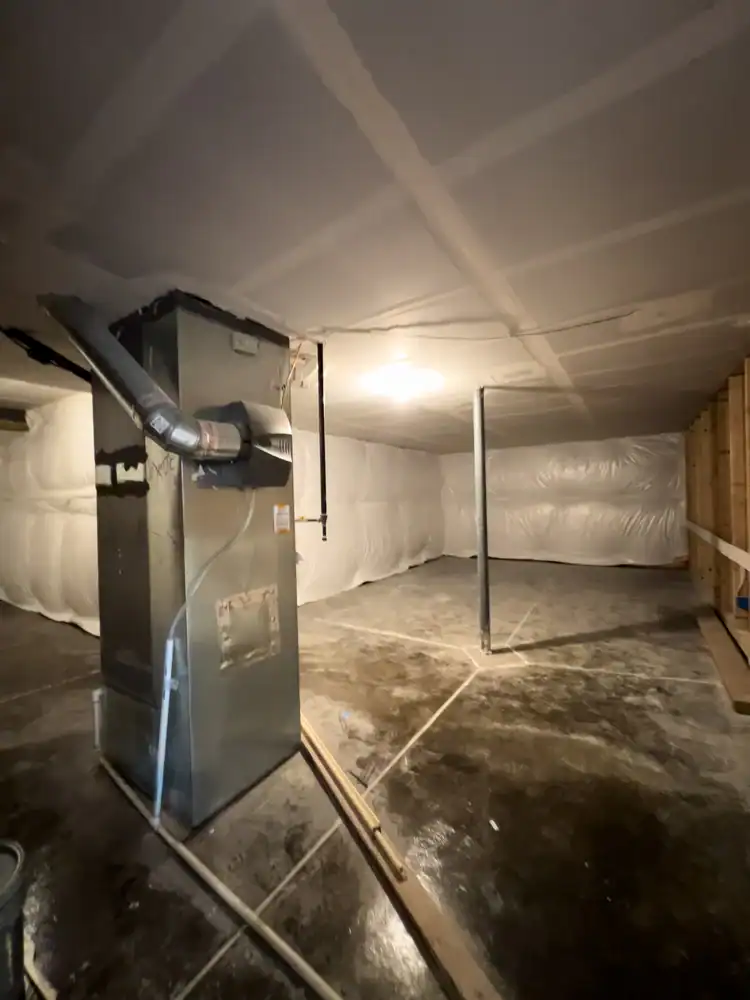
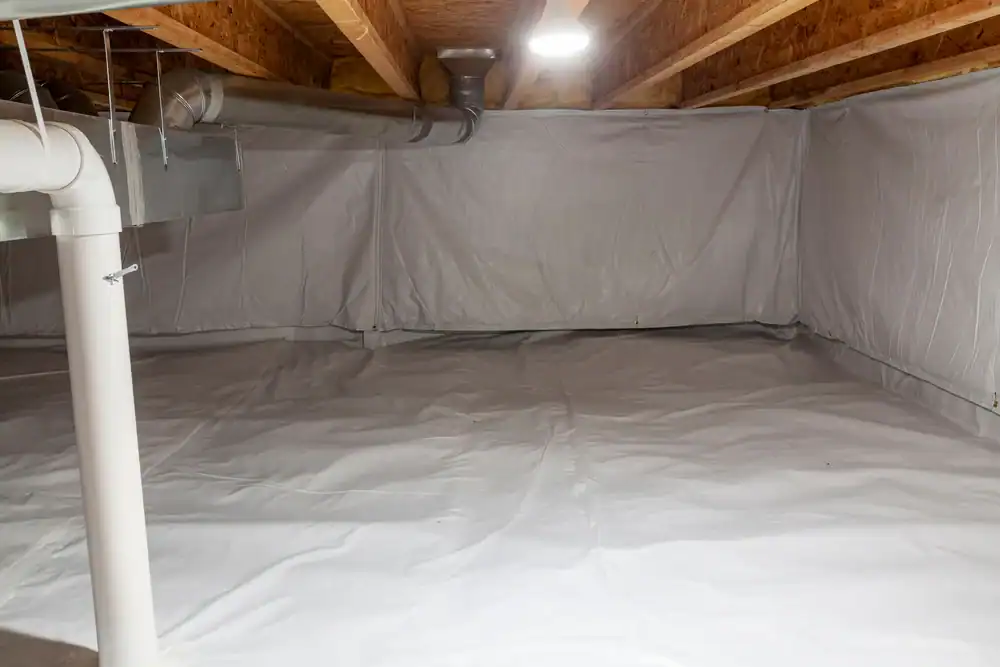
You stop worrying about what’s happening under your floors. The musty smell that drifts up through your vents disappears. Your floors feel warmer in winter because conditioned air isn’t leaking into a damp void.
Your energy bills drop because your HVAC system isn’t fighting against humid air seeping up from below. Field studies across North Carolina show 15-20% annual savings on heating and cooling—that’s $300 to $400 staying in your account every year if you’re running a typical 2,000-square-foot home.
Mold stops growing. Wood stops rotting. Pests lose interest because the environment they need to thrive is gone. You’re not just patching a problem—you’re eliminating the conditions that created it in the first place.
We’ve been working in Pleasant Garden and across Guilford County for over 30 years. We’ve seen what North Carolina’s humid summers do to crawl spaces—the mold, the buckled floors, the HVAC systems that can’t keep up.
We’re BBB accredited and listed with NADCA, the national association that sets standards for air quality work. That’s not about badges on a website—it’s about doing the work right so you don’t call us back in two years with the same problem.
Pleasant Garden sits in the Piedmont, where humidity regularly pushes past 70% in summer. Your crawl space becomes a moisture trap unless it’s sealed properly. We’ve handled hundreds of encapsulation jobs in this area, and we know exactly what works in this climate.
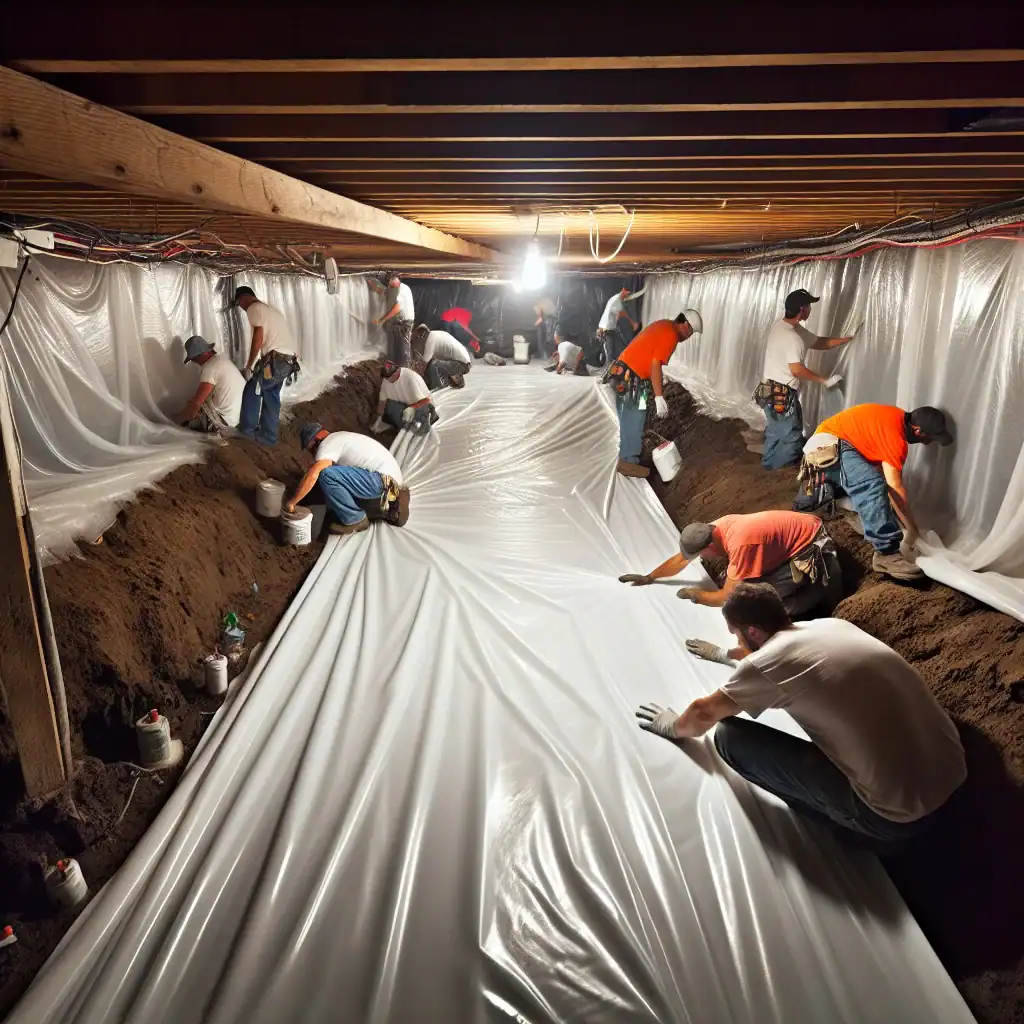
We start with a free consultation where we actually go into your crawl space and assess what’s happening. We’re looking for standing water, mold growth, damaged insulation, and structural issues. You get a clear explanation of what needs to happen and why.
Next comes prep work. We remove debris, old insulation, and anything that’s moldy or rotting. If there’s a drainage issue, we address it before sealing anything—trapping water inside a vapor barrier just creates a different problem.
Then we install a heavy-duty vapor barrier across the floor and up the walls. This isn’t the thin plastic you’d buy at a hardware store—it’s thick, reinforced material designed to block moisture from the soil. We seal every seam and penetration so humid air can’t sneak through.
Finally, we install a dehumidifier if your crawl space needs active moisture control. In Pleasant Garden’s climate, most homes benefit from this. The dehumidifier keeps relative humidity below 60%, which is the threshold where mold starts growing and wood starts deteriorating.

Ready to get started?
Vapor barrier installation covers your entire crawl space floor and extends up the foundation walls. We’re creating a continuous seal between your home and the damp soil underneath. Every seam gets taped, every corner gets sealed.
Dehumidifier installation gives you active control over humidity levels year-round. North Carolina’s summer humidity doesn’t quit, and a passive barrier alone won’t always keep moisture below safe levels. The dehumidifier runs automatically and drains on its own—you don’t have to empty buckets.
Crawl space insulation gets handled if your rim joists need it. We’re not talking about fiberglass batts that sag and trap moisture. We use closed-cell foam or rigid board that won’t absorb water and won’t become a home for mold.
Crawl space cleaning happens before anything else. You can’t seal over mold and rotting debris and expect good results. We remove contaminated materials, treat mold if it’s present, and make sure you’re starting with a clean foundation.
Pleasant Garden homeowners deal with red clay soil that holds moisture like a sponge. When that moisture evaporates, it rises straight into your crawl space unless you’ve sealed it out. That’s why moisture control isn’t optional here—it’s the difference between a system that works and one that fails in three years.
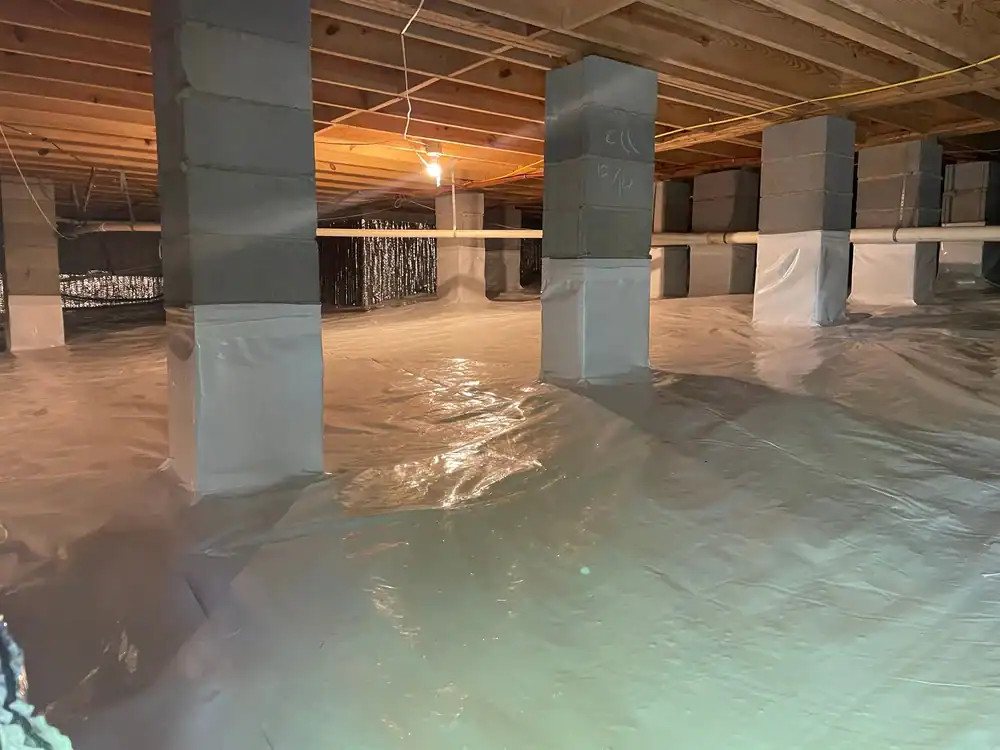
Most crawl space encapsulation projects in Pleasant Garden run between $5,000 and $15,000. The range depends on your square footage, how much prep work is needed, and whether you need drainage improvements or mold remediation before we can seal anything.
A straightforward job on a 1,200-square-foot crawl space with no major issues typically falls in the $6,000 to $8,000 range. If we’re dealing with standing water, significant mold growth, or structural repairs, costs go up because we’re solving those problems before encapsulation happens.
The investment pays back through lower energy bills—15-20% savings annually adds up fast. You’re also avoiding future costs like floor repairs, HVAC replacements, and mold remediation that would cost more than encapsulation itself. We give you a clear quote after the free consultation so you know exactly what you’re paying for.
Yes, and the savings are measurable. Studies done across North Carolina show annual heating and cooling cost reductions of 15-20% after crawl space encapsulation. For a home spending $2,000 per year on HVAC, that’s $300 to $400 back in your pocket every year.
Here’s why it works: up to 50% of the air in your living space comes from your crawl space through a process called the stack effect. If that air is humid, your HVAC system works harder to cool it in summer and heat it in winter. Humid air requires more energy to condition than dry air.
When you seal the crawl space and control moisture, you’re giving your HVAC system dry air to work with. The system runs less, cycles more efficiently, and doesn’t strain as hard. You’ll notice the difference in your first summer after encapsulation—your AC won’t run constantly during July and August like it used to.
Mold needs three things to grow: moisture, organic material, and temperatures above 40 degrees. Your crawl space has wood framing and stays warm year-round, so the only variable you can control is moisture. Keep relative humidity below 60%, and mold can’t establish itself.
The vapor barrier blocks moisture from evaporating out of the soil and into your crawl space. That eliminates the primary source of humidity. The dehumidifier handles any moisture that enters through vents or small gaps, keeping the air dry even during Pleasant Garden’s humid summers.
Without moisture, mold spores can land on your floor joists all they want—they won’t grow. This also means you’re not breathing mold spores that drift up into your living space. Families with asthma and allergies often notice they’re breathing easier within weeks of encapsulation because the air quality in the whole house improves.
A basic vapor barrier is just plastic sheeting laid across the crawl space floor. It might be taped at the seams, or it might not be. It doesn’t extend up the walls, and it’s usually thin material that tears easily. This approach blocks some ground moisture but leaves gaps where humid air still enters.
Full crawl space encapsulation means we’re covering the floor and running the barrier up the foundation walls, sealing it to create a continuous moisture barrier. We’re taping every seam with contractor-grade tape, sealing around piers and penetrations, and installing a dehumidifier to control any humidity that does get in.
Encapsulation also typically includes sealing crawl space vents so you’re not pulling in humid outdoor air. The old idea was that vents help dry out crawl spaces, but research proved that wrong—vents actually introduce more moisture in humid climates like ours. Full encapsulation treats your crawl space as conditioned space, which is how building science says it should be done.
A properly installed encapsulation system lasts 15 to 20 years, and the dehumidifier typically runs 10 to 15 years before needing replacement. The vapor barrier itself doesn’t degrade if it’s quality material installed correctly—it just sits there blocking moisture year after year.
The key is proper installation. If seams aren’t taped, if the barrier doesn’t extend up the walls, or if the dehumidifier isn’t sized correctly for your space, you’ll have problems sooner. We use reinforced barriers that resist tears and punctures, and we seal everything so the system works as designed.
You’re not looking at ongoing maintenance beyond checking the dehumidifier once or twice a year to make sure it’s draining properly. Some homeowners never go back into their crawl space after encapsulation—it just works quietly in the background, keeping moisture out and energy costs down for decades.
Yes, and it’s actually one of the benefits people don’t think about until after the work is done. Once your crawl space is sealed and dry, it becomes usable storage space. The heavy-duty vapor barrier creates a clean, bright surface that’s easy to move around on.
You’ll want to store items that can handle the temperature swings—holiday decorations, camping gear, seasonal items. We don’t recommend storing anything that’s sensitive to heat or cold since crawl spaces aren’t climate-controlled like your living space.
The dry environment means you’re not risking mold or moisture damage to whatever you store down there. Contrast that with an unsealed crawl space where cardboard boxes turn to mush and anything fabric gets musty within months. Encapsulation turns wasted space into functional square footage you can actually use.