

Contact Info
- Greensboro, NC 27406
- Call: 336-707-0498
- Text: 336-707-0498
-
Mon - Fri: 8am - 4pm
Sat - Sun: Closed
Contact Info
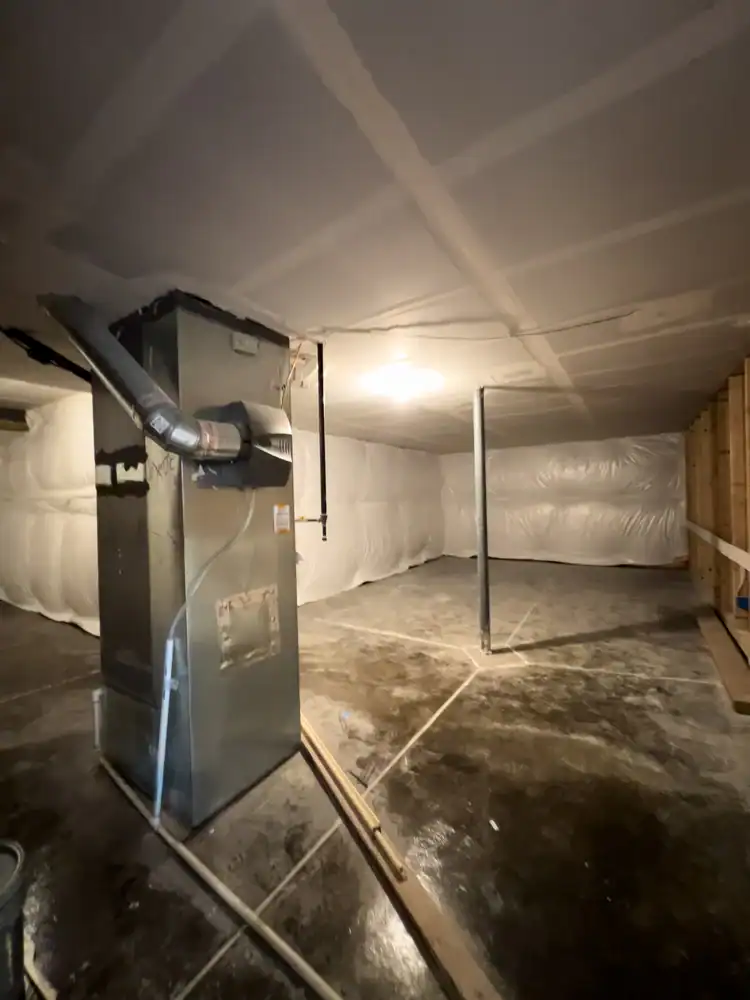
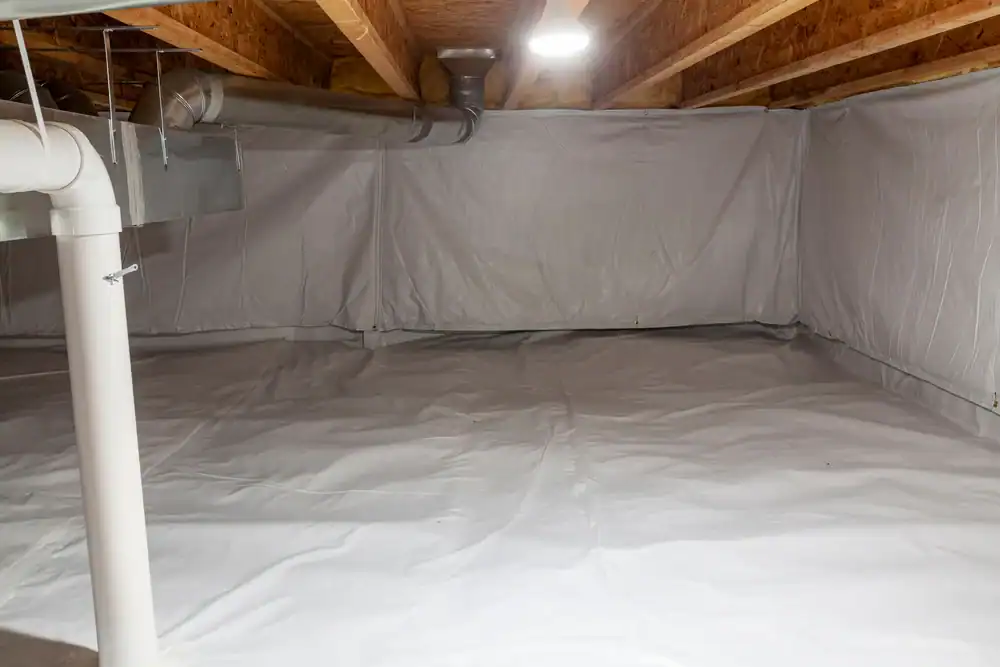
Your floors feel warmer in winter. That musty smell disappears. Your HVAC system stops working overtime just to keep up.
When moisture gets sealed out of your crawl space, you’re not just fixing one problem. You’re cutting energy waste, stopping mold before it spreads into your living space, and protecting the wooden beams that hold up your home. In Sedge-Town’s humid climate, an unsealed crawl space is working against you every single day.
The difference shows up fast. Most homeowners notice lower utility bills within the first month. The air inside feels cleaner. You stop worrying about what’s happening underneath your feet. And if you ever sell, buyers see a sealed crawl space as a major plus – not a project they’ll have to tackle later.
We’ve spent over a decade fixing crawl space problems across North Carolina. We’re not a national franchise following a script – we’re a local company that understands exactly what Sedge-Town’s climate does to homes.
Rick Watson runs our operation. He’s the one who’ll walk your crawl space, explain what’s happening, and tell you what actually needs to be done. No upselling. No pressure. Just straight answers from someone who’s seen hundreds of crawl spaces and knows the difference between a quick fix and a real solution.
We’re BBB accredited with an A+ rating because we show up, do the work right, and back it with a lifetime warranty. That’s it.
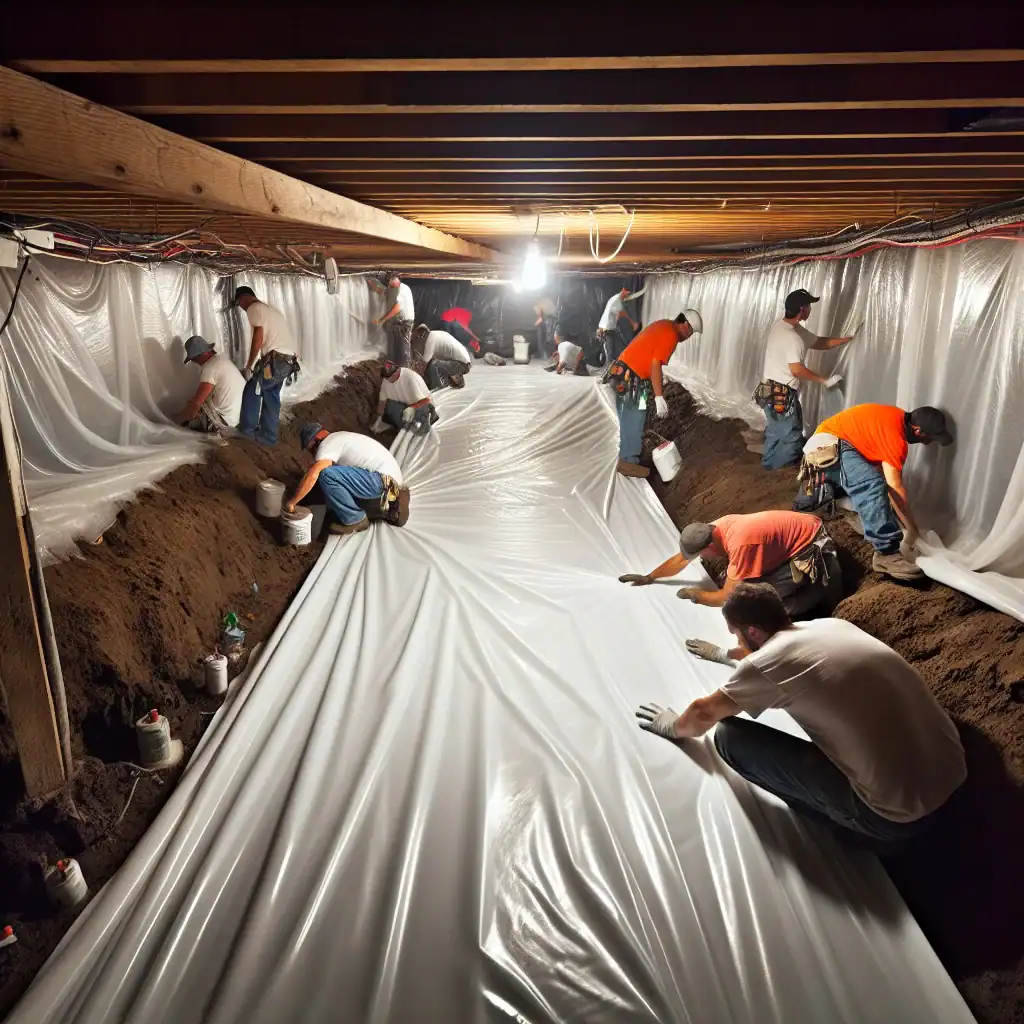
First, we inspect your crawl space to assess moisture levels, existing damage, and what’s causing the problem. You get a free consultation and a clear quote – no surprises later.
Next comes crawl space cleaning. We remove debris, old insulation, and anything that shouldn’t be down there. If there’s mold, we address it before sealing anything up. You can’t encapsulate over a problem and expect it to disappear.
Then we install a heavy-duty 20-mil vapor barrier across the entire crawl space floor and up the foundation walls. This isn’t the thin plastic you see at hardware stores – it’s commercial-grade material designed to stop ground moisture completely. We seal every seam and penetration point.
After the vapor barrier installation, we add a dehumidifier sized specifically for your space. This pulls out any remaining moisture and keeps humidity levels where they need to be year-round. Finally, we insulate if needed and seal any vents to create a controlled environment that protects your home instead of threatening it.
The whole process typically takes one to three days depending on your crawl space size and condition.

Ready to get started?
Every crawl space encapsulation we do includes a full inspection, complete crawl space cleaning, professional-grade vapor barrier installation, and a properly sized dehumidifier with drainage setup. We seal foundation vents, insulate rim joists when needed, and handle every detail that keeps moisture out for good.
In Sedge-Town, where humidity regularly pushes past 70% during summer months, the dehumidifier isn’t optional – it’s essential. We install units that run continuously and drain automatically so you never have to empty a bucket or worry about whether it’s working.
You also get our lifetime warranty on the encapsulation system. If something fails because of our work or materials, we fix it. The warranty transfers if you sell, which makes your home more attractive to buyers who understand what a sealed crawl space means.
We’re dealing with North Carolina’s specific challenges here – clay soil that holds water, temperature swings that create condensation, and humidity that never really goes away. The system we install accounts for all of it.
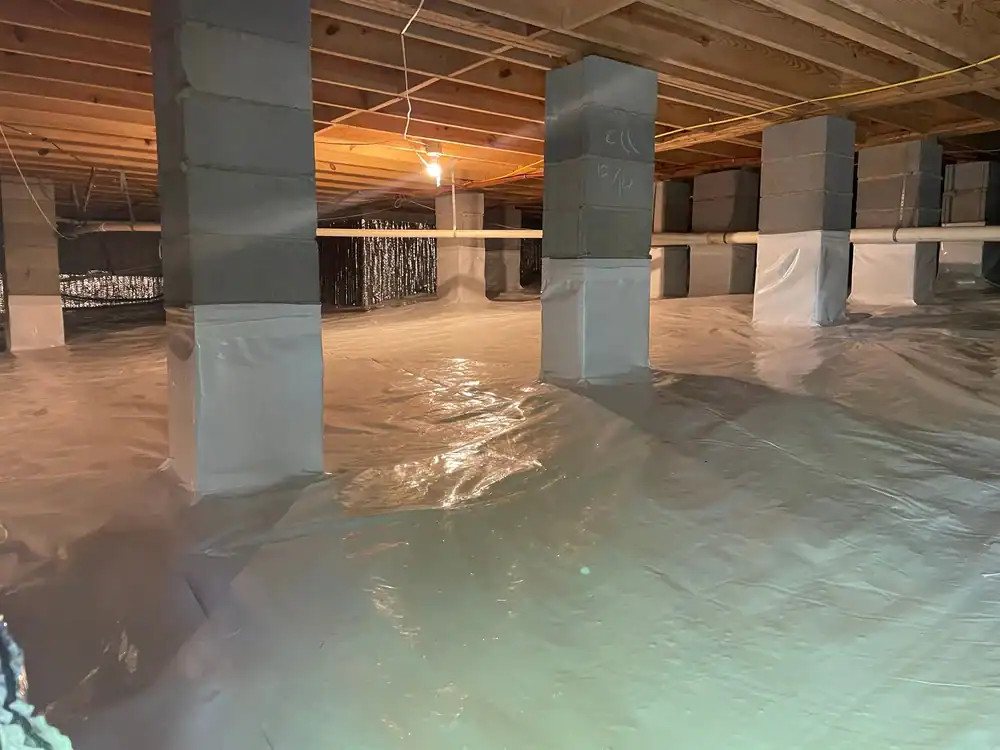
Most crawl space encapsulation projects in Sedge-Town run between $5,000 and $15,000. The range depends on your crawl space size, current condition, and what needs to happen before we can seal it.
A 1,200 square foot crawl space in decent shape might cost $6,000 to $8,000. If we’re dealing with standing water, significant mold, or structural repairs, you’re looking at the higher end. We give you an exact quote after the inspection so there’s no guessing.
That investment typically pays you back through lower energy bills – most homeowners save $300 to $400 per year on heating and cooling. Over ten years, that’s real money. Plus you’re avoiding the cost of foundation repairs, floor replacements, and mold remediation that happen when moisture goes unchecked.
Most jobs take one to three days from start to finish. A straightforward encapsulation on a clean, dry crawl space might be done in a day. If we need to remove old insulation, treat mold, or address drainage issues first, plan on two to three days.
We’re not rushing through it. The vapor barrier has to be installed correctly with every seam sealed and every corner addressed. The dehumidifier needs proper setup with drainage that actually works. Cutting corners to finish faster just means you’ll have problems later.
You can stay in your home the entire time. We’re working in the crawl space, not tearing apart your living areas. There’s some noise, but it’s not disruptive. Once we’re done, you won’t see any evidence we were there except for the dehumidifier access point.
Yes, and here’s why. Up to 40% of the air in your home comes from your crawl space. When that space is full of humid summer air or freezing winter air, your HVAC system has to work constantly to compensate.
Sealing the crawl space stops that air exchange. Your heating and cooling systems condition the air once instead of fighting a constant influx of outside air from below. Most homeowners see a 15-20% reduction in energy costs – that’s $300 to $400 annually for a typical 2,000 square foot home in Sedge-Town.
You’ll notice the difference beyond just the bill. Floors feel warmer in winter. The house holds temperature better. Your system doesn’t run as often. Those are the real-world signs that you’re not hemorrhaging conditioned air anymore.
In Sedge-Town, absolutely. The vapor barrier stops ground moisture from coming up through the soil, but it doesn’t address humidity that’s already in the crawl space or that enters through foundation walls.
North Carolina’s climate means outdoor humidity regularly exceeds 70%. Even with a sealed crawl space, you need active moisture removal to keep humidity below 60% – the level where mold growth stops. A properly sized dehumidifier handles that automatically.
Without the dehumidifier, you’ve solved half the problem. The vapor barrier helps, but moisture will still accumulate, especially during summer months. We size the unit based on your specific crawl space volume and install it with automatic drainage so it runs without any maintenance from you.
We address it before encapsulation. You can’t seal mold into your crawl space and expect good results – it’ll keep growing and spreading spores into your home’s air supply.
Our process starts with mold remediation if needed. We remove contaminated materials, treat affected surfaces, and make sure the space is clean before any vapor barrier goes down. This isn’t an upsell – it’s necessary to actually solve the problem instead of covering it up.
Once the mold is gone and we’ve sealed the crawl space with proper moisture control, it won’t come back. Mold needs moisture to grow. When you eliminate the moisture source and keep humidity below 60% with a dehumidifier, you’ve removed the conditions mold requires. That’s why encapsulation works as mold prevention long-term.
You’ll usually notice signs before it becomes a major problem. Musty odors coming through your floors, higher energy bills without explanation, or visible moisture and condensation in the crawl space all point to moisture issues that encapsulation fixes.
Other signs include sagging floors, increased allergy symptoms indoors, or pest problems like termites and roaches that thrive in damp environments. If your crawl space has standing water, wet insulation, or visible mold growth, you’re past the early warning stage.
The best way to know for sure is a professional inspection. We’ll measure humidity levels, check for structural damage, and assess whether you’re dealing with a minor moisture issue or something that’s already affecting your home’s integrity. The inspection and quote are free, and you’ll get straight answers about what’s actually needed.