
Contact Info
- Greensboro, NC 27406
- Call: 336-707-0498
- Text: 336-707-0498
-
Mon - Fri: 8am - 4pm
Sat - Sun: Closed
Contact Info
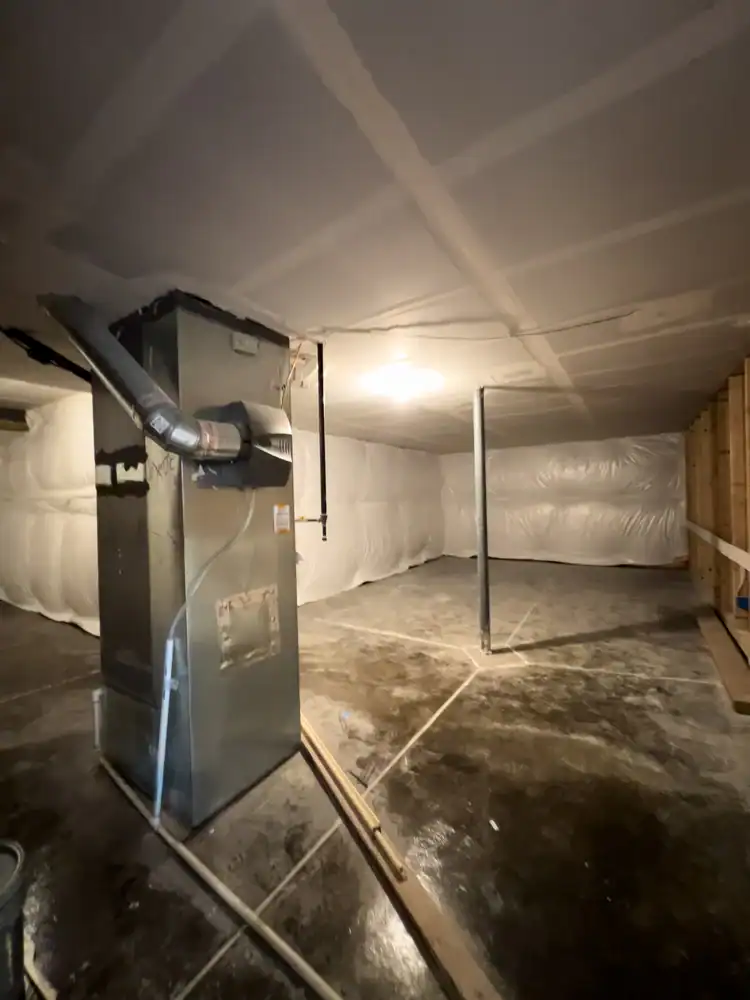
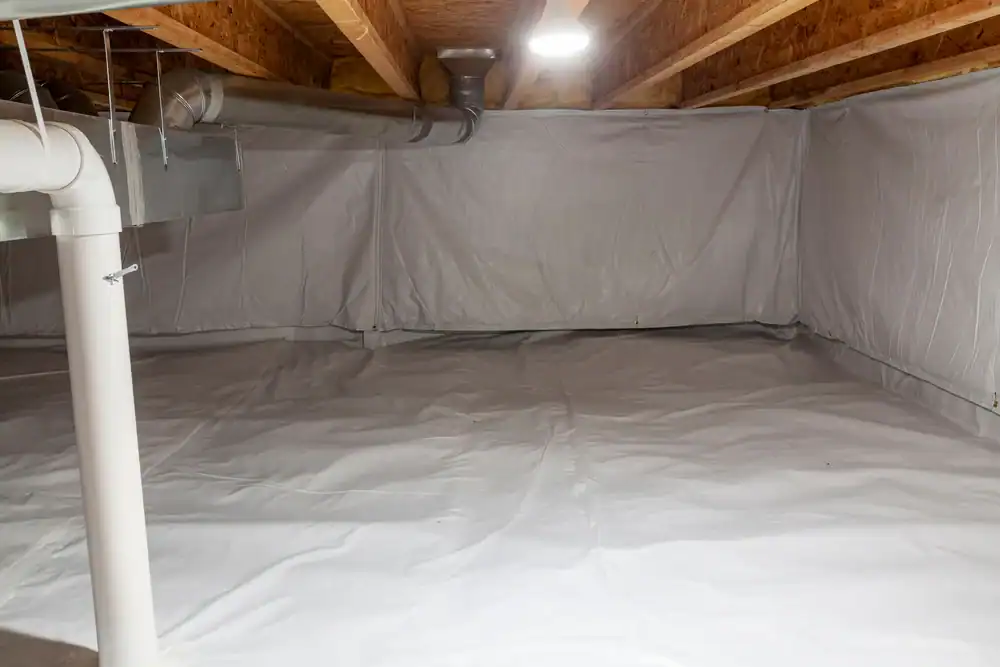
You stop smelling that musty odor coming through the vents. Your floors feel warmer in winter because cold air isn’t leaking up through the foundation. Your HVAC system runs less because it’s not fighting against humidity pouring in from below.
The air in your home gets cleaner. Mold spores, dust mites, and whatever else was breeding down there stops circulating through your living space. If anyone in your house has been dealing with unexplained breathing issues or allergies, this is often where it starts.
Your energy bills drop. Homes in Snow Camp that seal their crawl spaces see heating and cooling costs fall by 15 to 20 percent on average. That’s $300 to $400 a year back in your pocket if you’re spending around $2,000 annually on climate control.
And your home’s structure stays intact. Wood rot, sagging floors, cracks in the foundation—those don’t happen overnight, but they do happen when moisture sits under your house year after year. Encapsulation stops that cycle.
We’ve been working in North Carolina since before crawl space encapsulation became the standard it is today. We’re NADCA certified, which means our team has been trained and tested on the right way to handle moisture control, vapor barrier installation, and dehumidifier systems.
Snow Camp sits in one of the most humid parts of the state. You’ve got 82 percent of homes here that are owner-occupied, which means most people aren’t renting—they’re investing in properties they plan to keep. That makes crawl space work even more important, because the damage compounds over time.
We don’t do dryer vents. We focus on what we’re best at: crawl spaces, duct cleaning, and indoor air quality. If your crawl space has mold, standing water, or just smells wrong, we’ve seen it before and we know how to fix it.
We start with an inspection. You’re not getting a quote over the phone—we need to see what’s actually happening under your house. We check for standing water, mold growth, damaged insulation, pest activity, and structural issues like wood rot or foundation cracks.
Then we clean it out. If there’s debris, old insulation, or contamination, it gets removed before we seal anything. You don’t want to trap problems inside.
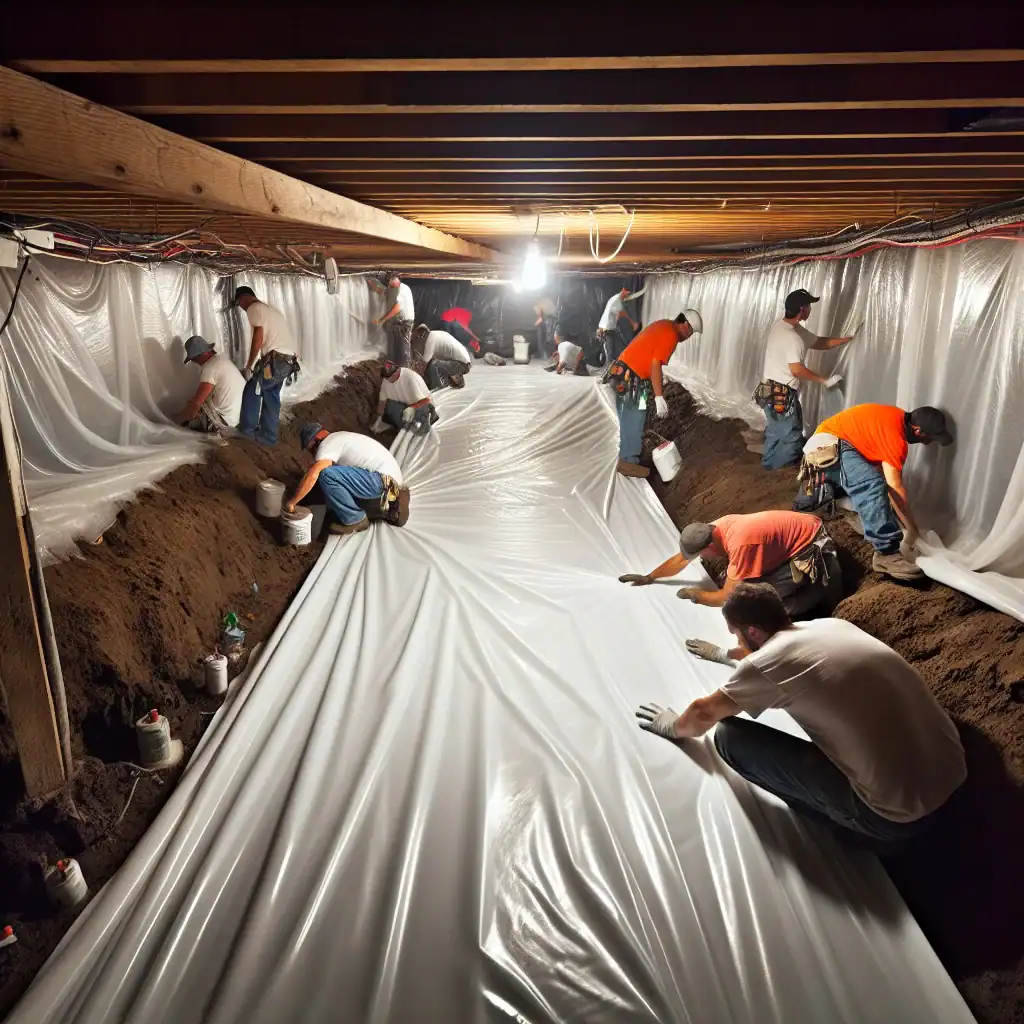
Next comes the vapor barrier installation. We lay down a heavy-duty liner across the floor and up the walls, sealing every seam and corner. This blocks moisture from the ground before it can evaporate into your crawl space air.
We seal the vents and any gaps where outside air is getting in. Open vents might seem like they’d help with airflow, but in North Carolina’s climate, they just let in more humidity.
If needed, we install a dehumidifier. Even with a sealed crawl space, you need something managing the humidity that’s already there. A good dehumidifier keeps levels below 60 percent, which is where mold stops growing.
Finally, we test everything and show you what we did. You’ll know exactly what changed and why your crawl space is now a controlled environment instead of a moisture trap.

Ready to get started?
Crawl space encapsulation isn’t just rolling out plastic and calling it done. You’re getting a full moisture control system designed for Snow Camp’s climate, which means high humidity in summer and temperature swings in spring and fall that cause condensation.
The vapor barrier we install is thick, reinforced material with a 25-year warranty against rips and tears. It’s not the thin stuff that punctures the first time someone crawls over it. This liner transfers to the next homeowner if you sell, which makes it a selling point, not just a repair.
We handle crawl space insulation if your rim joists or walls need it. Insulation goes on the walls in an encapsulated space, not between the floor joists like it used to. That keeps your floors warmer and stops the insulation from soaking up moisture and sagging.
Dehumidifier installation is part of the system for most homes here. North Carolina humidity doesn’t take a break, and neither should your moisture control. We size the unit based on your crawl space square footage and set it to drain automatically so you’re not emptying buckets.
You also get sealed vents, which sounds small but makes a huge difference. Those vents were designed for a different era of building science. Closing them off keeps your crawl space dry and your energy bills lower.
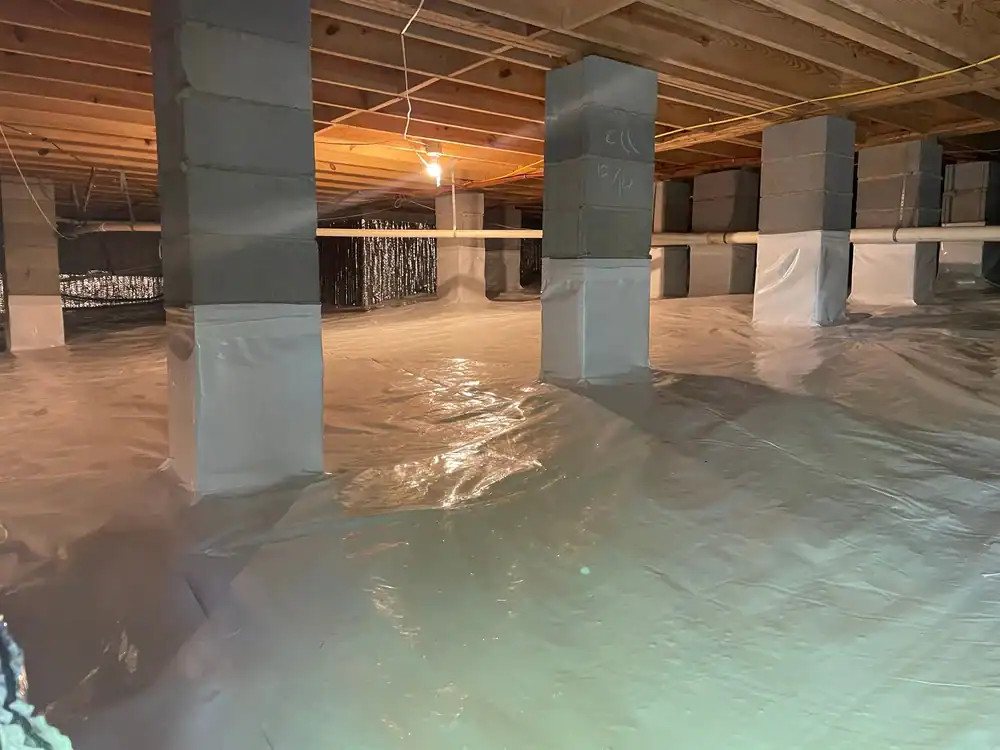
Most homes in Snow Camp fall between $5,000 and $15,000 depending on square footage, the condition of the crawl space, and what needs to be done before we can seal it. If there’s mold, standing water, or structural damage, that gets handled first.
The price includes the vapor barrier, sealing the vents, and usually a dehumidifier. If your crawl space is small and in good shape, you’ll be on the lower end. If it’s large, has drainage issues, or needs mold remediation and insulation work, you’ll be closer to the higher end.
We don’t give quotes over the phone because every crawl space is different. What looks like a simple job can turn into something more once we’re under the house and see what’s actually going on.
Most jobs take one to three days depending on the size of your crawl space and what prep work is needed. If we’re just installing the vapor barrier and sealing vents, that’s usually a one or two-day job.
If we need to remove old insulation, treat mold, or fix drainage issues first, it takes longer. We’re not rushing through it—if the prep work isn’t done right, the encapsulation won’t perform the way it should.
You’ll have access to your home the whole time. We’re working underneath, so you’re not displaced or dealing with a torn-up living space. Most homeowners don’t even notice we’re there except for the equipment outside.
Yes, and the data backs it up. Field studies in North Carolina show that homes with encapsulated crawl spaces save 15 to 20 percent on heating and cooling costs annually. For a 2,000-square-foot home in Snow Camp spending about $2,000 a year on HVAC, that’s $300 to $400 staying in your account.
The reason is simple: your HVAC system isn’t fighting against outdoor air anymore. When your crawl space is open to the outside through vents, humid air in summer and cold air in winter pour in and affect the temperature of your floors and the air rising into your home.
Sealing that off means your heating and cooling systems only have to manage the air inside your envelope, not constantly battle what’s coming from below. The savings show up every month, not just in extreme weather.
Encapsulation stops new mold from growing by controlling the two things mold needs: moisture and organic material. When you seal the crawl space and keep humidity below 60 percent with a dehumidifier, mold can’t grow. It’s not about killing mold—it’s about making the environment wrong for it.
If you already have mold, we treat that before we encapsulate. You don’t seal mold inside. We remove contaminated materials, treat affected areas, and then install the system so it doesn’t come back.
One Snow Camp family we worked with had mold diagnosed under their house within six months of buying their home. Their kids were getting sick, breathing problems that wouldn’t go away. After we encapsulated the crawl space and installed a dehumidifier, the health issues stopped. That was three years ago and they haven’t had a problem since.
A vapor barrier by itself is just the plastic liner on the ground. It blocks moisture from the soil, which helps, but it’s not a complete system. You can still have humidity coming in through vents, condensation forming on cold surfaces, and air leaks around the rim joist.
Full encapsulation means you’re sealing the entire crawl space—floor, walls, vents, and any penetrations. You’re turning it into a controlled environment that’s part of your home’s conditioned space, not an extension of the outdoors.
That’s why encapsulation includes closing the vents, insulating the walls, and adding a dehumidifier. All of those pieces work together to manage moisture, not just block it from one direction. If you only do part of the system, you only get part of the results.
If you’re smelling musty odors in your home, that’s usually the first sign. That smell is mold, mildew, or decaying organic material, and it’s coming up through your floors because up to half the air in your home starts in your crawl space.
Other signs include floors that feel cold in winter, high energy bills that don’t match your usage, visible mold or standing water if you’ve looked under the house, or pest problems like rodents and insects that keep coming back.
In Snow Camp, humidity is high enough that most crawl spaces will develop problems eventually if they’re not sealed. The question isn’t whether moisture will get in—it’s whether you’re going to control it before it damages your home or affects your health. If you’re noticing any of those signs, it’s worth getting an inspection before the damage gets worse.