
Contact Info
- Greensboro, NC 27406
- Call: 336-707-0498
- Text: 336-707-0498
-
Mon - Fri: 8am - 4pm
Sat - Sun: Closed
Contact Info
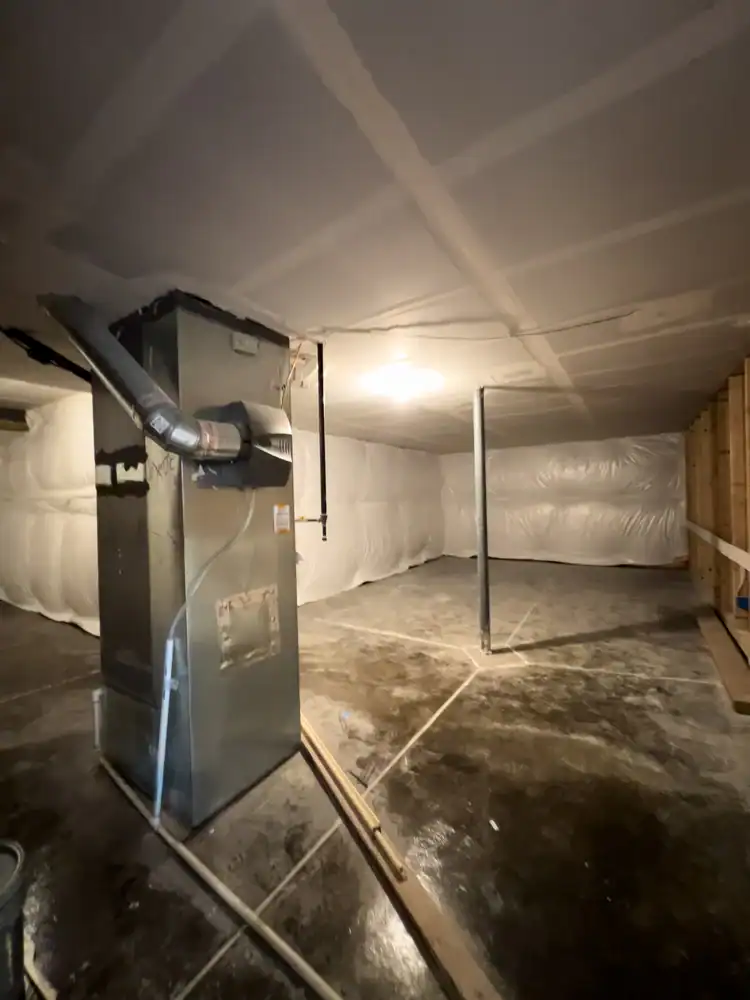
Your crawl space isn’t just empty space under your house. It’s where 50% of the air you breathe upstairs actually comes from. When that space stays damp, you’re pulling musty air, mold spores, and allergens into your living areas every single day.
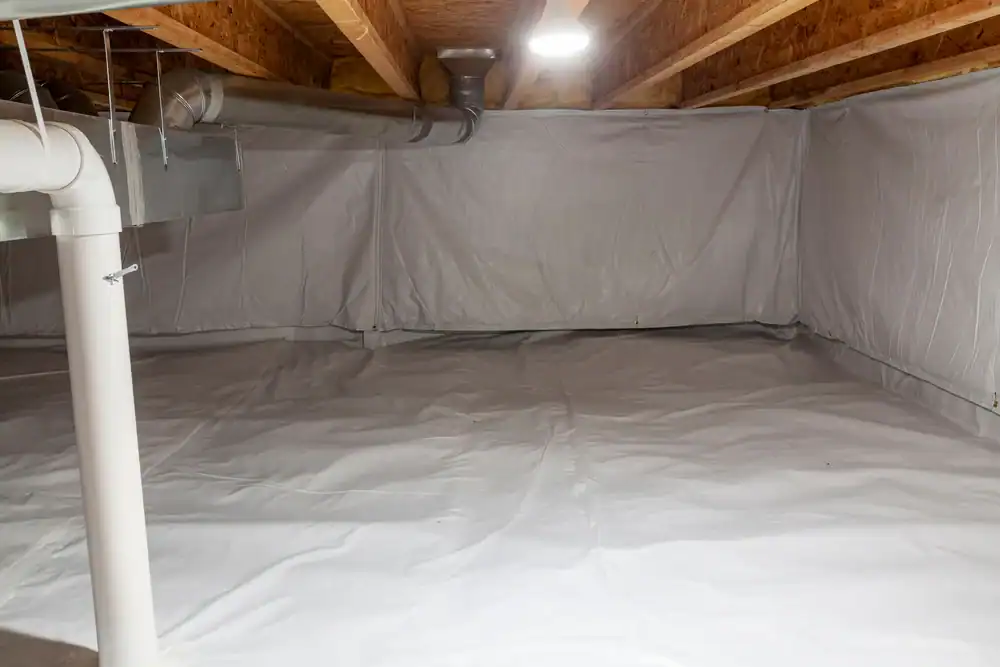
Encapsulation changes that. We seal your crawl space with a heavy-duty vapor barrier, install a commercial-grade dehumidifier, and ensure proper insulation to keep humidity levels below 60%—the threshold where mold starts growing and wood starts rotting.
The result? Your floors stay solid. Your energy bills drop because your HVAC isn’t fighting against drafts and moisture. Your family breathes cleaner air. And you stop worrying about what’s happening underneath your home.
This isn’t about making your crawl space look nice. It’s about eliminating the conditions that cause expensive structural damage and health problems down the road.
We’ve spent over a decade helping North Carolina homeowners deal with crawl space moisture. We’re BBB accredited with an A+ rating, and we’ve seen every version of this problem—from minor humidity issues to full-blown structural rot.
Stewarts Mill homes sit on larger, wooded lots where moisture doesn’t just show up during summer. It’s a year-round issue because of how vegetation and topography trap humidity around your foundation. We account for that when we design your encapsulation system.
Rick Watson runs our company, and he’s the person you’ll talk to about your crawl space. No sales reps. No runaround. Just someone who knows what works and what doesn’t after 14 years of doing this work.
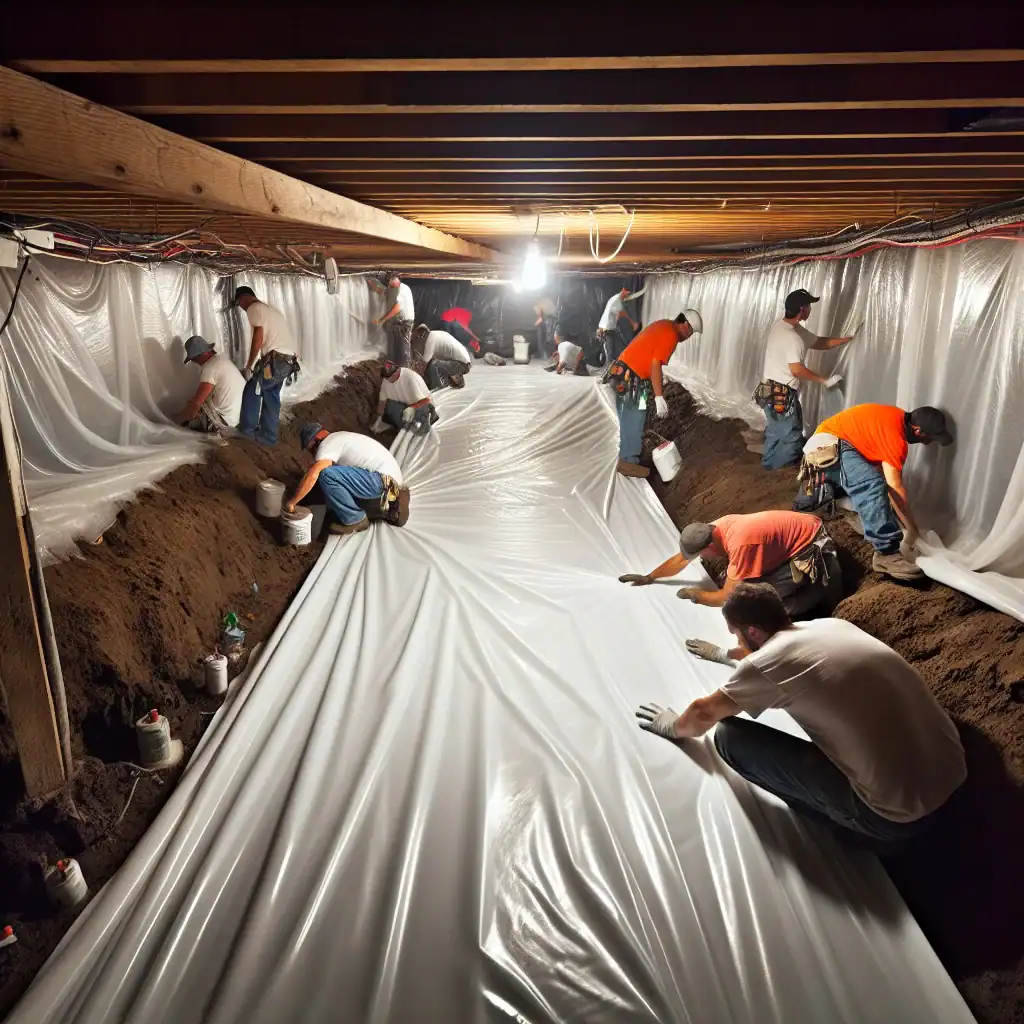
We start with an inspection. That means getting under your house to check humidity levels, look for existing mold or rot, and measure your space. We’re looking for standing water, damaged insulation, pest activity, and how air is currently moving through the area.
Next comes crawl space cleaning if needed. If there’s debris, old insulation, or contamination, we remove it before sealing anything. You can’t encapsulate over a mess and expect it to work.
Then we install the vapor barrier—a thick, reinforced liner that covers your crawl space floor and gets sealed to your foundation walls. This stops ground moisture from evaporating into your crawl space. We also insulate rim joists and seal vents to stop outside air from bringing in more humidity.
Finally, we install a dehumidifier designed for crawl spaces. These aren’t the same units you buy at a hardware store. They’re built to run continuously in tight spaces and keep humidity locked below 55%, which prevents mold and wood moisture absorption.
The whole process usually takes one to three days depending on your crawl space size and condition. When we’re done, you’ll have a sealed, dry space that stays that way.

Ready to get started?
Encapsulation isn’t one product. It’s a system that addresses every point where moisture enters your crawl space. That includes vapor barrier installation across 100% of your crawl space floor, sealed to walls and piers. It includes dehumidifier installation with drainage so the unit runs without you emptying buckets. And it includes insulation and air sealing to stop drafts and outside humidity from getting in.
In Stewarts Mill, where properties average two acres and sit surrounded by trees, ground moisture and seasonal humidity swings hit crawl spaces hard. Your encapsulation needs to handle both. That’s why we don’t skip steps like sealing foundation vents or insulating rim joists—those are the spots where humidity sneaks back in after a cheap encapsulation job.
You also get a system that makes your HVAC work less. When your crawl space isn’t pulling in 90-degree humid air during summer or freezing drafts in winter, your heating and cooling systems don’t have to compensate. That’s where the energy savings come from—not magic, just physics.
This is a long-term investment. Done right, encapsulation lasts decades and prevents the kind of structural damage that costs five figures to repair.
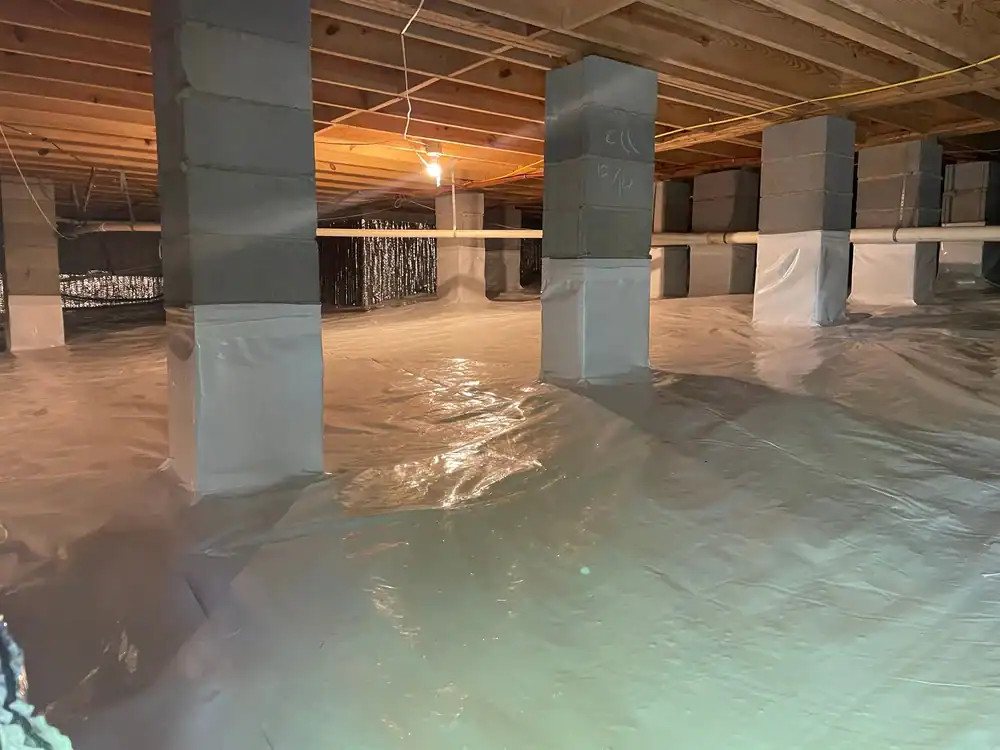
Most encapsulation projects in this area run between $4,800 and $12,500, depending on your crawl space size, current condition, and what needs to be done before we can seal it. If you’ve got standing water, significant mold, or damaged floor joists, those get addressed first—and that affects cost.
The price breaks down into labor and materials. Labor is about 50-70% of the total because this work is physical, technical, and can’t be rushed. Materials—vapor barrier, dehumidifier, insulation, sealants—make up the rest. Cheap encapsulation jobs that come in around $3,000 usually skip critical steps or use subpar materials that fail within a few years.
We give you a fixed quote after inspecting your crawl space. No surprises, no upsells. You’ll know exactly what you’re paying for and why each part matters.
Most jobs take one to three days. Smaller crawl spaces in good condition can be done in a day. Larger spaces, or ones that need cleaning, mold remediation, or structural repairs first, take longer.
We don’t rush this work. Sealing a crawl space correctly means every seam in the vapor barrier gets taped, every penetration gets sealed, and the dehumidifier gets installed with proper drainage. Cutting corners to finish faster just means the system won’t work the way it should.
You won’t need to leave your home during the work. We’re under your house, not inside it. You’ll hear some noise, but it won’t disrupt your day. When we’re done, we walk you through what we did and show you how to monitor your dehumidifier.
Yes, if the humidity stays below 60%. Mold needs moisture to grow. When you encapsulate your crawl space and run a dehumidifier, you’re removing the moisture source. No moisture, no mold.
If you already have mold, we address that before encapsulation. Sealing mold inside your crawl space doesn’t solve anything. We remove contaminated materials, treat affected areas, and then encapsulate to make sure it doesn’t come back.
North Carolina’s humidity makes crawl spaces a perfect environment for mold growth if they’re not sealed. Once your space is encapsulated and humidity is controlled, mold can’t establish itself. That’s why encapsulation is the most effective long-term mold prevention method for crawl spaces.
Yes. The vapor barrier stops ground moisture, but it doesn’t control humidity that’s already in the air or that enters through small gaps. A dehumidifier actively removes moisture from the air and keeps levels consistently low.
Without a dehumidifier, you’re relying on the vapor barrier alone—and that’s not enough in North Carolina’s climate. Humidity will still find its way in, especially during summer when outdoor levels hit 60% or higher. Your crawl space needs active moisture control, not just a passive barrier.
The dehumidifiers we install are designed for crawl spaces. They’re more powerful than residential units, they drain automatically, and they’re built to run 24/7 in tight, enclosed spaces. This isn’t optional equipment. It’s what keeps your encapsulation system working year after year.
If you’re noticing musty odors in your home, higher energy bills, or soft spots in your floors, your crawl space likely has a moisture problem. Other signs include visible mold on floor joists, standing water, high humidity readings above 60%, or pest activity.
Even if you don’t see obvious problems, crawl spaces in this area should be inspected. Stewarts Mill’s wooded lots and clay-heavy soil create conditions where moisture accumulates slowly over time. By the time you notice damage upstairs, the problem underneath has usually been building for years.
We offer inspections that measure humidity, check for structural damage, and assess whether your current crawl space setup is protecting your home or putting it at risk. Most homeowners don’t go under their house regularly—and that’s exactly why problems go unnoticed until they’re expensive.
You can, but it’s not a DIY project most homeowners should take on. Encapsulation requires proper material selection, precise installation, and knowledge of building science. If the vapor barrier isn’t sealed correctly, if vents aren’t closed properly, or if the dehumidifier isn’t sized right, the system won’t work—and you’ll have spent money on materials without solving the problem.
The bigger issue is what you might miss during installation. Crawl spaces often have hidden problems like plumbing leaks, damaged insulation, or structural issues that need attention before encapsulation. If you seal those problems inside, you’re making things worse.
Professional encapsulation also comes with warranties and the assurance that the work meets building codes. If something goes wrong with a DIY job, you’re on your own. For most homeowners, the cost of professional installation is worth it compared to the risk of doing it wrong and having to pay someone to fix it later.