

Contact Info
- Greensboro, NC 27406
- Call: 336-707-0498
- Text: 336-707-0498
-
Mon - Fri: 8am - 4pm
Sat - Sun: Closed
Contact Info
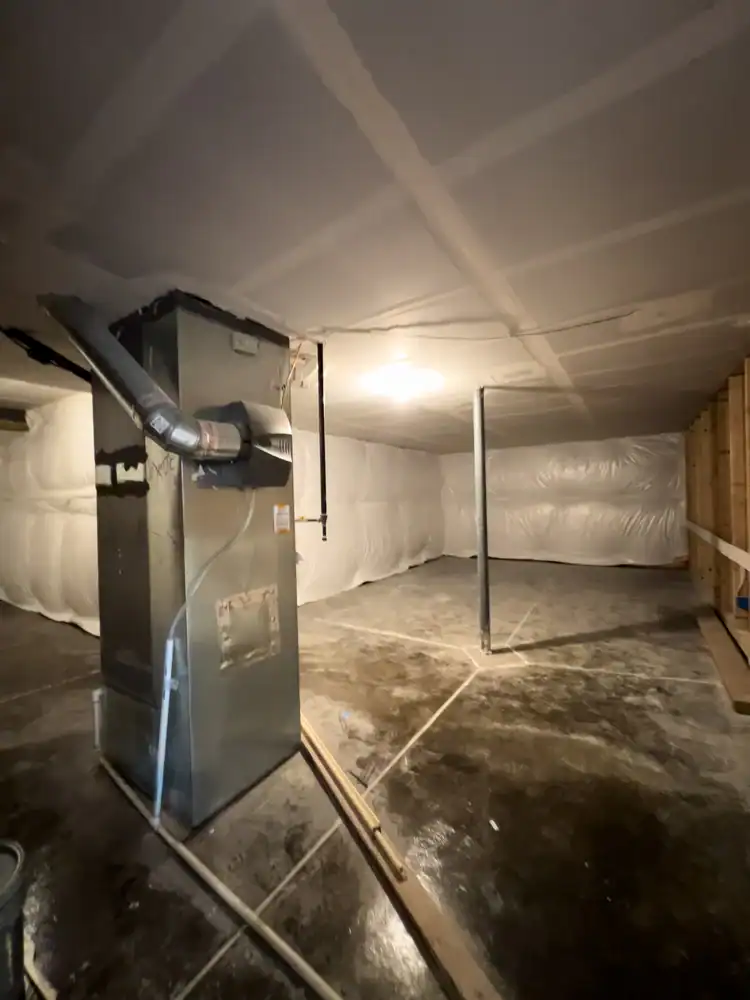
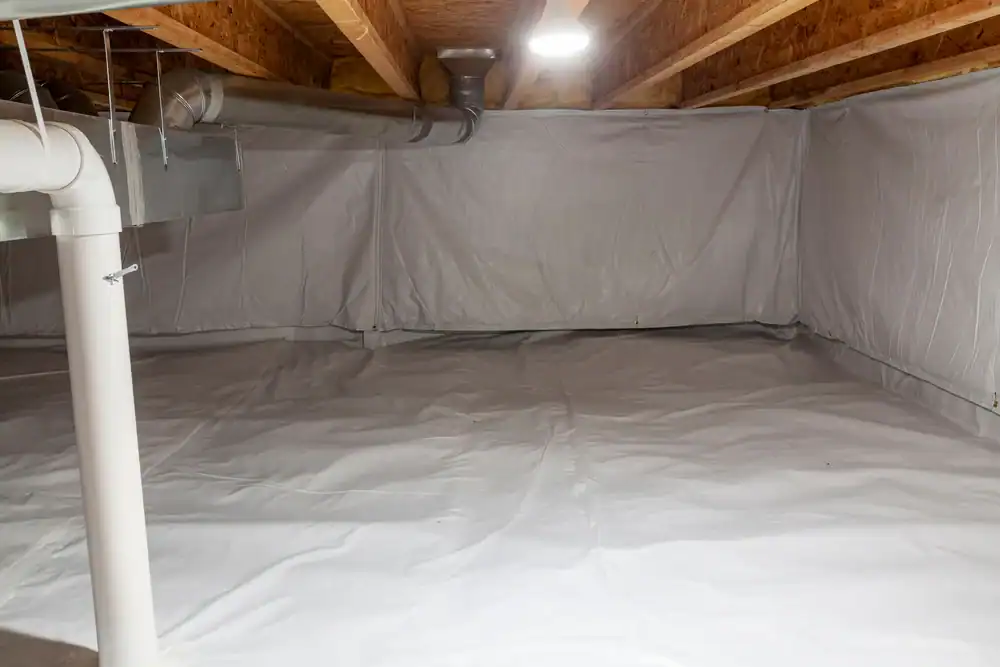
Your floors feel warmer in winter. That musty smell that’s been embarrassing you when guests come over? Gone.
Your energy bills drop because you’re not heating and cooling humid air anymore. Humid air costs significantly more to condition than dry air, which is why your HVAC system has been working overtime.
The air you’re breathing improves because half of the air in your home comes up from your crawl space. When that space is sealed and dry, you’re not circulating mold spores, dust mites, and allergens through your vents. Families with asthma and allergies notice the difference within weeks.
Your home’s structure stays intact. Wood rot and sagging floors happen when moisture sits on wooden beams and floor joists month after month. Encapsulation keeps those structural elements dry, which means they stay strong.
We’ve spent 14 years dealing with the exact crawl space problems Summerfield homeowners face. Rick Watson and our team know what North Carolina’s humidity and variable climate do to crawl spaces because we’ve seen it hundreds of times.
We’re BBB accredited with an A+ rating, which matters because crawl space work is an investment. You need to know the company you’re hiring will show up, do the work right, and stand behind it.
We don’t do residential dryer vents. We focus entirely on crawl space encapsulation, moisture control, dehumidifier installation, and air quality services. That focus means we’ve refined our process and we know how to handle the complications that come up when you’re sealing a crawl space in this area.
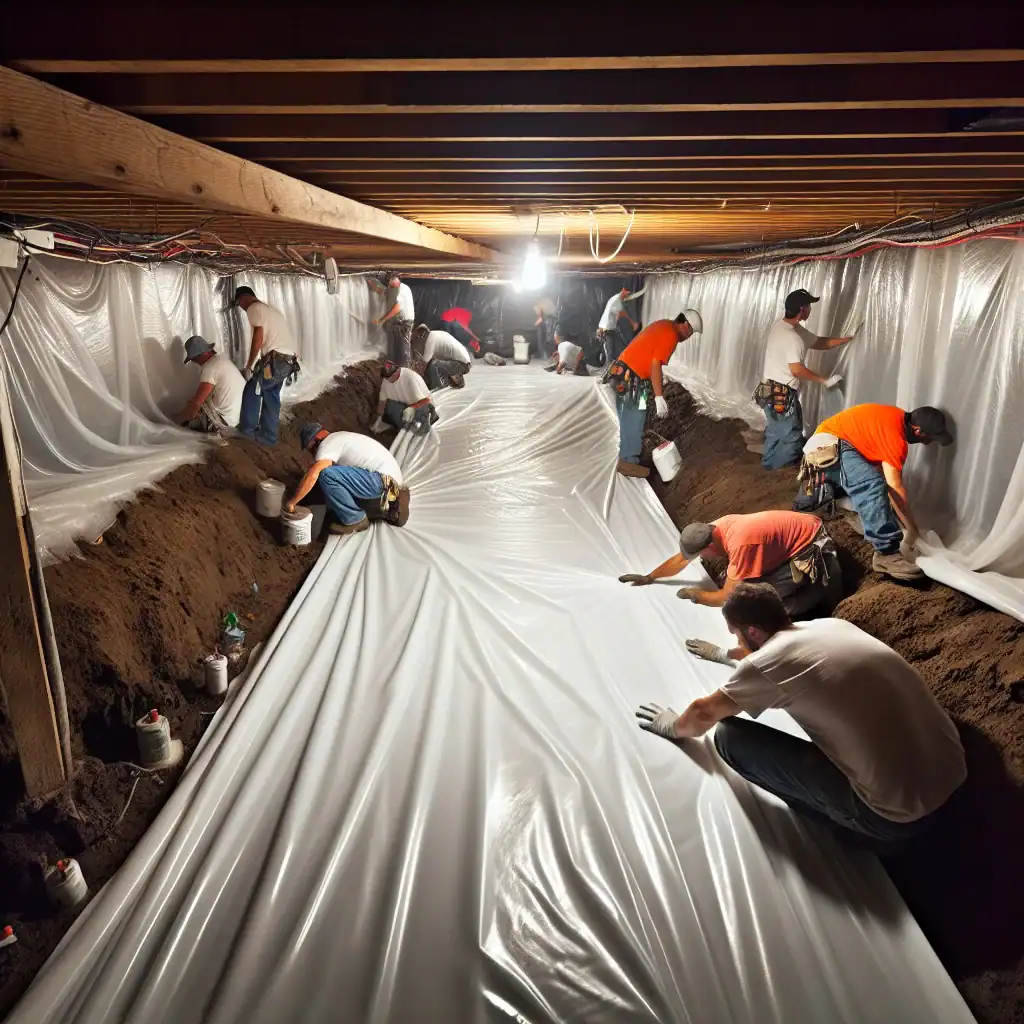
First, we inspect your crawl space to see what we’re dealing with. That means checking for standing water, existing mold growth, damaged insulation, pest activity, and structural issues. We measure humidity levels and look at your foundation vents.
Next comes crawl space cleaning. If there’s debris, old insulation, or mold, it gets removed before we seal anything. You can’t encapsulate over a mess and expect good results.
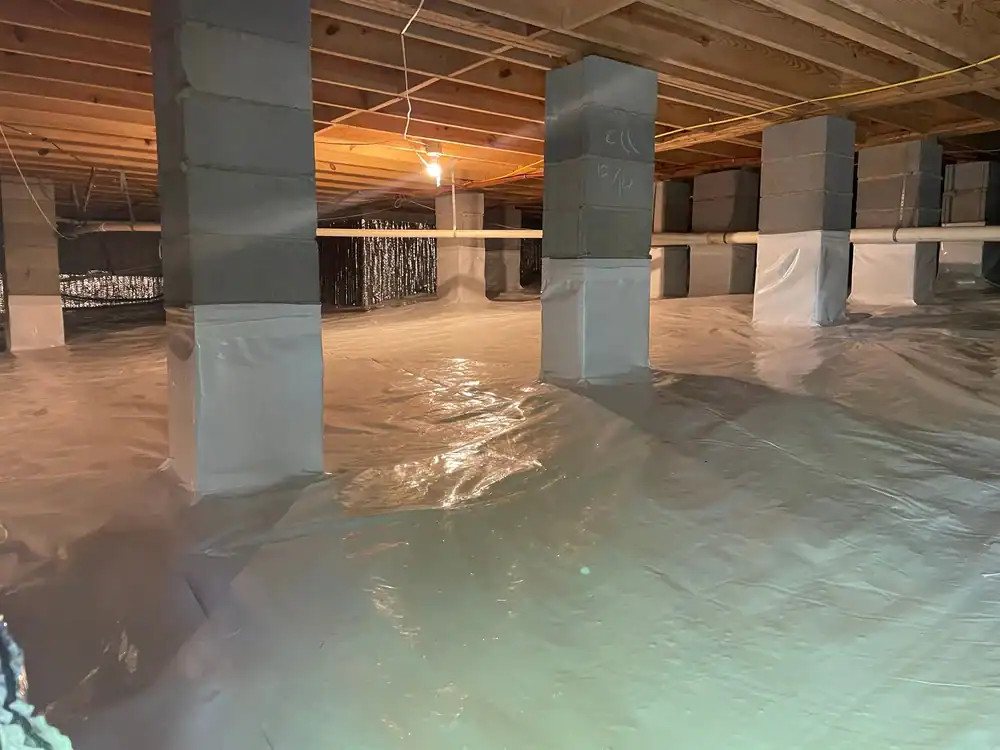
Then we install the vapor barrier. This is a thick, durable liner that covers your crawl space floor and gets sealed to your foundation walls. It stops ground moisture from evaporating into your crawl space air. We seal all seams and penetrations so moisture can’t sneak through.
We close off foundation vents because open vents let humid outdoor air into your crawl space during summer, which creates condensation and mold. Closing vents is counterintuitive if you grew up hearing that crawl spaces need ventilation, but building science has proven that sealed crawl spaces stay drier.
Finally, we install a dehumidifier if your crawl space needs it. Even with a vapor barrier, some homes need mechanical dehumidification to keep humidity below 60%. The dehumidifier runs automatically and drains on its own, so you don’t have to think about it.

Ready to get started?
Crawl space encapsulation in Summerfield isn’t just throwing down plastic. You’re getting a system designed for North Carolina’s climate, which swings between cold, wet winters and hot, humid summers.
The vapor barrier installation uses heavy-duty material, not the thin plastic you’d buy at a hardware store. It’s sealed at every seam and attachment point. We’re creating an actual moisture barrier, not just covering the ground.
Dehumidifier installation is part of most jobs because Summerfield’s humidity levels regularly exceed 60% during summer months. Once humidity stays above that threshold, mold starts growing on organic materials like wood and insulation. A properly sized dehumidifier keeps your crawl space humidity in the safe zone year-round.
Crawl space insulation gets addressed if your current insulation is damaged or if you need better thermal performance. Some homes benefit from insulating the crawl space walls instead of the floor above, which brings the crawl space inside your home’s thermal envelope.
You’re also getting crawl space cleaning if there’s existing contamination. Old fiberglass insulation that’s fallen down, mold growth on floor joists, pest droppings—all of that gets removed before encapsulation. Starting with a clean space matters for long-term performance and air quality.
Most crawl space encapsulation projects in the Summerfield area run between $5,000 and $12,000 depending on your crawl space size, current condition, and what needs to be done before we can encapsulate.
If your crawl space has standing water, significant mold growth, or structural damage, those issues get addressed first, which affects total cost. A straightforward encapsulation on a 1,500 square foot crawl space with no major problems will cost less than a 2,500 square foot space that needs mold remediation and drainage work.
The investment typically pays for itself within 7 to 10 years through lower energy bills. North Carolina field studies show annual heating and cooling savings of 15-20%, which translates to $300-$400 per year for an average-sized home. You’re also avoiding future costs from structural repairs, mold remediation, and pest damage that happen when crawl spaces stay wet.
Yes, and here’s why. When your crawl space is open to outside air through foundation vents, you’re essentially trying to heat and cool outdoor air. During summer, hot humid air comes in through those vents and your HVAC system has to remove that humidity and cool that air. Humid air requires significantly more energy to cool than dry air.
In winter, cold air comes through those vents and makes your floors cold, which makes your heating system work harder to keep your home comfortable.
Encapsulation seals off that outside air, closes the vents, and creates a controlled environment under your house. Your HVAC system is now conditioning a smaller, sealed space instead of fighting outdoor conditions. Field studies in North Carolina consistently show 15-20% reductions in heating and cooling costs after encapsulation, which means most homeowners save $300-$400 annually on a 2,000 square foot home.
A properly installed vapor barrier and encapsulation system lasts 15 to 25 years or more. The heavy-duty vapor barrier material we use is designed for long-term ground contact and doesn’t break down like thin plastic sheeting.
The dehumidifier is the only component that may need replacement during that time. Most crawl space dehumidifiers last 8 to 12 years with minimal maintenance. When they do need replacement, it’s straightforward because the encapsulation system itself is still intact.
What affects longevity is installation quality and whether your crawl space has ongoing water intrusion issues. If you have a grading problem that sends water toward your foundation, or if your gutters dump water next to your house, those issues need to be fixed. Encapsulation controls moisture vapor from the ground, but it’s not a substitute for proper drainage around your foundation.
A basic vapor barrier is just the plastic liner on your crawl space floor. Encapsulation is the complete system: vapor barrier installation, sealing that barrier to your foundation walls, closing foundation vents, insulating if needed, and adding dehumidification.
Some companies will lay down a vapor barrier and call it done. That helps, but it’s not a complete moisture control system. If you still have open vents letting in humid air, or if you don’t seal the vapor barrier to your walls, moisture is still getting into your crawl space.
True encapsulation creates a sealed, conditioned space. The vapor barrier stops ground moisture. Sealed vents stop outdoor humidity. The dehumidifier handles any remaining moisture that gets in through the foundation or from plumbing. All three components working together keep your crawl space dry year-round, which is what actually solves the mold, odor, and energy problems you’re dealing with.
You can close the vents, but that’s only one piece of the system and doing it without the other components can actually make things worse. If you close your vents but don’t install a vapor barrier, ground moisture still evaporates into your crawl space air. Now that moisture has nowhere to go, so humidity levels spike and you get more mold growth, not less.
Crawl space encapsulation works because it addresses all the moisture sources at once. The vapor barrier stops ground moisture. Closing vents stops humid outdoor air. The dehumidifier removes any moisture that still gets in. Each component supports the others.
If you’re dealing with crawl space moisture, musty odors, or mold growth, closing vents alone won’t fix it. You need the complete system installed correctly, with properly sealed seams, appropriate dehumidification capacity, and attention to drainage issues around your foundation. That’s what actually solves the problem long-term.
If you’re smelling musty odors in your home, that’s the clearest sign. Those odors come from mold and mildew growing in your crawl space, and the smell rises into your living space through the stack effect. You’re breathing that air.
Other signs include cold floors in winter, high humidity in your home during summer, visible mold on floor joists or insulation, sagging floors, increased allergy or asthma symptoms, and higher-than-expected energy bills. If you see standing water, damaged insulation, or pest activity in your crawl space, those are all indicators that moisture is out of control.
North Carolina’s climate is hard on crawl spaces. When relative humidity exceeds 60%, which happens regularly here during summer, mold starts growing on wood and organic materials. Most homes in this area have at least some mold in their crawl spaces. An inspection tells you exactly what you’re dealing with and whether encapsulation makes sense for your situation. We’ll look at humidity levels, existing damage, and moisture sources to give you a clear picture of what needs to happen.