

Contact Info
- Greensboro, NC 27406
- Call: 336-707-0498
- Text: 336-707-0498
-
Mon - Fri: 8am - 4pm
Sat - Sun: Closed
Contact Info
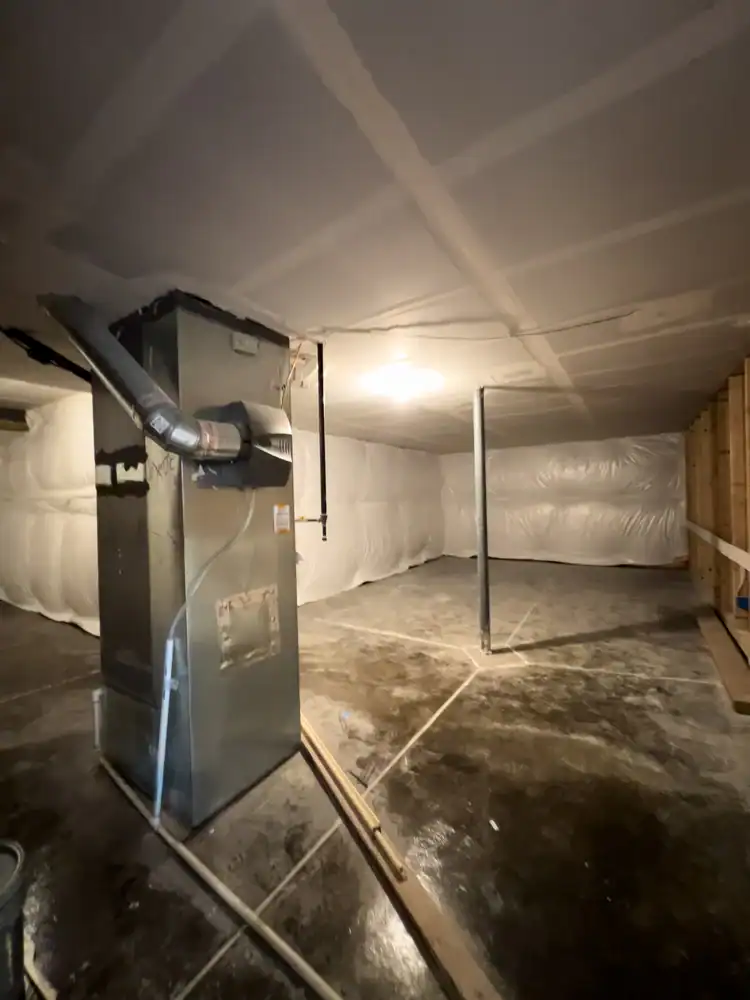
Your floors stay warmer in winter. Your air conditioner doesn’t run constantly in summer. You stop smelling that musty odor every time you walk through certain rooms.
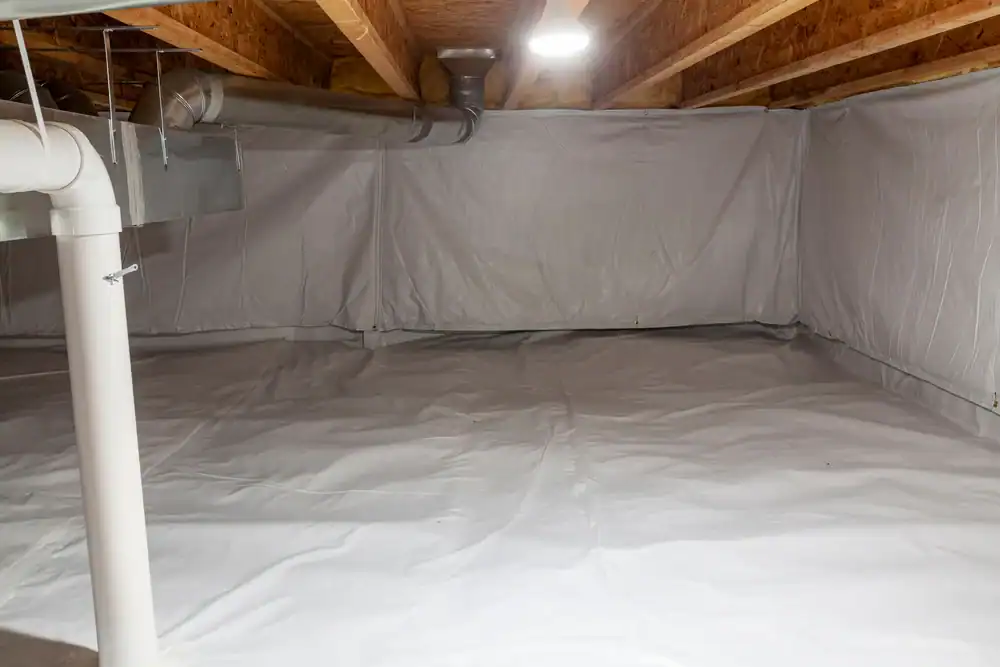
Encapsulation creates a sealed barrier between your home and the damp crawl space underneath. That means moisture can’t creep up through your floors, mold doesn’t have a place to grow, and pests lose their favorite hiding spot. You’re not just covering up a problem—you’re eliminating the conditions that caused it.
The result is lower energy bills, cleaner air inside your home, and floors that don’t feel like ice in January. North Carolina’s humidity and clay-heavy soil make crawl spaces a constant battle. Encapsulation ends that fight. You get a home that feels better, costs less to heat and cool, and doesn’t put your family’s health at risk from mold spores floating up through the floorboards.
We’ve been handling crawl space encapsulation and indoor air quality issues in the Greensboro area for over 30 years. We’re not a national franchise that showed up last year—we’ve been in Whitsett and Guilford County long enough to know exactly what homes here deal with.
Rick Watson holds ASCS and CVI certifications, and we maintain an A+ rating with the BBB. That matters because crawl space work isn’t something you want done by someone who just watched a YouTube video. You need someone who understands vapor barrier installation, dehumidifier placement, and how North Carolina’s weather patterns affect your foundation.
We’ve seen what happens when crawl spaces aren’t done right. We’ve also seen how much better homes perform when they are. That’s why we focus on doing the work correctly the first time, so you don’t end up calling someone else to fix it two years later.
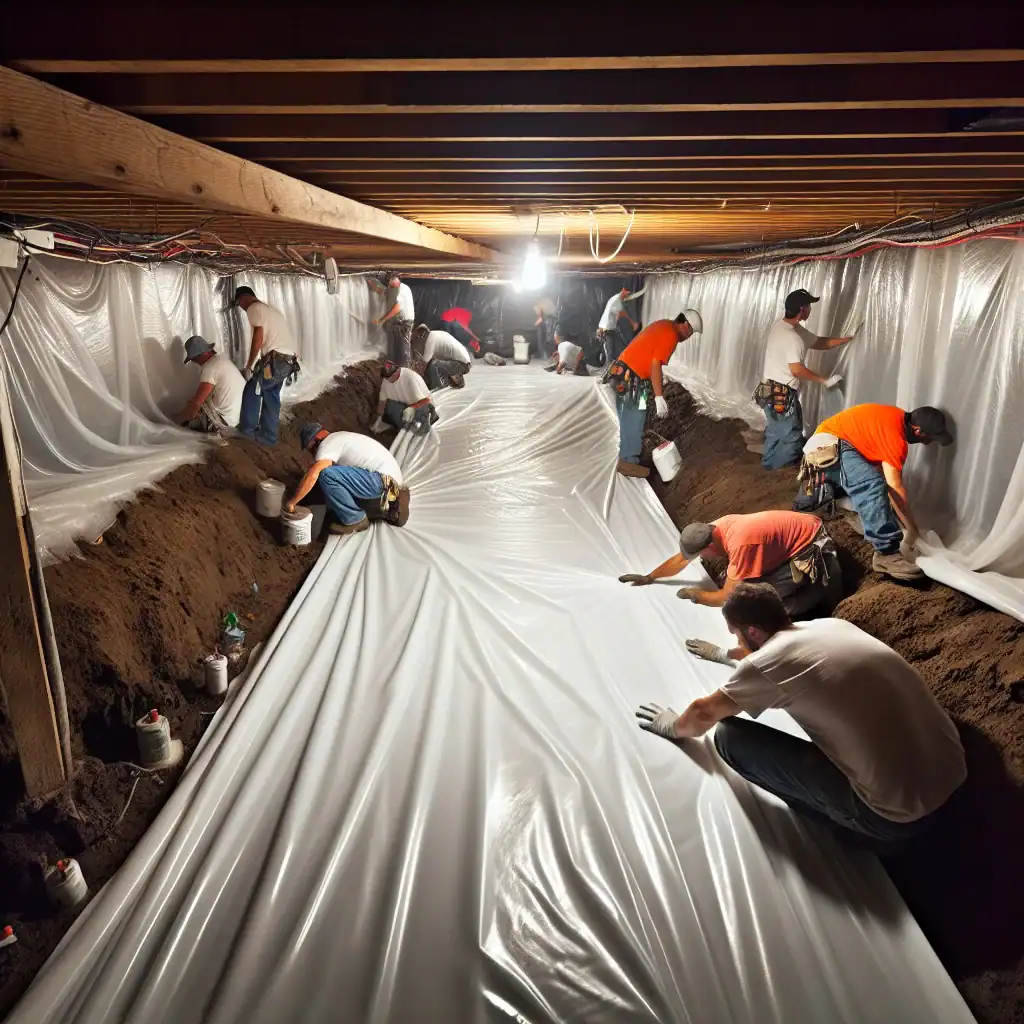
We start with a thorough inspection of your crawl space. That means looking for existing moisture damage, checking your foundation vents, measuring humidity levels, and identifying any pest activity or mold growth. You get a clear picture of what’s actually going on under your house—not a sales pitch.
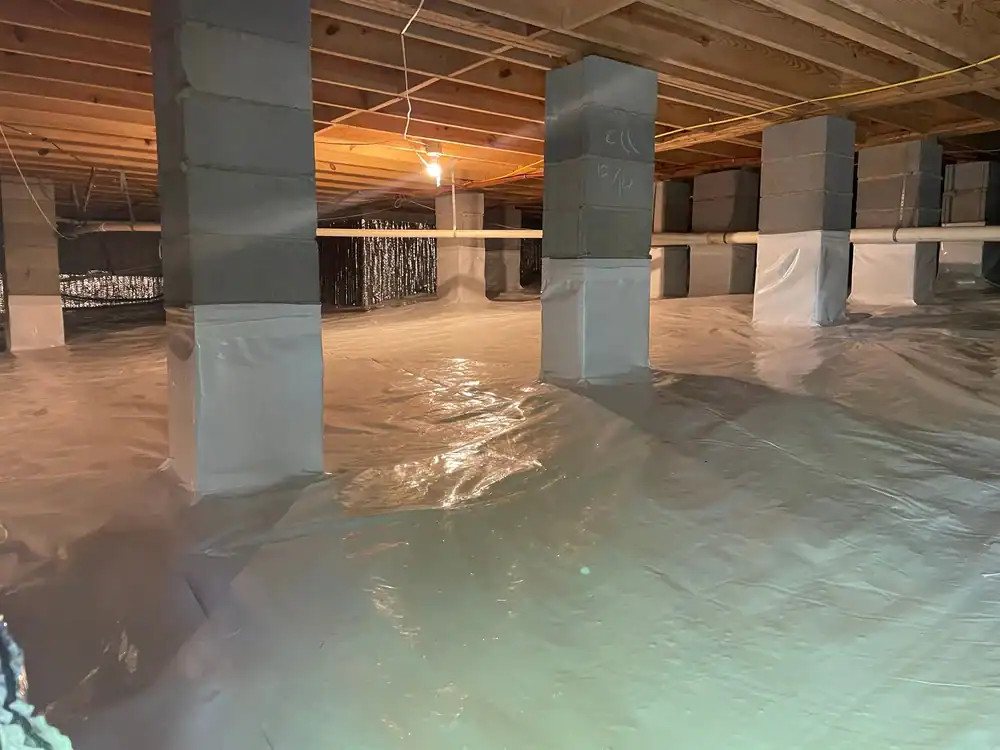
Once we know what we’re dealing with, we prep the space. That includes crawl space cleaning to remove debris, addressing any standing water, and making sure the area is ready for encapsulation. Then we install a heavy-duty vapor barrier across the floor and up the walls, sealing out ground moisture completely.
Next comes insulation if needed, sealing foundation vents, and installing a dehumidifier to control humidity year-round. The dehumidifier is key in Whitsett’s climate—it keeps moisture levels low even during our wettest months. We make sure everything is sealed tight, test the system, and walk you through what we did. The whole process typically takes one to three days depending on the size of your crawl space and the extent of the work needed.

Ready to get started?
Encapsulation isn’t just throwing down plastic and calling it done. You get a complete moisture control system designed for Whitsett’s specific conditions—high humidity, clay soil, and seasonal rainfall that puts constant pressure on your foundation.
We install a thick vapor barrier that covers your crawl space floor and extends up the foundation walls. This isn’t the thin stuff that rips the first time someone crawls over it. We use commercial-grade materials built to last decades. Foundation vents get sealed to stop outside air from bringing in humidity. If your crawl space has insulation hanging down or damaged, we address that too.
The dehumidifier installation is what keeps everything working long-term. North Carolina’s humidity doesn’t take a break, so neither does the dehumidifier. It runs automatically, pulling moisture out of the air and draining it away from your home. You don’t have to think about it—it just works.
Homes in Whitsett built in the 1980s and 1990s—which is most of them—weren’t designed with modern moisture control in mind. Encapsulation brings your home up to current standards, protecting your investment and making your living space healthier. You’re also setting yourself up for lower energy bills, since your HVAC system won’t be fighting against damp air seeping up from below.
Cost depends on the size of your crawl space, the condition it’s in, and what needs to be done before we can encapsulate. A typical crawl space encapsulation in Whitsett runs between $5,000 and $15,000, but that’s a wide range because every home is different.
If your crawl space has standing water, significant mold growth, or structural issues, those need to be addressed first. That adds to the cost but also means you’re actually fixing the problem instead of covering it up. On the other hand, if your crawl space is dry and in decent shape, the work goes faster and costs less.
We give you a clear estimate after inspecting your crawl space. No surprises, no upselling—just an honest assessment of what your home needs. And while encapsulation isn’t cheap, it’s a lot less expensive than replacing rotted floor joists or paying for mold remediation down the road.
A properly installed vapor barrier can last 25 years or more. The dehumidifier will need maintenance and eventual replacement, but the encapsulation system itself is built to be permanent.
The key is doing it right the first time. If the vapor barrier isn’t sealed correctly or the dehumidifier isn’t sized properly for your space, you’ll have problems. That’s why experience matters. We’ve been doing this for three decades, so we know how to install systems that hold up in North Carolina’s climate.
You should check your crawl space once a year to make sure everything still looks good—no tears in the vapor barrier, dehumidifier running correctly, no new moisture issues. But beyond that, encapsulation is a set-it-and-forget-it solution. You’re not going to be down there every few months dealing with problems.
Yes, and the savings are noticeable. Studies show that crawl space encapsulation can reduce energy costs by 10% to 20%, which translates to $200 to $600 per year for most homes in this area.
Here’s why it works: when your crawl space is open to outside air and ground moisture, that damp, temperature-unstable air rises into your home. Your HVAC system has to work harder to heat and cool your living space because it’s constantly fighting against air coming from below. Encapsulation stops that cycle.
In winter, your floors aren’t freezing cold because you’ve sealed out the cold air from underneath. In summer, your air conditioner isn’t battling humidity creeping up from the crawl space. Your system runs less, uses less energy, and lasts longer. You’ll feel the difference in comfort right away, and you’ll see the difference in your utility bills within the first few months.
Encapsulation eliminates the conditions mold needs to grow—moisture and organic material. If your crawl space is sealed and kept dry with a dehumidifier, mold doesn’t stand a chance.
Mold needs humidity above 60% to thrive. A properly encapsulated crawl space with a functioning dehumidifier keeps humidity below 55%, which stops mold growth completely. The vapor barrier also prevents moisture from the ground from entering the space, cutting off mold’s primary water source.
If you already have mold in your crawl space, we address that before encapsulation. There’s no point sealing in an existing problem. Once the space is clean and encapsulated, mold won’t come back. That’s important for your health—nearly half the air in your home comes from your crawl space, so mold spores down there end up in the air you breathe upstairs.
Even if you don’t see standing water, your crawl space is still dealing with moisture. North Carolina’s humidity and clay soil mean ground moisture is constantly trying to enter your crawl space through the dirt floor.
You might not notice it until you start seeing signs—musty smells, higher energy bills, floors that feel cold or damp, or allergy symptoms that won’t go away. By the time those problems are obvious, moisture has already been affecting your home for months or years.
Encapsulation is preventive. You’re stopping damage before it starts, not waiting until you have rotted floor joists or a mold problem that costs thousands to fix. Homes in Whitsett deal with above-average humidity and rainfall. Encapsulation protects your investment and keeps your home healthier from day one, whether you currently have visible water issues or not.
A vapor barrier by itself is just a plastic sheet laid over the crawl space floor. It helps with ground moisture but doesn’t address humidity from outside air, foundation vents, or temperature control. It’s a partial solution.
Full encapsulation means sealing the entire crawl space—floor, walls, vents—and adding a dehumidifier to control humidity year-round. You’re creating a conditioned space that’s completely separated from outside moisture and temperature swings. That’s what delivers the energy savings, mold prevention, and structural protection you’re looking for.
Some companies will try to sell you just a vapor barrier because it’s cheaper and faster. But in Whitsett’s climate, that’s not enough. You need the complete system to actually solve the problem. We install full encapsulation because we’ve seen what happens when homeowners go the cheap route—they end up calling us back two years later to do it right.