Dehumidifier Installation Guilford County, NC

Stop Mold, Wood Rot, and Musty Air for Good

Professional whole house dehumidifier installation that protects your structure, cuts energy costs up to 20 percent, and gives your family cleaner air to breathe in North Carolina’s humid climate.

Over 30 Years Local

Three decades solving Greensboro humidity problems means we know exactly what works in Guilford County's climate and what doesn't.

Sized Right Every Time

We calculate the exact capacity your space needs so your system removes moisture efficiently without wasting energy or running constantly.

Installed Right Once

Proper dehumidifier installation involves over 20 critical decisions. We handle every detail correctly so you don't end up paying twice.

Moisture Control Specialists

We solve humidity problems in crawl spaces, basements, and whole homes with solutions that address the root cause, not symptoms.

Whole House Dehumidifier Installation Guilford County, NC

Built for Homes That Face Real Humidity

Guilford County, NC humidity regularly hits 70 percent during summer. That moisture doesn’t stay outside. It settles in your crawl space, accumulates in your basement, and rises through your floors into every room. Portable units can’t handle it. You need whole house dehumidifier installation that integrates with your HVAC system and runs automatically to maintain the humidity levels that prevent mold, protect wood, and keep your air clean. Clean Air LLC installs systems designed for North Carolina’s climate. Whether you need crawl space dehumidifier installation to protect your foundation or basement dehumidifier installation to eliminate that musty smell, we size the equipment based on your space’s actual moisture load and install it so it works the way it should from day one.

Benefits of Professional HVAC Dehumidifier Installation

What Happens When Humidity Stays Where It Belongs

The right system doesn’t just pull moisture out of the air. It protects your home’s structure, reduces what you spend on cooling, and makes the air your family breathes measurably healthier.

Crawl Space Dehumidifier Installation Guilford County

What's Under Your Home Affects Every Room Above It
You probably don’t think about your crawl space until you smell something musty or notice your floors starting to sag. By then, moisture has been accumulating for months or years. In North Carolina’s humid climate, that damp air doesn’t just sit there. It rises through gaps in your subfloor and becomes the air circulating through your home. If your crawl space humidity is 70 or 80 percent, that’s affecting your indoor air quality whether you realize it or not. Crawl space dehumidifier installation targets moisture at its source. We install commercial-grade units built to operate in tight spaces with cooler temperatures. These systems remove up to 100 pints of moisture per day and drain automatically so you never touch a bucket. They maintain humidity between 40 and 50 percent, which is the range that prevents mold growth, wood rot, and the conditions pests love. When we install your system, we also evaluate your vapor barrier, drainage, and ventilation. Sometimes the dehumidifier is one part of a larger crawl space encapsulation solution. Other times, it’s the piece that finally solves a problem you’ve been fighting with portable units and ventilation fans that never quite worked.
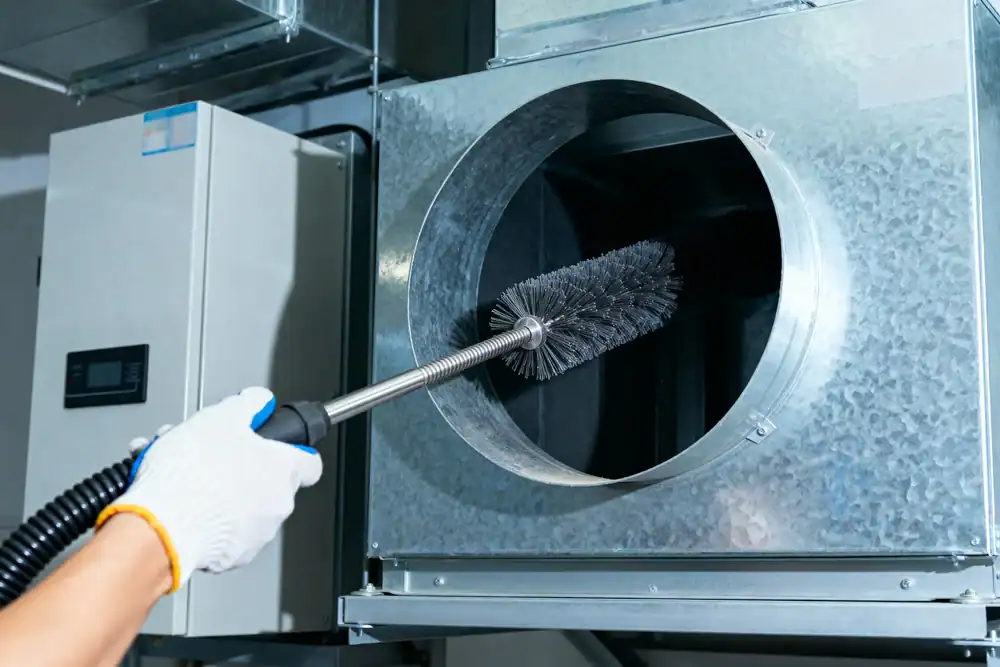
Commercial duct cleaning services for improved air quality in Alamance, NC. Expert HVAC duct cleanin.
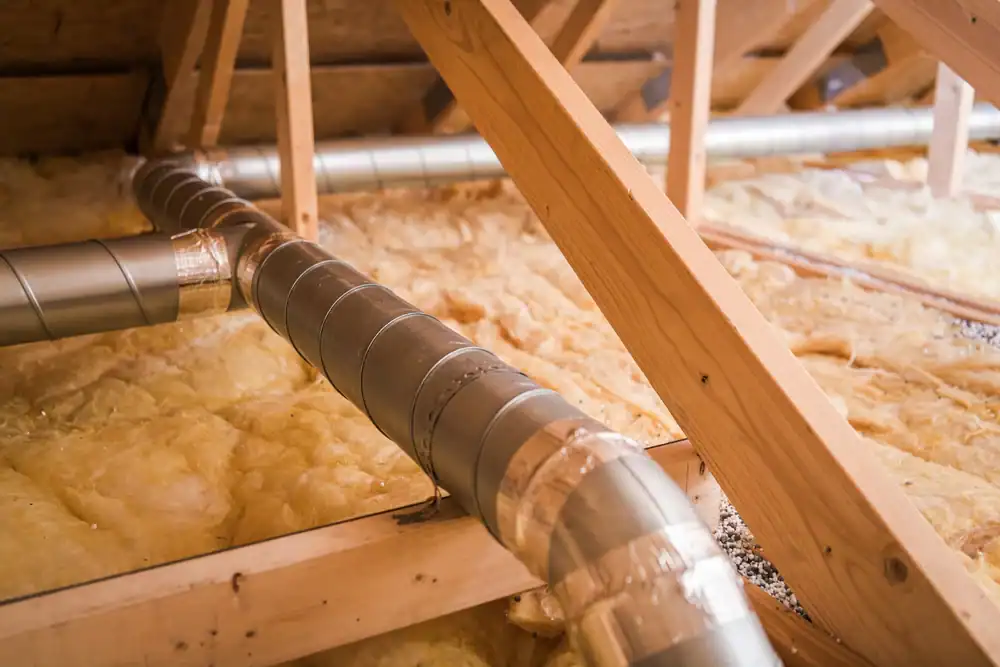
Ductwork for moisture control in building insulation.

Basement Dehumidifier Installation Near Me

Portable Units Can't Handle What Your Basement Deals With

If you’ve been running a portable dehumidifier in your basement, you know the routine. Empty the bucket every day. Listen to it run constantly. Walk downstairs and still feel that dampness in the air. Residential units aren’t built for the moisture levels basements face in this climate. They’re underpowered, they quit when temperatures drop below 65 degrees, and they can’t keep up with the 3 to 5 gallons of moisture your basement generates daily. Basement dehumidifier installation means connecting a high-capacity system designed for exactly this job. The unit pulls humid air through cold coils, condenses the moisture, and drains it continuously through a hose or pump. You set your target humidity once and the system maintains it automatically. No buckets. No constant adjustments. Most systems last 8 to 10 years with basic annual maintenance, which means you’re done thinking about basement moisture for the better part of a decade. We make sure your system integrates with any waterproofing or drainage you have in place. The goal isn’t just removing moisture from air. It’s creating an environment where moisture can’t build up in the first place. That means correct sizing based on your basement’s cubic footage, proper placement for optimal air circulation, and installation that accounts for your specific moisture load and drainage setup.
Dehumidifier Installation FAQs

Common Questions About Our Service

Dehumidifier installation typically costs between $1,000 and $3,000 for crawl space or basement systems in Guilford County, NC, depending on your space size and the capacity you need. Whole house dehumidifier installation that integrates with your HVAC system ranges from $1,100 to $3,500. The equipment itself accounts for most of the cost, with professional installation making up the rest. We provide accurate pricing after assessing your specific situation because every home is different. Your space’s cubic footage, current moisture levels, existing ductwork, and whether you need pump drainage all affect the final number. What matters most is getting a system properly sized for your needs. An undersized unit runs constantly, wastes energy, and never quite solves the problem. An oversized unit cycles too frequently and costs more than necessary. We calculate the right capacity so you’re investing in a solution that actually works long-term instead of fighting the same humidity issues year after year.
Portable dehumidifiers work for small spaces like bedrooms, but they can’t handle whole-home humidity or the challenging conditions in crawl spaces and basements. They need to be emptied by hand every day or two, they make noise wherever you place them, and they stop working entirely when temperatures drop below 65 degrees. Whole house dehumidifiers integrate with your HVAC system to control humidity throughout your entire home from a single unit. They drain automatically through a hose or pump, operate quietly out of sight, and work in the cooler temperatures where portable units fail. The capacity difference tells the real story. Most portable units remove 25 to 30 pints of moisture per day. Professional systems remove 50 to 100 pints per day, which is what you actually need in North Carolina’s humid climate. If you’re dealing with basement moisture, crawl space humidity, or whole-home comfort issues, a professionally installed system is the only solution that addresses the problem permanently instead of just managing symptoms.
Most dehumidifiers need basic maintenance once a month during heavy use, with more thorough professional servicing once a year. Monthly tasks include checking and cleaning the air filter, which traps dust and allergens as humid air passes through the system. A clogged filter forces your dehumidifier to work harder while removing less moisture. Once a year, the evaporator coils need cleaning to remove buildup that impairs efficiency. You should also inspect drainage lines to confirm they’re clear and verify the unit is still reaching your target humidity levels without running constantly. We recommend scheduling professional HVAC dehumidifier maintenance annually so we can inspect components you can’t easily access, test the system’s actual performance against specifications, and catch small issues before they turn into expensive repairs or complete system failure. With proper maintenance, a whole house dehumidifier lasts 8 to 10 years. Skip the maintenance and you’ll likely be replacing it in half that time while dealing with poor performance the entire period.
Yes, a properly installed dehumidifier can reduce your HVAC energy costs by 15 to 20 percent during humid months. When humidity is high, your air conditioner has to work significantly harder to cool your home because moisture in the air makes it feel warmer than the actual temperature. Most people set their thermostat to 72 or 73 degrees just to feel comfortable, which means the AC runs almost constantly during Guilford County summers. A dehumidifier removes the moisture that makes your home feel stuffy, so you can set your thermostat to 75 or 76 degrees and feel just as comfortable. Your AC runs less frequently, uses less energy per cycle, and experiences less wear on components. The dehumidifier itself uses energy, but it’s far more efficient at removing moisture than forcing your air conditioner to do that job. The net result is lower monthly utility bills, an HVAC system that lasts longer because it’s not being overworked, and a home that feels comfortable at higher temperatures year-round.
The ideal humidity level for crawl spaces and basements is between 40 and 50 percent. This range prevents mold growth, stops wood rot before it starts, and eliminates the musty odors that come with excess moisture. It also keeps dust mites and other allergens from thriving in the space under your home. Humidity above 60 percent creates conditions where mold grows on floor joists, insulation, and any organic material in the area. Over time, that leads to structural damage you can’t see until floors start sagging or beams start failing. It also affects your indoor air quality because air from your crawl space or basement rises into your living areas. Humidity below 40 percent is rarely a concern in North Carolina, but extremely dry conditions can cause wood to contract and crack. When we install your dehumidifier, we set it to maintain the optimal range for your specific space based on your home’s construction and local climate. The system monitors humidity continuously and cycles automatically to keep conditions exactly where they should be without constant manual adjustment.
Yes, in most cases you still need a dehumidifier even after crawl space encapsulation. Encapsulation creates a sealed environment with a vapor barrier covering the ground and walls, which prevents ground moisture from entering your crawl space through the soil. But it doesn’t remove moisture that’s already in the air or humidity that enters through small gaps, rim joists, or areas the barrier doesn’t cover perfectly. North Carolina’s outdoor air often reaches 70 percent humidity or higher during summer months. Even with quality encapsulation, some of that moisture finds its way into your crawl space through ventilation, access doors, or tiny gaps in the seal. A dehumidifier actively removes that moisture and maintains the 40 to 50 percent humidity range that keeps your crawl space dry and structurally sound. Think of encapsulation and dehumidification as two parts of the same comprehensive solution. Encapsulation dramatically reduces the amount of moisture entering the space from below. The dehumidifier handles whatever moisture remains from above and ensures humidity never reaches levels where mold, rot, and structural damage can take hold.
1

Space Assessment and Sizing

We measure your space, test current humidity levels, and calculate the exact capacity you need so your system isn't undersized or wasting energy.

2

Professional System Installation

We connect your dehumidifier to HVAC ductwork or install it standalone with proper electrical, drainage, and airflow integration.

3

Testing and Maintenance Training

We verify the system reaches your target humidity levels and show you the simple maintenance that keeps it running efficiently for years.