French Drain Installation Guilford County, NC

No More Flooded Yards After Every Storm

Your yard shouldn’t turn into a swamp every time it rains. Professional French drain installation redirects water away from your foundation, protects your crawl space, and gives you a yard that actually drains.

Over 30 Years Local

We've served Greensboro and Guilford County since 1991, understanding exactly how North Carolina's clay soil and weather impact your property.

Moisture Control Specialists

The same team that protects crawl spaces and basements from moisture knows how to keep water away from your foundation in the first place.

NADCA Certified Professionals

Our certified technicians follow industry standards and building codes, not shortcuts. Your drainage system gets installed right the first time.

Free Onsite Estimates

No pressure, no guessing. We evaluate your property, explain what's happening with your water, and show you the solution.

Landscape Drainage Solutions in Guilford County, NC

What a French Drain Actually Does

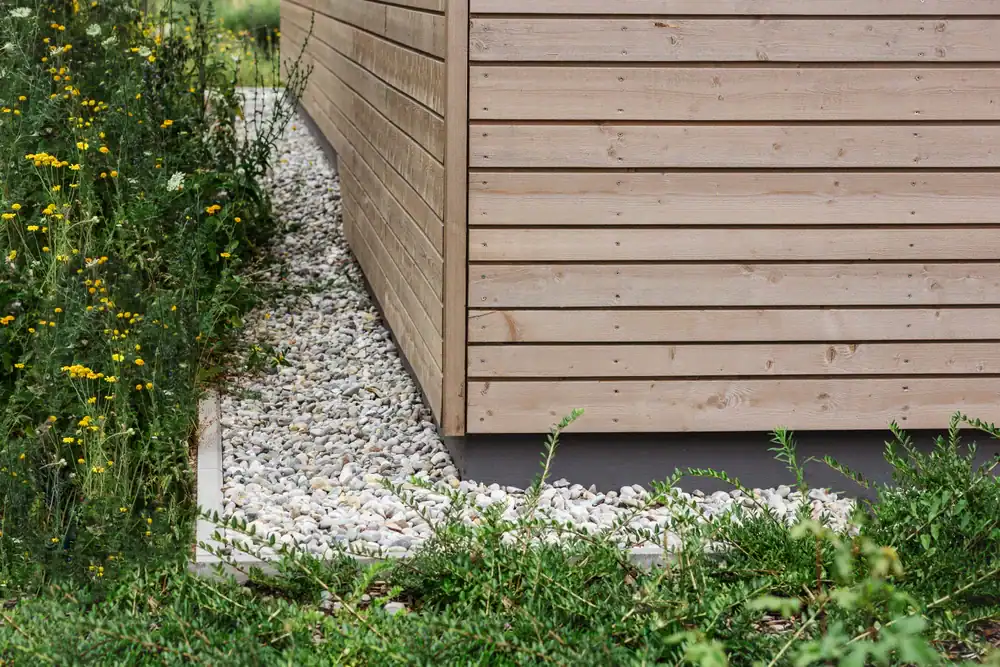
A French drain is a trench filled with gravel and a perforated pipe that captures water and moves it away from problem areas. It works with gravity, not pumps or power, to redirect water before it pools in your yard or seeps into your foundation. This isn’t about Band-Aids. It’s about solving the root cause of standing water, soggy lawns, and crawl space moisture. When installed correctly for Guilford County’s clay-heavy soil and rainfall patterns, a French drain system keeps working year after year without constant maintenance. We design drainage solutions based on your property’s slope, soil type, and where the water actually needs to go. That means you get a system that handles North Carolina storms, not just light drizzle.

Yard Drainage System Benefits Guilford County, NC

What Changes After Installation

A properly installed French drain doesn’t just move water—it protects your foundation, preserves your property value, and gives you back outdoor space you can actually use.

French Drain Installation Process Greensboro

Why Clay Soil Makes This Harder

Guilford County sits in North Carolina’s Piedmont region, which means clay-heavy soil. Clay doesn’t drain like sand. It holds water, swells when wet, and directs moisture toward your foundation instead of away from it. That’s why so many properties here deal with standing water and basement moisture. A French drain installation has to account for this. The trench depth, gravel type, pipe placement, and discharge location all matter when you’re working with soil that retains water. If the system isn’t designed for clay, it clogs, fails, or just moves the problem somewhere else. We’ve been working in this area for over three decades. Our team knows how water moves through local soil, where it tends to pool, and how to design a system that actually works with Greensboro’s conditions. You’re not getting a generic install—you’re getting a drainage solution built for your property and this climate.
Commercial duct cleaning services for improved air quality in Alamance, NC. Expert HVAC duct cleanin.
Ductwork for moisture control in building insulation.

Exterior Drainage Systems Guilford County, NC

What's Included in the Installation

Every French drain system starts with an evaluation of your property. Where does water pool? What’s the slope? Where can water be discharged safely? Those answers determine the design. Installation involves digging a trench along the problem area, lining it with landscape fabric to prevent clogging, filling it with gravel for filtration, and placing a perforated pipe that collects and redirects water. The pipe slopes downward, using gravity to move water to a safe discharge point—away from your foundation, your neighbor’s property, and any structures. For properties with crawl space moisture or basement seepage, we can integrate French drains with sump pump systems and crawl space waterproofing. That gives you complete water management instead of piecemeal fixes. The goal is to intercept water before it becomes a problem, not just react after damage happens.
French Drain Installation FAQs

Common Questions About Our Service

If water pools in the same spots after every rain and doesn’t drain within a day or two, grading alone probably won’t fix it. Grading helps direct surface water, but when you’re dealing with clay soil, a high water table, or water coming from multiple directions, you need a system that actively collects and moves that water away. A French drain intercepts water below the surface and gives it a path to follow, which is especially important in Guilford County where clay soil doesn’t drain naturally. During the property evaluation, we can tell you whether grading adjustments, a French drain, or a combination of both will actually solve your problem. The goal is to fix it once, not keep throwing money at temporary solutions.
Yes, but only if it’s designed and installed correctly for clay. Clay soil is dense and holds water, which means a French drain has to be deeper, use the right gravel size, and have proper fabric lining to prevent the clay from clogging the system over time. The pipe also needs to slope correctly to keep water moving instead of sitting in the trench. We’ve been working with Piedmont clay soil for over 30 years, so our team knows how to build systems that handle the way water behaves here. You’re not getting a cookie-cutter install—you’re getting a drainage solution designed for the soil conditions on your actual property. That’s what makes the difference between a system that works and one that fails after the first heavy rain.
Most residential French drain installations take one to three days, depending on the length of the system, soil conditions, and whether there are obstacles like tree roots or utility lines. Exterior drains are generally faster because there’s no concrete to remove. If you’re adding a sump pump or integrating the drain with crawl space waterproofing, that adds time but gives you a complete water management system. We’ll give you a realistic timeline during the estimate so you know what to expect. We work efficiently but don’t rush—proper installation matters more than speed, especially when you’re dealing with something that protects your foundation. Once the system is in and the trench is backfilled, you’re done. No ongoing construction, no repeated visits.
The water flows through the perforated pipe to a discharge point away from your foundation. That could be a drainage ditch, a dry well, a storm drain, or a low area of your property where water can safely disperse without causing problems. The key is making sure the discharge location doesn’t just move the problem to another part of your yard or onto a neighbor’s property. We evaluate your property during the estimate to identify the best discharge option based on slope, local drainage patterns, and any regulations about where water can be directed. In some cases, a sump pump is added to move water uphill or to the street if gravity drainage isn’t possible. The system is designed so water has a clear path out, not just a place to collect.
Absolutely, and it’s actually one of the best times to install one. Crawl space moisture often comes from water pooling around your foundation and seeping through. A French drain intercepts that water before it reaches your foundation walls, which reduces the moisture load on your crawl space. We can integrate French drain installation with crawl space encapsulation, vapor barriers, and dehumidification to give you a complete moisture control system. That way, you’re not just treating the symptom—you’re eliminating the source. Our team has been handling crawl space moisture in Greensboro since 1991, so we understand how exterior drainage and interior moisture control work together. You get a solution that actually keeps your crawl space dry instead of just managing the dampness.
Cost depends on the length of the drain, how deep it needs to be, soil conditions, and whether you need additional features like a sump pump or landscape restoration. Exterior French drains typically run between $10 and $75 per linear foot, with most residential projects falling in the $2,800 to $6,500 range for professional installation. That’s a fraction of what foundation repairs cost if water damage goes unchecked—those repairs average $2,160 to $7,790, and that’s just for the foundation, not counting mold remediation or structural issues. We provide free on-site estimates so you know exactly what your project will cost before any work starts. No surprises, no pressure. You’ll get a clear breakdown of what’s included and why it’s priced that way, so you can make an informed decision about protecting your property.
1

Property Evaluation

We visit your property to assess drainage issues, soil conditions, and water flow patterns. You'll get a clear explanation of what's causing the problem.

2

Custom System Design

Based on your property's needs, we design a French drain system with proper slope, placement, and discharge that works with Guilford County's soil and weather.

3

Professional Installation

We install the drainage system using quality materials and techniques that prevent clogging, ensure proper water flow, and protect your foundation long-term.

Cities we provide French Drain Installation In