

Contact Info
- Greensboro, NC 27406
- Call: 336-707-0498
- Text: 336-707-0498
-
Mon - Fri: 8am - 4pm
Sat - Sun: Closed
Contact Info
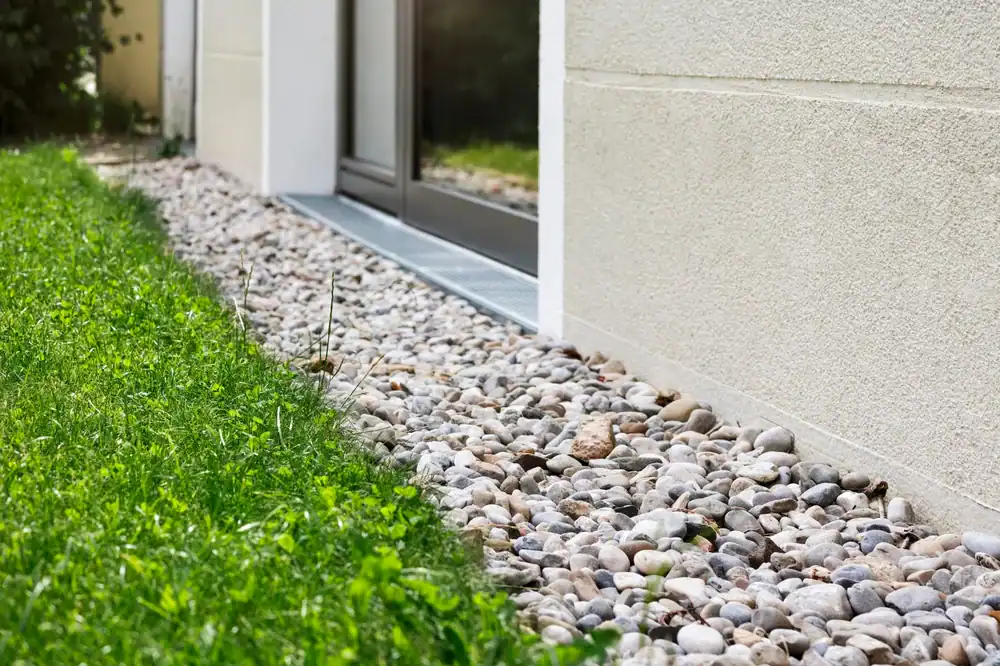
Your yard stops turning into a swamp after every storm. Water flows where it’s supposed to—away from your house, not under it.
Your foundation isn’t sitting in saturated soil anymore. That means less pressure against basement walls, fewer cracks, and no more wondering if the next heavy rain is going to flood your crawl space.
You’re not dealing with mold growth from constant moisture. Your home stays drier, healthier, and you’re not throwing money at problems that keep coming back because the root cause was never addressed. A French drain installation handles surface drainage and subsurface water before either becomes your problem.
We’ve spent over 30 years keeping homes in the Greensboro area dry and healthy. We’re NADCA certified, BBB accredited with an A+ rating, and we’ve seen what happens when water isn’t managed correctly.
Brightwood sits in an area with heavy clay soil that doesn’t drain naturally. When you add North Carolina’s intense summer storms and subtropical rainfall, you’ve got the perfect setup for foundation issues, crawl space flooding, and yard erosion.
We know this area. We know the soil. And we know how to install French drains and landscape drainage solutions that actually work long-term, not just until the next big rain.

We start by figuring out where your water is coming from and where it needs to go. That means looking at your property’s grade, soil type, and any existing drainage issues you’re dealing with.
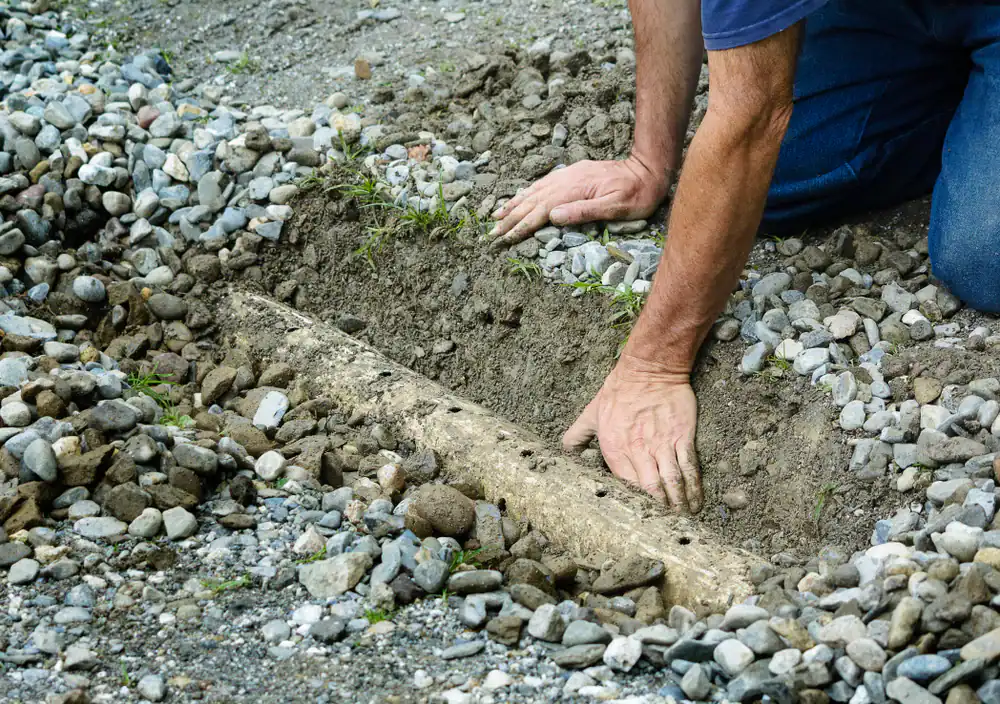
Then we trench the path for your French drain system—usually along your foundation, around problem areas in your yard, or wherever water pools. The trench gets lined with filter fabric, filled with gravel, and fitted with perforated pipe that captures and redirects water to a safe discharge point away from your home.
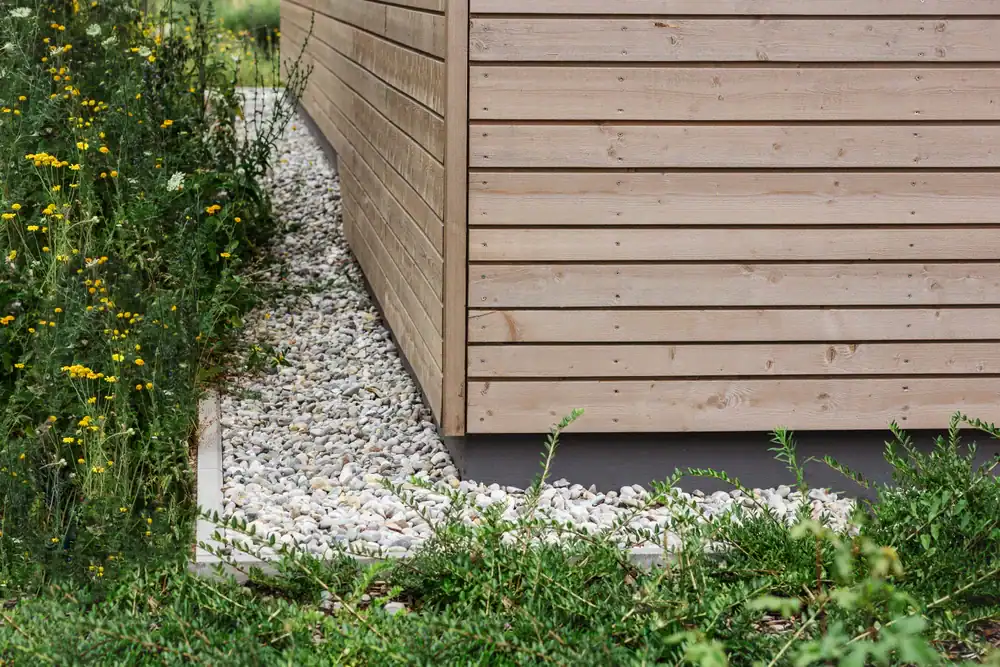
The whole system gets wrapped and buried so it’s out of sight but working every time it rains. Most installations take hours, not days, and you’re left with a yard that drains properly and a foundation that’s protected from hydrostatic pressure and moisture damage. If you need surface drainage handled too, we can integrate trench drains or other solutions into the same system.
Ready to get started?
Your French drain installation includes proper trenching, high-quality perforated pipe, gravel bedding, and filter fabric to keep the system from clogging. We make sure the slope is right so water flows naturally to the discharge point—no pumps needed unless your property requires it.
In Brightwood and the surrounding Greensboro area, clay soil is a major factor. It holds water, expands when wet, and puts pressure on your foundation. We account for that by designing systems that handle both surface runoff and subsurface groundwater, so you’re covered no matter how hard it rains.
You also get a system that lasts. Most French drains run 30 to 40 years when installed correctly and kept clear of debris. We’re not cutting corners or using cheap materials that’ll fail in five years. This is waterproofing that protects your home’s value and keeps you off the hook for expensive foundation repairs down the line.

Most residential French drain projects in this area fall between $2,500 and $5,000, depending on how much drainage you need and how complex your property is. Cost breaks down to about $20 to $60 per linear foot.
If you’ve got a straightforward perimeter drain around your foundation, you’re looking at the lower end. If your yard has multiple problem areas, steep grades, or needs a longer run to reach a good discharge point, cost goes up.
What matters more than the price tag is whether the system actually solves your problem. A cheap installation that doesn’t account for Brightwood’s clay soil or storm intensity is just money wasted. You want a French drain that works the first time and keeps working for decades.
A properly installed French drain lasts 30 to 40 years, sometimes longer if it’s maintained. The pipe itself doesn’t wear out—what kills these systems is clogging from soil, roots, or debris getting past the filter fabric.
That’s why installation quality matters. If the trench isn’t lined correctly or the gravel isn’t the right size, you’ll get sediment buildup that blocks water flow. When that happens, you’re either digging it up for repairs or dealing with the same drainage problems you paid to fix.
We install systems that stay clear because we use contractor-grade materials and proper filtration. You’re not going to need French drain repair in five years if it’s done right the first time.
Yes, if the flooding is caused by groundwater or surface water flowing toward your foundation. A French drain intercepts that water before it reaches your crawl space and redirects it away from your home.
If you’ve got water pooling around your foundation after storms or notice moisture in your crawl space during wet seasons, a perimeter French drain is usually the fix. It relieves hydrostatic pressure against your foundation walls and keeps water from seeping through cracks or vents.
In some cases, you might also need interior drainage or crawl space encapsulation to fully solve the problem—especially if you’ve already got mold or standing water under your house. We’ll tell you exactly what you need based on what’s actually happening with your property, not what makes us the most money.
Absolutely. Clay soil is actually one of the main reasons people need French drains in Brightwood. Clay doesn’t drain naturally—it holds water, swells when saturated, and creates pressure against your foundation.
A French drain works in clay because it gives water a path of least resistance. Instead of sitting in compacted soil or pushing against your basement walls, water flows into the gravel bed and perforated pipe, then gets carried away to a discharge point.
The key is designing the system for clay conditions. That means proper depth, the right gravel type, and making sure the slope is steep enough for gravity to do its job. We’ve been installing drainage solutions in this soil type for over 30 years—we know what works and what doesn’t.
A French drain is buried underground and handles subsurface water and groundwater. It’s designed to intercept water before it reaches your foundation or floods your yard.
A trench drain sits at surface level—usually in driveways, patios, or along hardscapes—and captures water runoff before it pools or flows toward your house. You’ll see a grated channel where water enters, then it drains into an underground pipe system.
Both solve drainage problems, just in different ways. If you’ve got surface water flooding your driveway or pooling near your garage, a trench drain handles that. If you’re dealing with soggy soil, foundation moisture, or yard erosion, a French drain is the better fit. Sometimes you need both for complete landscape drainage solutions.
If water pools in your yard after rain, you’ve got soggy spots that won’t dry out, or you’re seeing moisture in your crawl space or basement, you probably need one. Other signs include cracks in your foundation, mold growth, or erosion around your home.
Brightwood’s clay soil and heavy rainfall make drainage problems common. Water doesn’t absorb into the ground like it would in sandy soil—it sits on the surface or flows toward your foundation. Over time, that creates hydrostatic pressure, foundation movement, and expensive repairs.
The easiest way to know for sure is to have someone look at your property who understands drainage and local soil conditions. We’ll tell you whether a French drain fixes your problem or if you need a different approach. No pressure, no upselling—just a straight answer based on what’s happening with your home.