

Contact Info
- Greensboro, NC 27406
- Call: 336-707-0498
- Text: 336-707-0498
-
Mon - Fri: 8am - 4pm
Sat - Sun: Closed
Contact Info
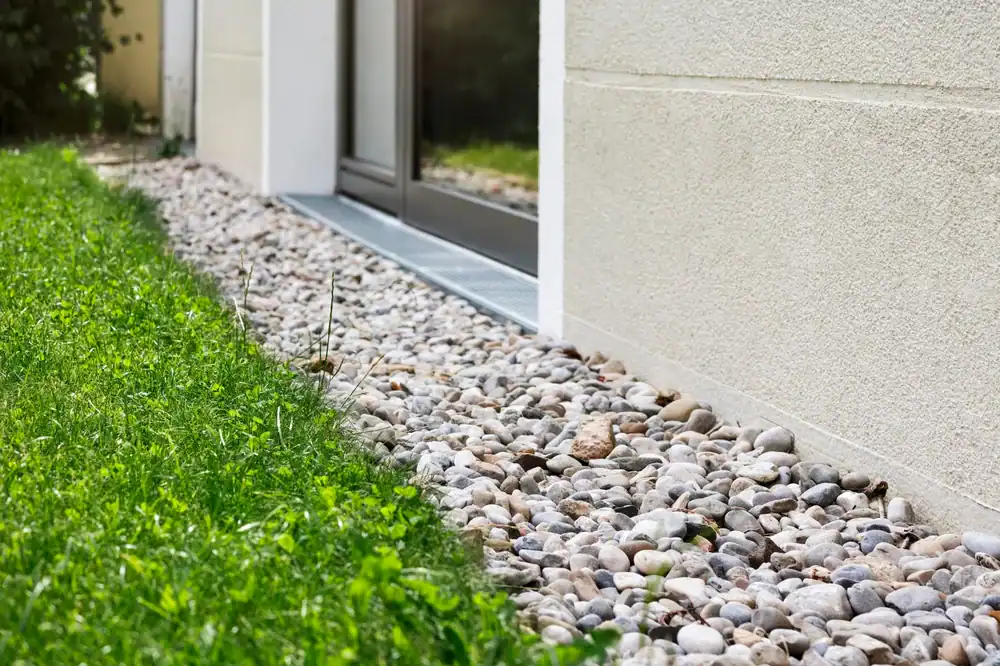
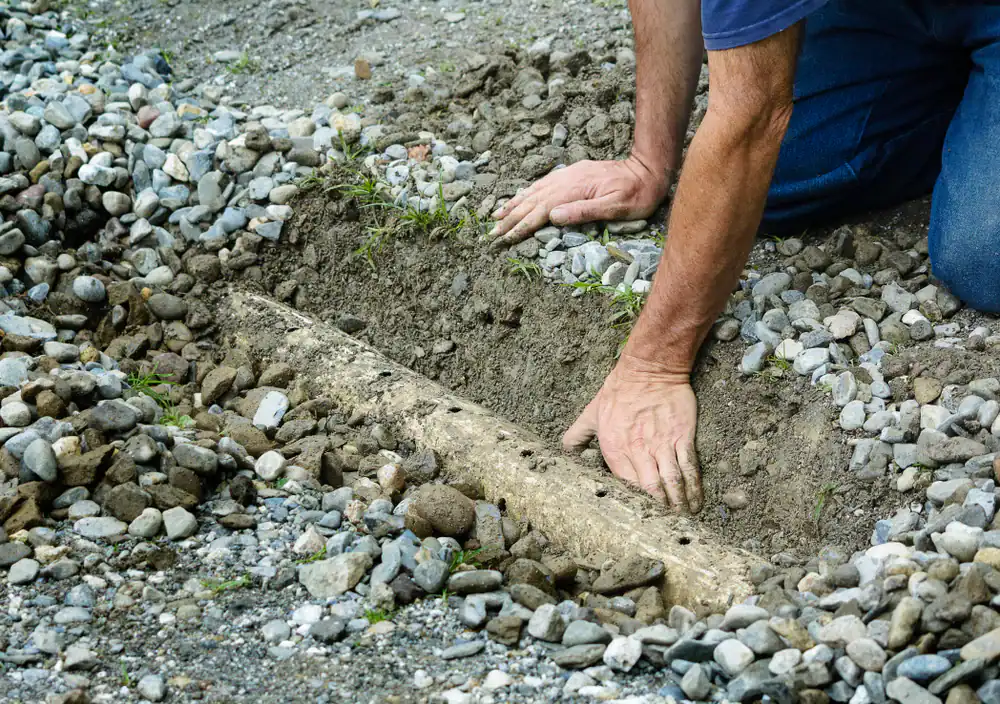
You’re not looking for a temporary fix. You need water gone—permanently—without the cost and disruption of full basement waterproofing that turns your home into a construction zone for weeks.
That’s what proper French drain installation does. It intercepts water before it ever reaches your foundation walls, which means you’re not constantly fighting hydrostatic pressure, dealing with seepage, or wondering when the next heavy rain will flood your basement again.
Browns Summit gets over 30 inches of rain annually, with May storms dumping nearly 4 inches in a single month. When that water has nowhere to go, it pools around your foundation, seeps through cracks, and creates the exact conditions for mold growth and structural damage. A professionally installed perimeter drain system changes that equation entirely—water gets redirected before it becomes your problem.
Most installations take one to two days. You get a solution that works during the heaviest downpours, protects your foundation from long-term damage, and costs significantly less than interior waterproofing systems that only address symptoms after water’s already inside.
We’ve spent over a decade protecting homes across Guilford, Randolph, Alamance, and Forsyth Counties from moisture damage. We started with crawl space encapsulation and air quality solutions, which taught us exactly how water moves around North Carolina foundations and what it takes to stop it.
That experience matters when you’re installing landscape drainage solutions. We understand how Browns Summit’s clay-heavy soil holds water, how seasonal rainfall patterns affect your property, and which drainage approaches actually work long-term versus the shortcuts that fail within a few years.
We’re BBB accredited, NADCA certified, and we’ve built our reputation on showing up when we say we will, doing the work right the first time, and being straight with you about what your property actually needs. No upselling, no scare tactics—just honest assessments and drainage solutions that last.

First, we assess your property to identify where water’s coming from and where it needs to go. That means looking at your lot’s slope, soil composition, existing drainage, and problem areas where water pools or seeps into your foundation. This isn’t guesswork—proper trench drain placement requires understanding how water flows across your specific property.
Next, we excavate a trench along your foundation perimeter or in the landscape areas where water accumulates. The trench gets sloped correctly—typically a 1% grade—so gravity does the work of moving water away from your home. We install perforated pipe surrounded by gravel, which filters out soil and debris while allowing water to flow freely into the drainage system.
The pipe directs water to a safe discharge point away from your foundation—usually a drainage ditch, dry well, or storm drain depending on your property layout. We backfill the trench, and in most cases, you won’t even know it’s there once we’re done. The entire installation typically takes one to two days, depending on the linear footage and site conditions.
What you get is a system that works 24/7, handling everything from light rain to the heavy storms North Carolina throws at us, without you having to think about it or maintain it constantly.
Ready to get started?
You’re getting a complete perimeter drainage system designed specifically for your property’s needs. That includes site assessment, proper excavation at the correct depth and slope, high-quality perforated pipe, drainage gravel that won’t clog or shift, and discharge routing that actually moves water away from your home—not just to another problem area.
We also handle the details most homeowners don’t think about until they become problems: filter fabric to prevent soil infiltration, proper grading to ensure consistent water flow, and integration with your existing landscape so you’re not left with a torn-up yard. If your situation requires it, we can incorporate surface drainage solutions for areas where water pools on top of the ground, or connect to sump pump systems for comprehensive basement waterproofing.
Browns Summit’s climate makes this work critical. North Carolina’s seeing increased precipitation intensity, and hurricane-associated storms are projected to bring even heavier rainfall as the climate shifts. Your drainage system needs to handle not just today’s weather patterns, but the more intense storms coming in the next decade. That’s why we size systems appropriately and use materials that last 30+ years, not the minimum that barely gets the job done.
This also ties directly into your home’s overall moisture management. If you’ve got crawl space humidity issues or foundation concerns, French drain installation often works hand-in-hand with encapsulation and waterproofing to create a complete solution that keeps your entire home dry and structurally sound.

Most professional French drain installations run between $20 and $50 per linear foot, which means a typical 50-foot perimeter drain costs somewhere between $1,000 and $2,500. That range depends on several factors: how deep we need to excavate, what your soil conditions look like, whether we’re working around existing landscaping or hardscaping, and where the discharge point is located.
If you’ve got a straightforward installation with accessible areas and decent soil, you’ll be on the lower end. If we’re dealing with heavy clay, tight spaces, or need to route drainage a long distance to reach a proper discharge point, costs go up. Same goes if you need surface drainage solutions or catch basins integrated into the system.
Here’s what matters: this is almost always cheaper than dealing with foundation repairs, mold remediation, or full interior basement waterproofing down the road. A French drain stops problems before they start, which is why it’s one of the most cost-effective solutions for homes dealing with water intrusion. We’ll give you an honest estimate based on what your property actually needs—no padding, no surprises.
A properly installed French drain system should last 30 to 40 years with minimal maintenance. The key word there is “properly”—which means correct slope, quality materials, proper gravel sizing, and filter fabric that prevents soil from clogging the pipe over time.
The most common failure points are poor installation (wrong slope, inadequate gravel, no filter fabric) and discharge points that weren’t thought through. If water doesn’t have anywhere to go, or if the pipe clogs because corners were cut during installation, you’ll have problems within a few years instead of decades.
That’s exactly why professional installation matters. We’re not just digging a trench and dropping in pipe. We’re engineering a system that accounts for your soil type, rainfall patterns, and long-term performance. The perforated pipe we use is designed to handle decades of water flow. The gravel stays in place and continues filtering. And because we slope everything correctly from the start, gravity keeps doing the work year after year without pumps, power, or constant intervention on your part.
Yes—if the flooding is caused by exterior water pressure, which it usually is. French drains work by intercepting groundwater before it reaches your foundation walls, which eliminates the hydrostatic pressure that forces water through cracks, seams, and porous concrete.
Here’s the thing: basements don’t flood because water magically appears inside. They flood because water saturates the soil around your foundation, builds up pressure, and finds any available entry point. Once you remove that exterior water through a perimeter drain system, there’s no pressure pushing water inside, which means your basement stays dry even during heavy rain.
This is different from interior waterproofing, which tries to manage water after it’s already breached your foundation. French drains address the root cause—exterior water accumulation—rather than just treating symptoms. That’s why they’re so effective and why they work even during the kind of severe weather events North Carolina has been seeing more frequently. When Hurricane Helene dumped record rainfall across the state, homeowners with properly installed French drains were glad they had them. The systems handled the load because they were designed to intercept and redirect large volumes of water, not just handle light seepage.
French drains handle subsurface water—the water that saturates soil around your foundation. Surface drainage solutions, like trench drains or channel drains, handle water that pools on top of the ground. Depending on your property, you might need one or both.
If you’ve got water seeping into your basement or crawl space, that’s a French drain problem. If you’ve got standing water in your yard after every rain, or water flowing across your driveway toward your foundation, that’s a surface drainage problem. Many properties in Browns Summit deal with both because our clay-heavy soil doesn’t absorb water quickly, which creates surface pooling and subsurface saturation at the same time.
A French drain is basically a gravel-filled trench with perforated pipe at the bottom. Water seeps through the soil, enters the gravel, flows into the pipe, and gets carried away from your foundation. It’s a passive system—no moving parts, no power required. Trench drains and catch basins, on the other hand, capture surface runoff and direct it into underground pipes or drainage areas. Sometimes we integrate both systems so you’re managing water at every level, which gives you complete protection regardless of how heavy the rain gets or how saturated your soil becomes.
Very little, if they’re installed correctly. You should check the discharge point once or twice a year to make sure it’s not blocked by leaves, debris, or sediment buildup. That’s about it for most systems.
The reason French drains are so low-maintenance is because they’re designed to be passive. There’s no pump to fail, no moving parts to break, and if we’ve used proper filter fabric and grading during installation, soil shouldn’t clog the pipe. The gravel acts as a natural filter, and the perforated pipe allows water to enter while keeping larger debris out.
Where people run into trouble is when systems are installed without filter fabric, with the wrong type of gravel, or with inadequate slope. Those systems clog, settle, or stop draining within a few years, which defeats the entire purpose. That’s the difference between a $1,500 investment that lasts 30+ years and a $1,500 mistake that needs to be redone in five. We install systems the right way from the start, which means you’re not dealing with constant repairs, cleanouts, or failures when you actually need the drainage to work.
If you’re seeing water in your basement, damp crawl space walls, foundation cracks that seem to be getting worse, or soil that stays saturated around your foundation for days after rain, you likely need a French drain. Those are all signs of subsurface water pressure that a perimeter drainage system solves.
If you’ve got standing water in your yard, water flowing toward your house across the surface, or pooling around your foundation after storms, you might need surface drainage solutions in addition to or instead of a French drain. Sometimes it’s both—subsurface and surface water working together to create problems.
The only way to know for sure is to have someone who understands drainage look at your specific property. We’ll assess your grading, soil conditions, where water’s coming from, and what’s actually causing your moisture problems. Then we’ll tell you what you need—not what makes us the most money, but what actually solves your problem long-term. Sometimes that’s a full perimeter French drain. Sometimes it’s targeted drainage in specific problem areas. Sometimes it’s French drain repair if you’ve got an old system that’s failing. We’ve been doing this long enough to know the difference, and we’re not interested in selling you something your property doesn’t need.