

Contact Info
- Greensboro, NC 27406
- Call: 336-707-0498
- Text: 336-707-0498
-
Mon - Fri: 8am - 4pm
Sat - Sun: Closed
Contact Info
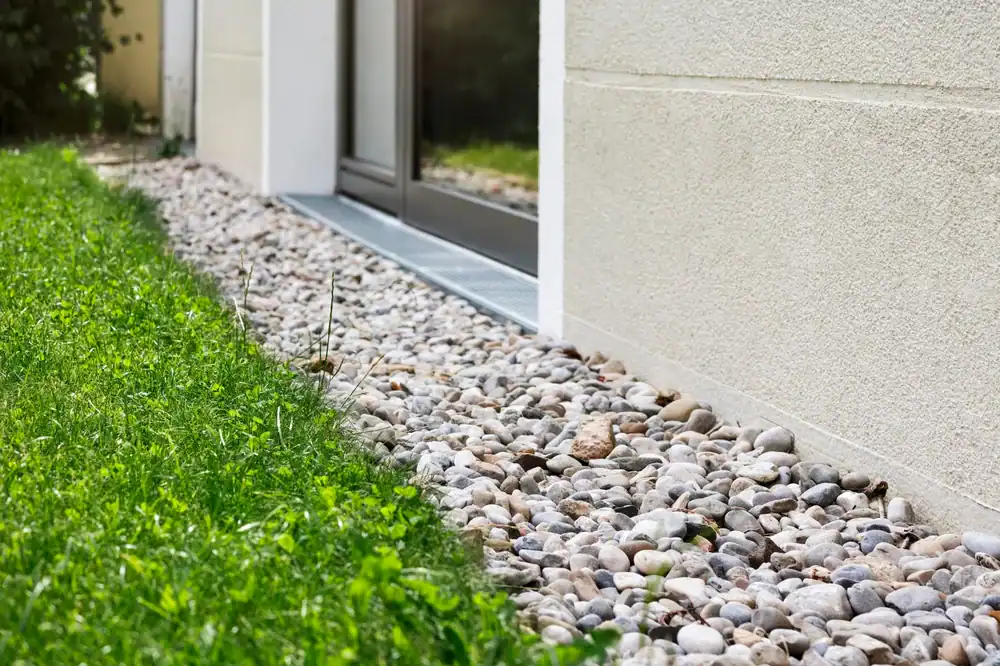
You stop worrying every time it rains. Your basement stays dry, your foundation stops settling, and you’re not dealing with mold in your crawl space.
A properly installed French drain moves water where it needs to go—away from your home. That means no more puddles that sit for days after a storm. No more musty smells creeping up from below.
Freeman Mill gets its share of heavy rain, and when your yard can’t handle the runoff, your foundation pays the price. Surface drainage and landscape drainage solutions aren’t just about keeping your lawn pretty. They’re about protecting the structure you’re living in.
Most homeowners wait until they see cracks or flooding. By then, you’re looking at foundation repair costs that make drainage work look like pocket change. Installing a trench drain or French drain system now keeps water from ever becoming a problem.
We’ve spent over 30 years solving moisture problems for homeowners in Greensboro and surrounding areas like Freeman Mill. We started with indoor air quality and crawl space work because water doesn’t just damage foundations—it creates mold, humidity issues, and air quality problems inside your home.
French drain installation is a natural extension of what we already do. We understand how water moves around your property, where it’s getting in, and how to stop it permanently.
We’re local. We know Freeman Mill’s soil conditions, drainage challenges, and what happens when water mains break or storms hit. That matters when you’re designing a system that has to work for years, not just until the next rain.

First, we assess where water is pooling and where it needs to go. Not every property is the same, and cookie-cutter solutions don’t work when you’re dealing with grading issues, soil saturation, or foundation drainage.
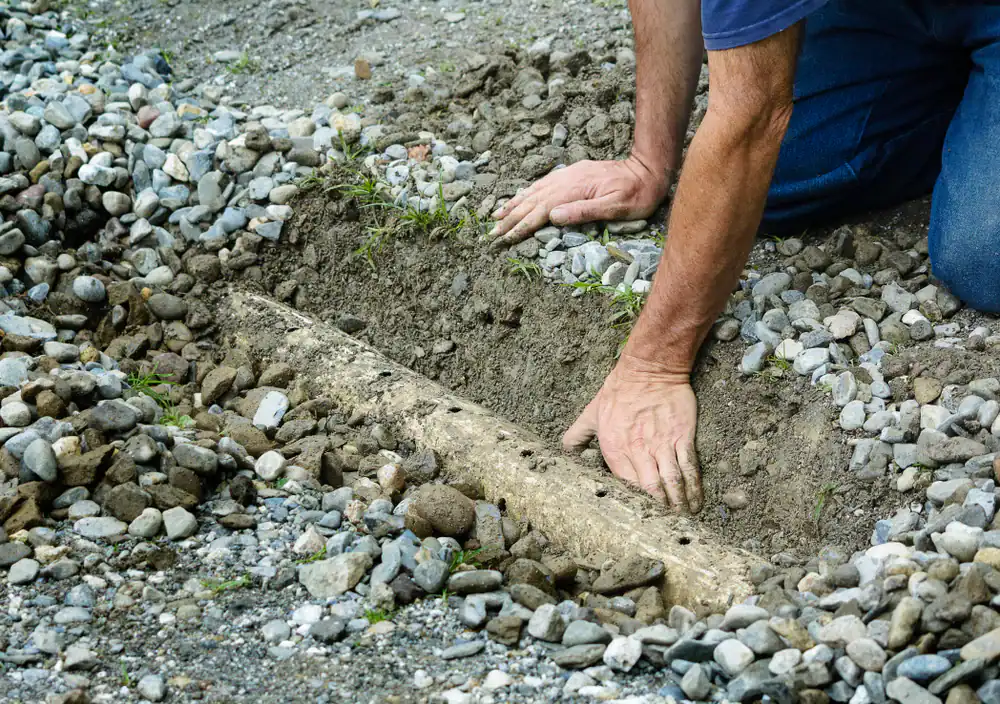
We dig a trench along the problem area—usually near your foundation, along the yard’s low spots, or where downspouts dump water too close to your home. The trench gets lined with landscape fabric to keep soil and debris out. Then we lay perforated pipe and surround it with gravel, which filters water into the pipe while letting it flow freely.
The pipe carries water to a discharge point away from your house. That could be a drainage ditch, a dry well, or another low area on your property where water won’t cause problems. If your downspouts are contributing to the issue, we can tie those into the system too.
Once it’s installed, you’ll see results immediately. After the next heavy rain, water that used to pool near your foundation will be gone. No standing water. No slow drainage. Just a system that works.
Ready to get started?
A proper French drain installation includes site evaluation, trench excavation, fabric lining, perforated pipe, gravel fill, and connection to a safe discharge area. If you have existing drainage problems, we’ll also assess whether you need surface drainage improvements or grading adjustments.
Freeman Mill properties often deal with clay-heavy soil that doesn’t absorb water quickly. That makes drainage systems even more important here. Without a way to move water off your property, it just sits—and eventually finds its way into your basement or under your foundation.
We also handle French drain repair for systems that have failed or clogged over time. Tree roots, soil intrusion, and improper installation are common culprits. If your old system isn’t working, we’ll diagnose the issue and either repair or replace it depending on what makes sense.
Maintenance is minimal if the system is installed correctly. Periodic inspections and clearing debris from discharge points will keep things flowing. But compared to the alternative—foundation cracks, basement waterproofing emergencies, mold remediation—it’s a small ask.

Most residential French drain installations in the Freeman Mill area run between $3,000 and $7,000 depending on the length of the trench, soil conditions, and how complex the drainage issue is. If you’re dealing with a straightforward perimeter drain around one side of your house, you’ll be on the lower end. If you need multiple drains, downspout connections, or significant grading work, costs go up.
The price per linear foot typically falls between $23 and $36 in this region. That includes excavation, materials, labor, and proper discharge setup. Cheaper quotes usually mean shortcuts—thinner gravel, no fabric liner, or improper slope. Those systems fail within a few years.
The real question isn’t what it costs to install a French drain. It’s what it costs not to. Foundation repairs start around $10,000 and go up fast. Basement waterproofing can hit $15,000 or more. Mold remediation isn’t cheap either. A drainage system is the least expensive way to avoid all of that.
A properly installed French drain can last 20 to 30 years or more if it’s built right and maintained. The pipe itself doesn’t degrade quickly—it’s the surrounding components that matter. Quality landscape fabric keeps soil from clogging the gravel. Clean gravel ensures water flows freely into the pipe. Proper slope keeps water moving toward the discharge point.
What kills French drains early is poor installation. If the trench isn’t deep enough, water won’t reach the pipe. If there’s no fabric, soil clogs the system within a few years. If the discharge point isn’t far enough from the house, water just cycles back.
Freeman Mill’s clay soil can be tough on drainage systems because it shifts and compacts over time. That’s why using the right materials and techniques matters. We’ve seen DIY systems fail in under five years. We’ve also seen professional installs still working after 25. The difference is in how it’s done.
Yes, if the flooding is caused by surface water or groundwater pressing against your foundation. A French drain intercepts that water before it reaches your basement walls and redirects it away from your home. It’s one of the most effective ways to manage both surface runoff and subsurface water.
If you’re seeing water in your basement after heavy rain, it’s usually coming from one of two places: surface water pooling near your foundation, or groundwater rising and seeping through cracks. A perimeter French drain handles both by lowering the water table around your foundation and channeling runoff away.
However, if your basement flooding is caused by a high water table, interior drainage, or sewer backup, a French drain alone might not solve it. You may need a sump pump, interior waterproofing, or other solutions. That’s why assessment matters. We’ll tell you what’s actually causing the problem and what it takes to fix it—not just sell you a drain if it’s not the right answer.
A French drain is a subsurface system designed to manage groundwater and runoff that’s already soaking into the soil. It uses a perforated pipe buried in gravel to collect and redirect water underground. You don’t see it once it’s installed—it’s hidden beneath your yard or landscaping.
A trench drain is a surface drainage solution. It’s a channel with a grate on top that catches water before it has a chance to soak in. You’ll see trench drains in driveways, patios, or along the edges of hardscapes where water needs to be captured quickly and moved away.
Both serve different purposes. If you have water pooling on your driveway or patio, a trench drain makes sense. If you’re dealing with a saturated yard, a soggy foundation, or water seeping into your crawl space, a French drain is the better option. Sometimes properties need both—it depends on where the water is coming from and where it’s going.
In most cases, no. French drain installation on private property typically doesn’t require a permit in Guilford County as long as you’re managing water within your own lot and not redirecting it onto neighboring properties or into public right-of-ways. Drainage issues are considered private property matters.
That said, if your installation involves connecting to a municipal storm drain, altering a drainage easement, or working near a wetland or protected area, you may need approval. It’s also important to make sure your discharge point is legal—you can’t just dump water onto your neighbor’s yard or into the street.
We handle drainage projects in Freeman Mill regularly and know what’s allowed and what’s not. If there’s any question about permits or regulations, we’ll walk you through it before we start digging. The last thing you want is to install a system and then have to rip it out because it wasn’t done to code.
If water is pooling near your foundation because your yard slopes toward your house, regrading might solve the problem. Proper grading directs water away from your home naturally, and it’s less invasive than installing a drainage system. But grading only works if you have somewhere for the water to go and enough space to create the right slope.
If your yard is already graded correctly and you’re still seeing water problems, a French drain is the next step. That’s especially true if you’re dealing with a high water table, clay soil that doesn’t drain, or runoff from uphill properties. Grading can’t fix those issues—you need a system that actively moves water away.
Freeman Mill properties often deal with both problems. The soil doesn’t absorb water quickly, and many lots don’t have ideal grading. In those cases, a combination approach works best: regrade where possible, and install a French drain to handle the water that grading alone can’t manage. We’ll assess your property and tell you what’s actually needed—not just default to the most expensive option.