

Contact Info
- Greensboro, NC 27406
- Call: 336-707-0498
- Text: 336-707-0498
-
Mon - Fri: 8am - 4pm
Sat - Sun: Closed
Contact Info
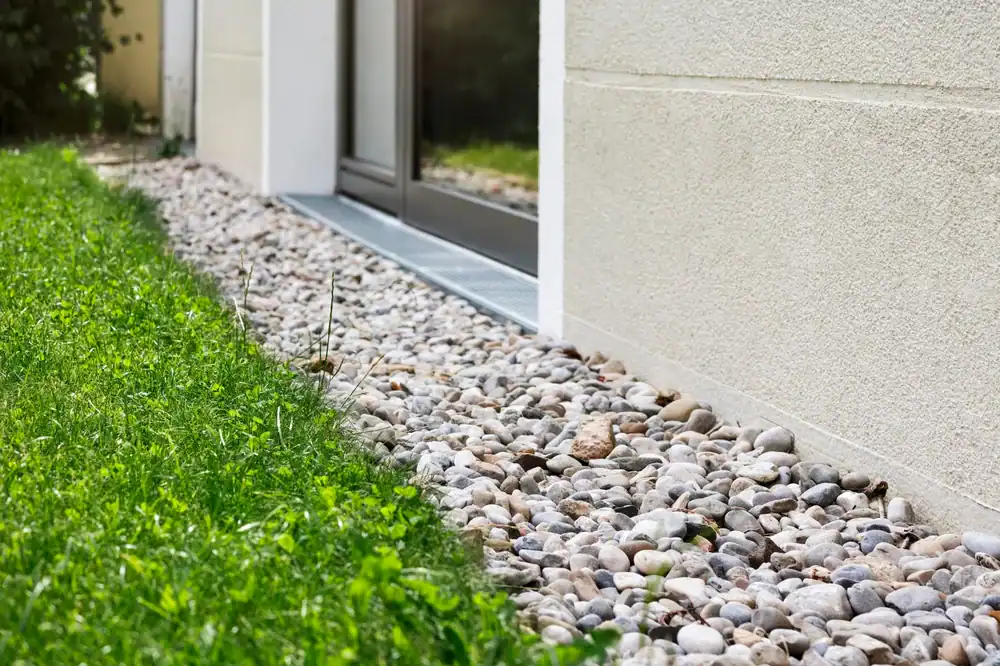
You stop smelling that musty odor every time you walk through certain rooms. Your floors feel solid again because the wood framing underneath isn’t soaking up moisture from standing water below.
The air in your home improves because you’re not pulling humidity and mold spores up from a wet crawl space. Your foundation stops shifting because water isn’t pooling around it during every heavy rain.
A properly installed French drain system redirects water away from your home before it ever reaches your foundation walls or crawl space soil. That means you’re not dealing with the aftermath—you’re preventing the problem from starting. No standing water means no mold growth, no wood rot, and no structural damage that costs thousands to repair later.
We’ve spent over three decades helping homeowners in Gibsonville, NC protect their homes from moisture damage. Rick Watson and Noah Watson are NADCA-certified through the National Air Duct Cleaners Association, which means we understand how water in your crawl space directly impacts the air you breathe inside your home.
Most contractors only think about drainage. We think about what happens after—the air quality, the mold risk, the long-term health of your home. That’s why we approach French drain installation as part of a complete moisture control strategy, not just a trench in your yard.
Gibsonville sits in an area with heavy clay soil that expands and contracts with moisture. That clay is responsible for damaging 1 in 4 foundations in our region. We’ve seen it hundreds of times, and we know exactly how to route water away from your property before it becomes your problem.

We start with a crawl space inspection to see where water is entering and how it’s affecting your foundation. We take photos, measure moisture levels, and explain what we’re seeing before we recommend anything.
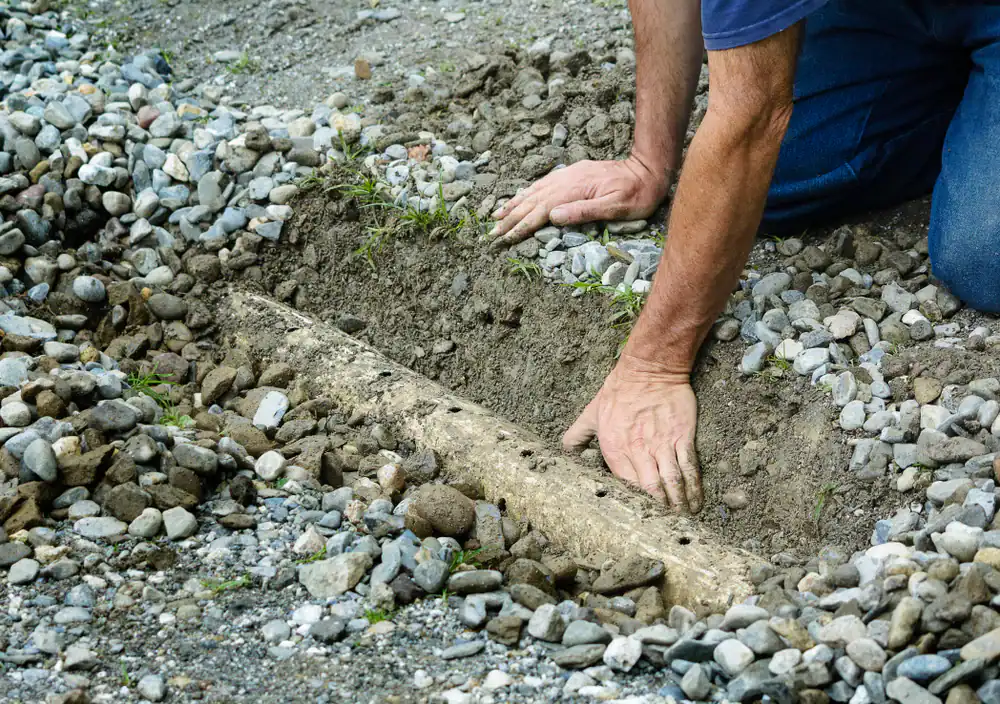
Once you approve the plan, we dig a trench around the perimeter of your crawl space or along the problem area. The trench is typically 12 inches wide and 18 to 24 inches deep, depending on your property’s grade and soil type. We install perforated pipe in the trench, surround it with freely draining gravel, and make sure it slopes correctly so water flows away from your home—not toward it.
The pipe collects groundwater and surface runoff, then channels it to a safe discharge point away from your foundation. Most residential installs take one day or less. You’re not dealing with weeks of disruption or crews tearing up your entire yard.
After installation, we test the system to make sure water is moving where it should. Then we backfill the trench, clean up the site, and walk you through how the system works so you know what to expect during the next heavy rain.
Ready to get started?
Every French drain we install in Gibsonville, NC is sized for the soil conditions and rainfall patterns in the Piedmont region. That means we’re not using a one-size-fits-all approach—we’re designing the system based on your property’s actual drainage needs.
You get perforated drainage pipe that’s sized larger than the minimum requirement because undersized pipes fail when you need them most. We use 6-inch pipe instead of 3-inch to handle heavy rain without backing up. The trench is lined with landscape fabric to prevent soil from clogging the gravel, and the gravel itself is clean stone that won’t compact over time.
We also connect your French drain to a sump pump system if your crawl space is below grade, so water has somewhere to go even when gravity isn’t enough. This is especially important in Gibsonville, where clay soil doesn’t absorb water quickly and can cause flooding during storm season.
The goal is simple: keep your crawl space dry year-round so your foundation stays stable and your indoor air quality doesn’t suffer. Most jobs cost between $2,500 and $5,000 depending on the size of your home and how much drainage work is needed.

Most residential French drain installations in Gibsonville, NC range from $2,500 to $5,000. The cost depends on how many linear feet of trench we need to dig, how deep the system needs to be, and whether we’re tying it into an existing sump pump or installing a new one.
Pricing typically runs $20 to $60 per linear foot. Shallow systems with easy access cost less. Deeper trenches or installs that require cutting through concrete or navigating tight spaces cost more.
If you’re dealing with crawl space moisture, foundation cracks, or standing water after every rain, the cost of not fixing it is higher. Foundation repairs can run $10,000 or more, and mold remediation isn’t cheap either. A French drain system is preventive—it stops the damage before it starts.
A properly installed French drain system can last 20 to 30 years or more if it’s maintained. The key is making sure the pipe doesn’t clog with soil or roots, and that the gravel stays clean and free-draining.
We install landscape fabric around the gravel to prevent soil infiltration, which is the most common cause of system failure. We also size the pipe larger than necessary so it can handle debris without backing up.
You should inspect your discharge point once or twice a year to make sure water is flowing freely. If you notice standing water in your crawl space after a heavy rain, that’s a sign something might be blocked and needs attention. Catching it early means a simple cleanout instead of a full replacement.
A French drain will stop water from pooling in your crawl space, which is a major contributor to high humidity. But if you’re dealing with condensation from outside air entering through vents, you’ll also need crawl space encapsulation to fully control moisture levels.
North Carolina’s average summer humidity exceeds 70%, and when that humid air hits the cooler surfaces in your crawl space, it condenses. That creates the perfect environment for mold growth and wood rot, even if you don’t have standing water.
We typically recommend French drain installation as the first step because it addresses the water source. Then we can encapsulate the space with a vapor barrier and seal the vents to keep humid outside air from getting in. The combination of both systems gives you long-term moisture control and better indoor air quality.
You can dig a trench and lay pipe yourself, but getting the slope right is harder than it looks. If the pipe doesn’t slope at least 1% grade toward the discharge point, water will sit in the line and eventually back up into your crawl space.
You also need to know where to discharge the water. Routing it toward your neighbor’s property or too close to another part of your foundation just moves the problem. And if you hit a utility line while digging, you’re looking at expensive repairs and potential safety hazards.
Professional installation ensures the system is sized correctly, sloped properly, and tied into a sump pump if needed. Most installs take one day, and you’re not spending your weekend digging trenches or troubleshooting drainage issues. For something that protects your foundation and your home’s air quality, it’s worth doing right the first time.
Gibsonville sits in the North Carolina Piedmont, where the soil is heavy clay. Clay expands when it gets wet and contracts when it dries out, which creates pressure on your foundation walls and opens gaps that let water in.
Clay also drains poorly, so water sits on the surface longer after a storm instead of soaking into the ground. That gives it more time to find its way into your crawl space through cracks, vents, or gaps around your foundation.
The region’s humidity makes the problem worse. Even if you don’t have standing water, the moisture in the air condenses on cooler surfaces in your crawl space and creates the same issues—mold, wood rot, and musty odors. A French drain system redirects surface water and groundwater away from your foundation so it never has a chance to cause problems.
A French drain is buried underground and collects water from the soil around your foundation. It uses perforated pipe surrounded by gravel so groundwater and surface runoff can seep in and get channeled away from your home.
A trench drain sits at ground level and has a grated top. It’s designed to catch surface water from driveways, patios, or areas where water pools on the surface. You’ll see trench drains in front of garage doors or along the edge of a driveway where water runs off.
For crawl space moisture problems in Gibsonville, NC, a French drain is usually the right solution because the water is coming from the soil around your foundation, not just surface runoff. If you have both surface water and groundwater issues, we can combine both systems to give you complete drainage coverage.