

Contact Info
- Greensboro, NC 27406
- Call: 336-707-0498
- Text: 336-707-0498
-
Mon - Fri: 8am - 4pm
Sat - Sun: Closed
Contact Info
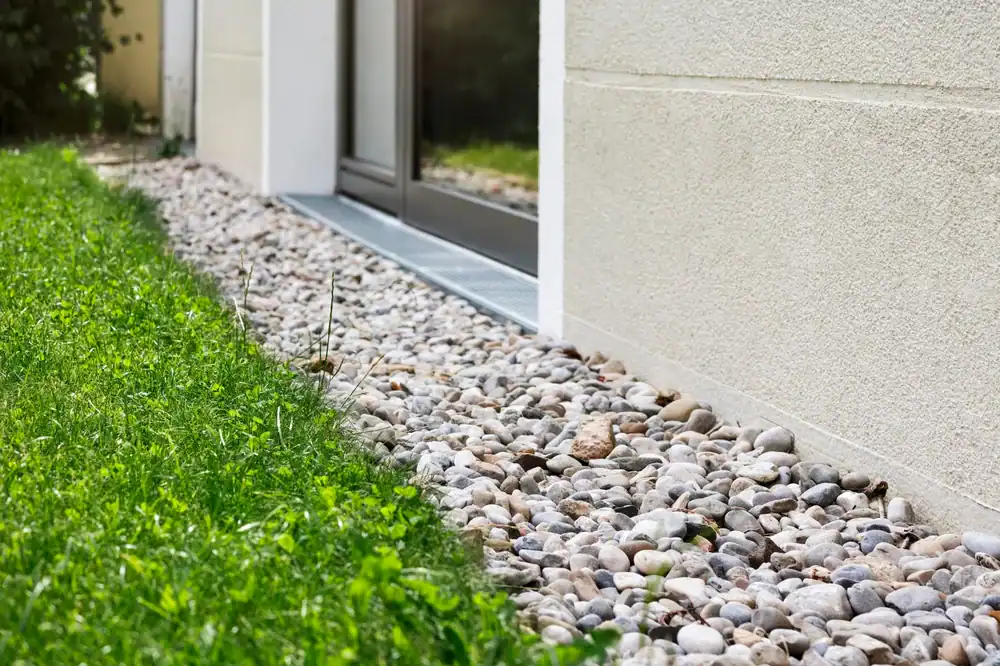
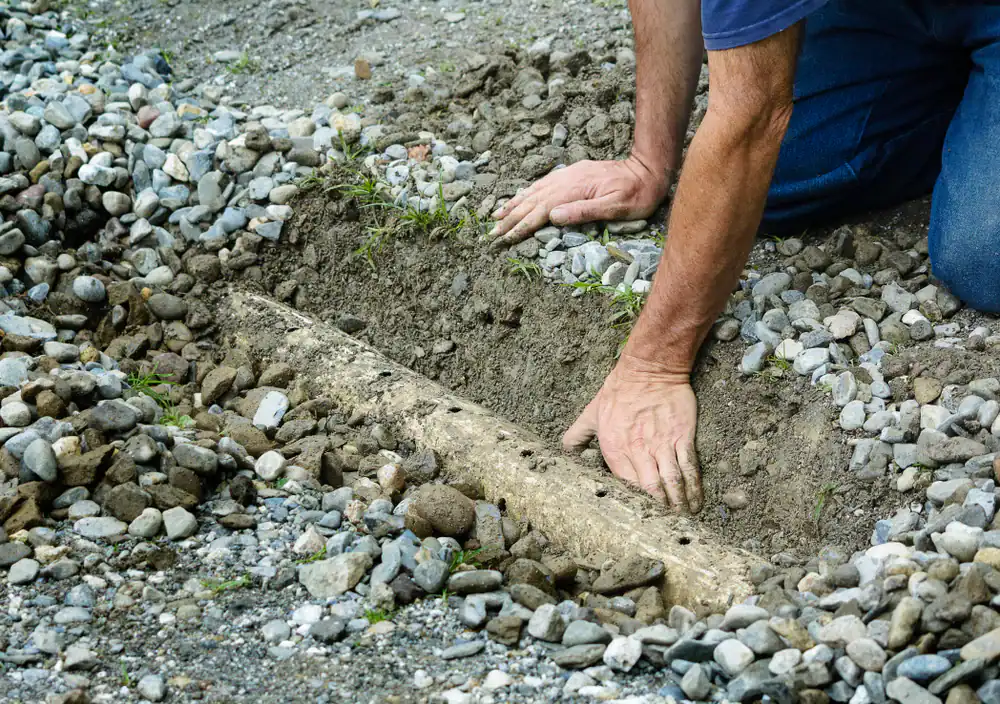
You get a yard that drains instead of flooding. Your basement stays dry during heavy rain. Your foundation stops taking on water pressure that leads to cracks.
Here’s what matters: Graham sits right in North Carolina’s Piedmont clay belt. That red clay soil looks great, but it doesn’t drain worth a damn. When a summer storm drops two inches in an hour, that water has nowhere to go except toward your foundation.
A properly installed French drain changes that. It intercepts groundwater before it reaches your home, channels it away from vulnerable areas, and keeps working even when the rain doesn’t stop. You’re not just moving water around—you’re protecting the single biggest investment most people ever make.
The average water damage claim runs over $12,500. Just one inch of water inside your home can cause $25,000 in damage. A French drain installation costs a fraction of that, and it works every single day.
We’ve been protecting homes in Guilford, Alamance, Randolph, and Forsyth Counties for over 30 years. We started with crawl space work and indoor air quality—which means we’ve seen what water damage actually does to homes from the inside out.
We’re BBB Accredited and we know this area. We understand how Cecil soil behaves when it’s saturated. We’ve worked through enough Carolina thunderstorms to know what holds up and what fails when you need it most.
You’re not getting a national franchise or a crew that learned about drainage on YouTube. You’re getting local contractors who’ve been digging in North Carolina dirt long enough to know exactly what your property needs.

First, we assess your property to identify where water collects and where it needs to go. We’re looking at slope, soil type, existing drainage, and how water moves across your yard during heavy rain. This isn’t guesswork—it’s reading the land.
Next, we trench the drain path using contractor-grade equipment. The trench gets lined with filter fabric, filled with gravel, and fitted with perforated pipe that collects and channels water. Everything gets wrapped properly so the system doesn’t clog with clay and sediment over time.
The water gets directed to a safe discharge point—usually a drainage easement, street drain, or low area away from structures. We make sure the grade is right so gravity does the work. No pumps to fail, no complicated systems to maintain.
Finally, we backfill and restore the surface. Most installations take hours, not days. You get a system that starts working immediately and keeps working through every storm that follows.
Ready to get started?
You get a complete drainage system designed for your specific property and Graham’s clay soil conditions. That includes site evaluation, proper trenching depth, quality perforated pipe, drainage fabric, and clean gravel that won’t break down.
We handle surface drainage issues and subsurface water problems. If you need a trench drain for your driveway or additional landscape drainage solutions to manage runoff, we can integrate those into the overall system. Everything works together instead of fighting each other.
The installation follows proper grading standards and local codes. We’re not just digging a ditch and hoping for the best. The system gets built to relieve hydrostatic pressure against your foundation, prevent basement flooding, and eliminate standing water that makes your yard unusable.
Around here, 98% of basements will experience some level of water damage over time. Most homeowners don’t take preventive action until after they’ve had a problem. You’re ahead of the curve by addressing drainage before it becomes a crisis—and before you’re filing a claim that averages nearly $14,000.

Most residential French drain installations in the Graham area run between $2,500 and $8,000, depending on the length of the system, depth required, and site conditions. A simple 50-foot exterior drain costs less than a full perimeter system around your foundation.
Clay soil adds some complexity because we need to make sure the system won’t clog with sediment. That means proper fabric wrapping and the right gravel—not shortcuts that fail in two years. You’re paying for a system that actually works long-term.
Compare that cost to water damage repairs. One flooded basement can easily hit $15,000 to $25,000 once you factor in structural repairs, mold remediation, and replacing everything that got ruined. French drain installation is insurance that actually prevents the claim instead of just paying for it after the fact.
Yes, but only if it’s installed correctly for clay conditions. Clay soil is dense and doesn’t absorb water well, which is exactly why you need a French drain in the first place. The system has to intercept water before it saturates the clay around your foundation.
The key is proper fabric wrapping and gravel selection. Clay particles are fine enough to clog a drain system if they migrate into the pipe. We use non-woven geotextile fabric that filters out sediment while letting water through. The gravel needs to be clean and properly sized—not the cheap stuff that breaks down.
Cecil soil covers over 1.6 million acres across the Piedmont, including most of the Graham area. Every contractor around here should know how to work with it, but not all of them do. The ones who cut corners end up with systems that fail during the first major rain event. Ours keep working because we build them right from the start.
A properly installed French drain should last 20 to 30 years or more with minimal maintenance. The system itself is simple—it’s just pipe, gravel, and fabric using gravity to move water. There are no moving parts to break or pumps to replace.
What kills French drains early is poor installation. If the fabric isn’t wrapped correctly, clay and sediment clog the pipe. If the slope isn’t right, water sits instead of flowing. If cheap materials get used, the system deteriorates faster than it should.
You’ll want to check the discharge point occasionally to make sure it’s clear and flush the system if you notice any drainage slowdown. But that’s about it. Compare that to the ongoing headaches of a basement that floods every spring or a yard that turns into a swamp after every thunderstorm. The French drain just sits there doing its job, year after year.
Absolutely. In fact, that’s one of the main reasons people call us. An exterior French drain relieves the hydrostatic pressure pushing water through your foundation walls and prevents future flooding.
If you’re already dealing with water intrusion, the French drain addresses the source of the problem instead of just managing symptoms. Interior solutions like sump pumps handle water that’s already inside—exterior drainage stops it from getting there in the first place.
We’ll evaluate your specific situation to determine the best approach. Sometimes you need both exterior drainage and interior waterproofing if the damage is extensive. But the French drain is usually the foundation of any real solution because it controls groundwater before it becomes a problem. Once that’s handled, your basement stays dry and you stop worrying every time the forecast calls for rain.
A French drain is a subsurface system that collects groundwater through perforated pipe buried in gravel. You don’t see it once it’s installed. It handles water that’s moving through the soil before it surfaces.
A trench drain is a surface drainage system with a visible grate on top. It collects water that’s already running across pavement, driveways, or patios. You see these at the bottom of sloped driveways or in front of garage doors.
Most properties need both types working together. The French drain manages subsurface water and foundation drainage. The trench drain captures surface runoff before it floods your driveway or flows toward your home. We can integrate both into a complete landscape drainage solution that handles water at every level. The goal is the same either way—get water away from your home before it causes damage.
It depends on the scope of work and where the water discharges. Most residential French drain installations don’t require a permit if you’re directing water to an appropriate drainage area on your own property. But if you’re connecting to municipal storm drains or doing extensive grading work, you might need approval.
Alamance County and the Town of Graham have specific regulations about stormwater management and drainage. We’re familiar with local requirements and can tell you upfront what’s needed for your project. If permits are required, we handle that process.
The bigger concern is making sure your drainage system is code-compliant and doesn’t create problems for neighboring properties. Water has to go somewhere, and it needs to be somewhere legal and appropriate. We design systems that work with local topography and regulations—not against them. You get drainage that solves your problem without creating new ones.