

Contact Info
- Greensboro, NC 27406
- Call: 336-707-0498
- Text: 336-707-0498
-
Mon - Fri: 8am - 4pm
Sat - Sun: Closed
Contact Info
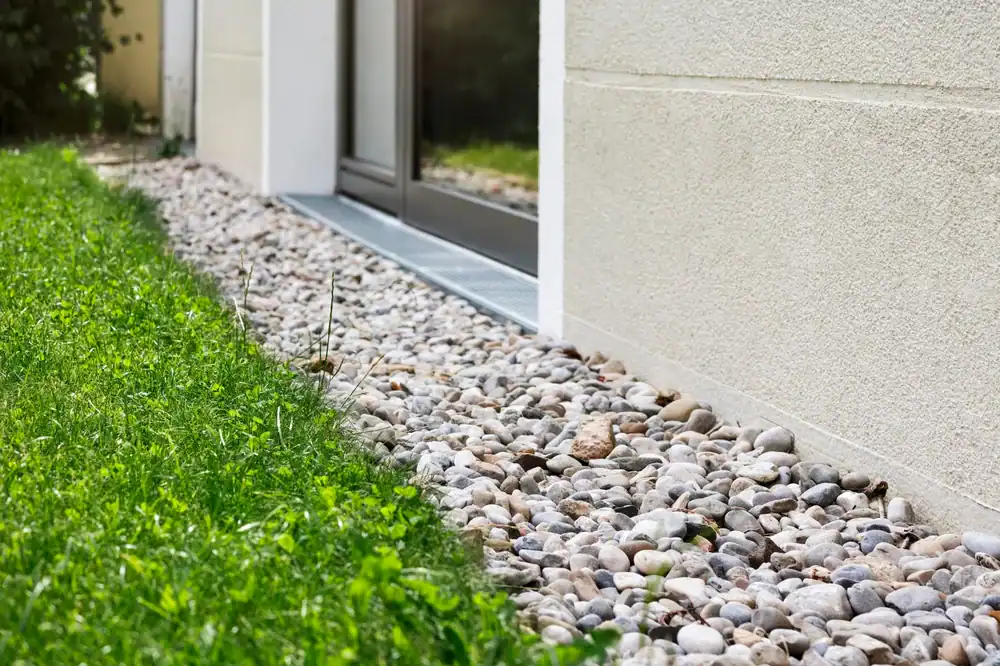
Water pooling around your foundation isn’t just annoying. It’s actively threatening your home’s structural integrity, creating hydrostatic pressure against basement walls, and turning your crawl space into a breeding ground for mold.
A properly installed French drain system intercepts that water before it becomes a problem. It channels groundwater away from vulnerable areas, relieves pressure on foundation walls, and eliminates the standing water that leads to flooding, erosion, and landscape damage.
You get a yard that’s actually usable after storms. A basement that stays dry during Greensboro’s heaviest rainfall. And peace of mind knowing your foundation isn’t slowly deteriorating from constant moisture exposure.
The difference between a soggy, problematic property and one with effective drainage comes down to understanding how water moves through Greensboro’s heavy clay soil—and installing a system designed specifically for those conditions.
We’ve been working in Greensboro for over 30 years, primarily focused on indoor air quality, crawl space encapsulation, and mold remediation. That background matters because moisture problems don’t exist in isolation—they’re connected.
We’ve seen what happens when water gets where it shouldn’t. The mold growth, the structural damage, the air quality issues that follow. French drain installation is a natural extension of the moisture control work we’ve been doing for decades.
Our teams understand Greensboro’s clay-heavy soil conditions, the seasonal rainfall patterns that overwhelm inadequate drainage systems, and the specific foundation challenges homeowners face in this area. We’re licensed, insured, and BBB accredited with an A+ rating because we’ve consistently delivered work that holds up over time.

We start with a site assessment to identify where water is collecting, how it’s moving across your property, and where it needs to go. This isn’t guesswork—it’s about reading the landscape and understanding drainage patterns specific to your lot.
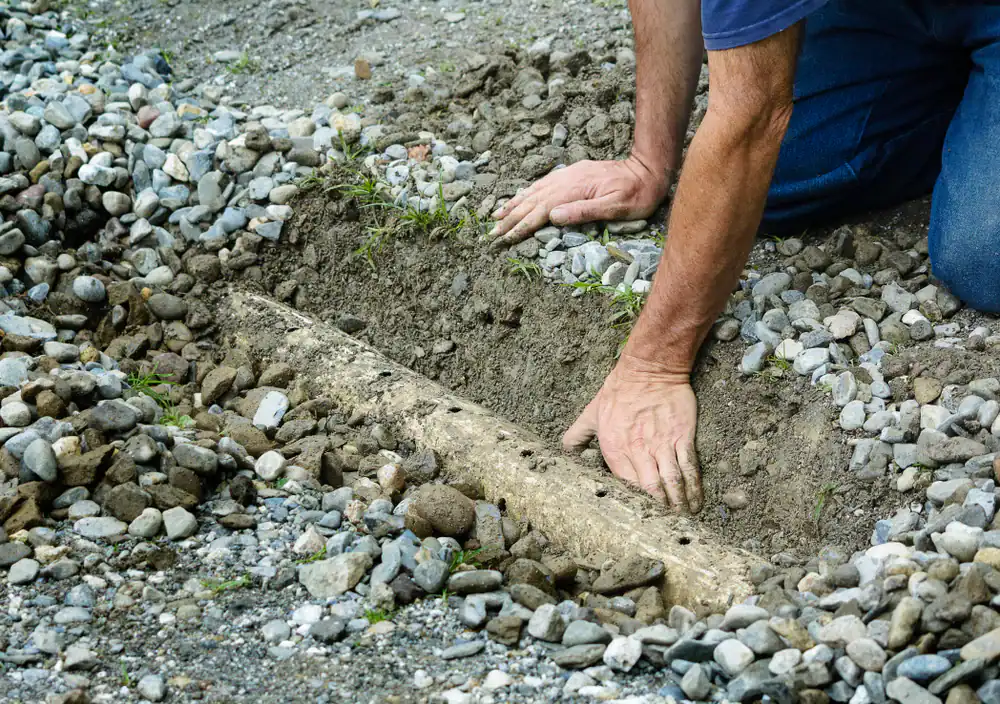
Next comes excavation. We dig a trench along the problem area, typically around your foundation perimeter or across low spots in your yard where water pools. The depth and slope are calculated to ensure gravity does the work—water naturally flows toward the designated drainage point.
We line the trench with landscape fabric, add a layer of gravel, install perforated pipe, then cover it with more gravel before backfilling. The fabric prevents clay soil from clogging the system. The gravel creates a pathway for water to reach the pipe. The pipe transports it away from your foundation to a safe discharge location—usually a drainage ditch, dry well, or storm drain.
The entire system works passively. No pumps, no electricity, no moving parts to fail. Just physics and proper installation doing exactly what they’re supposed to do every time it rains.
Ready to get started?
Greensboro gets about 45 inches of rain annually—more than the national average. That water has to go somewhere, and our clay-heavy soil doesn’t absorb it the way sandy or loamy soil does.
Clay is dense and compacted. Water can’t filter through it effectively, so it sits on the surface or slowly seeps toward your foundation. During wet seasons, that clay expands. During dry periods, it contracts. This constant expansion and contraction creates movement that destabilizes foundations, causes cracks, and worsens existing drainage problems.
A French drain system designed for clay soil accounts for these challenges. We use specific excavation techniques because clay is harder to dig than other soil types. We ensure proper slope because clay doesn’t offer natural drainage assistance. And we select materials that won’t get compromised by the soil composition over time.
You also get protection during Greensboro’s severe weather events. Professionally installed systems handle heavy flooding and sustained rainfall without backing up or overflowing. That’s the difference between a system that works when you need it most and one that fails during the first major storm.

Most French drain projects in Greensboro run between $10 and $100 per linear foot, depending on soil conditions, depth requirements, and site accessibility. A typical residential installation averages around $9,250, though simpler projects can start around $500 and more extensive systems can reach $18,000.
Clay soil increases costs because it’s harder and slower to excavate than sandy or loamy soil. If your property has significant elevation changes, requires extensive trenching, or needs multiple drainage points, that affects pricing too.
The real question isn’t just cost—it’s value. A properly installed French drain prevents foundation damage that can cost tens of thousands to repair. It stops basement flooding that destroys belongings and creates mold problems. It protects your property value and eliminates ongoing frustration with standing water and unusable yard space.
French drains are subsurface systems designed to handle groundwater and water that’s already in the soil. They’re installed below ground level, use perforated pipe surrounded by gravel, and work by collecting water that seeps through the soil.
Trench drains are surface drainage systems with a visible grate on top. They capture water that’s flowing across the surface—like in driveways, patios, or along the edge of hardscaping. Water enters through the grate and gets channeled away through a solid pipe underneath.
For foundation protection and basement flooding prevention, you typically need a French drain because the problem is subsurface water putting pressure on foundation walls. For managing surface runoff from heavy rain or preventing water from flowing into your garage, a trench drain makes more sense. Sometimes properties need both, depending on where water problems are occurring.
A professionally installed French drain system typically lasts 30 to 40 years when properly maintained. The longevity depends on installation quality, soil conditions, and whether the system gets overwhelmed by debris or sediment over time.
The most common failure point is clogging. If clay particles, roots, or sediment work their way into the perforated pipe, drainage slows down or stops completely. That’s why we use landscape fabric and proper gravel sizing—to create a filtering system that keeps contaminants out while allowing water to flow freely.
In Greensboro’s clay soil, proper installation is even more critical because the soil composition naturally wants to compact and infiltrate the system. Using the right materials and installation techniques from the start means you get decades of reliable performance instead of needing repairs or replacement within a few years.
If your basement flooding is caused by groundwater pressure or poor exterior drainage, a French drain is often the most effective solution. It intercepts water before it reaches your foundation walls, relieves hydrostatic pressure, and redirects it away from the structure.
However, basement flooding can have multiple causes. If water is entering through cracks in the foundation, you may need waterproofing repairs in addition to drainage improvements. If the problem is a high water table, you might need an interior drainage system with a sump pump. If it’s surface water flowing toward your foundation, grading corrections or surface drainage might be necessary.
The right approach starts with identifying where the water is coming from and how it’s getting into your basement. Sometimes a French drain solves the problem completely. Other times it’s part of a larger moisture management strategy that includes crawl space encapsulation, foundation sealing, or improved guttering and downspouts.
Permit requirements in Greensboro depend on the scope of work and where the water is being discharged. If you’re installing a simple French drain that discharges onto your own property away from structures, you typically don’t need a permit.
If the system ties into municipal storm drains, crosses property lines, or involves significant grading changes, you’ll likely need approval from the city. There are also regulations about where you can discharge water—you can’t redirect it in a way that creates drainage problems for neighboring properties.
We handle permit requirements as part of the installation process when they’re necessary. It’s not something you need to navigate on your own. The bigger concern is making sure the work is done correctly and complies with local codes, because improperly installed drainage systems can create liability issues and won’t perform the way you need them to.
The concept sounds simple—dig a trench, add gravel and pipe, bury it. But effective French drain installation requires understanding soil composition, calculating proper slope, selecting appropriate materials, and knowing where water can be safely discharged.
Get the slope wrong and water won’t flow. Use the wrong gravel size and the system clogs prematurely. Install the pipe backward and it doesn’t drain at all. Discharge water in the wrong location and you create new problems or violate local regulations.
In Greensboro’s clay soil, DIY installations fail at a higher rate because clay doesn’t behave like other soil types. It’s difficult to excavate, it compacts easily, and it requires specific techniques to prevent the system from getting compromised over time. Most homeowners don’t have the equipment, experience, or knowledge of local soil conditions to do it right the first time—and fixing a failed French drain costs more than hiring professionals from the start.