

Contact Info
- Greensboro, NC 27406
- Call: 336-707-0498
- Text: 336-707-0498
-
Mon - Fri: 8am - 4pm
Sat - Sun: Closed
Contact Info
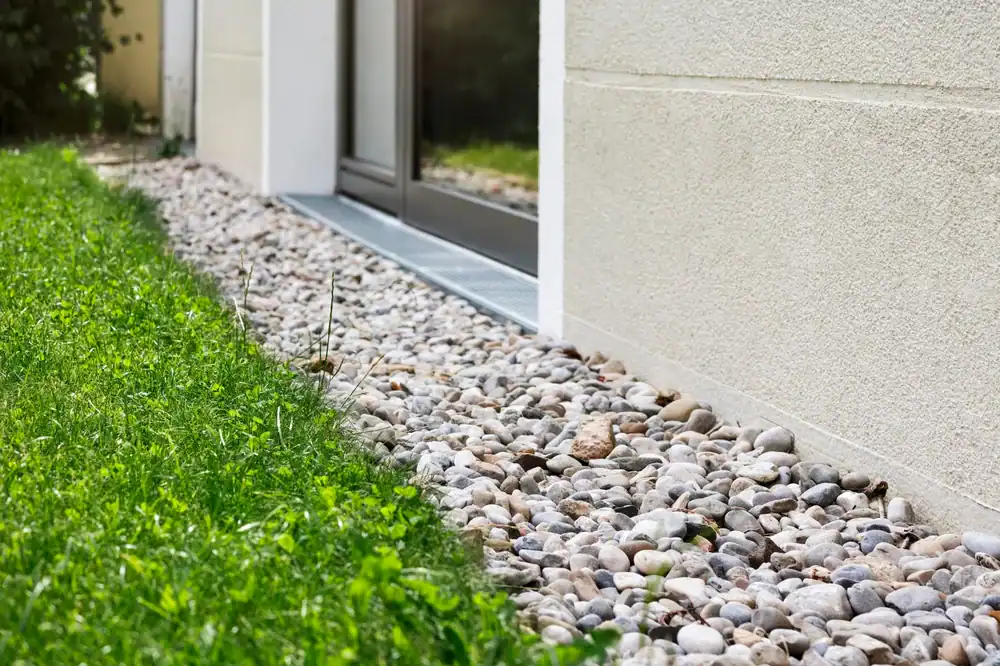
Water pooling around your foundation isn’t just annoying. It creates hydrostatic pressure against basement walls, seeps into crawl spaces, and eventually costs you thousands in repairs you didn’t budget for.
A properly installed French drain system intercepts that water before it becomes your problem. It redirects groundwater away from your foundation, keeps your basement dry during heavy rain, and stops the kind of moisture buildup that leads to mold, structural damage, and that musty smell you can’t get rid of.
Most homeowners in Greesons Crossroads don’t realize how much damage two inches of water can cause. FEMA estimates put it around $23,000 for a typical home. That’s not counting what you lose in belongings or the time spent dealing with insurance claims and contractors.
The right drainage solution means you’re not scrambling when storms roll through. Your foundation stays protected. Your crawl space stays dry. And you’re not dealing with the kind of moisture problems that make your home harder to sell down the road.
We’ve spent over 30 years helping homeowners in Greesons Crossroads and the greater Greensboro area deal with moisture, drainage, and indoor air quality issues. We’re not a national franchise following a script. We’re local contractors who understand what North Carolina soil and weather do to your property.
Rick and Noah Watson are both ASCS and CVI certified through NADCA. That matters because drainage work isn’t just about digging a trench. It’s about understanding how water moves across your specific property, what your soil does when it gets saturated, and how to build a system that works for decades, not just a few seasons.
We’ve seen what happens when drainage gets done wrong. We’ve also seen what proper waterproofing and landscape drainage solutions can do for homes that were dealing with chronic flooding. That’s why we take the time to assess your property correctly the first time.

First, we come out and look at your property. Not just where water’s pooling now, but where it’s coming from and where it needs to go. We’re checking slope, soil type, existing drainage, and how your landscape affects water flow during heavy rain.
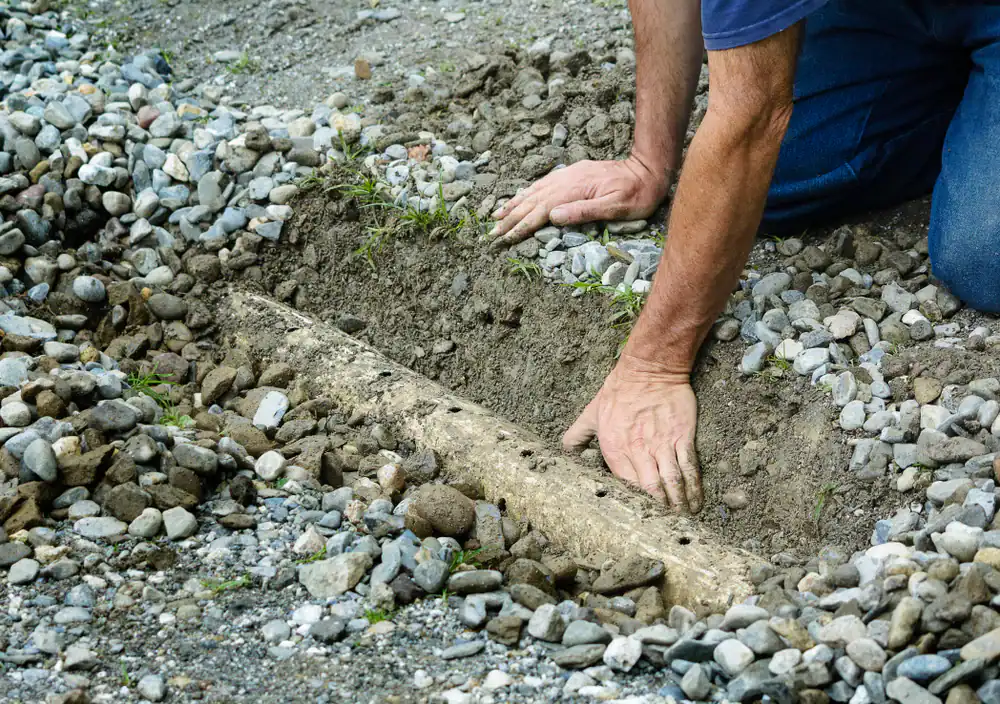
Once we know what we’re dealing with, we map out a trench drain route that intercepts water before it reaches your foundation. The trench gets dug to the right depth and slope—usually about one inch of drop per eight feet of length. That gradient matters. Too flat and water sits. Too steep and you get erosion problems.
We line the trench with landscape fabric, add a layer of gravel, install perforated pipe, then cover everything with more gravel before backfilling. The fabric keeps soil from clogging the system. The gravel allows water to flow freely into the pipe. The pipe carries it away to a safe discharge point—usually a drainage ditch, dry well, or area where runoff won’t cause problems.
The whole installation typically takes hours, not days. You’re not dealing with a torn-up yard for weeks. And if we’re connecting your French drain to other surface drainage systems or doing foundation waterproofing at the same time, we coordinate everything so you’re getting a complete solution, not a patchwork fix.
Ready to get started?
When we install a French drain system at your property, you’re getting a complete assessment of how water moves across your land. That includes identifying problem areas you might not have noticed yet—places where water will eventually cause issues if left alone.
The installation itself uses contractor-grade materials built to last. We’re not using the kind of corrugated pipe that collapses under soil pressure or fabric that deteriorates in a few years. The perforated drainage pipe we install is designed to handle North Carolina’s clay-rich soil and the kind of seasonal moisture swings that cause other systems to fail.
Greesons Crossroads sits in an area where humidity hovers around 70% year-round. That moisture doesn’t just come from rain—it comes up through your crawl space floor and seeps through foundation walls when groundwater levels rise. A French drain controls that external water source so your home’s moisture problems don’t keep coming back.
You’re also getting a system that protects your landscaping. Excess water doesn’t just damage foundations—it erodes soil, drowns plant roots, and creates muddy areas where nothing grows. Proper landscape drainage solutions mean your yard looks better and your property value stays protected.
Most drainage jobs in North Carolina run between $2,500 and $5,000 depending on the scope. That’s a fraction of what you’d spend fixing foundation damage, replacing rotted floor joists, or remediating mold in your crawl space.

A properly installed French drain can work efficiently for 20 to 30 years, sometimes longer. The lifespan depends on three things: installation quality, material choice, and maintenance.
If the system’s installed with the right slope and proper materials, you’re looking at decades of reliable performance. The perforated pipe itself doesn’t wear out. What causes problems is soil and debris clogging the system over time, which is why we use landscape fabric as a filter barrier.
Maintenance is minimal but important. Every few years, you should check that the discharge point isn’t blocked and that water’s flowing freely when it rains. If you notice standing water or slow drainage, that’s your signal to have someone inspect the system before a small clog becomes a bigger problem.
A French drain handles subsurface water—the moisture that saturates soil and creates pressure against your foundation. Surface drainage systems manage water that’s already above ground, like runoff from your roof, driveway, or lawn.
French drains work below the surface. We dig a trench, install perforated pipe surrounded by gravel, and intercept groundwater before it reaches your basement or crawl space. That water gets redirected away from your foundation through an underground drainage system.
Surface drainage might include catch basins, channel drains, or grading work that directs rainwater away from your home. Both systems serve different purposes, and many properties need both. If you’re dealing with a wet basement and also have water pooling in your yard after storms, you’re probably looking at a combination approach that addresses subsurface and surface water issues.
Yes, and clay soil is actually one of the main reasons homeowners in Greesons Crossroads need French drains in the first place. Clay doesn’t drain well. It holds water, swells when saturated, then shrinks during dry periods. That expansion and contraction puts stress on your foundation and creates pathways for water to seep into your basement.
The French drain installation process works around clay soil by creating an artificial drainage path. The gravel-filled trench and perforated pipe give water somewhere to go instead of sitting in saturated clay next to your foundation.
We do adjust the installation approach based on soil type. In heavy clay, we might go deeper or add more gravel to ensure adequate drainage capacity. The discharge point also matters more with clay soil—we need to make sure water’s being directed to an area where it can actually disperse or drain away, not just move the problem to another part of your property.
Most residential drainage projects in North Carolina run between $2,500 and $5,000. The actual cost depends on how much linear footage you need, how deep we’re going, and whether we’re dealing with obstacles like tree roots, existing utilities, or difficult terrain.
French drain installation is typically priced per linear foot, ranging from $20 to $60 depending on complexity. A straightforward installation along one side of your house costs less than a system that wraps around your entire foundation or connects to multiple discharge points.
The investment makes sense when you compare it to repair costs. Two inches of basement flooding can cause over $20,000 in damage to your home and belongings. Foundation repairs run even higher. A French drain system protects against those expenses and typically pays for itself the first time it prevents a flooding incident.
We can give you an accurate estimate after looking at your property. Every yard is different, and pricing based on someone else’s project doesn’t tell you what your specific situation requires.
French drains need occasional maintenance, but it’s not intensive. The main thing you’re watching for is clogs that prevent water from flowing through the system properly.
Once or twice a year, check the discharge point after a heavy rain. You should see water flowing out. If you don’t, or if you notice standing water where your French drain is installed, that’s a sign something might be blocking the pipe. Tree roots, soil infiltration, or sediment buildup are the usual culprits.
Every few years, it’s worth having a professional inspect the system and flush the line if needed. That’s especially true if you have trees near the drainage path, since roots will seek out water sources and can eventually penetrate the pipe.
The landscape fabric we install during the initial setup filters out most soil and debris, which is why properly installed systems can go years without issues. But no drainage system is completely maintenance-free. A little attention now prevents expensive repairs later.
No. French drain installation is more surgical than you might think. We’re digging a trench along a specific path—usually 12 to 18 inches wide and about two feet deep. That’s not a yard-wide excavation.
The trench follows the route where water needs to be intercepted, which is typically along your foundation or in areas where water naturally collects. We’re not tearing up landscaping unnecessarily. And because we use contractor-grade trenching equipment, the work moves quickly.
Most installations are completed in a matter of hours. You’ll have a trench for part of a day, then it’s backfilled and you’re done. Grass grows back. Landscaping gets restored. Within a few weeks, you won’t see much evidence of the work except that your drainage problem is gone.
If you have specific concerns about protecting certain plants, hardscaping, or lawn areas, let us know during the initial assessment. We can often route the system to minimize impact on the parts of your yard you care most about.