

Contact Info
- Greensboro, NC 27406
- Call: 336-707-0498
- Text: 336-707-0498
-
Mon - Fri: 8am - 4pm
Sat - Sun: Closed
Contact Info
Your crawl space stops smelling like mildew. That musty odor that’s been creeping into your living room? Gone.
Your floors feel solid again because the moisture that was warping joists and weakening supports isn’t there anymore. You’re not wondering what’s growing under your house or whether that wet spot is going to turn into a bigger problem.
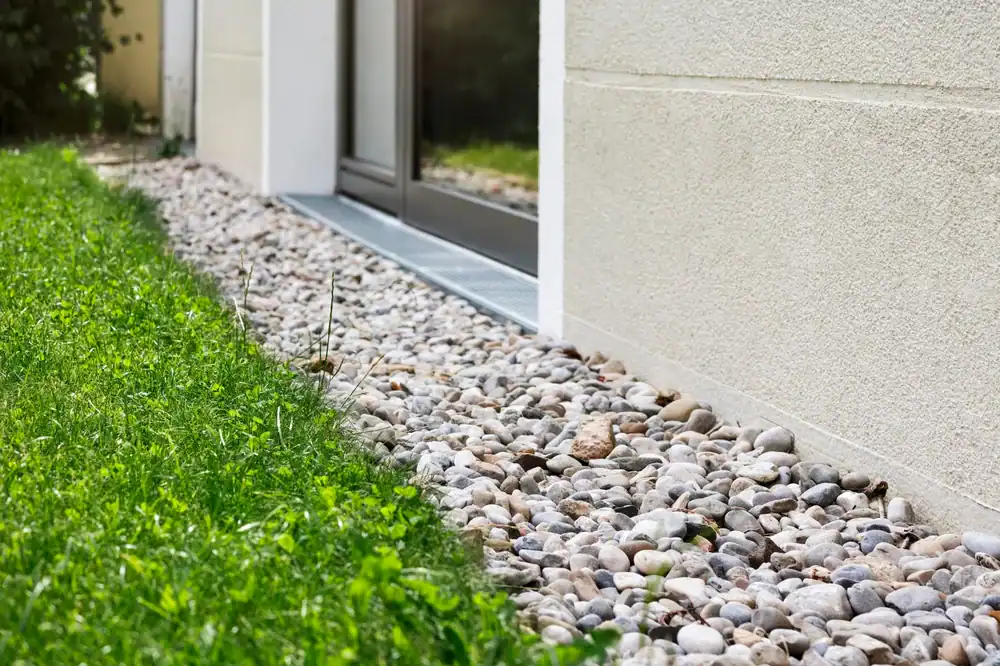
A properly installed French drain collects groundwater before it pools around your foundation. It redirects runoff from downspouts and natural springs away from your home. The system keeps working through High Point’s heavy spring rains and summer storms because it’s sized right and installed with the filter fabric that prevents sediment buildup.
You get a crawl space that stays dry. Indoor air that doesn’t smell stale. A foundation that isn’t constantly battling standing water. That’s what effective waterproofing and surface drainage actually deliver.
We’ve been solving indoor air quality and moisture problems in High Point and the Triad area for over 30 years. We’re NADCA certified—Rick Watson and Noah Watson both hold ASCS and CVI certifications—which means we understand how water in your crawl space affects the air you breathe upstairs.
Most French drain installers are landscapers who focus on yard drainage. We focus on crawl space moisture control and basement waterproofing because we’ve seen what happens when water gets under your house. We’ve inspected thousands of crawl spaces across High Point, and we know the difference between a drainage system that looks good and one that actually works long-term.
High Point gets all four seasons—heavy rains, occasional hurricanes, freezing temps. Your drainage system needs to handle all of it. We size pipes larger than standard calculations require, use 6-inch pipes instead of 3-inch, and wrap everything in filter fabric that keeps sediment out and extends the life of your system.

We start with an inspection of your crawl space and the areas where water collects. You’ll see exactly where the water is coming from—whether it’s surface runoff, downspouts dumping too close to your foundation, or a high water table pushing groundwater up through the soil.
Next, we map out the drainage path. For crawl space work, that typically means installing a French drain around the perimeter to intercept water before it gets inside. For yard drainage, we identify where water pools and design a trench drain or catch basin system that moves it away from your home.
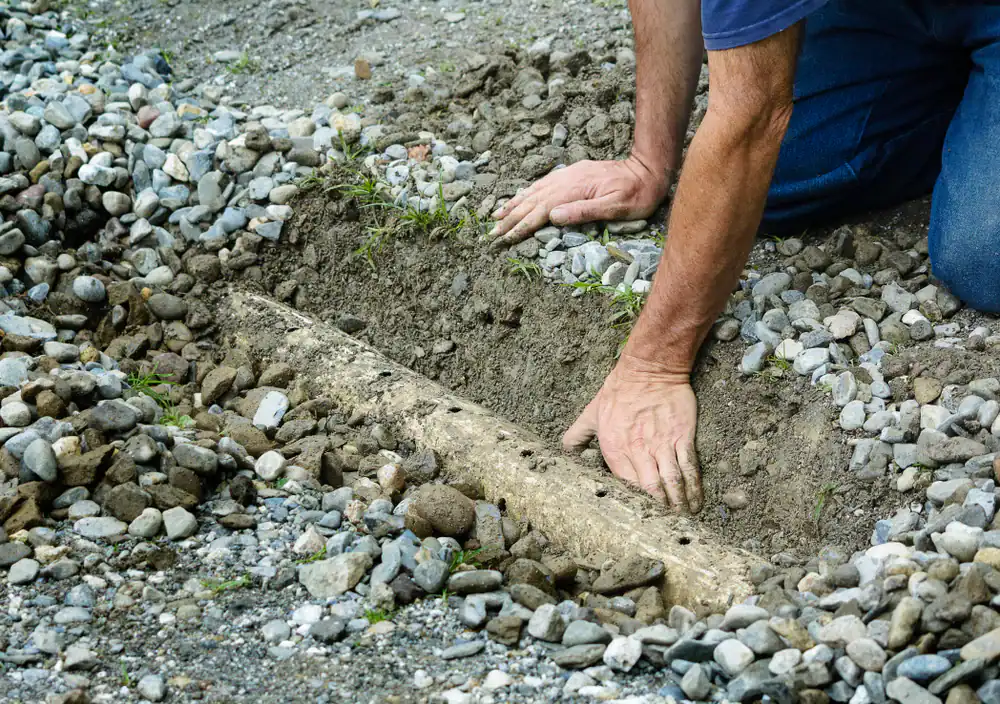
The installation involves digging a trench to the proper depth and slope, laying perforated pipe wrapped in filter fabric, and surrounding it with gravel that allows water to flow freely. The pipe directs water to a location where it can drain safely—away from your foundation and landscaping.
We don’t tie into city right-of-way or curb lines unless absolutely necessary, which keeps the project simpler and faster for you. Most installations are completed in one to two days, depending on the scope. You’ll know the timeline upfront, and we clean up the site when we’re done.
Ready to get started?
You get a complete perimeter drainage system designed for your specific water problem. That includes properly sized pipes—we use 6-inch diameter as standard because undersized pipes are the main reason systems fail. The pipe is wrapped in commercial-grade filter fabric that stops sediment from clogging the perforations.
We install the system at the correct depth and slope to ensure gravity does the work. Water flows naturally to the discharge point without needing pumps or mechanical parts that can break down. The gravel we use is clean and sized to allow maximum water flow while supporting the pipe structure.
For homes in High Point dealing with high water tables or natural springs, we often combine French drains with surface drainage solutions like catch basins or trench drains. This handles both groundwater seeping up and stormwater running across your yard.
You also get an honest assessment of whether French drain repair makes sense for an existing system or if a new installation is the better investment. We’ve seen plenty of older systems that were installed without filter fabric or with pipes that are too small. Sometimes adding to a failing system just means throwing money at a design that was never going to work long-term.
The goal is a system that keeps your crawl space dry for years, not months. High Point’s clay soil and seasonal weather patterns mean your drainage system takes a beating. We build for that reality.

Most homeowners in High Point pay between $1,650 and $12,250 for professional French drain installation, with the average project around $5,000. The range is wide because every property is different.
Cost depends on how much linear footage you need, how deep we have to dig, and whether we’re working around existing landscaping or structures. Exterior French drains typically run $10 to $65 per linear foot. A simple 50-foot perimeter drain around one side of your crawl space will cost less than a full perimeter system with multiple discharge points.
The price also reflects what’s included. We use 6-inch pipes instead of the cheaper 3-inch options because they handle more water and last longer. We wrap everything in filter fabric, which costs more upfront but prevents the sediment clogs that kill drainage systems within a few years. You’re paying for a system that works through High Point’s heavy rains and doesn’t need replacement in five years.
We’ll give you an exact price after inspecting your property. No guessing, no range—just a clear number based on what your specific situation requires.
A properly installed French drain with filter fabric and correctly sized pipes should last 20 to 30 years or more. Systems installed without fabric or with undersized pipes often fail within 5 to 10 years.
The filter fabric is what makes the difference. It creates a barrier between your soil and the pipe perforations, preventing sediment from washing in and clogging the system. Without it, High Point’s clay soil gradually fills the pipe, water stops flowing, and you’re back to square one.
Pipe size matters too. A 3-inch pipe might handle normal conditions, but when you get a heavy spring thunderstorm or back-to-back rainy days, it can’t move water fast enough. The system backs up, water pools around your foundation, and you end up with the same crawl space moisture you were trying to fix. We install 6-inch pipes because they’re future-proofed for worst-case weather.
Regular maintenance helps extend life even further. That mostly means keeping your gutters clean so downspouts aren’t dumping debris into the system and making sure the discharge point stays clear. Beyond that, a well-built French drain is pretty hands-off.
Yes, if the musty smell is coming from moisture in your crawl space. A French drain stops groundwater from pooling under your house, which eliminates the dampness that causes mold, mildew, and that stale odor.
Crawl space air rises into your living space through gaps in floors and around ductwork. If the air under your house smells like mildew, that’s what you’re breathing upstairs. The smell means moisture is present, and moisture means conditions are right for mold growth.
Installing a perimeter French drain around your crawl space intercepts water before it gets inside. It collects surface runoff, groundwater seeping through your foundation, and water from downspouts that are too close to your home. Once the moisture source is gone, the smell goes away.
In some cases, you might also need crawl space encapsulation or better ventilation to fully solve the problem—especially if water has been sitting under your house for a while. We’ll inspect your crawl space and tell you exactly what’s needed. Sometimes it’s just the drain. Sometimes it’s a combination. Either way, you’ll know what you’re dealing with before we start.
Yes, but the system design has to account for constant groundwater pressure. High Point sits in an area where water tables can be high, especially in low-lying neighborhoods or near natural drainage paths.
A standard French drain collects water that’s moving across the surface or seeping through soil. When you have a high water table, you’re dealing with groundwater that’s always present and always pushing upward. The drain needs to be deep enough to intercept that water and sized large enough to handle the continuous flow.
We typically install the perimeter drain at the footing level of your foundation and make sure the discharge point is lower than the drain itself so gravity keeps water moving out. In some situations, we’ll recommend combining the French drain with a sump pump system that actively removes water when the table rises during heavy rains.
The key is understanding where your water is coming from. We’ll inspect your crawl space, check for standing water, and look at how your property drains during and after rain. That tells us whether a French drain alone will solve the problem or if you need additional waterproofing measures. You won’t be guessing—we’ll show you what’s happening and explain what will actually fix it.
Most residential French drain installations in High Point don’t require a permit as long as the system stays on your property and doesn’t tie into city right-of-way or curb lines. If your drainage plan involves connecting to storm sewers or altering drainage along the street, you’ll need city approval.
High Point’s regulations are pretty straightforward for basic yard and crawl space drainage. You’re allowed to manage standing water on your property with French drains, catch basins, and trench drains without going through a permitting process. The city recognizes these as standard solutions for water management.
Where it gets more complicated is if your property drains toward a neighbor’s lot or if you’re redirecting large volumes of water in a way that affects shared drainage easements. In those cases, you might need to show the city your drainage plan to make sure you’re not creating problems downstream.
We handle French drain installations in High Point regularly, and we know when permits are required and when they’re not. We’ll tell you upfront if your project needs city involvement. Most of the time, it doesn’t. We design the system to discharge water safely on your property, and you’re done.
A French drain is buried underground and collects water that’s seeping through soil or pooling beneath the surface. A trench drain sits at ground level with a grated top and captures water flowing across the surface—like runoff from driveways, patios, or sloped yards.
French drains work for crawl space moisture, foundation waterproofing, and areas where water is coming up from below. The perforated pipe collects groundwater and moves it away before it can saturate the soil around your foundation. You don’t see the drain once it’s installed—it’s completely underground.
Trench drains are what you need when water is running across your driveway and pooling near your garage, or when your patio floods every time it rains. The grated channel catches that surface flow and directs it to a drainage pipe or away from your home. You see the grate, but the water disappears quickly instead of sitting there.
Sometimes you need both. If you have a high water table pushing moisture up into your crawl space and a sloped yard that sends runoff toward your foundation, a French drain handles the groundwater while a trench drain or catch basin manages the surface flow. We’ll look at your property and tell you which system—or combination—actually solves your specific drainage problem.