

Contact Info
- Greensboro, NC 27406
- Call: 336-707-0498
- Text: 336-707-0498
-
Mon - Fri: 8am - 4pm
Sat - Sun: Closed
Contact Info
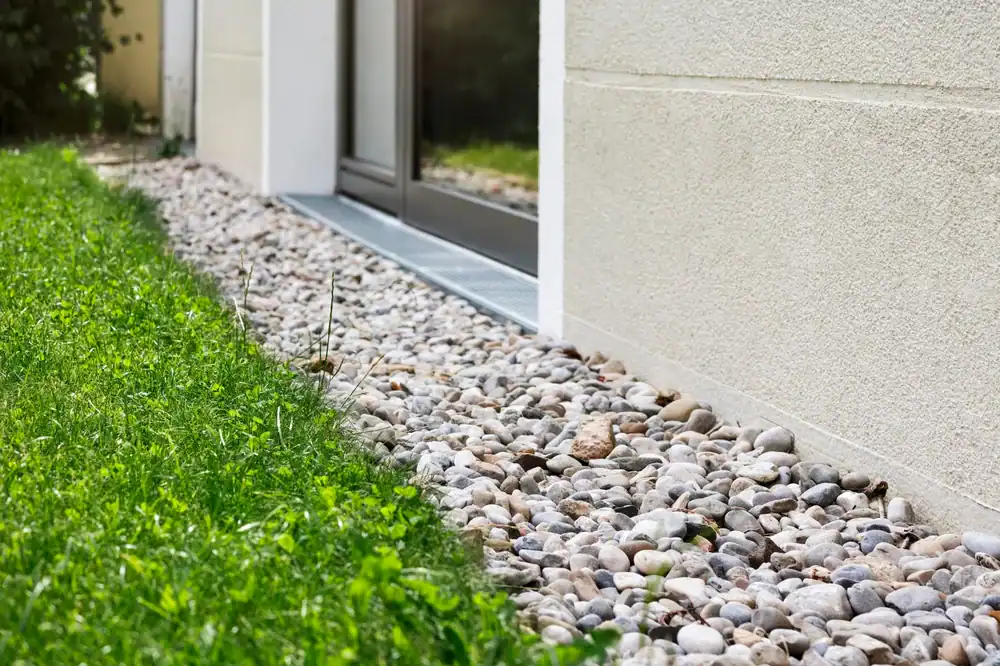
That standing water in your yard after every rain isn’t just annoying. It’s saturating the clay soil around your foundation, creating hydrostatic pressure that cracks concrete and floods crawl spaces. In Hillsdale, where heavy clay soils are the norm, water doesn’t drain naturally—it sits, it seeps, and it destroys.
A properly installed French drain intercepts groundwater before it reaches your crawl space. Water gets redirected away from your foundation through a perforated pipe surrounded by gravel, creating a pathway that clay soil can’t provide on its own. Your crawl space stays dry, which means no mold growth in your ductwork, no musty odors creeping into your living space, and no structural damage that costs thousands to repair later.
You’ll notice the difference when it rains. No more puddles that stick around for days. No more damp, heavy air in your basement. Just a home that feels dry, smells fresh, and isn’t quietly falling apart underneath you.
We focus on indoor air quality, and that starts below your home. We’ve spent over two decades working with North Carolina’s clay-heavy soils, installing drainage systems that actually work in conditions where water refuses to drain naturally.
We’re not a general contractor trying to do everything. We specialize in crawl space moisture control and the drainage systems that make it possible. That means we know exactly how to install a French drain around your foundation that handles Hillsdale’s soil conditions and humidity levels that hover around 70% year-round.
When we inspect your property, we’re looking at your foundation, your landscape grade, and where water actually flows when it rains. Then we install a system designed for your specific situation—not a one-size-fits-all trench that might work somewhere else but fails here.

We start with an inspection of your crawl space, foundation, and yard. We’re looking for where water collects, how your soil drains (or doesn’t), and what’s causing moisture problems inside your home. We take photos, explain what we find, and walk you through what needs to happen.
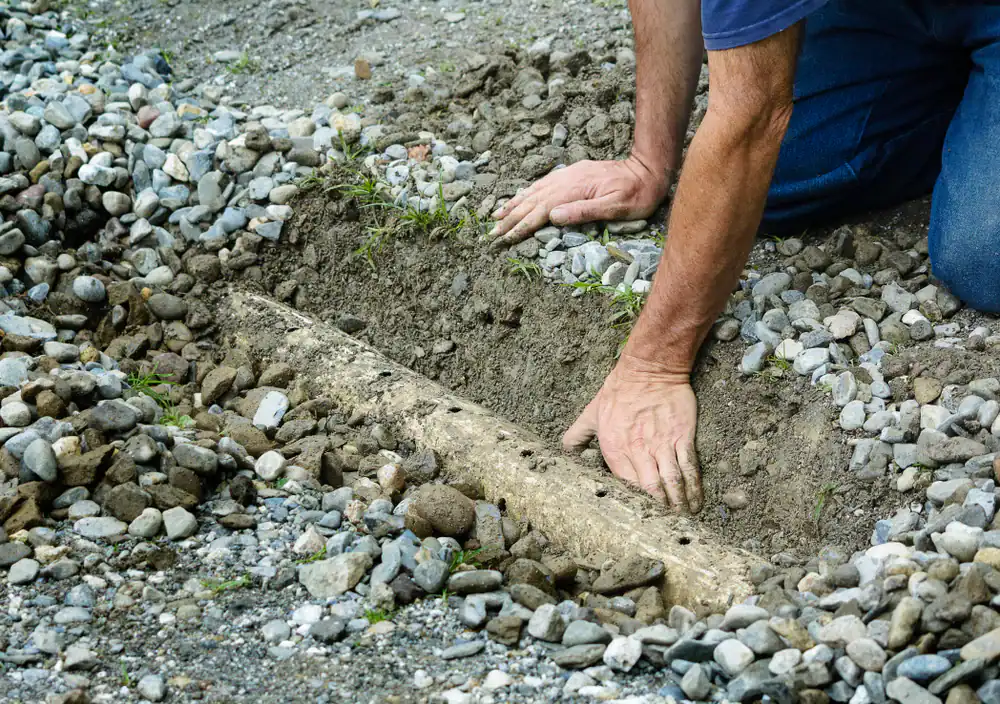
Installation means digging a trench around your crawl space perimeter or along problem areas in your yard. We set a perforated pipe at the right depth and slope, surround it with gravel to create drainage space, and make sure water has a clear path away from your foundation. In clay soil conditions, we skip the filter fabric—it clogs too easily—and use rip rap topped with three-quarter-inch stone instead.
Most projects take one to three days depending on your home’s size and how extensive the drainage issues are. You’ll see results immediately after the next rain. Water flows where it should, your crawl space stays dry, and you’re not dealing with the same flooding and moisture problems that brought you here.
Ready to get started?
French drain installation in Hillsdale means dealing with clay soil that won’t cooperate. We engineer systems specifically for these conditions—perimeter drainage around your crawl space, landscape drainage solutions for persistently wet areas, and surface drainage to handle runoff before it becomes a problem.
If you’ve already got a French drain that’s failing, we handle repairs too. Clogs, improper slope, collapsed pipes—we diagnose what went wrong and fix it so water actually drains. We also integrate waterproofing measures when needed, because keeping your crawl space dry often requires more than just exterior drainage.
You’re in North Carolina, where humidity doesn’t quit and clay soil creates drainage challenges that don’t exist in other parts of the country. Your system needs to account for that. We install dehumidifiers, sump pumps, and vapor barriers when your situation calls for it, creating a complete moisture control solution that protects your foundation and improves your indoor air quality at the same time.

Most French drain installations in Hillsdale run between $5,000 and $9,250 for a full perimeter system around your crawl space. Simple projects—like a short trench to redirect water away from one problem area—can cost as little as $500. Complex basement systems with sump pumps and interior drainage can reach $18,000 or more.
Cost depends on how much trench we’re digging, what your soil conditions look like, and whether you need additional waterproofing measures. Clay soil often requires more excavation and better drainage materials, which affects pricing. We calculate most jobs per linear foot, typically $10 to $100 depending on depth and complexity.
You’ll get an upfront estimate after we inspect your property. No surprises, no upselling—just a clear explanation of what your home needs and what it costs. And compared to foundation repair or mold remediation down the road, a properly installed French drain is a fraction of the cost.
A properly installed French drain can last 30 to 40 years in North Carolina clay soil, as long as you keep it maintained. That means clearing debris from the drainage outlet, making sure your gutters aren’t dumping extra water into the system, and checking that the gravel layer isn’t getting clogged with sediment.
Clay soil actually helps in one way—it doesn’t shift and settle as much as sandy soil, so your drain stays at the right slope longer. But clay also means water moves slowly, so your system has to handle higher volumes during heavy rain. We account for that during installation by using larger pipes and more gravel than you’d need in better-draining soil.
If you notice standing water returning or your crawl space getting damp again, that’s a sign something’s wrong. Usually it’s a clog or a pipe that’s shifted. We can inspect and repair it before minor issues turn into major problems. Regular checks every few years keep your system working the way it should.
Yes, if moisture is causing the smell. Musty odors in your crawl space come from mold and mildew growth, which only happens when there’s persistent dampness. A French drain keeps groundwater from saturating the soil under your home, which eliminates the moisture source that mold needs to grow.
But a French drain alone might not be enough if you’ve already got significant mold growth or if humidity is coming from other sources like poor ventilation or plumbing leaks. In those cases, you’ll also need crawl space encapsulation with a vapor barrier, a dehumidifier to control humidity levels, and possibly duct cleaning if mold has spread into your HVAC system.
We’ll inspect your crawl space and tell you exactly what’s causing the smell. If it’s groundwater seeping through your foundation, a French drain fixes it. If it’s multiple issues, we’ll explain what else needs to happen so you’re not spending money on a partial solution that doesn’t actually solve your problem.
You can dig a trench and lay pipe yourself, but getting it right in Hillsdale’s clay soil is harder than it looks. French drains only work if the slope is correct, the pipe is placed at the right depth, and water has somewhere to drain that won’t cause problems elsewhere on your property.
Clay soil makes DIY installation especially tricky. You need to excavate deeper than you would in sandy soil, use the right size gravel, and avoid filter fabric that clogs in clay conditions. If your slope is off by even a small amount, water pools in the pipe instead of draining away. If you don’t account for where the water exits, you might just redirect the problem to another part of your foundation or into your neighbor’s yard.
Professional installation means the job gets done right the first time. We’ve installed hundreds of French drains in North Carolina clay soil, so we know exactly what works and what fails. You get a system that actually drains, a warranty on the work, and the peace of mind that your foundation is protected—not just a trench that looks good but doesn’t function.
A French drain is buried underground and handles groundwater—the water that saturates soil around your foundation. A trench drain sits at surface level and captures runoff from driveways, patios, or other hard surfaces before it flows toward your home.
French drains use perforated pipe surrounded by gravel, which allows water to seep in from all sides as it moves through the soil. They’re installed around foundations, along property lines, or in low spots where water collects underground. Trench drains use a grated channel that catches surface water and directs it into a drainage pipe. You’ll see them in front of garage doors or along the edge of sloped driveways.
You might need both if you’re dealing with multiple drainage issues. Surface water needs to be captured before it soaks into the ground and becomes groundwater. Groundwater needs to be intercepted before it reaches your foundation. We’ll assess your property and recommend the right combination of drainage solutions based on where your water problems are actually coming from.
If water pools in your yard for days after rain, you’ve got cracks forming in your foundation, or your crawl space stays damp even when your gutters are clean—you need a French drain. Gutters handle roof runoff, but they don’t do anything about groundwater that’s already saturating the soil around your foundation.
Good gutters and downspouts are important. If they’re dumping water right next to your foundation, you’re making the problem worse. But in Hillsdale’s clay soil, even perfect gutters won’t solve drainage issues caused by poor soil percolation, high water tables, or grading that slopes toward your home instead of away from it.
We’ll look at your entire drainage situation during the inspection. Sometimes extending downspouts away from your foundation is enough. More often, you need a French drain to handle groundwater plus gutter improvements to manage surface runoff. We’ll tell you exactly what your property needs—not what makes us the most money, but what actually fixes your problem.